
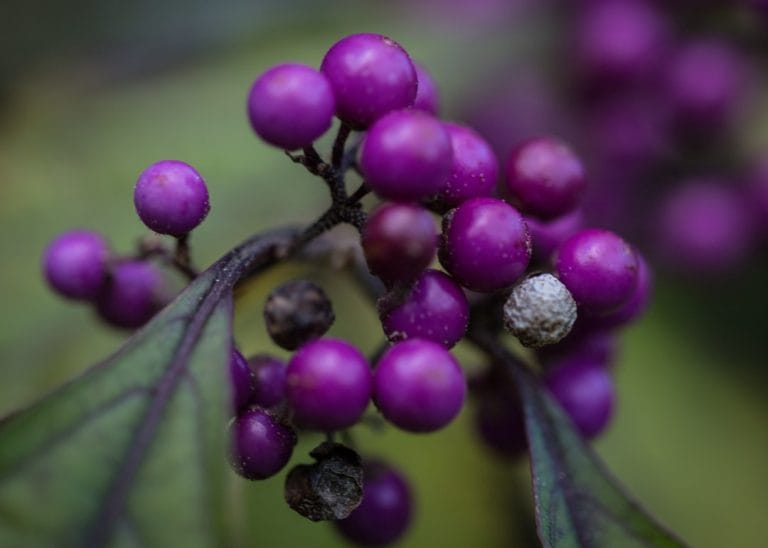
A deep-purple South American berry that packs a remarkable antioxidant punch.
If you love acai and blueberries, there’s another jewel-toned berry worth adding to your bowl. Maqui berry comes from central and southern Chile, where native communities have used it for generations. Its striking dark-purple color is a clue to what makes it special: an extraordinary concentration of anthocyanins, the plant pigments that double as powerful antioxidants.
Below, we’ll walk through what the research actually says about maqui berry, how much to eat, easy ways to enjoy it, and a few precautions to keep in mind.
Key Takeaways
– Maqui berry (Aristotelia chilensis) is exceptionally rich in antioxidants, especially anthocyanins and delphinidins.
– Studies link it to lower inflammation, healthier cholesterol and blood sugar, and support for heart, eye, and gut health.
– A typical daily serving is about five berries or roughly a teaspoon to a tablespoon of powder.
– It blends easily into smoothies, oatmeal, juices, and desserts.
– It’s considered safe for most people, but skip it if you’re allergic, and don’t overdo it.
What Is Maqui Berry?
Maqui berry is the edible fruit of Aristotelia chilensis, a tree in the Elaeocarpaceae family native to Chile. It tastes a lot like blackberry and carries a nutrient profile comparable to acai. Traditionally, South American communities used it as an astringent and to help manage diarrhea by slowing the gut and encouraging water absorption. Today, it’s best known for its exceptionally high antioxidant content.
7 Health Benefits of Maqui Berry
1. It May Help Fight Free Radicals
Maqui’s headline feature is its antioxidant load, driven largely by anthocyanins. Antioxidants neutralize free radicals and help shield your cells from oxidative stress and the inflammation that follows. Diets rich in these compounds have been associated with a lower risk of heart disease, diabetes, and cancer.
Maqui stands out even among antioxidant-rich foods. Its FRAP score, a common measure of antioxidant capacity, came in far higher than many fruits and vegetables. It’s also the richest known natural source of delphinidins, a specific class of anthocyanin, and extracts have been shown to improve oxidative status in healthy adults, people who are overweight, and smokers.
2. It May Calm Inflammation
Beyond antioxidants, maqui contains phenolics, flavonoids, and organic acids that give it genuine anti-inflammatory potential. Because chronic inflammation underlies so many conditions, from arthritis and diabetes to heart and respiratory disease, this matters. In one study, maqui extract improved resistance to respiratory infection while easing oxidative stress in the lungs.
3. It May Protect Your Heart
 Save
SaveMaqui’s anti-inflammatory effects extend to the cardiovascular system. Extracts have been shown to reduce inflammation in human aortic endothelial cells, the lining of your arteries. In a 90-day clinical trial, a standardized maqui supplement (Delphinol) lowered LDL, the “bad” cholesterol, in people with prediabetes. Since elevated LDL is a known risk factor for heart attacks, that’s an encouraging signal.
4. It May Help Steady Blood Sugar
The same trial found benefits for glucose control. Participants with prediabetes who took 180 mg of maqui extract daily saw their blood glucose drop by about 5 percent, suggesting the delphinidins in maqui may play a helpful role in blood sugar management.
5. It May Support Eye Health
 Save
SaveAnimal research points to eye benefits too. In mice, maqui berry extract protected the retina’s light-sensing photoreceptor cells from damage caused by visible light, and other animal studies suggest it may also help relieve dry eyes. A preliminary human study has also been promising. As a rule, foods rich in antioxidants and anthocyanins tend to support good vision, though more human research on maqui specifically is still needed.
6. It May Improve Digestive Health
Maqui is a strong source of fiber, especially insoluble fiber, which keeps digestion moving and helps prevent common gastrointestinal complaints. The berry may also feed beneficial gut bacteria, and dietary anthocyanins have been linked to a healthier gut environment, an area researchers are still actively exploring.
7. It May Lower Cancer Risk
A study in the Journal of Berry Research examined maqui extract against human colon cancer cells and found that its anthocyanins, flavonoids, and organic acids helped inhibit cancer cell growth in the colon. Maqui has also been associated with sharper brain function, stronger immunity, and support for weight loss, adding to its all-around appeal.
Nutritional Profile at a Glance
 Save
SavePer 100 grams, maqui berries are low in protein and modest in fat but extraordinarily high in fiber and minerals. Key figures include:
Energy: 150 kcal
Fiber: 53.3 g (mostly insoluble)
Calcium: 87 mg
Iron: 30.5 mg
Potassium: 296 mg
Phosphorus: 44 mg
Plus vitamin C and vitamin E (4.5 mg alpha-tocopherols)
That deep purple hue reflects the anthocyanins that make maqui such a nutritional standout, particularly for digestive health.
How Much Maqui Berry Should You Eat?
A little goes a long way. A reasonable daily serving is about five to seven fresh berries, or roughly a teaspoon to a tablespoon of maqui powder. Sticking to moderate amounts lets you enjoy the benefits without overdoing it.
Simple Ways to Enjoy Maqui
 Save
SaveMaqui powder is the most widely available form, and it’s easy to work into your routine. Stir it into a morning smoothie, sprinkle it over oatmeal, blend it into juices, or fold it into desserts for a color and antioxidant boost. Its blackberry-like flavor plays well with other fruits.
Precautions
Maqui is safe for most people, but there are a few caveats. Anyone with a known allergy should avoid it. And because excessive intake can cause indigestion and may lead to inconsistent blood glucose or cholesterol readings in some people, it’s best to stay within recommended amounts. If you have diabetes or take medication, check with your doctor first.
Frequently Asked Questions
Does maqui berry taste like acai?
Its nutrient profile is similar to acai, but the flavor leans closer to blackberry, mildly tart and pleasantly fruity.
Can I take maqui berry every day?
Yes, most people can enjoy it daily in moderation, about five berries or a teaspoon to a tablespoon of powder. Avoid it if you’re allergic.
Is maqui berry good for weight loss?
It’s often listed among fruits that may support weight loss, thanks to its high fiber and antioxidant content, though it works best as part of a balanced diet rather than a quick fix.
The Bottom Line
Maqui berry earns its superfruit reputation. Its remarkable anthocyanin and delphinidin content underpins antioxidant and anti-inflammatory benefits that early research connects to healthier cholesterol, steadier blood sugar, and support for your heart, eyes, and gut. Much of the strongest evidence comes from animal and preliminary human studies, so maqui is best viewed as a nourishing addition to an already varied diet, not a cure-all. Enjoyed in modest daily amounts, it’s an easy, colorful way to add antioxidants to your day.
This article is for informational purposes only and is not a substitute for professional medical advice. Always consult a qualified healthcare provider before making changes to your diet or supplement routine, especially if you have a medical condition or take medication.