
Wholesome meals that feel gentle on your body without ever feeling boring.
If you have been searching for meals that are low in calories, kind to your digestion, and packed with nutrients, you have landed in the right spot. Light food does not mean flavorless or dull. In fact, some of the most satisfying dishes you can make are the ones that leave you feeling energized rather than weighed down.
According to the World Health Organization, a nutritious diet helps lower the risk of obesity, cardiovascular disease, and digestive troubles. Choosing lighter, nutrient-dense meals can also support fullness and make weight management feel more effortless. Below, you will find easy recipes and simple guidance to help you eat well from breakfast through dinner.
Key Takeaways
– Small, frequent, nutrient-dense meals make it easier to meet your daily nutrition needs.
– Light foods are quick to prepare and gentle on your digestive system.
– Smoothies, omelets, salads, casseroles, and tacos are all versatile light-meal options.
– The right ingredients keep you satiated while supporting heart and gut health.
– Always check for allergies and consult your doctor before overhauling your diet.
What Exactly Is Light Food?
Light food is simply a thoughtful combination of nutritious ingredients that your body can digest and absorb with ease. Rather than heavy, greasy, or overly processed dishes, these meals lean on fresh produce, lean proteins, and whole grains that fuel you without leaving you sluggish.
What Light Foods to Eat to Stay Healthy
Building a lighter plate starts with stocking the right ingredients. Some of the best choices include:
Leafy greens and vegetables: lettuce, spinach, broccoli, tomato, beetroot, carrot, sweet potato, cucumber, eggplant, and scallions.
Whole grains: semolina, wheat pasta, wheat noodles, buckwheat, sorghum, quinoa, millets, brown bread, and homemade multigrain bread.
Lean proteins: skinless chicken, fish, eggs, mushrooms, legumes, soy, and tofu.
Nuts and seeds: almonds, walnuts, sunflower seeds, chia seeds, and pepitas.
Dairy and fruit: cottage cheese, ricotta, and low-GI fruits like apple, muskmelon, guava, and citrus.
Healthy fats in moderation: olive oil, avocado oil, rice bran oil, and a little ghee.
One of the simplest ways to eat lighter is to spread your food across small, frequent meals rather than a few heavy ones. This rhythm can make it easier to meet your nutritional needs while keeping your digestive system comfortable throughout the day.
Interestingly, a survey of roughly 1,057 US adults found that only 8.6% felt they ate fairly healthy food, while a striking 64% were unsure whether their meals were healthy at all. Simple, approachable recipes like the ones below can help bridge that gap.
Easy Light Food Recipes to Try
Each of these recipes fits neatly into a balanced diet. Before trying them, check for allergies, keep alternative ingredients on hand, and consult your doctor if you have specific health concerns.
Low-Fat Tarragon Chicken Salad
Simmer a cup of chicken breast cubes with salt and pepper for 15 to 20 minutes. Meanwhile, combine ¼ cup low-fat yogurt, a tablespoon of lime juice, thinly sliced red onion, chopped celery, dried tarragon, sliced dried cranberries, and seasoning in a bowl. Toss in the cooked chicken and enjoy a protein-rich lunch that comes together in minutes.
Tuna and Veggie Omelet
Whisk three eggs with ¼ cup low-fat milk, chopped zucchini, red bell pepper, cilantro, salt, and pepper. Cook in a nonstick skillet coated with cooking spray, frying each side for about a minute. Add poached, sliced tuna, fold, and serve. It is a protein-packed breakfast that keeps you full for hours.
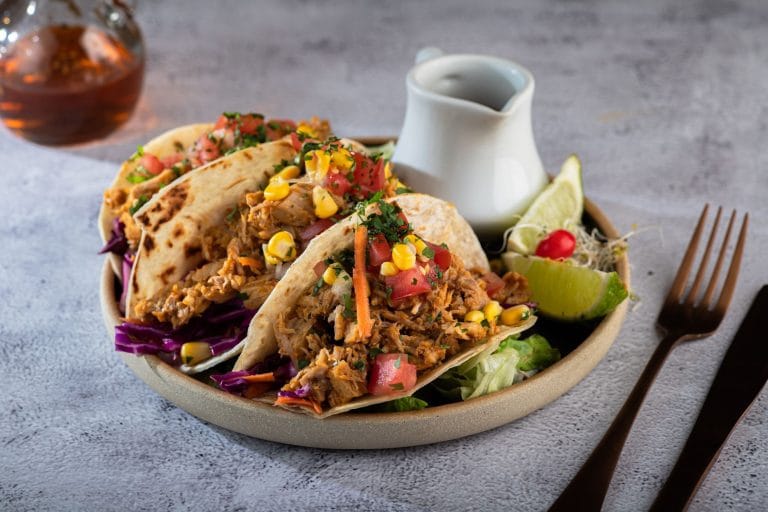
Heart-Friendly Fish Tacos
Marinate two mackerels in olive oil, garlic and ginger paste, lime juice, rosemary, cayenne, and salt for 10 minutes, then grill for 7 to 10 minutes. Fill taco shells with a fresh salad of tomato, lettuce, onion, avocado, and low-fat yogurt, then top with the flaked grilled fish, a squeeze of lime, and cilantro.
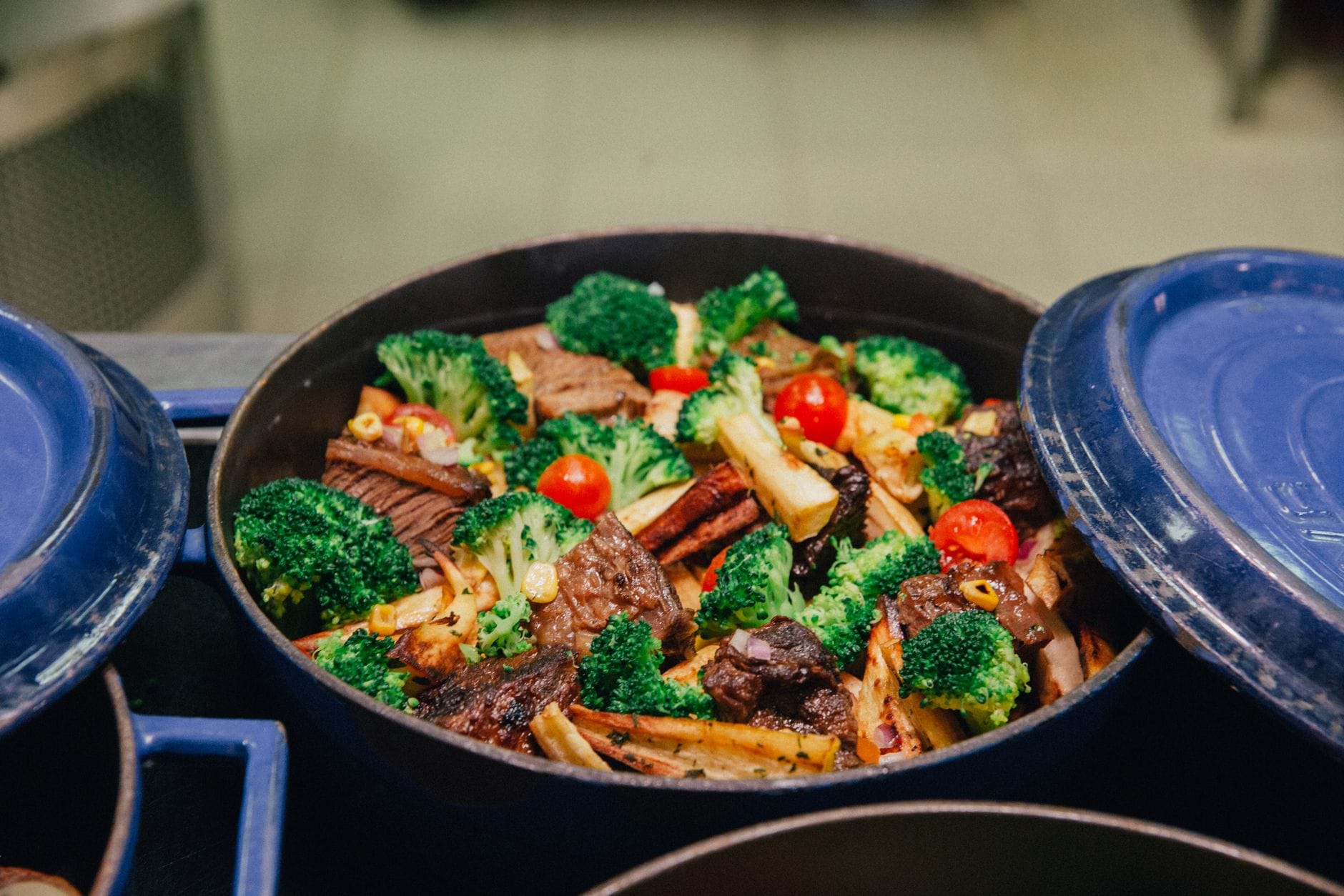
Broccoli Casserole
 Save
SaveToss 1½ cups broccoli florets with chopped carrots, zucchini, green peas, and eggplant slices in olive oil, dried herbs, lime juice, and seasoning. Transfer to a casserole dish, crumble tofu over the top, and bake for 15 minutes. It is a warm, comforting dish that supports healthy cholesterol.
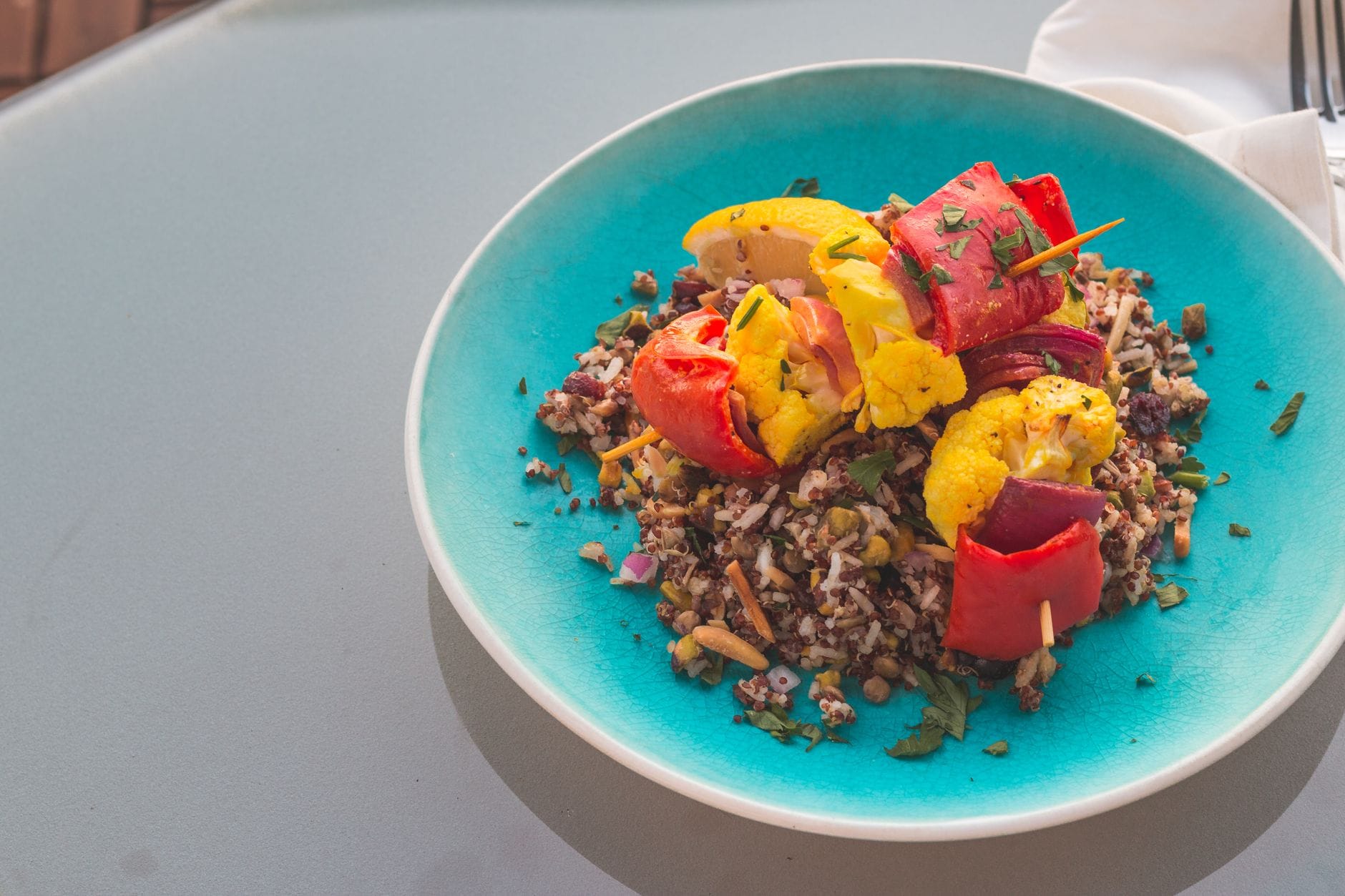
Quinoa Salad
 Save
SaveSauté minced garlic and onion in olive oil, add water and seasoning, then simmer ½ cup quinoa for about 15 minutes until fluffy. Once cooled, fold in chopped carrot, bell pepper, cucumber, tomato, sweet corn, and cilantro, and finish with lime juice. Quinoa is a good source of plant protein, making this an excellent choice for vegetarian and meat-free diets.
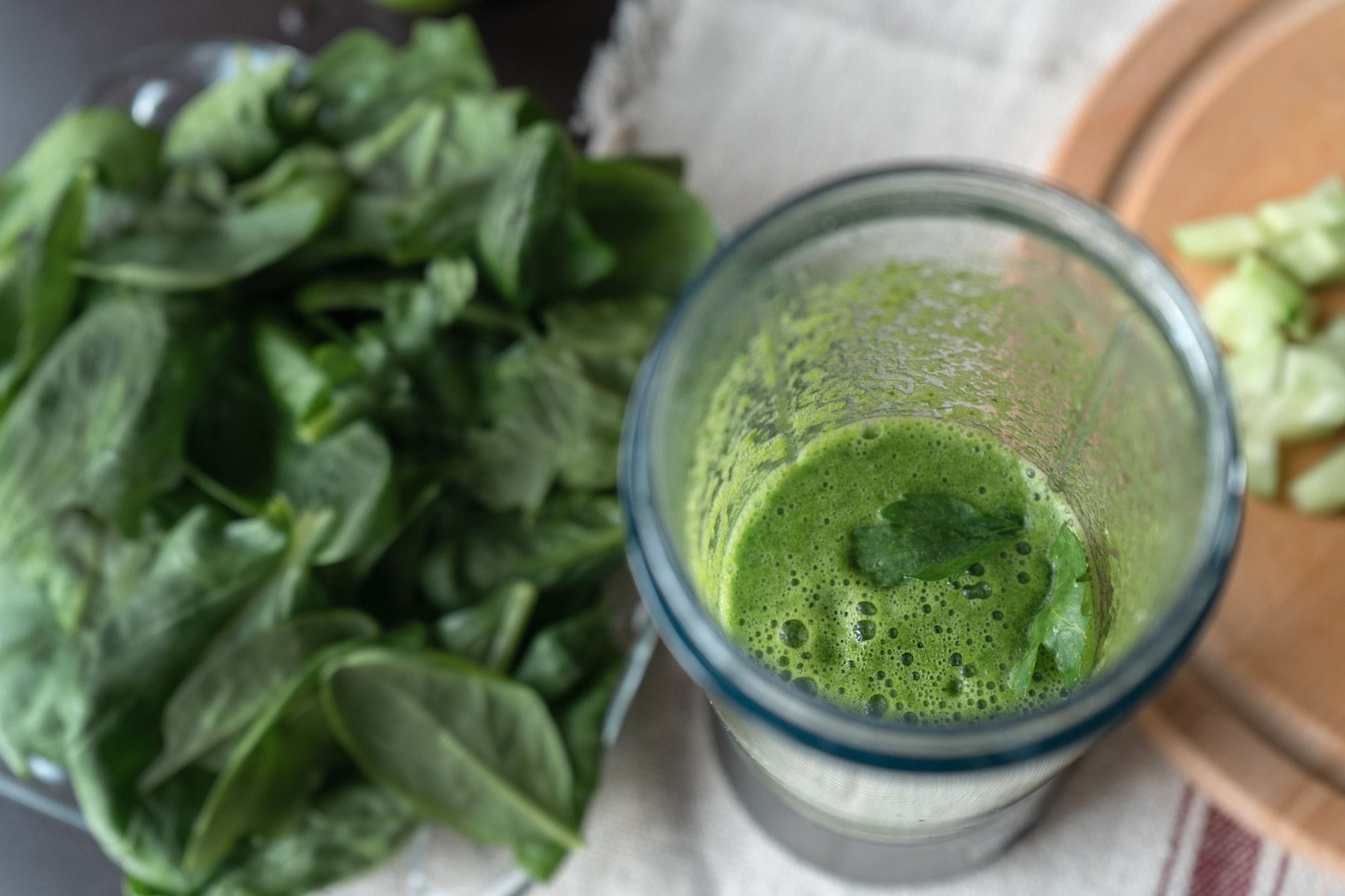
Skin-Rejuvenating Breakfast Smoothie
 Save
SaveBlend ½ cup peach with chopped celery and baby spinach until smooth. Stir in a teaspoon of honey and a pinch of pink Himalayan salt. It is a refreshing, hydrating way to start the day with a dose of vitamins for glowing skin.
Cooking Tips for Lighter Meals
 Save
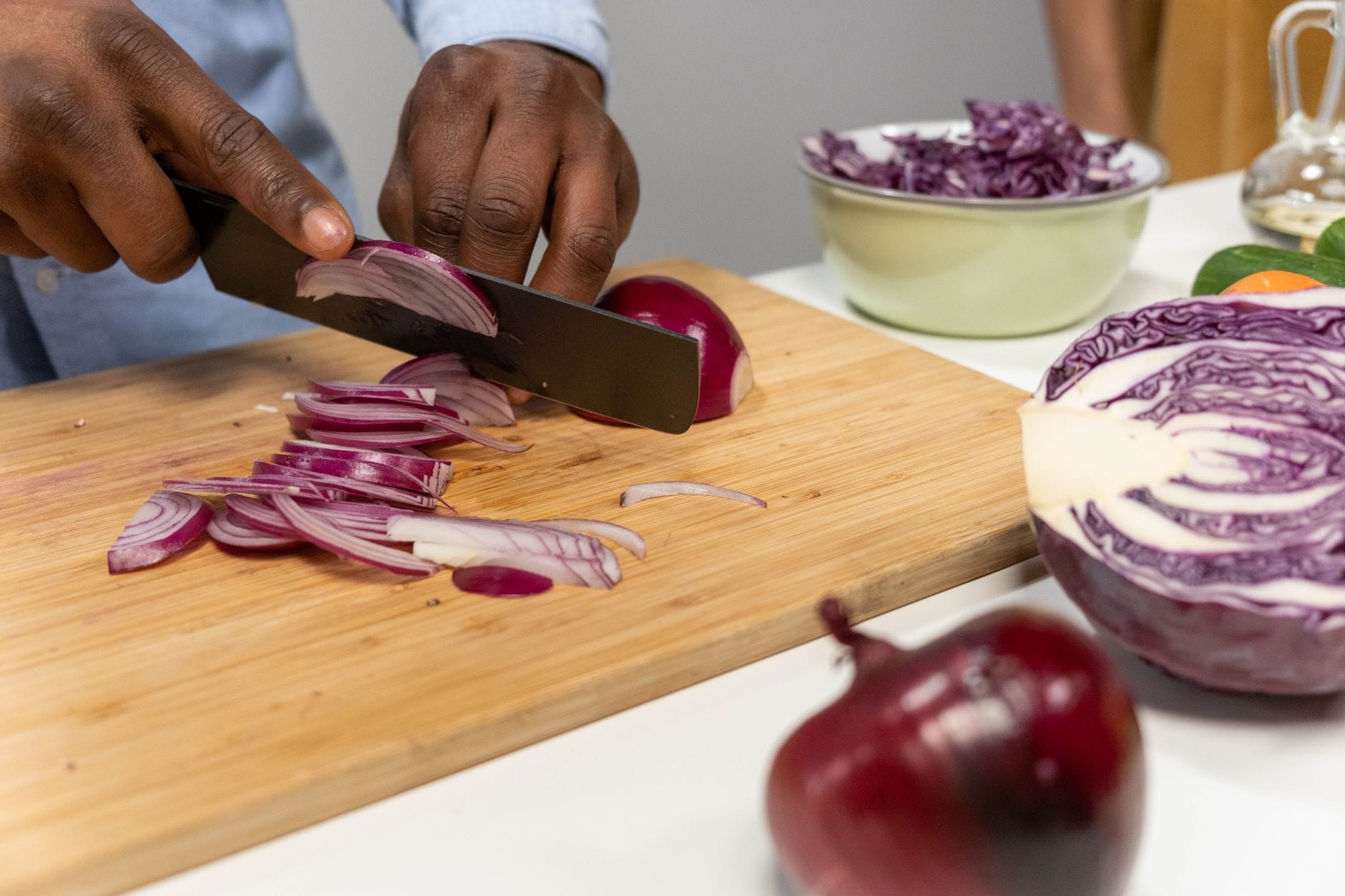
SaveSteam, grill, poach, or bake instead of deep-frying.
Use herbs, spices, and citrus to add flavor without extra calories.
Keep oils to a modest amount, and reach for heart-friendly options.
Prep vegetables in advance so assembling a quick meal is effortless.
Frequently Asked Questions
Are light foods good for weight management?
Yes. Because they tend to be lower in calories yet rich in fiber and protein, light foods can promote satiety and make it easier to manage your weight as part of a balanced diet.
Can I eat light meals for dinner every night?
Absolutely. Salads, soups, omelets, and vegetable casseroles make excellent evening meals that are easy to digest before bed. Just be sure you are still meeting your overall nutrient needs throughout the day.
Do light meals provide enough protein?
They can. Ingredients like eggs, fish, chicken, tofu, legumes, and quinoa deliver plenty of protein while keeping meals light and easy to digest.
The Bottom Line
Eating light does not mean sacrificing taste or nutrition. With fresh produce, lean proteins, whole grains, and a handful of smart cooking habits, you can build meals that leave you satisfied, energized, and well-nourished. Start with one or two of these recipes this week, listen to your body, and adjust the ingredients to suit your preferences and any allergies.
This article is for informational purposes only and is not a substitute for professional medical advice. Always consult a qualified healthcare provider before making significant changes to your diet.