
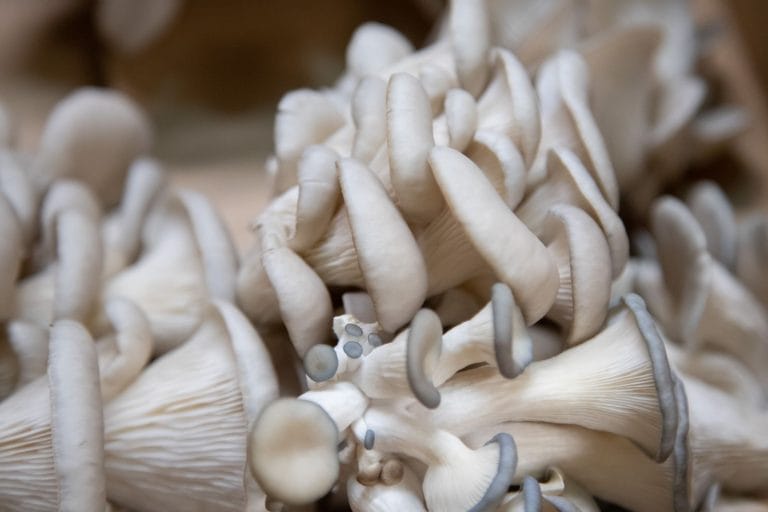
These delicate, fan-shaped fungi pack antioxidants, fiber, and a surprising amount of nutrition into every bite.
Named for their resemblance to a freshly-shucked oyster, oyster mushrooms (Pleurotus ostreatus) are far more than a pretty ingredient. These gilled fungi have been valued in traditional medicine for centuries, and modern research is beginning to explain why. They’re rich in antioxidants, minerals, and unique compounds that may support your heart, your immune system, and steady blood sugar.
Best of all, they’re mild, versatile, and easy to cook. Below, we’ll walk through what oyster mushrooms are, the different varieties you’ll find, their nutrition, six evidence-based benefits, and simple ways to bring them to your plate.
Key Takeaways
– Oyster mushrooms come in several colorful varieties and deliver a broad mix of vitamins and minerals.
– They may lower cancer risk, strengthen immune defenses, help manage blood sugar, and support heart health.
– They shine in soups, stir-fries, egg dishes, and as a pasta or pizza topping.
– Overdoing them may trigger respiratory issues, fever, joint pain, or chills in sensitive people.
What Are Oyster Mushrooms?
Oyster mushrooms are edible fungi that grow on dead and decaying wood. Their caps can stretch anywhere from two to ten inches across and appear in shades ranging from creamy white to deep brown. The flavor is gentle, with a faint anise-like aroma, which makes them easy to slip into almost any savory dish, from soups and stir-fries to egg scrambles and pasta.
Types Of Oyster Mushrooms
Not all oyster mushrooms look or taste the same. Here are the most common varieties:
King oyster mushrooms: Also called king trumpets, these have a meaty, umami flavor and are a favorite plant-based swap.
Pearl oyster mushrooms: The most widely available type, with a milder, more tender bite than shiitake.
Blue oyster mushrooms: Deep blue when they bloom, fading to gray as they mature; their chewy texture makes them a popular meat replacement.
Golden oyster mushrooms: Bright gold with delicate flesh, a vivid flavor, and a distinct fragrance, though they don’t keep for long.
Pink oyster mushrooms: Vibrant pink that fades with heat, offering a bold, bacon-like taste.
Phoenix oyster mushrooms: Nearly identical to pearl oysters, but with smaller caps, a pale lilac hue, and longer stems.
Nutritional Breakdown Of Oyster Mushrooms
 Save
SaveAccording to the U.S. Department of Agriculture, 100 grams of oyster mushrooms provides roughly (1):
Calories: 33 kcal
Protein: 3.31 g
Fat: 0.41 g
Carbohydrate: 6.09 g
Dietary fiber: 2.3 g
Calcium: 3 mg
Iron: 1.33 mg
Magnesium: 18 mg
Phosphorus: 120 mg
Potassium: 420 mg
Thiamin: 0.125 mg
Pantothenic acid: 1.29 mg
Niacin: 4.96 mg
Folate: 38 µg
That’s a lot of nutrition for very few calories, making oyster mushrooms a smart, weight-friendly addition to a balanced diet. They’re especially rich in beta-glucans, a type of fiber linked to immune and heart support (2).
6 Health Benefits Of Oyster Mushrooms
1. Loaded With Antioxidants
Oyster mushrooms are a good source of antioxidant phenolic compounds such as variegatic acid, ergothioneine, and gallic acid (3), (4), (5). These antioxidants help neutralize free radicals and curb oxidative damage, and they may even help lower LDL (“bad”) cholesterol (6), (7).
2. Improve Heart Health
 Save
SaveEating oyster mushrooms may lower your risk of cardiovascular disease. Their beta-glucans have blood-pressure-lowering effects and can help reduce LDL cholesterol (2), while their dietary fiber may guard against high cholesterol overall (8). A review in the International Journal of Molecular Sciences points to mushroom polysaccharides as heart-protective, and studies suggest oyster mushrooms can trim total cholesterol and triglyceride levels (9), (10). More human research is still needed to confirm these effects.
3. Help Manage Blood Sugar
 Save
SaveThe fiber in P. ostreatus appears to fight insulin resistance (11). Researchers at the University of Sri Jayewardenepura in Sri Lanka found that freeze-dried, powdered oyster mushrooms at 50 mg/kg of body weight reduced blood glucose (12). Other work shows these mushrooms significantly lowered blood sugar in people with diabetes and may improve glycemic status, making them a helpful ally for anyone managing type 2 diabetes (13), (14).
4. Support Immune Function
Golden oyster mushrooms may contain immune-regulating compounds like vitamin D2 (15). In one study, eating oyster mushrooms for eight weeks boosted natural killer (NK) cells, a key part of the immune system that helps fend off disease. The immunoglucan they contain may also help prevent recurrent respiratory tract infections, and oyster mushrooms have shown activity against herpes simplex virus type 1.
5. May Reduce Cancer Risk
Protein extracts from oyster mushrooms show anti-cancer activity and may slow the growth of breast and colon cancer cells. A study from the Methodist Research Institute in the U.S. found an inverse link between oyster mushroom intake and cancer risk, and water extracts of edible mushrooms may suppress cancer cell proliferation, particularly in breast cancer. As with the other benefits, more human studies are needed.
6. Have Anti-Inflammatory Properties
Animal research suggests oyster mushrooms can ease inflammatory conditions, and one study found that biotechnologically produced oyster mushroom supplements improved gut health in obese rats. Evidence here is still limited.
How To Enjoy Oyster Mushrooms
 Save
SavePrepping oyster mushrooms couldn’t be simpler. Wipe them clean with a damp cloth or soft brush, then trim the tough stem ends. Skip soaking them, since they soak up water quickly and turn soggy.
Their delicate flavor absorbs whatever you cook them with, and they’re wonderful sautéed in a little olive oil or butter with garlic and fresh herbs. Try them:
As a pizza topping
Stirred into sauces, soups, pasta, and gravy
Sautéed as a simple side dish
Folded into frittatas, omelets, and quiches
Frequently Asked Questions
Can I eat oyster mushrooms every day?
Yes. In small amounts as part of a balanced diet, oyster mushrooms are safe to enjoy daily. People with type 2 diabetes may find them especially beneficial.
Do oyster mushrooms need to be cooked?
They’re best enjoyed cooked. A quick sauté brings out their delicate flavor and gives them a pleasant, tender texture.
Who should be cautious with oyster mushrooms?
Anyone who experiences lung inflammation or allergic symptoms after eating them should avoid them. Overconsumption may also cause respiratory issues, fever, joint pain, or chills.
The Bottom Line
Oyster mushrooms are a delicious, low-calorie food with genuine health promise. Thanks to their antioxidants, beta-glucans, and fiber, they may support heart health, steadier blood sugar, stronger immunity, and more. Much of the research is early or based on animal studies, so think of them as a nourishing addition to a varied diet rather than a cure. Enjoy them in moderation, listen to your body, and savor how easily they fit into everyday meals.
This article is for informational purposes only and is not a substitute for professional medical advice. Consult a qualified healthcare provider before making changes to your diet, especially if you have a medical condition, are pregnant, or take medication.