
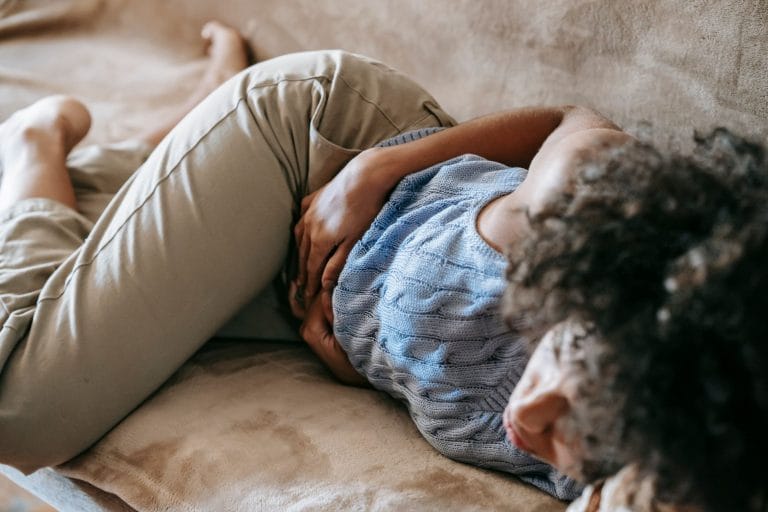
A stressed pancreas needs rest, and a few careful habits can give it the break it’s asking for.
That sharp, radiating ache across your upper belly is easy to brush off until it refuses to quiet down. Behind it sits the pancreas, a small leaf-shaped organ that quietly powers your digestion by releasing the juices that break down food. When it becomes inflamed, the condition is called pancreatitis, and it’s the organ’s way of signaling that something has pushed it past its limit.
Some cases are mild and settle with rest and simple at-home care. Others come on fast and turn serious quickly. Knowing the difference matters, and so does knowing which everyday changes actually support healing versus which situations belong in a doctor’s hands.
Key Takeaways
– Pancreatitis is inflammation of the pancreas, often triggered by heavy alcohol use, gallstones, abdominal injury, or high triglycerides.
– Persistent upper abdominal pain and tenderness are the most common signs of both the acute and chronic forms.
– Resting the pancreas through fasting, hydration, and small low-fat meals can ease symptoms during recovery.
– Quitting alcohol and smoking, staying active, and reaching a healthy weight all lower your risk of flare-ups.
– Severe or unrelenting pain is not something to manage alone; it needs prompt medical attention.
Acute Versus Chronic: Two Different Problems
Pancreatitis shows up in two broad forms, and they behave very differently.
Acute pancreatitis arrives suddenly and usually lasts a few days. The hallmark is intense pain in the upper abdomen that often spreads toward the back, sometimes with fever, nausea, vomiting, tenderness, and a racing pulse. It can become life-threatening, so it typically calls for hospital care right away. Research indicates roughly 600 to 700 cases per 100,000 people in the United States, with around 200,000 to 250,000 hospital discharges each year and an estimated mortality rate near 2%.
Chronic pancreatitis is the slow-burning version. It develops over years and tends to flare on and off. Left untreated, it can lead to diabetes, infection, breathing and kidney complications, and a raised risk of pancreatic cancer. People with the chronic form often notice unexplained weight loss, pain that worsens after eating, and greasy, foul-smelling stools.
Can You Check for It at Home?
Not really, and that’s an honest answer worth taking seriously. Confirming pancreatitis relies on lab work your doctor orders: blood tests, a CT scan, sometimes an ultrasound, and occasionally a stool test to look for the chronic form. None of that can happen on your kitchen table.
What you can do is pay attention. If you have upper abdominal pain, gently press the area and notice whether it feels tender. If the pain is severe, won’t ease, or makes it hard to sit still, treat that as your cue to call a healthcare provider without delay. Untreated pancreatitis can be fatal, so this is one condition where waiting it out is a genuine risk.
What Sets It Off
 Save
Plenty of things can inflame the pancreas. The most common culprits include:
Heavy alcohol use
Gallstones
Certain medications
High triglycerides or high calcium in the blood
Abdominal injury or surgery
Cystic fibrosis and other genetic disorders of the pancreas
Infections and, in some cases, pancreatic cancer
Gallstones are the leading trigger for acute attacks. For the chronic form, genetics and lifestyle carry more weight, with heavy drinking, obesity, smoking, and a diet loaded with sugar and fat all raising the odds.
Home Care That Actually Helps
For mild, recurring pancreatitis, a doctor may agree that much of your recovery can happen at home. The goal is simple in principle: give the pancreas less work to do. Always check with your provider before starting any remedy, since more severe cases still need medical treatment.
Rethink What’s on Your Plate
 Save
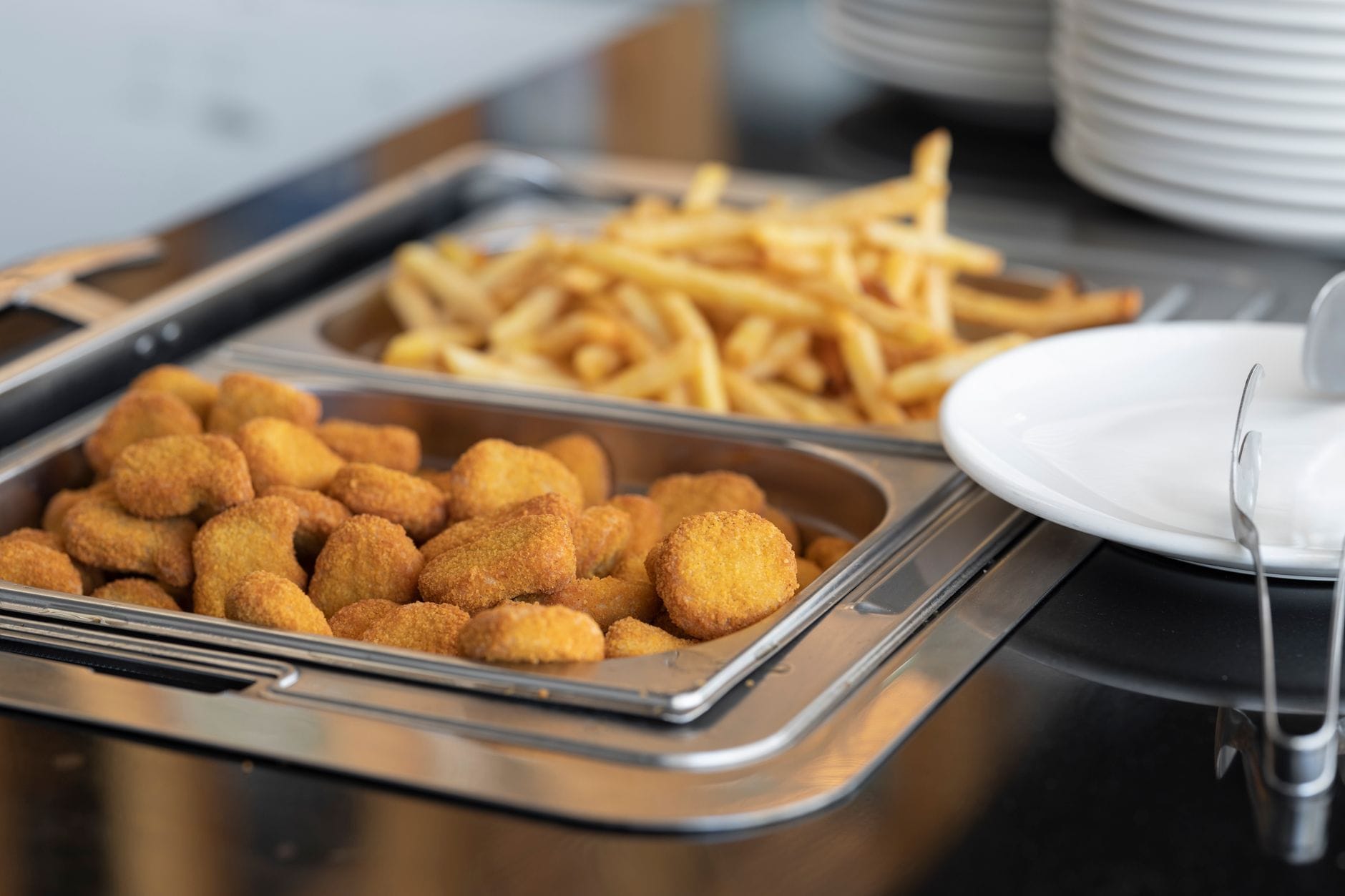
During an active flare, doctors usually advise skipping food entirely so the pancreas can rest. That pause might last a few hours or a few days, and staying hydrated with fluids throughout is essential. If you need to go without food longer, you may be fed intravenously to keep essential nutrients coming.
Once you’re cleared to eat again, ease back in with several small meals spread across the day rather than a few large ones. Keep fat low, drink plenty of fluids, and go easy on caffeine. This gentle approach lets the organ recover without being asked to do heavy lifting.
Shift Your Daily Habits
 Save
Alcohol, smoking, and a sedentary routine are tightly linked to pancreatitis developing and getting worse. Cutting out alcohol completely is one of the most protective steps you can take, since it directly lowers the chance of triggering more inflammation. Building a regular exercise habit helps with weight, and quitting smoking eases the oxidative stress and toxin load your body carries. If you smoke, stopping sooner is better than later.
Reach a Healthier Weight
 Save
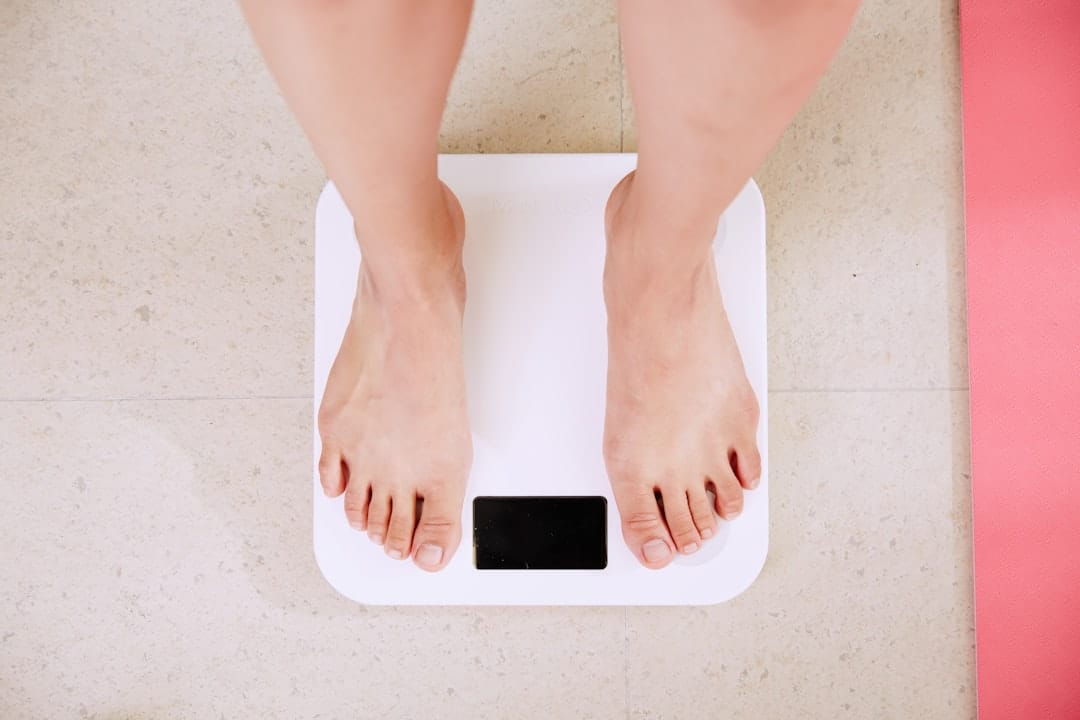
Carrying excess weight, especially around the abdomen, is tied to more gallstones and more inflammation, and it tends to make symptoms hit harder. Working toward a healthy BMI is a standard recommendation for a reason. A sustainable approach usually means controlling portion sizes, swapping refined carbs for whole grains, cutting added sugar and sweetened sodas, keeping fat modest, and reaching for snacks like nuts, seeds, and fruit.
Consider Glutamine
Some research suggests glutamine supplements may support pancreatitis treatment by lowering the risk of complications and infections. Glutamine is an amino acid that aids the breakdown of food and gives the immune system a lift. The evidence is promising but still limited, so larger studies are needed before it becomes a firm recommendation. Talk to your doctor before adding it.
Is There One Perfect Pancreatitis Diet?
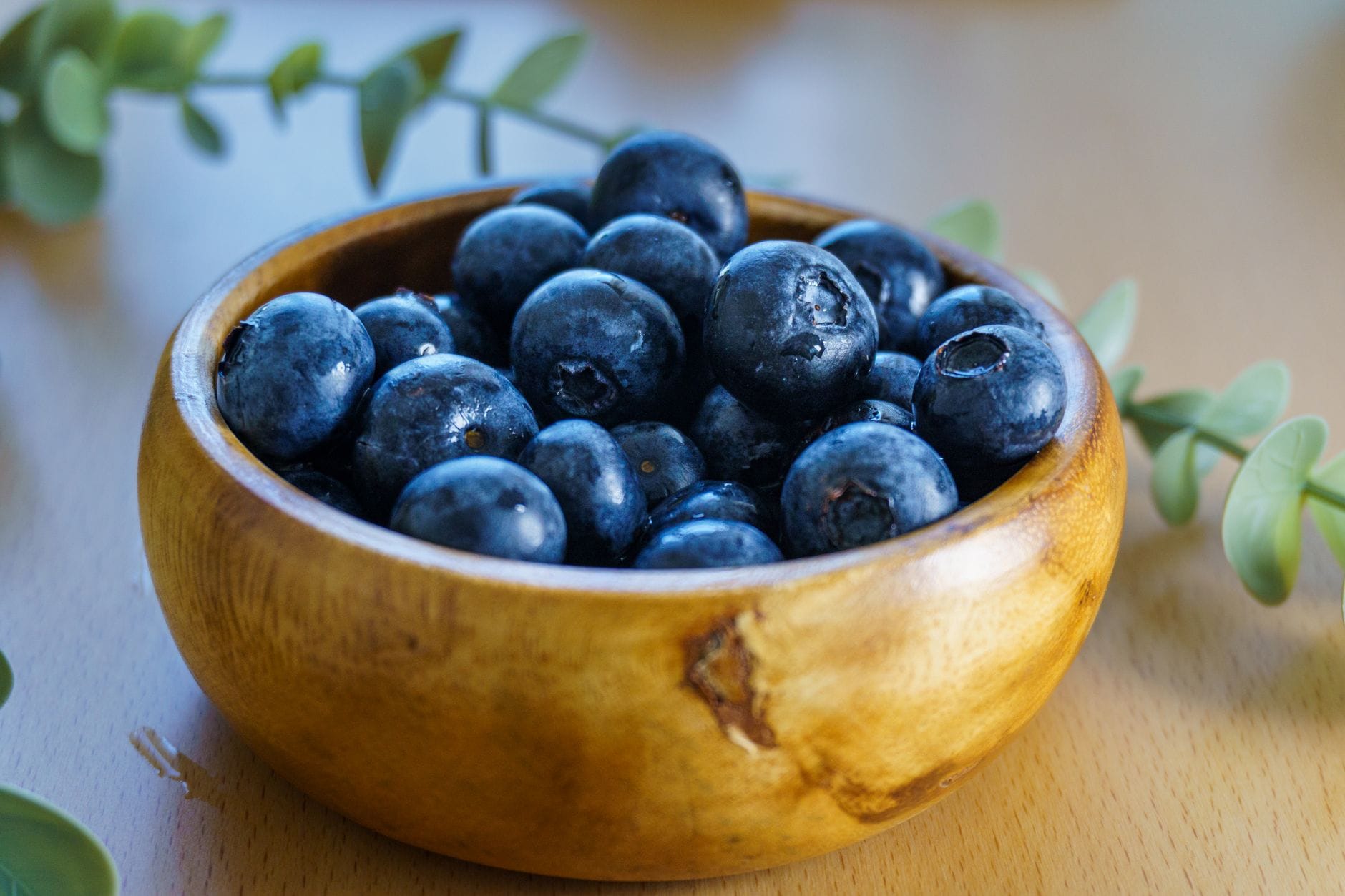
Not a single universal one. Your provider may tailor a plan to how severe your condition is, and that personalized approach usually works better than any generic list. Still, certain foods tend to be friendlier to a recovering pancreas, blueberries among them, while high-fat and heavily processed choices are best kept off the plate.
Frequently Asked Questions
Can mild pancreatitis clear up on its own at home?
Sometimes, with rest, fasting, hydration, and low-fat meals, mild cases improve. But you shouldn’t assume that on your own. A doctor needs to confirm the diagnosis and rule out anything more serious first.
How long should I avoid food during a flare?
That varies from a few hours to a few days, depending on your case, and it’s a call your healthcare provider makes. Keep taking in fluids the whole time to stay hydrated.
Does drinking a little alcohol still count as a risk?
For pancreatitis, the safest choice is stopping alcohol completely. Even smaller amounts can provoke inflammation in a pancreas that’s already vulnerable.
The Bottom Line
Pancreatitis is your pancreas asking for relief, and much of the response comes down to steady, unglamorous habits: rest the organ, drink fluids, keep meals small and low in fat, drop alcohol and cigarettes, and work toward a healthy weight. Glutamine may offer extra support, though the science is still catching up. Home care has a real role in mild, recurring cases, but it never replaces a proper diagnosis. If the pain is severe or won’t let up, skip the guesswork and get medical help.
This article is for informational purposes only and is not a substitute for professional medical advice, diagnosis, or treatment. Always consult a qualified healthcare provider about any questions regarding a medical condition.