

A practical, evidence-based look at how everyday eating choices may help quiet the inflammation behind psoriasis.
Psoriasis has a reputation for being stubborn—there’s no cure, and flare-ups can feel unpredictable. Yet what lands on your plate is one of the few levers you can actually pull. While food alone won’t resolve the condition, research suggests that an anti-inflammatory way of eating may help dial down the internal triggers that drive symptoms.
Diet is only one piece of the wellness picture, alongside sleep, movement, and stress management. But because psoriasis is rooted in inflammation, a nutrient-dense, antioxidant-rich diet gives you a genuine, hands-on way to support your skin. Below, we break down which foods may help, which ones may provoke flare-ups, and how to put it all into a workable plan.
Key Takeaways
– Diet won’t cure psoriasis, but it can play a meaningful role in managing symptoms.
– Antioxidant- and omega-3-rich foods—leafy greens, berries, fatty fish, nuts, and seeds—may help reduce inflammation.
– Common dietary triggers include red meat, alcohol, refined sugar, dairy, eggs, and highly processed foods.
– Triggers vary from person to person, so a food diary is one of the most useful tools you have.
– Always coordinate dietary changes with your doctor or a registered dietitian, especially if you have other health conditions.
What Psoriasis Actually Is
Psoriasis is a chronic autoimmune condition that throws the skin’s normal renewal cycle into overdrive. Instead of shedding gradually, skin cells pile up far too quickly, producing the thick, scaly, often itchy patches the condition is known for. These silvery plaques tend to appear on the elbows, knees, hands, face, and scalp.
Unlike dandruff, which produces light, loose flakes, scalp psoriasis creates thicker, more visible scaling that can cover larger areas. There are several types of psoriasis, varying by appearance and where they show up on the body.
Researchers haven’t pinned down a single cause, but decades of observation point to a mix of genetic and environmental factors. A family history raises your risk, and the condition is often described as an autoimmune misfire, where white blood cells mistakenly target healthy skin cells.
Psoriasis affects roughly 2% of the U.S. population, with rates that differ widely around the world—higher in places like the Faroe Islands and lower among some populations. It can appear at any age but tends to peak twice: once around 15–20 years and again around 55–60. Alcohol, smoking, skin injuries, and certain medications can all worsen flare-ups.
Can Diet Really Make a Difference?
Yes—within limits. Psoriasis frequently travels with other inflammatory conditions, including psoriatic arthritis, inflammatory bowel disease, obesity, and diabetes. Because inflammation links them all, the foods that stoke or soothe inflammation matter.
Studies indicate that items like alcohol, simple sugars, and saturated fats may fuel inflammation by triggering reactive oxygen species and related pathways. On the flip side, diets high in fiber and nutrients tend to support a calmer baseline. Janay Brazier, a blogger living with psoriasis, has noted that her skin feels noticeably better after meals heavy in vegetables and fish—and when she’s consistently well-hydrated.
The takeaway: unbalanced eating, excess fat, and low fiber may aggravate symptoms, while a thoughtful, whole-food approach may ease them. Because severity and other health conditions differ from person to person, it’s worth partnering with your doctor and a nutritionist to tailor the right plan.
How Inflammation Is Measured
 Save
SaveIf inflammation drives psoriasis, it helps to know how it’s tracked. Doctors rely on biomarkers—substances in the blood that shift when the body reacts to certain triggers.
An enzyme-linked immunosorbent assay (ELISA) can measure inflammatory molecules such as C-reactive protein, soluble intracellular adhesion molecule-1, and serum amyloid.
Fibrinogen and ESR (erythrocyte sedimentation rate) blood tests can flag inflammation as well.
People with psoriasis often show elevated levels of proinflammatory cytokines, and C-reactive protein (CRP) testing helps gauge how active that inflammation is.
Monitoring these markers alongside your diet—ideally with a registered dietitian—can help you see what’s actually working.
Anti-Inflammatory Foods to Eat
 Save
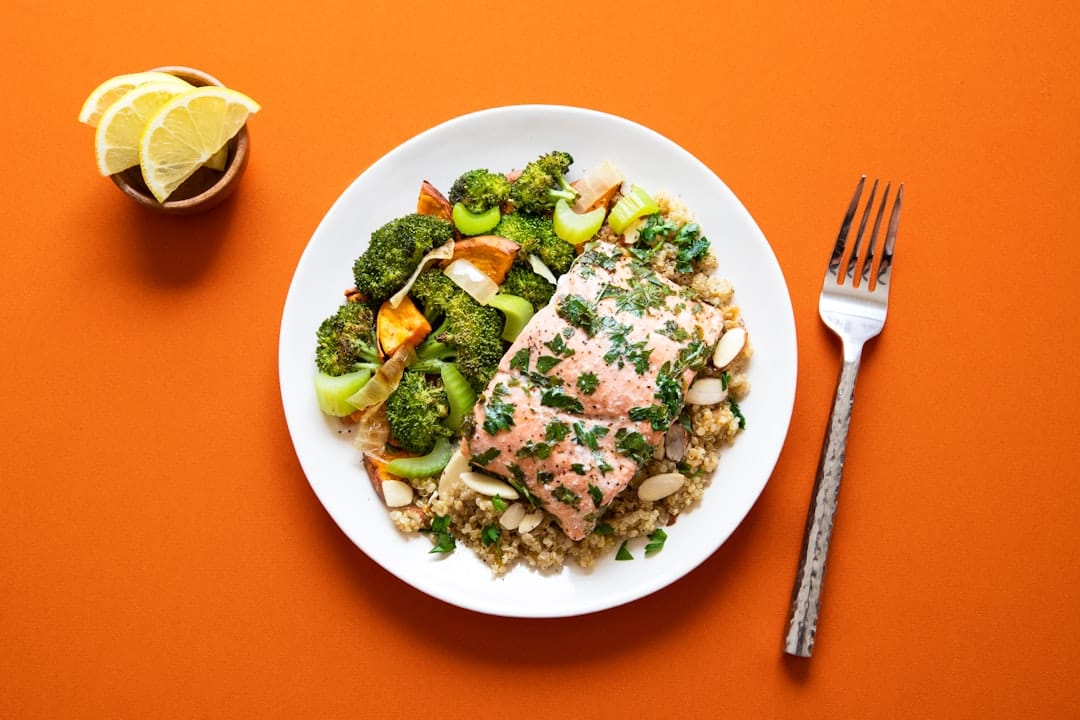
SaveBuild your plate around foods rich in omega-3 fats, antioxidants, and fiber. Helpful choices include:
Fruits and vegetables: grapes, berries, leafy greens, and broccoli
Healthy oils: flaxseed, coconut, and olive oil
Fatty fish: salmon, cod, and sardines
Whole grains
Lean protein
Legumes: lentils and beans
These foods supply the nutrients and antioxidants that may help counter the oxidative stress tied to flare-ups.
Foods Worth Limiting
 Save
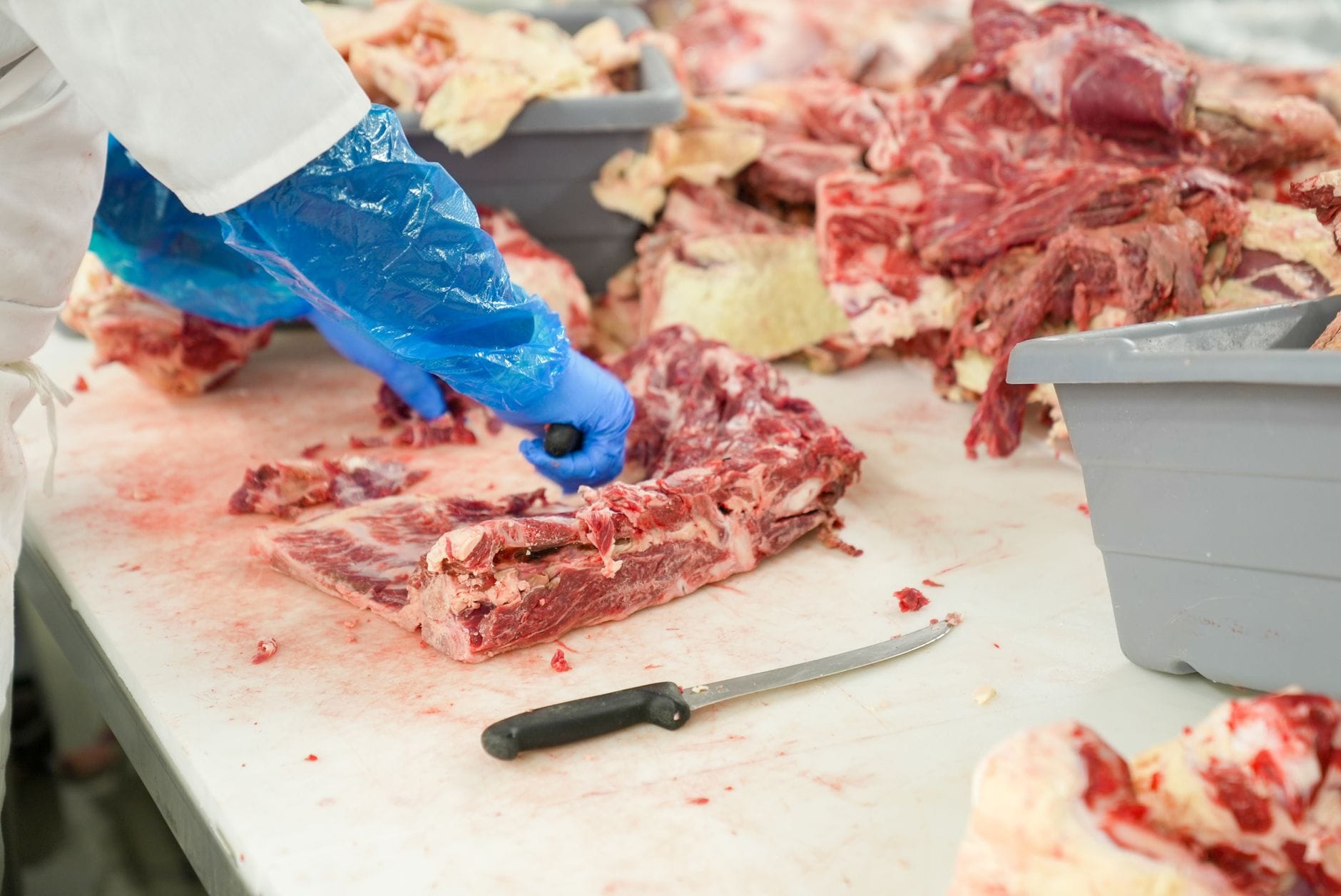
SaveCertain foods are more likely to provoke inflammation. Many people with psoriasis find it helpful to cut back on:
Red meat, such as beef and bacon
Alcohol
Refined or simple sugar
Dairy products
Highly processed foods
Eggs
Barley and malt
Pasta and noodles
Wheat and its derivatives
Nightshades like eggplant, tomatoes, and potatoes
Paprika and hot sauces
Remember that triggers are individual. Keeping a food diary helps you connect specific foods to specific flares, so you’re not guessing.
Putting It Into a Daily Plan
 Save
SaveA psoriasis-friendly day might look like a breakfast of Brussels sprouts with green tea, or lean turkey or chicken sausage. Lunch or dinner could center on brown rice with steamed fish, vegetables, and a salad dressed with olive oil—or a protein-forward dish built around cod, salmon, turkey, chicken, or chickpeas.
Some structured approaches may also help. A gluten-free diet has shown promise for certain people with psoriasis, particularly those sensitive to gluten. As always, test changes gradually and check in with your healthcare team before committing long-term.
Frequently Asked Questions
Is there a single best diet for psoriasis?
No. Because triggers vary, there’s no one-size-fits-all plan. The most reliable strategy is an anti-inflammatory, whole-food diet customized with help from your doctor or dietitian.
Should I go gluten-free?
Possibly, but not automatically. Some people—especially those with gluten sensitivity—report improvement, while others notice little change. A food diary and professional guidance can clarify whether gluten is a trigger for you.
Who should be cautious with these dietary changes?
People taking the blood thinner warfarin, as well as those who are pregnant or breastfeeding, should speak with a doctor before making big changes, particularly around omega-3 intake.
The Bottom Line
Psoriasis can’t be cured, but it can be managed—and your diet is a meaningful part of that effort. Leaning into omega-3s, antioxidants, and fiber while pulling back on alcohol, refined sugar, red meat, and processed foods may help calm the inflammation behind flare-ups. Keep a food diary to learn your personal triggers, stay well-hydrated, and treat eating as one supportive habit among many. Most importantly, work with your healthcare team so your plan fits your body, your symptoms, and any other conditions you’re managing.
This article is for informational purposes only and is not a substitute for professional medical advice, diagnosis, or treatment. Always consult a qualified healthcare provider before making changes to your diet or treatment plan.