

A beloved spring vegetable with a nutrient-dense reputation and a few quirks worth knowing before you fill your plate.
Asparagus earns its place on the healthy-eating shortlist. It’s low in calories, loaded with fiber, antioxidants, vitamins, and minerals, and it turns up in weight-loss menus and detox-focused meals for good reason. Still, no food is all upside. Eaten in large amounts, or by the wrong person at the wrong time, asparagus can bring on some genuinely uncomfortable effects.
None of this means you should skip it. Most people can enjoy asparagus a few times a week with zero trouble. The point is to know where the edges are, so a healthy habit doesn’t tip into an unpleasant surprise.
Key Takeaways
– Asparagus is a natural diuretic, so heavy intake can leave you dehydrated and dry-mouthed.
– Its fiber and complex sugars can trigger gas, bloating, and, in excess, constipation.
– Allergic reactions do happen, ranging from hives and a runny nose to, rarely, severe responses.
– People with edema, heart or kidney issues, or those on blood pressure medication should check with a doctor first.
– There isn’t solid evidence that medicinal amounts are safe during pregnancy or breastfeeding.
The Diuretic Effect and Dehydration
 Save
The asparagus stalk acts as a mild diuretic, nudging your kidneys to produce more urine. In small quantities that’s harmless, and some people even value it. Pile on the portions, though, and you’re flushing out fluid faster than you replace it. The classic sign is a dry, sticky mouth, an early flag that your hydration is dipping. If you eat a lot of asparagus, drink water alongside it and pay attention to how thirsty you feel afterward.
Gas, Bloating, and Constipation
 Save
Here’s where most everyday complaints land, and it comes down to two things: fiber and hard-to-digest sugars.
A 100-gram serving delivers roughly 2 grams of fiber, about 8% of the daily target. Fiber is great for you, but too much of it too fast pulls moisture from the stool and can harden it. The result can be cramping, discomfort, and constipation rather than the smooth digestion you were hoping for.
Then there’s the gassy side. Asparagus is rich in raffinose, a complex carbohydrate built from three sugars our bodies lack the enzyme to break down. Instead of being digested, it gets fermented by gut bacteria, and fermentation produces gas. The vegetable also contains fructans, another carbohydrate that some people struggle to process. For anyone sensitive to them, fructans can bring bloating, belching, distension, and irregular bowel movements. Passing gas is normal, most of us do it around a dozen times a day, but a big plate of asparagus can push that number up noticeably.
The fix is simple: moderate portions, and cooking it well, which tends to be gentler on the gut than raw spears.
Why Your Urine Smells Afterward
This one is famous and completely harmless. Asparagus contains asparagusic acid, which the body breaks down into sulfur compounds. Those compounds give urine a distinct, pungent odor not long after a meal. Whether you notice it at all is partly genetic. Some people produce the smell and can’t detect it, others don’t produce much of it, so if this has never happened to you, that’s normal too.
Allergies Are More Common Than You’d Think
Asparagus allergy is real, and it isn’t limited to eating the vegetable. Reactions can range from mildly annoying to serious:
Itchy, red, watery eyes (allergic conjunctivitis)
Runny or blocked nose and a dry cough
Itchy throat
Hives, skin rashes, redness, and itching
Nausea, dizziness, lightheadedness, or headache
Difficulty breathing, in the most serious cases
One study of 27 people with asparagus allergy found that some reacted through the skin, others through the immune system, and a few through both. Notably, 10 developed hives just from handling the raw vegetable, 8 had asthma triggered by it, and a small number had severe, life-threatening reactions after eating it. Researchers traced the worst cases to specific proteins in the plant. If you notice swelling, breathing trouble, or a spreading rash after contact or a meal, treat it seriously and seek care.
Who Should Be Extra Careful
A few groups have real reasons to slow down.
Edema, heart, or kidney conditions
If you have swelling (edema) linked to kidney trouble, cardiac problems, or poor heart function, that diuretic quality stops being a perk. Increasing urine output can throw off your electrolyte and fluid balance and potentially worsen the underlying condition. This is a conversation to have with your healthcare provider before making asparagus a staple.
People on blood pressure medication
 Save
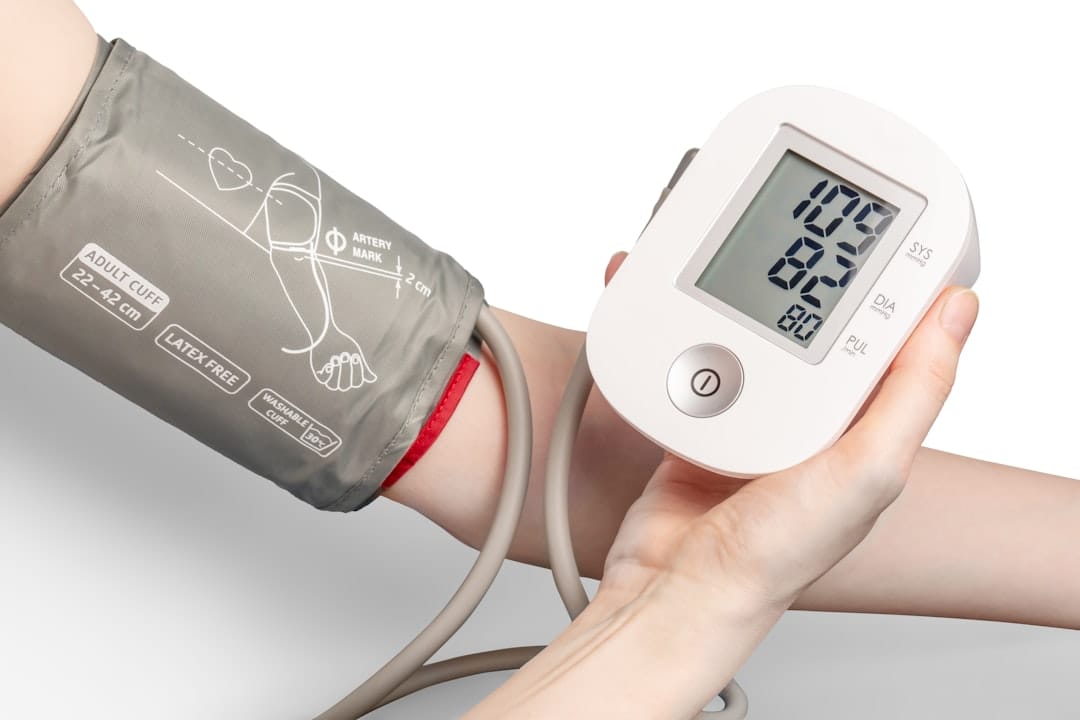
Asparagus can help lower blood pressure, which sounds ideal until you’re already taking anti-hypertensive drugs. Combining the two could, based on anecdotal reports, drop your blood pressure further than intended. If you’re managing hypertension with medication, mention your asparagus intake to your doctor rather than assuming more is better.
Unexpected weight loss
Because of the water it flushes out, overdoing asparagus can nudge the scale down. That drop is mostly fluid, not fat, and chasing it invites dehydration rather than real progress. Keep portions sensible instead of leaning on it as a shortcut.
Pregnancy and breastfeeding
This part is less settled, but the caution is worth respecting. There’s no solid evidence that asparagus is safe in medicinal amounts during pregnancy or nursing, and extracts have even been studied for their effect on fertility hormones. In animal research, aqueous extracts from the leaves and roots of one asparagus species prevented implantation in the majority of cases and increased uterine contractions. That doesn’t translate directly to a dinner-plate serving of the vegetable, but it’s enough reason to check with your doctor before using concentrated forms while pregnant or breastfeeding.
How to Choose and Prepare Asparagus
 Save
Good asparagus starts at the store. Look for firm, straight stalks with tightly closed, compact tips and a vivid green (or purple) color. Avoid spears that look dried out, wrinkled, or limp, and skip any with mushy or opening tips.
Once home, trim the woody ends, rinse well, and cook it through rather than eating it raw if you’re prone to gas. Steaming, roasting, and grilling all work, and thorough cooking softens the fibers that give sensitive stomachs trouble. Store unwashed spears upright in a little water in the fridge, or wrapped in a damp cloth, and use them within a few days for the best flavor and texture.
Frequently Asked Questions
Does asparagus cause gas in everyone?
Not necessarily, but it’s common. The raffinose and fructans in asparagus ferment in the gut, which produces gas. People who tolerate other high-fiber vegetables well often handle asparagus fine in modest amounts.
Is the smelly urine dangerous?
No. It’s caused by harmless sulfur compounds from asparagusic acid and fades on its own. Whether you notice it comes down to genetics.
How much asparagus is too much?
There’s no single number, but a normal side-dish portion a few times a week is fine for most people. Trouble usually shows up when someone overindulges, especially those who are dehydrated, sensitive to fructans, or in one of the higher-risk groups.
The Bottom Line
Asparagus deserves its healthy reputation, and for most people the only side effect they’ll ever notice is a whiff in the bathroom. The issues that matter, dehydration, digestive upset, allergies, medication interactions, and the pregnancy question, tend to appear with large amounts or in specific circumstances. Eat it in reasonable portions, cook it well, drink enough water, and loop in your doctor if you have heart, kidney, or blood pressure concerns or are expecting. Do that, and this spring vegetable stays firmly on the good-for-you list.
This article is for general informational purposes only and is not a substitute for professional medical advice. Talk to a qualified healthcare provider before making significant changes to your diet, especially if you have an existing health condition, take medication, or are pregnant or breastfeeding.