
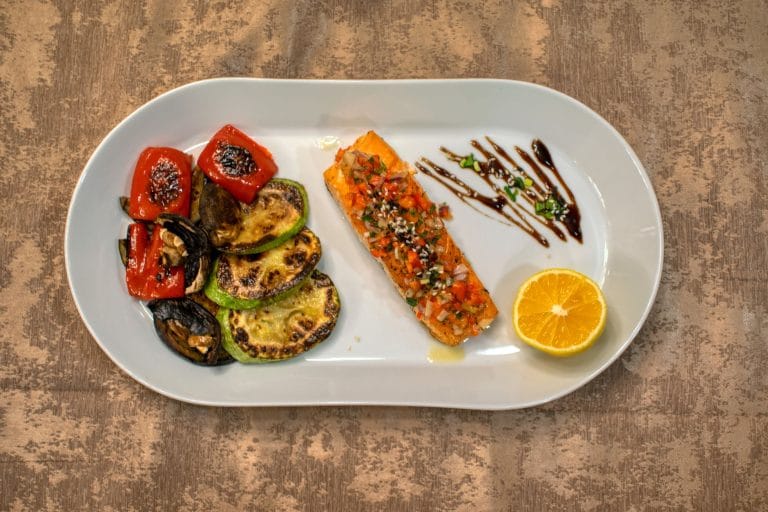
A cardiologist-designed eating plan that swaps “bad” carbs and fats for smarter choices — one manageable phase at a time.
If you have been searching for a way to lose weight that feels realistic rather than punishing, the South Beach diet deserves a closer look. This eating plan has held its place in the nutrition conversation for decades, largely because it focuses on the quality of carbohydrates and fats rather than simply cutting calories. Below, we walk through how it works, what each phase involves, and who might want to think twice before starting.
Key Takeaways
– The South Beach diet is a low-carb, high-protein plan built around lean proteins, healthy fats, and complex carbohydrates.
– It unfolds in three phases, moving from strict to flexible so the changes become lasting habits rather than a short-term fix.
– By favoring low-glycemic carbs and cutting refined grains, added sugar, and saturated fat, it may support blood sugar control and heart health.
– Snacks and balanced meals are built in to help manage hunger and prevent overeating.
– It isn’t right for everyone — those with eating disorders, strict dietary needs, or certain medical conditions should steer clear or consult a professional first.
What Is The South Beach Diet?
The South Beach diet was created in the mid-1990s by cardiologist Dr. Arthur Agatston. His original aim was to help patients lower their risk of heart disease, but the plan quickly became famous for a different reason: people were losing weight on it.
At its heart, the diet is about choosing the right carbs and the right fats. It encourages “good carbs” from whole grains, fruits, and vegetables, alongside “good fats” found in lean meats, olive oil, and canola oil. In turn, it steers you away from “bad carbs” like white bread and sugar and “bad fats” like butter and full-fat cheese. Rather than asking you to do all of this overnight, the plan spreads the transition across three stages for better staying power.
How Does The South Beach Diet Work?
The diet’s central strategy is managing hunger through structure. Meals are organized into three distinct phases, each one designed not only to encourage weight loss but also to ease you into a healthier long-term way of eating.
The phased design is deliberately motivating. Early, visible results in the first stage build confidence, and that momentum helps carry the new habits forward as the rules gradually relax.
The Three Phases Of The South Beach Diet
 Save
SavePhase 1: The Reset (2 Weeks)
 Save
SaveThe opening phase lasts about two weeks and is the strictest. Its goal is to quiet cravings for sugary foods and stabilize blood sugar, which sets the stage for rapid initial weight loss.
During this stretch, you focus on lean meats, poultry, seafood, tofu, eggs, reduced-fat cheese, nuts, beans, and non-starchy vegetables. You eat three balanced meals a day — desserts and snacks included — with snacks specifically encouraged to keep overeating at bay. Off the menu for now: bread, rice, potatoes, pasta, baked goods, fruit, and alcohol. By removing these starches and sugars, the body is nudged toward burning fat while cravings settle down.
Phase 2: Steady Progress
Phase 2 continues until you reach your target weight. Here, “good” carbohydrates are welcomed back gradually — the typical approach is to add one carb serving to a single meal per week and watch how your body responds. Suitable choices include fruits, some whole-grain products, extra vegetables, brown rice, and the occasional treat.
Weight loss during this phase tends to be a steady one to two pounds per week. As you reintroduce carbs, it helps to keep an eye on your energy, mood, sleep, skin, and digestion. If something feels off or progress stalls, you can dip back into Phase 1 temporarily to regain control before easing forward again. This flexibility is what makes the plan sustainable.
Phase 3: Maintenance For Life
The final phase is ongoing and is less a “diet” than a lifestyle. The emphasis shifts to making informed food choices, experimenting with new recipes and ingredients, and enjoying a balanced diet with all foods in moderation. The aim is to hold your target weight and prioritize long-term health. Should old cravings resurface or a few pounds creep back, you always have the option to revisit Phase 1 to tighten up or Phase 2 to satisfy cravings sensibly.
How To Get Started On The South Beach Diet
 Save
SaveA little preparation goes a long way. These practical steps can help you begin on solid footing:
Stock your kitchen. Fill your pantry and fridge with compliant ingredients and clear out foods that don’t fit the plan, so cravings have less to work with.
Log your meals. A simple food journal helps you spot which foods leave you satisfied and which trigger overeating.
Build an exercise routine. Choose activities you genuinely enjoy, and don’t be afraid to mix things up to stay engaged.
Read ingredient lists. Get into the habit of scanning labels while shopping so your choices align with the plan.
Watch portion sizes. Being mindful of how much you eat keeps healthy habits on track.
Remember, this is a lifestyle shift rather than a quick fix. Cravings and social situations will test you, so plan meals in advance, lean on friends or online communities for support, and keep your long-term goals front of mind. Finding satisfying alternatives to your favorite indulgences makes the whole adjustment far smoother.
South Beach Diet Sample Menu
 Save
SaveHere’s how a day might look, with options drawn from each phase.
Breakfast
Phase 1: Two scrambled eggs with spinach and smoked salmon.
Phase 2: A slice of pita with two eggs, spinach, and a little feta.
Phase 3: Mini crustless quiches with whole-grain toast, a cup of berries, and black coffee or tea.
Lunch
Phase 1: A vegetable salad with grilled scallops and iced tea.
Phase 2: A green salad with curried turkey.
Phase 3: Green salad with salmon or chicken, dressed in olive oil and vinegar.
Dinner
Phase 1: Grilled tuna with grilled vegetables and a side salad.
Phase 2: Louisiana-style shrimp and rice with baked tomatoes.
Phase 3: Roasted vegetables such as zucchini alongside a lean protein.
Frequently Asked Questions
Is the South Beach diet safe and sustainable?
For many healthy adults it can be, thanks to its phased, gradually loosening structure that builds lasting habits. That said, it isn’t suitable for people with eating disorders, serious underlying conditions, or specific dietary restrictions. Check with a healthcare provider before starting.
How is the South Beach diet different from keto?
Both limit carbs, but the South Beach diet reintroduces “good” carbohydrates over time and emphasizes healthy fats and lean protein, whereas keto keeps carbs very low continuously to maintain ketosis. South Beach is generally more flexible in the long run.
Can vegetarians and vegans follow it?
It can be challenging. The plan leans heavily on animal proteins and seafood, especially in Phase 1, so those following plant-based diets may find it difficult to meet protein needs within the rules.
The Bottom Line
The South Beach diet offers a structured yet flexible path to weight loss, built around better carbs, healthier fats, and lean protein. Its three-phase design aims to deliver early motivation, steady progress, and, ultimately, a sustainable way of eating. By trimming refined grains, added sugar, and saturated fat, it may also benefit blood sugar and heart health. Still, it asks for genuine commitment and isn’t the right fit for everyone — so weigh your own needs, and when in doubt, seek professional guidance before diving in.
This article is for informational purposes only and is not a substitute for professional medical advice, diagnosis, or treatment. Always consult a qualified healthcare provider before starting any new diet or making changes to your eating plan, especially if you have an existing health condition.