

A closer look at what a distilled agave spirit really does inside your body, and where the evidence runs thin.
Tequila has a reputation as party fuel, but the version made from 100% blue agave is a more interesting drink than that. It carries no added sugar, sits at essentially zero on the glycemic index, and traces back to the plant compounds that give agave its character. That doesn’t make it a health tonic. It does mean that if you enjoy a spirit now and then, this one has a few things going for it worth understanding.
The plant at the center of it all is blue agave, grown mostly around Jalisco, Mexico, where tequila has been produced since the 16th century. The heart of the plant, the piña, is harvested, cooked, fermented, and distilled. Because distillation strips out the sugars, the finished spirit lands very differently from a sugary margarita mix or a sweetened hard seltzer.
Key Takeaways
– Tequila made from pure agave has no added sugar and a glycemic index near zero.
– Agavins, a fiber-like compound from agave, may support satiety and appetite regulation in early research.
– The spirit carries prebiotics and trace minerals like phosphorus and potassium.
– Nearly every benefit hinges on moderation, since excess alcohol undoes them.
A Zero-Sugar Spirit With a Low Glycemic Load
Ask “does tequila have sugar?” and the honest answer for a 100% agave bottle is no. Distillation removes the sugars during production, so a plain shot delivers alcohol without the carbohydrate spike you’d get from beer or a sweetened cocktail. That low glycemic profile is the reason tequila keeps coming up in conversations about blood sugar, even though the alcohol itself still matters (more on that below).
Agavins, Appetite, and Weight
 Save
SaveThe compound that makes agave nutritionally intriguing is the agavin, a natural fructose-based fiber. Dietitian Brenda Peralta notes that this fiber can improve satiety, helping you feel fuller and potentially eat less. The animal data is more specific than the claims. A study in Food & Function fed agavins to mice and saw reduced weight gain, lower appetite, and lower triglycerides, alongside a rise in hormones that help regulate hunger. Other research linked agavins to more beneficial butyric acid in the gut.
Two caveats keep this honest. These are mostly mouse studies, and the agavins studied are the pure plant fiber, not what survives in a finished, distilled spirit. Tequila is not a weight-loss drink. The findings point to what agave the plant can do, which is a different question from what your glass delivers.
Blood Sugar and People With Diabetes
Because pure agave tequila contains no carbohydrates and no added sugar, some people with type 2 diabetes find it easier to fit into their plans than a carb-heavy beer or a hard lemonade. Clinical dietitian Mary Wirtz makes exactly that comparison: the absence of added sugars means less impact on blood glucose from the drink itself. Agave has also shown some positive influence on glucose control in research. Still, this is largely anecdotal territory, and alcohol can affect blood sugar in unpredictable ways, so anyone managing diabetes should treat it cautiously and talk to their care team.
Prebiotics for Your Gut
 Save
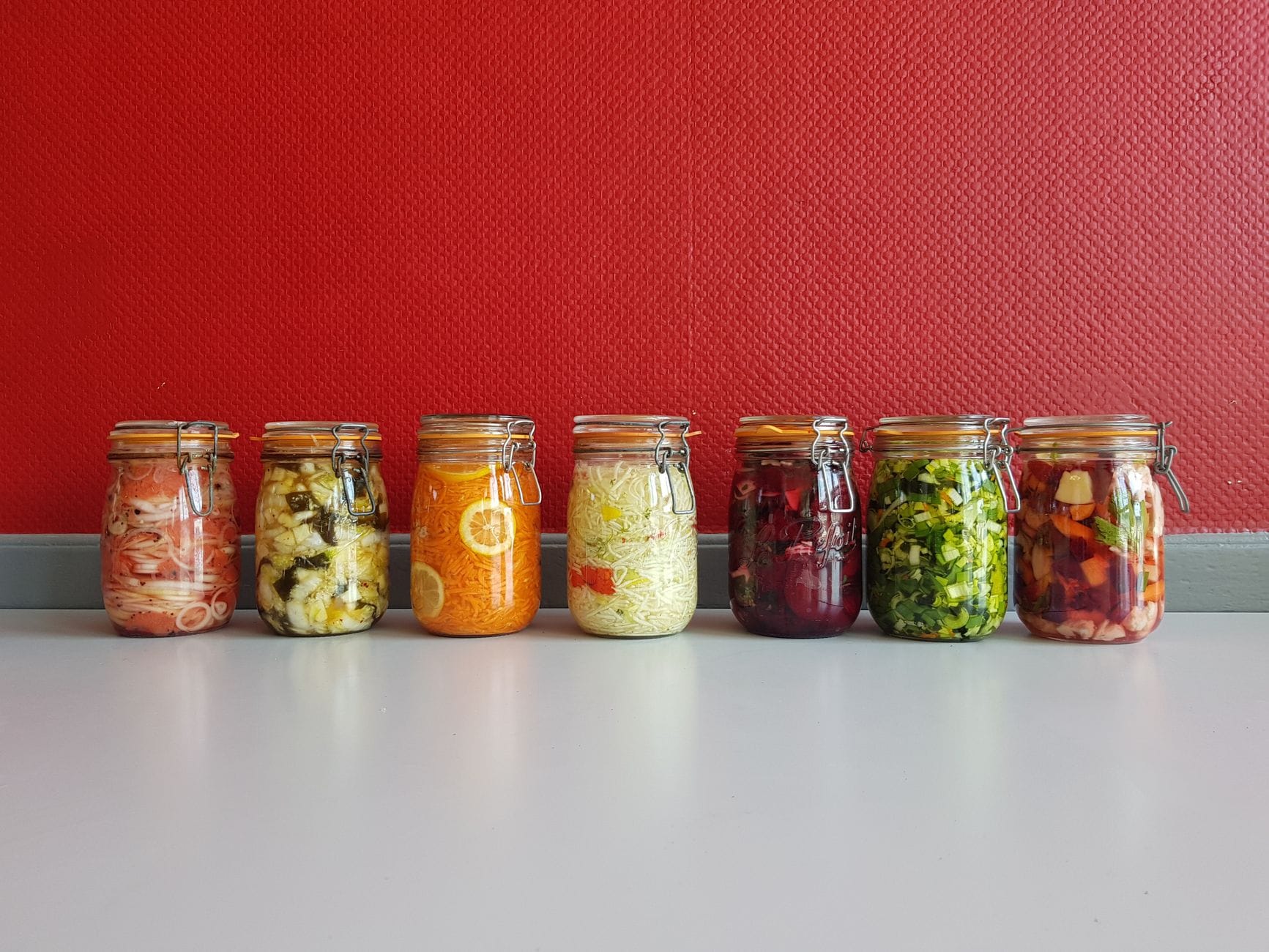
SaveAgave is a source of prebiotics, the non-digestible ingredients that feed the good bacteria already living in your colon. Think of prebiotics as fertilizer and probiotics as the plants that grow from it. By nudging the balance of gut bacteria toward the helpful strains, prebiotics may support the health of your gastrointestinal tract overall. If you like reading about plant compounds that work along these lines, the way licorice root interacts with the gut covers similar ground.
The honest footnote: the prebiotic research on tequila specifically is thin, and excess alcohol is tied to gastrointestinal problems. Moderate intake is the only version of this that makes sense.
Beyond the Gut
Heart Health
Some anecdotal reports suggest tequila may help clear “bad” cholesterol and lower triglycerides, with the agavins possibly playing a role. Be skeptical here. A large body of research links alcohol intake to heart disease, and while those studies don’t single out tequila, they point the other way. If heart-friendly fats are what you’re after, food choices like a good-quality plant oil do far more reliable work than any spirit.
Bone Health
 Save
SaveThe fructans in agave act as prebiotics that can improve mineral absorption, and in one study, mice given agave fructans showed less bone loss and better bone formation. Tequila also supplies a little phosphorus. Research in the Nutrition Journal found that higher phosphorus intake paired with adequate calcium was linked to better bone mineral content and density, and in adults over 20, to a lower risk of osteoporosis. For the mineral side of bone support, whole foods still lead. Sesame seeds and their mineral content are a good example of that on the plate.
Immune and Inflammation Notes
Agave fructans have been shown to stimulate immune cell activity, and agave syrups are rich in antioxidant compounds like tannins, which animal studies tie to better immune function. The agave plant is also used in traditional Mexican medicine for inflammatory conditions, thanks to saponins that show anti-inflammatory properties in lab research. These are early, mostly preclinical signals rather than reasons to drink.
What’s in a Shot of Tequila
 Save
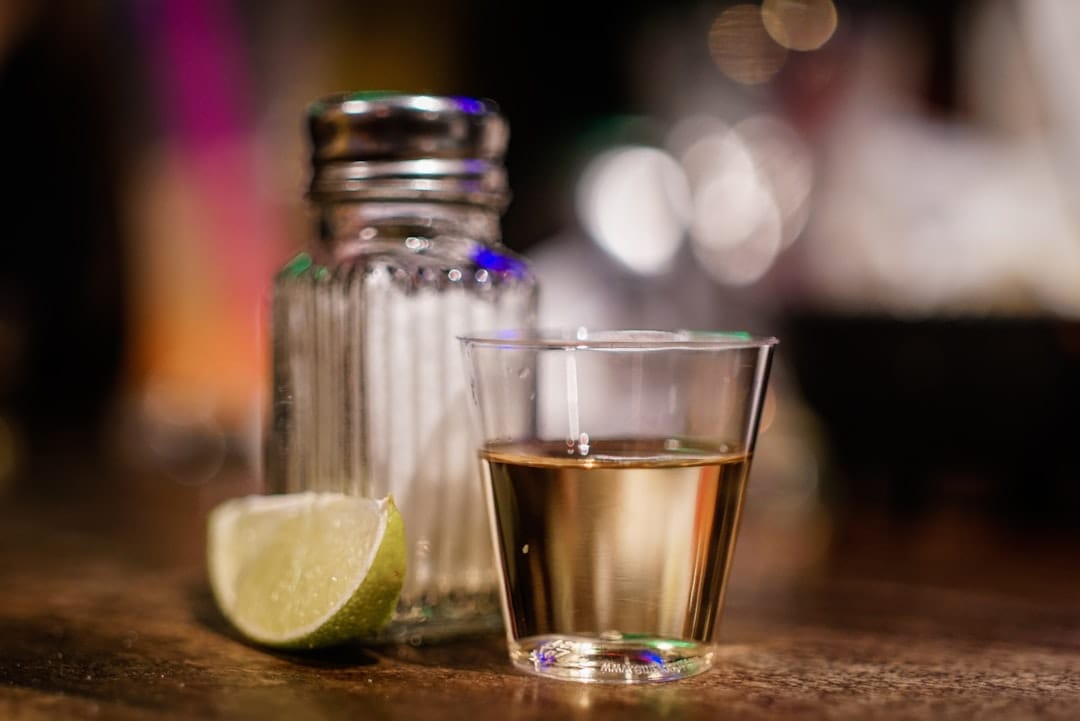
SaveA single shot is low in nutrients but not entirely empty. It carries small amounts of potassium, phosphorus, thiamin, niacin, and riboflavin, with no dietary fiber and no sugar. The agavins come from the agave plant itself. What you won’t find is a meaningful dose of anything, so the nutritional case for tequila is modest and best understood alongside the alcohol it delivers.
Can You Drink It Every Day?
One shot a day is the amount most often floated as reasonable, but “reasonable” isn’t the same as “recommended for everyone.” Alcohol is addictive, and regular intake carries real risks, including anxiety, low mood, raised blood pressure, and disrupted sleep. Interestingly, very small amounts have been linked in some research to better sleep quality, while larger amounts clearly worsen it, so the evidence there is genuinely mixed.
Who Should Be Careful
Anyone who is pregnant, has a history of alcohol dependence, takes medications that interact with alcohol, or lives with high blood pressure, liver issues, or mood disorders should approach tequila with caution or skip it. The line between a modest benefit and a net harm is easy to cross with alcohol, and it moves for each person.
Frequently Asked Questions
Is tequila healthier than other liquors?
Pure 100% agave tequila avoids added sugar and has a very low glycemic load, which can make it a better fit than sweetened drinks. That said, all spirits share the same alcohol-related risks, so “healthier” is relative, not absolute.
Does the agavin fiber survive in the bottle?
Most agavin research uses the isolated plant fiber, not distilled tequila. Distillation removes much of what makes agave nutritionally notable, so don’t expect a shot to act like a fiber supplement.
How much is considered moderate?
Roughly one shot a day is the figure commonly cited, and staying at or below that is where any potential upside lives. Beyond moderation, the risks quickly outweigh the benefits.
The Bottom Line
Tequila made from pure blue agave is a genuinely more thoughtful choice than a sugary cocktail: no added sugar, a near-zero glycemic index, and roots in a plant that supplies prebiotic agavins and trace minerals. But most of the encouraging research studies agave the plant or isolated agavins in animals, not the spirit in your glass, and alcohol carries risks that moderation only partly offsets. Enjoy it occasionally, keep the pour small, and let food do the real nutritional heavy lifting.
This article is for informational purposes only and is not a substitute for professional medical advice. Talk to your doctor or a registered dietitian before making changes to your diet or alcohol intake, especially if you have a health condition or take medication.