
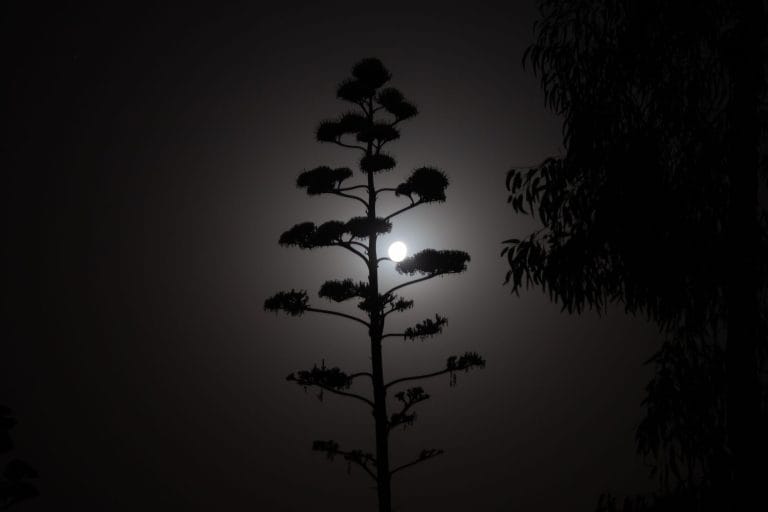
A gentle, step-by-step sequence to soften your body, quiet your mind, and wind down as the day ends.
Most of us know the Sun Salutation (Surya Namaskar) — that brisk, warming flow that wakes the body up. Far fewer have met its quieter sibling, the Moon Salutation (Chandra Namaskar). Where the sun sequence sparks heat and energy, the moon sequence does the opposite: it cools, soothes, and turns you inward. Traditionally practiced in the evening under the soft glow of moonlight, it’s the kind of ritual that feels like exhaling after a demanding day.
If you already know Surya Namaskar, you’ll pick this up quickly — the shapes are familiar, with one signature addition. Below, we’ll look at how the two salutations differ, walk through the full 14-pose sequence, and cover the benefits and beginner tips that help you get the most from the practice.
Key Takeaways
– The Moon Salutation (Chandra Namaskar) is a calming, meditative yoga flow designed to relax rather than energize the body.
– The traditional sequence moves through 14 poses, beginning and ending in Pranamasana (prayer pose).
– Its defining feature is Ardha Chandrasana, added after Ashwa Sanchalanasana — a pose the Sun Salutation skips.
– Regular practice can build strength, improve circulation and digestion, boost flexibility, and balance your energy.
– Move slowly and let the breath lead: inhale to lift or extend, exhale to fold or lower.
Moon Salutation vs. Sun Salutation
Think of these two practices the way you’d think of yin and yang, or the feminine and masculine. The Sun Salutation is all heat, light, and forward drive — perfect for mornings when you want to activate the body. The Moon Salutation is cooling, receptive, and reflective, making it a natural fit for evenings when the moon is out and you’re ready to settle.
A few other differences stand out. Surya Namaskar is the older practice; Chandra Namaskar only emerged in the late 20th century. In the sun flow, you move quickly from pose to pose; in the moon flow, you linger, moving slowly and deliberately. The sun version is also practiced more often overall.
The clearest structural difference is Ardha Chandrasana (Half-Moon Pose), which appears in the moon sequence right after Ashwa Sanchalanasana but has no place in the sun sequence. There’s symbolism baked into the counts, too: the 12 steps of Surya Namaskar echo the 12 zodiac signs, while the 14 poses of Chandra Namaskar mirror the 14 phases of the moon.
The Chandra Namaskar Sequence
 Save
SaveThe full flow moves down through a series of shapes and then retraces its steps back up, forming a mirror image. Here’s the traditional order.
Poses 1 to 8: Moving Into the Flow
 Save
Save1. Pranamasana (Prayer Pose): Stand tall with your feet together and neck long, gazing forward. Bring your palms together at the center of your chest and relax. Tip: If your thighs rub together, take a hip-width stance to ease the lower back.
2. Hasta Uttanasana (Raised Arms Pose): Inhale, sweep your arms overhead shoulder-width apart, keep them straight, and gently arch backward. Tip: If bending back feels awkward, simply keep your arms straight overhead.
3. Uttanasana (Standing Forward Bend): Exhale and fold forward from the hips, letting your head drop toward your knees and your palms rest beside your feet. Tip: With back issues, bend the knees; rest your palms on your ankles if the floor is out of reach.
4. Ashwa Sanchalanasana (Equestrian Pose): Inhale, lunge your left knee forward and stretch your right leg back with toes tucked. Arch back and look up, fingers gripping the floor for balance. Tip: Aim for a 90-degree angle at your front knee.
5. Ardha Chandrasana (Half-Moon Pose): Inhale, sweep your arms overhead, arch backward, lift your chin, and gaze up. This is the pose that gives the sequence its name.
6. Parvatasana (Mountain Pose): Exhale, plant your hands, step your left leg back to meet the right, and lift your hips high into an inverted V. Press your palms down, straighten your legs and back, and breathe. Tip: Soften the knees slightly if it feels tight.
7. Ashtanga Namaskara (Eight-Limbed Pose): Exhale and lower your knees, then your chest and chin to the floor, keeping hips and belly lifted. Palms stay beside your chest. Tip: Lower the knees before the chest and chin.
8. Bhujangasana (Cobra Pose): Inhale, slide your chest forward and up into a gentle backbend. Lengthen the arms without locking them, square the shoulders, and look up while keeping hips and thighs grounded. Tip: Squeeze the buttocks and thighs to protect the lower back.
Poses 9 to 14: Retracing Your Steps
From here, the sequence reverses. 9. Parvatasana — exhale and lift the hips back into Mountain Pose. 10. Ashwa Sanchalanasana — inhale into the lunge again. 11. Ardha Chandrasana — raise the arms and arch back. 12. Uttanasana — rise and fold forward. 13. Hasta Uttanasana — lift the torso and arch back. 14. Pranamasana — stand tall and return to prayer.
Throughout, let your breath set the pace: inhale as you lift or extend, exhale as you fold or lean, and keep every transition slow and smooth.
Benefits of the Moon Salutation
 Save
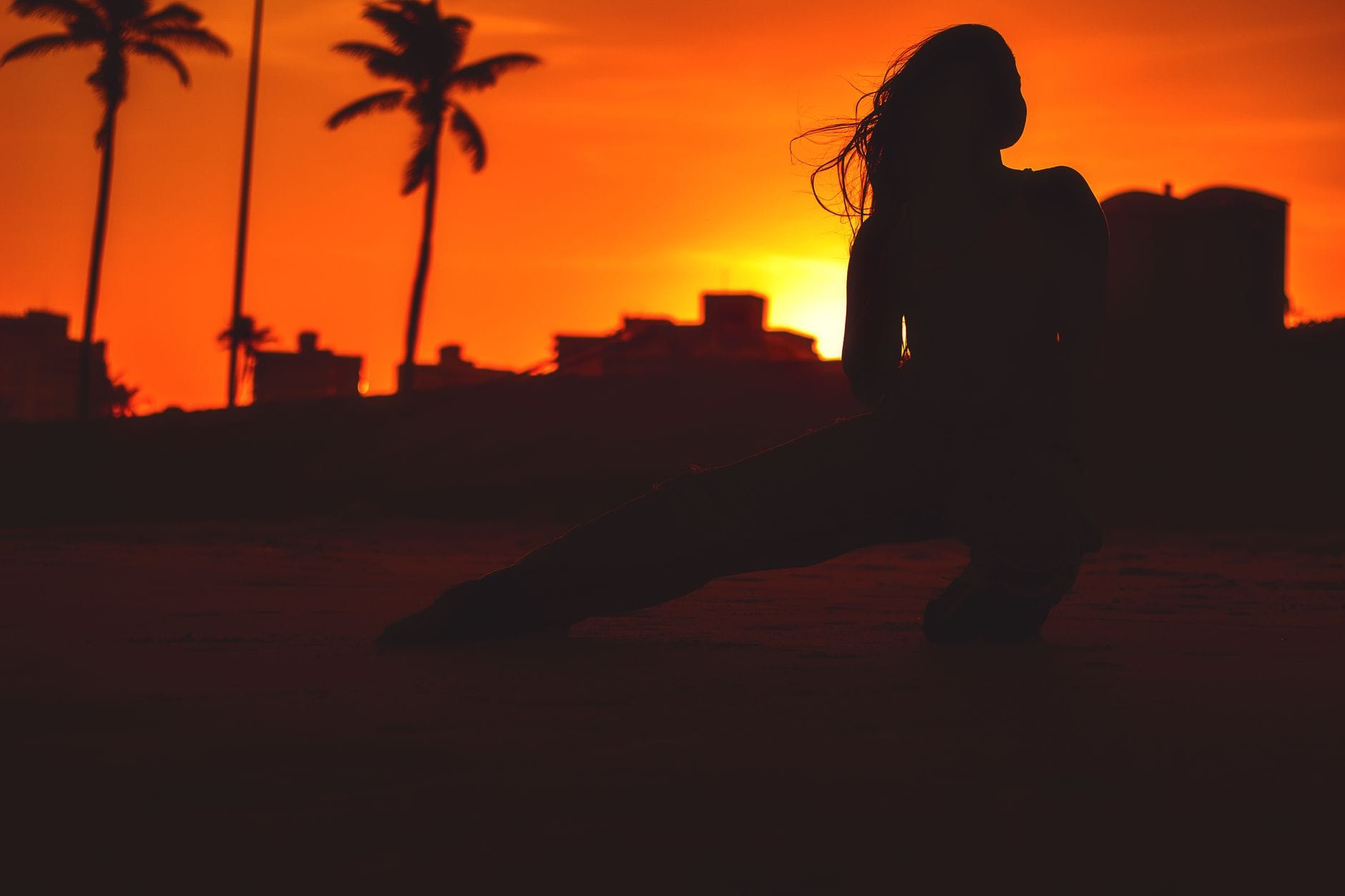
SavePracticed with care, Chandra Namaskar offers a satisfying mix of physical and mental rewards:
Calms the nervous system and soothes feelings of stress or overexcitement.
Channels creative energy and encourages a reflective, focused mind.
Strengthens and stretches the muscles throughout the body.
Balances your energy, helping you avoid burnout and exhaustion.
Supports circulation and digestion through its steady, flowing movement.
Improves flexibility, builds confidence, and can help ease anger.
Tips for Beginners
 Save
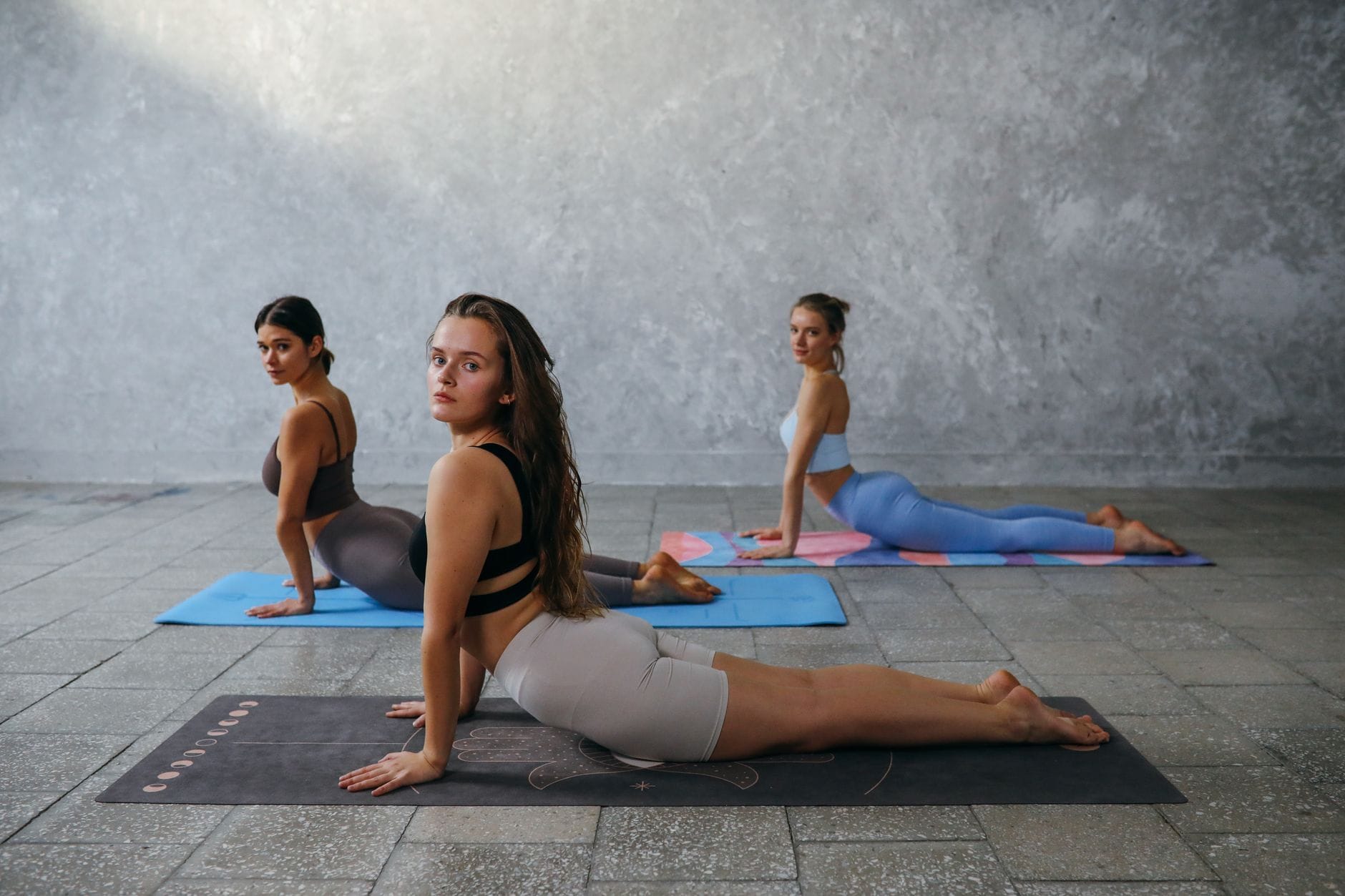
SaveNew to this flow? Keep these pointers in mind so your first sessions feel good and stay safe:
Don’t force anything — aim to feel at ease in each shape rather than pushing to your edge.
Prioritize correct alignment in every pose to avoid strain.
Learn the breathing cues so you inhale and exhale at the right moments.
Warm up before you begin, and finish by resting in Savasana.
Use mindful breathing or affirmations to deepen the sense of calm.
Practice consistently — the benefits build over time.
Skip the sequence if you have a back injury or disc problem.
Frequently Asked Questions
When is the best time to practice the Moon Salutation?
Evening is ideal, especially when the moon is visible. Its cooling, meditative quality makes it a natural way to release the tension of the day and prepare for rest.
How is Chandra Namaskar different from Surya Namaskar?
The Sun Salutation is fast, warming, and energizing with 12 poses; the Moon Salutation is slow, cooling, and calming with 14 poses. The moon flow also includes Ardha Chandrasana, which the sun flow leaves out.
Can beginners do the Moon Salutation?
Yes. Move slowly, respect your limits, and modify poses as needed — bending the knees in forward folds, for example. Just avoid it if you have a back injury, and consider learning under guidance at first.
The Bottom Line
The Moon Salutation is a beautiful counterpart to its energetic sibling — a slow, moonlit ritual that helps you unwind, stretch, and reconnect with a calmer state of mind. Flowing through its 14 poses with steady breath can ease stress, build strength and flexibility, and support better circulation and digestion. Start gently, stay consistent, and let the practice become your evening reset.
This article is for informational purposes only and is not a substitute for professional medical advice. Consult a qualified healthcare provider or certified yoga instructor before beginning any new exercise routine, especially if you have an injury or health condition.
References
1. No external study URLs were provided with the source material; this guide reflects the traditional practice and sequencing of Chandra Namaskar (Moon Salutation).