
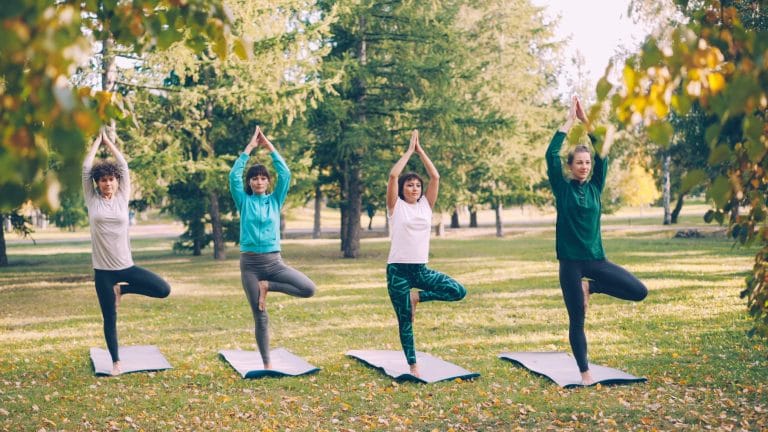
A grounding, one-legged balance that quietly builds strength, steadiness, and focus.
Vrikshasana takes its name from two Sanskrit words — vriksha, meaning tree, and asana, meaning pose or posture (pronounced vrik-SHAHS-anna). The shape mirrors exactly that: a body rooted through one steady leg while the rest of you stays tall, calm, and lightly rooted like a tree that bends without toppling. What sets this posture apart from many others is that your eyes stay open the whole time. That single detail is the secret to holding it, because your gaze is what keeps your body honest and balanced.
Below, we’ll walk through how to practice the tree pose safely, what it can do for your body and mind, and the common pitfalls to sidestep along the way.
Key Takeaways
– Tree pose strengthens the legs, hips, and spine while training balance and stability.
– Holding the posture sharpens concentration, focus, and mental clarity.
– Practiced regularly, it may improve flexibility, ease stress, boost energy flow, and support better posture.
– Always rest the sole of the lifted foot above or below the standing knee — never directly against it.
– As a balancing pose, it also supports the nervous system and overall coordination.
What to Know Before You Begin
Like most yoga, tree pose is best practiced on an empty stomach. Aim for a gap of four to six hours after a meal so your body has finished digesting and your energy is free for movement rather than digestion.
Morning is an especially good time. Because Vrikshasana asks for focus and mindfulness, it pairs naturally with the quiet of an early practice, before the worries of the day crowd your mind. A clear head makes it far easier to find your center.
A quick snapshot of the posture:
Level: Beginner
Style: Hatha Yoga
Repetitions: Hold one minute on each leg; repeat up to five times per side
Strengthens: Ankles, thighs, calves, and the spine
Stretches: Groin, thighs, shoulders, and chest
How to Do the Tree Pose
 Save
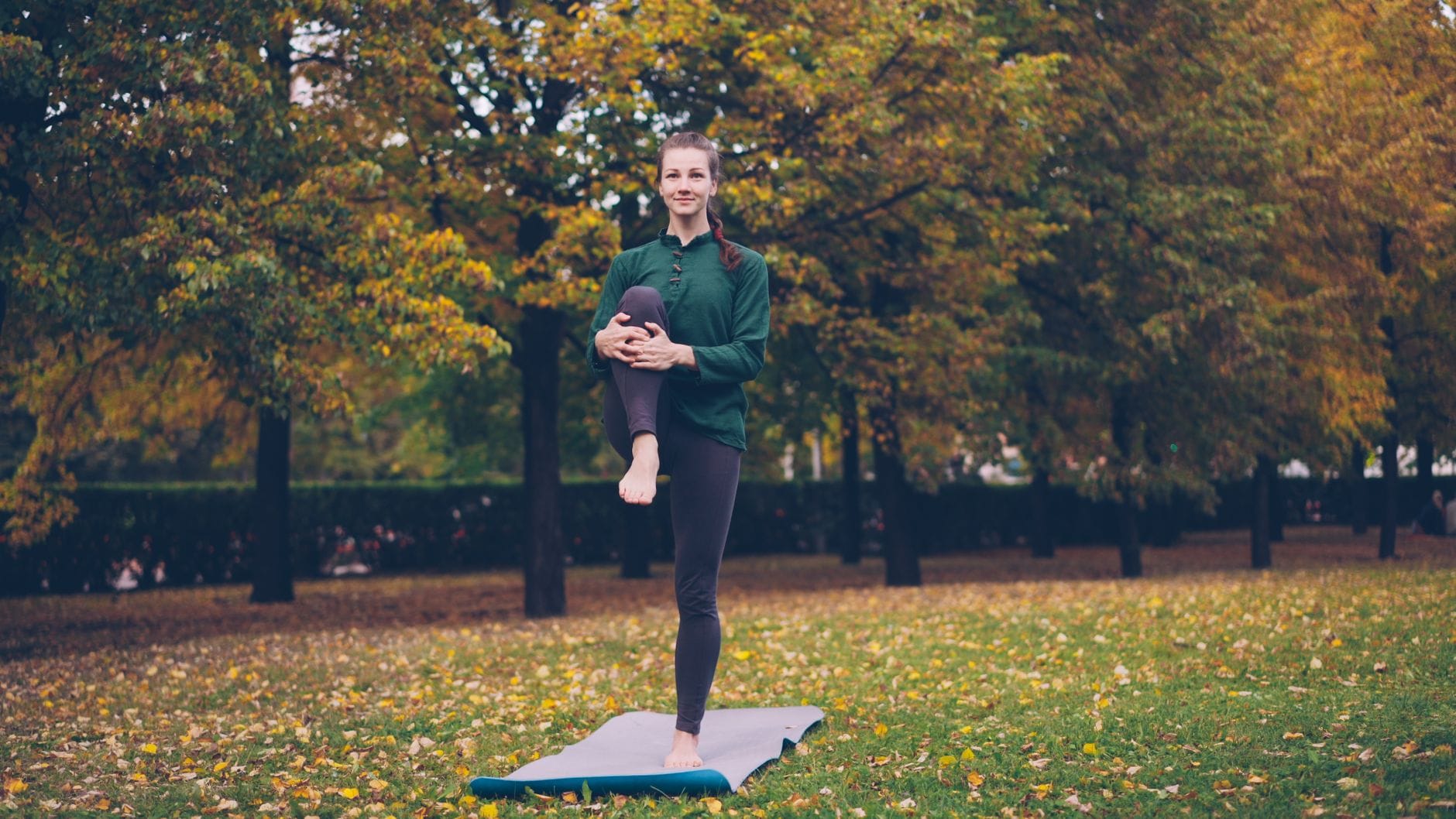
Save1. Stand fully upright with your arms relaxed at your sides.
2. Bend your right knee and draw the right foot up, pressing the sole firmly and flat against the inner left thigh, high toward the root of the thigh.
3. Keep the left leg completely straight. Once settled, breathe steadily and find your balance.
4. Inhale and slowly float your arms overhead, bringing the palms together in namaste (prayer) position.
5. Fix your eyes on a still point in the distance and let your gaze rest there — this steadies the whole pose.
6. Lengthen your spine. Stay firm yet supple, and with every exhale let a little more tension melt away.
7. Lower your arms gently back to your sides and release the right foot to the floor.
8. Return to standing tall as you began, then repeat everything on the left leg.
Benefits of the Tree Pose
Practiced consistently, Vrikshasana offers a surprisingly wide range of rewards:
Stronger spine and better balance, which together support long-term spinal health.
Improved neuromuscular coordination between mind and muscle.
Toned legs, with sturdier ligaments and tendons through the feet.
Stronger knees and looser, more open hip joints.
Strengthened eyes, inner ears, and shoulders, all of which contribute to balance.
Relief for sciatica and support for flat feet.
Greater endurance, patience, and flexibility, along with sharper concentration and mental clarity.
A deepened, more open chest, plus gains in core strength and improved blood circulation.
The Science of Standing Still
 Save
SaveAt heart, Vrikshasana is a balancing posture, and its deepest gifts lie in improving balance and calming the nervous system. Balancing on one leg forces the mind to gather and focus — and in that focus you slip naturally into mindfulness. When the mind drifts, the body wobbles right along with it; stress and mental noise make steadiness nearly impossible. In this way the pose becomes a practical path toward inner quiet.
Balance can also shift day to day. As one practitioner reflected on her one-legged practice, some days the pose feels light and readily available, steady yet firm, while on others — especially around PMS — it becomes a genuine struggle. That ebb and flow is normal and part of the practice.
Physically, while it settles the mind, the posture strengthens joints and bones, opens the hips and chest, loosens the shoulders, and tones the arms — a full-body tune-up wrapped in one quiet shape.
Precautions and Contraindications
Foot placement matters. Rest the lifted sole above or, if needed, below the standing knee — never directly beside it. Pressing against the knee strains a joint that doesn’t flex sideways.
High blood pressure? Skip holding the arms overhead for long stretches. Instead, keep the hands together at the chest in anjali mudra.
Insomnia or migraine? It’s best to avoid this pose.
Possible Drawbacks
Loss of balance. Standing on one leg naturally invites wobbles, which can lead to a fall. Practice near a chair or wall until you feel secure.
Joint strain. Poor alignment can stress the knee and ankle. Keep the foot above or below the knee, and avoid arching your lower back.
Tips for Beginners
 Save
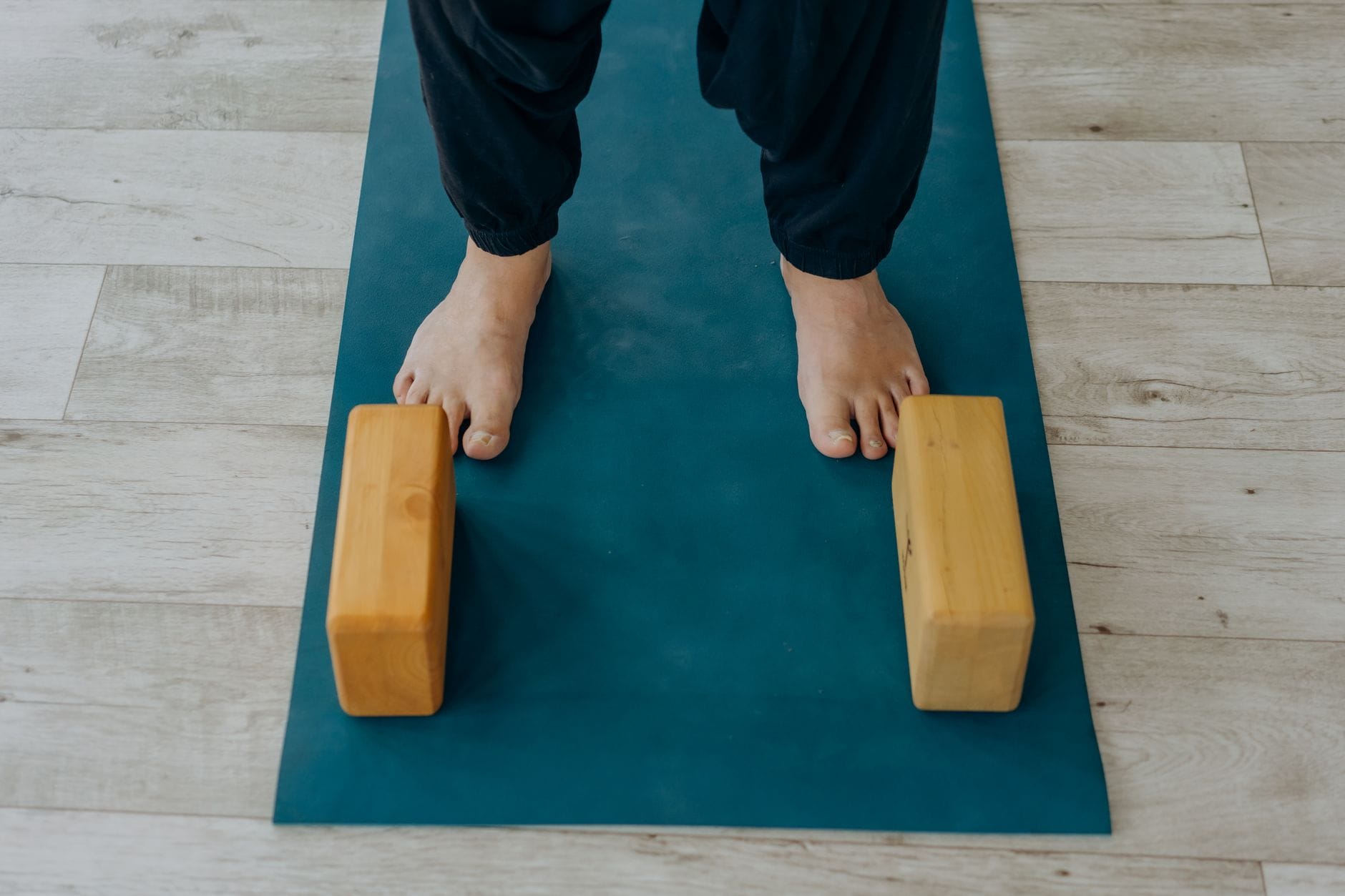
SaveIf lifting your foot all the way to the inner thigh feels out of reach, place it lower on the calf instead — just never on the knee itself. Struggling to stay steady? Rest a hand on a wall for support while you build confidence. Taking several slow, deep breaths before you begin, and locking your gaze on a fixed point in front of you, does wonders for both balance and concentration.
Common Mistakes to Avoid
 Save
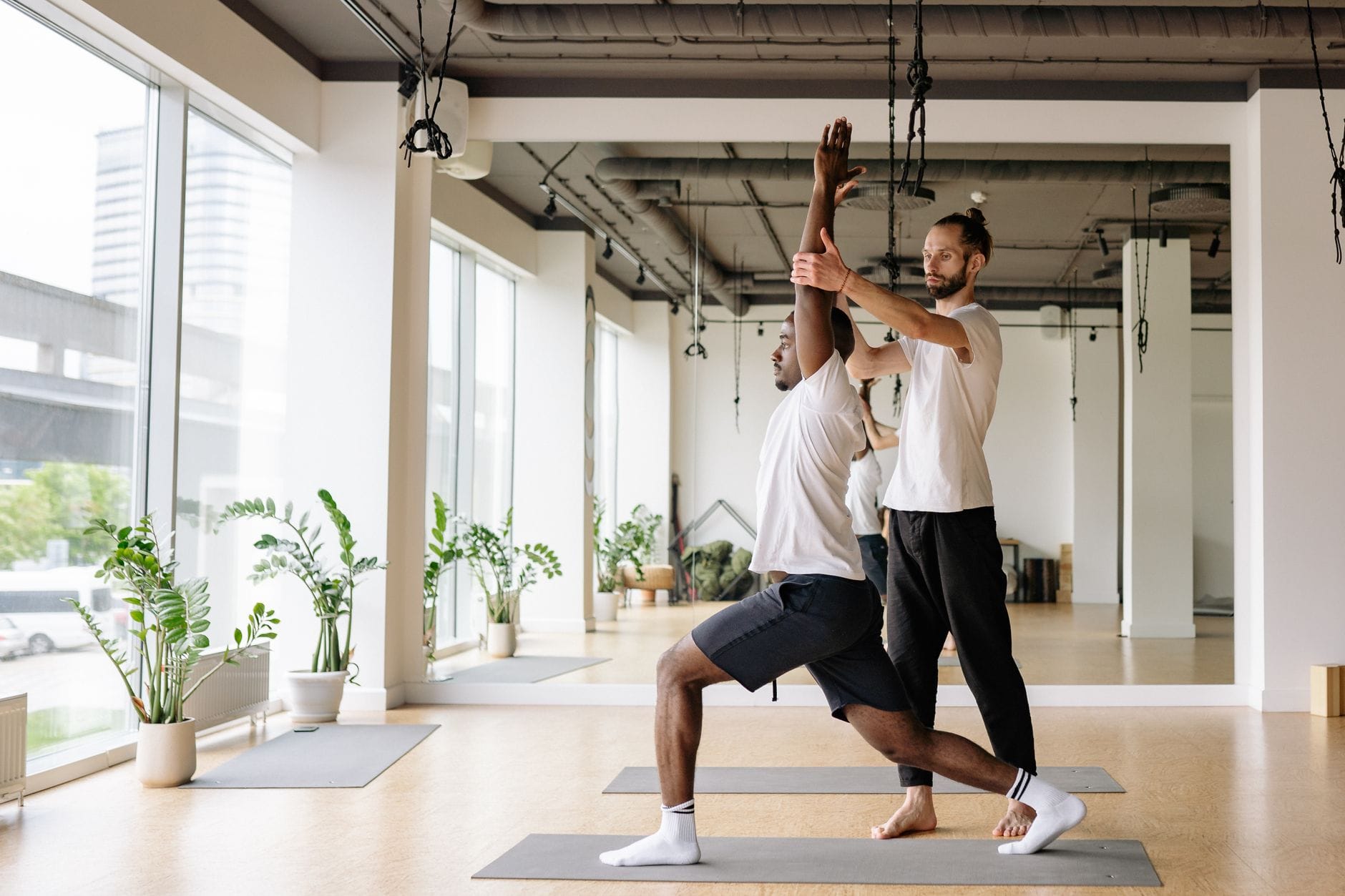
SaveFoot on the knee. Set it on the inner thigh or calf, never the knee joint.
A crooked torso. Keep the spine straight rather than leaning forward or back, shoulders relaxed and gaze steady.
Rushing. Move slowly and mindfully; don’t force your body into the shape.
Holding your breath. Breathe deeply and evenly throughout to stay grounded.
Frequently Asked Questions
How long should I hold tree pose?
Aim for about one minute on each leg, and if you like, repeat up to five times per side. Beginners can start with shorter holds and build up gradually.
What if I keep losing my balance?
That’s completely normal at first. Practice beside a wall or chair, fix your gaze on a still object ahead, and take a few slow breaths before you begin. Steadiness grows with time.
When is the best time to practice Vrikshasana?
Morning is ideal, on an empty stomach with a four-to-six-hour gap after eating, when your mind is clearest and most receptive to focus.
The Bottom Line
Vrikshasana proves that a “simple” one-legged stance can do a great deal — grounding the mind while strengthening the legs, spine, and joints and opening the hips and chest. With mindful alignment and patience, the tree pose becomes both a physical foundation and a small daily practice in calm, steady focus. Move slowly, respect the precautions, and let your balance grow one breath at a time.
This article is for informational purposes only and is not a substitute for professional medical advice. Consult a qualified healthcare provider or certified yoga instructor before beginning any new exercise practice, especially if you have an existing health condition or injury.
References
No external reference URLs were provided in the source material for this article.