
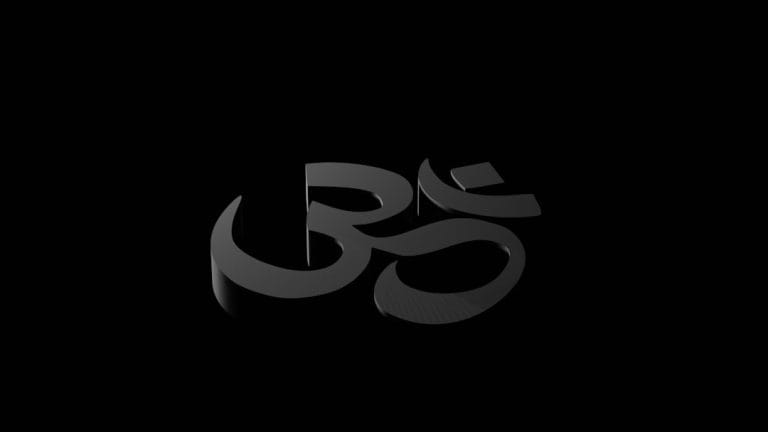
A gentle guide to one of the world’s oldest sounds — and why so many people return to it for calm and focus.
You have likely seen the Om symbol on a yoga studio wall, a piece of jewelry, or the corner of a meditation app. Yet its meaning often goes unexplained. Considered sacred across Hinduism, Buddhism, and Jainism, Om is far more than decoration — it is regarded as the sound of the universe itself. In the pages below, we’ll unpack what Om means, where it comes from, how its three sounds fit together, and how you can chant it to steady a restless mind.
Key Takeaways
– Om (also written Aum) is a sacred symbol said to represent the entire universe and ultimate reality.
– Its sound is built from three parts — A, U, and M — each tied to a different state of consciousness.
– A brief pause follows each chant, symbolizing a fourth, transcendent state of bliss.
– Chanting is a common feature of yoga and meditation and may help quiet an agitated mind.
– Regular practice is associated with sharper focus, brighter mood, and a lighter emotional load.
Where Om Comes From
Hindu tradition offers a poetic origin story. Before the physical world existed, Brahma — the creator and absolute reality — was said to be one. From the wish to become many arose a vibration, and that vibration settled into a single sound: Om. Creation, the story goes, began with this hum.
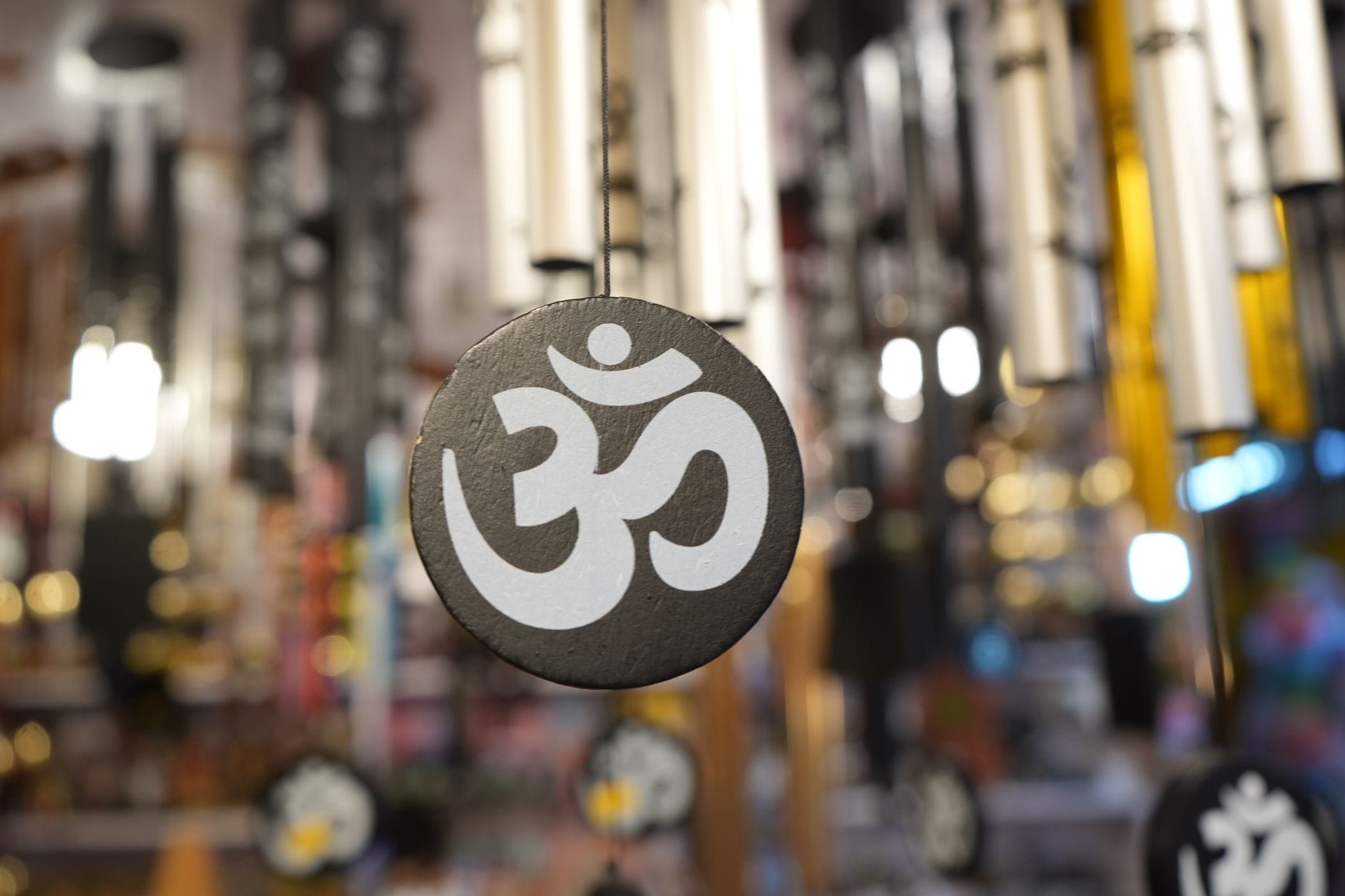
This is why Om is described as the primordial sound. It is also called Pranava, meaning that which flows through the breath (prana) and sustains life. When you chant it, the idea is that your voice echoes those first cosmic vibrations. Om is understood to represent the soul, consciousness, and reality all at once — the beginning and the end of existence folded into one syllable.
You’ll see it spelled two ways. In Sanskrit, the “O” is a diphthong (two vowel sounds blending into one) and is written “AU,” which is why some people prefer Aum. The difference is only in translation. A helpful cue for pronunciation: aim for “OOM,” rhyming with home.
The Three Sounds Within Om
 Save
SaveThe real depth of Om lives in its parts. Each sound maps to a state of consciousness:
A — the waking state, pronounced like the “a” in accounting.
U — the dream state, like the “u” in would.
M — the state of deep sleep, like the “m” in sum.
As the chant fades, the sound thins until it dissolves into silence. That silence is not empty. It represents Turiya, a fourth state — one of bliss and transcendence, where a person is said to feel united with the Supreme. The quiet gap between two Oms is intentional, a small doorway to that fourth state.
A Simple Way to Chant Om
 Save
SaveYou don’t need special training to begin. Here is a gentle sequence to try.
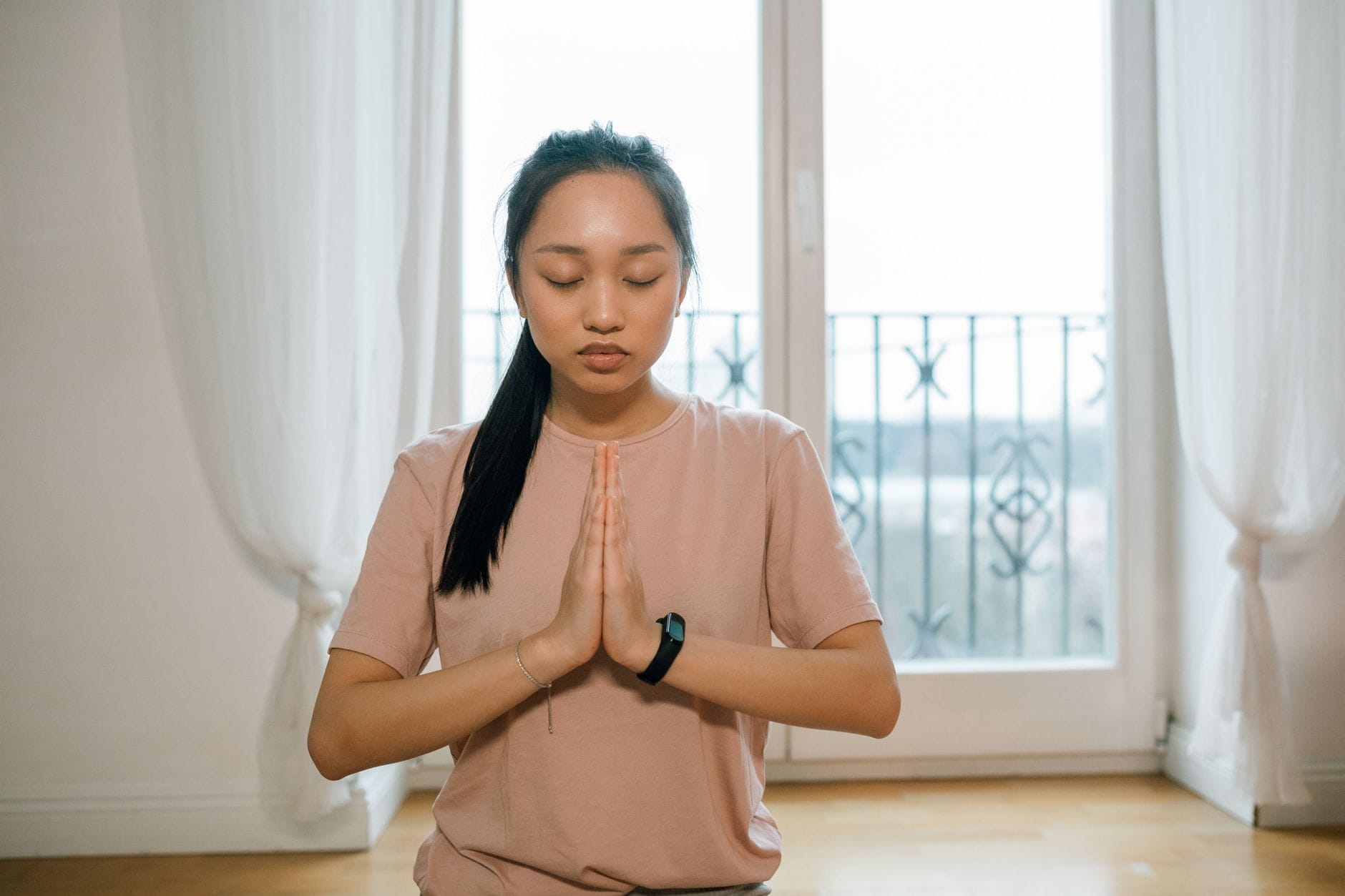
1. Settle in. Find a calm, quiet spot. Sit cross-legged with your back upright, and wear loose clothing so nothing feels restricted.
2. Rest your hands. Place your right palm in your left, both facing up, near your navel. Softly close your eyes or lower your gaze.
3. Breathe and notice. Tune in to the subtle sensations moving through your body. Inhale for a count of five, exhale for a count of seven, and repeat this three times.
4. Sound each part. On your next exhale, chant “AAAAA” and feel it vibrate low in your abdomen. Relax. Inhale, then chant “OOOOO,” feeling it in your chest and neck. Relax again. Inhale once more and chant “MMMMM,” feeling it in your throat and head.
5. Join them together. Now chant the full “Om” on the exhale. As a rough guide, let about 80 percent of the sound be the “AU” and 20 percent the “M.”
6. Build gradually. Start with three rounds and slowly work toward nine. Finish by breathing normally and sitting quietly for about five minutes.
A quick note: the “MMMMM” stage can feel slightly dizzying at first. If it does, pause, sip a little water, and ease back in. Many people also find that keeping an Om pendant or piece of art nearby serves as a small reminder to return to the practice.
What Chanting Om May Do for You
 Save
SavePractitioners describe Om as a way to set worldly worries aside and gather their attention. Beyond tradition, there are physiological reasons the practice can feel calming.
A calmer nervous system
 Save
SaveChanting Om with focused attention has been linked to lower adrenaline levels, which helps ease stress. Because you’re usually seated somewhere quiet and undistracted, the mind naturally settles, leaving many people feeling peaceful and refreshed.
Steadier mood and focus
Making Om part of a morning routine may leave you feeling lighter throughout the day and can support more balanced moods — which, in turn, tends to smooth over the small frictions in everyday relationships. As distracting thoughts fall away, concentration often sharpens with practice.
Support from meditation itself
Om is typically chanted within meditation, and meditation carries its own well-studied perks. As the body de-stresses, it settles into a more relaxed state, and improved circulation means more oxygen reaching your tissues. The “A” vibration is also traditionally associated with the spinal region, thought to become more resilient with regular practice.
Frequently Asked Questions
Is Om only for Hindus?
No. While Om holds deep meaning in Hinduism, it is also revered in Buddhism and Jainism, and today people of many backgrounds use it as a meditation tool without adopting any single religion.
How is Om actually pronounced?
Aim for “OOM,” rhyming with home. The sound blends “A,” “U,” and “M,” with the majority of the sound being the open “AU” and only a short “M” at the close.
How many times should I chant it?
Beginners often start with three repetitions and gradually build toward nine. What matters more than the number is a slow, attentive breath and a relaxed body.
The Bottom Line
Om is one of the oldest and most layered symbols in the spiritual world — a single sound believed to hold the beginning, middle, and end of existence. You don’t have to embrace its full mythology to feel its effects. Sitting quietly, breathing slowly, and letting the sound rise and fade can genuinely calm the mind, steady your focus, and lift your mood. Start with a few rounds each morning and let the practice grow naturally from there.
This article is for informational purposes only and is not a substitute for professional medical advice. Chanting and meditation are not treatments for any medical or psychological condition. If you have health concerns, please consult a qualified healthcare provider.