
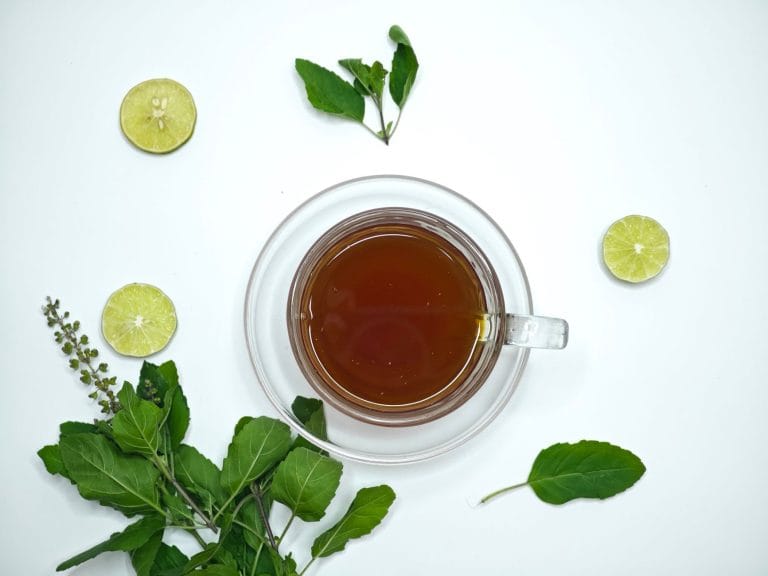
This revered herb has earned much of its praise, but taking too much of it can backfire in ways most people never hear about.
Walk into almost any Indian household and someone will vouch for tulsi. Holy basil has been chewed, brewed into tea, and prescribed by grandmothers for generations, and Ayurveda treats it as something close to a cure-all. It even holds a sacred place in religious ceremonies, which tells you how deeply people trust it.
Trusted does not mean risk-free, though. In large amounts, or paired with the wrong medication, tulsi can cause trouble ranging from mild heartburn to genuinely serious complications. This guide covers the side effects worth understanding before you make the herb a daily habit.
Key Takeaways
– Overdoing tulsi can lead to eugenol overdose, with warning signs such as rapid breathing, blood in the urine, or coughing up blood.
– Tulsi thins the blood, so it can dangerously amplify medications like warfarin and heparin.
– People on diabetes medication risk hypoglycemia, because tulsi lowers blood sugar on its own.
– An animal study linked a month of tulsi feeding to a significant drop in sperm count.
– Pregnant women should be cautious, since tulsi may increase uterine contractions.
The Eugenol Problem
Eugenol is the main active compound in tulsi, and it is also what gives clove cigarettes their bite and shows up in some food flavorings. In sensible amounts it is harmless. In excess, it becomes the herb’s biggest liability.
Research shows that consuming too much tulsi can lead to eugenol overdose, and taking in too much eugenol might even lead to poisoning. The symptoms are hard to miss: rapid breathing, blood appearing when you cough, and blood in the urine. Any of these calls for immediate medical attention, not a smaller cup of tea tomorrow.
Tulsi Thins the Blood
 Save
This one surprises people. Tulsi can increase blood clotting time and inhibit platelet aggregation, which is the process that lets your blood form clots when you get a cut.
For most healthy adults, the effect is subtle. For anyone already taking anticoagulant drugs such as warfarin or heparin, it stacks on top of the medication and can tip things toward excessive bleeding. People with bleeding disorders face the same concern, and anyone scheduled for surgery should stop taking tulsi well beforehand. Unexplained bruising or cuts that keep bleeding longer than usual are the signals to watch for.
What Does It Do to Blood Sugar?
 Save
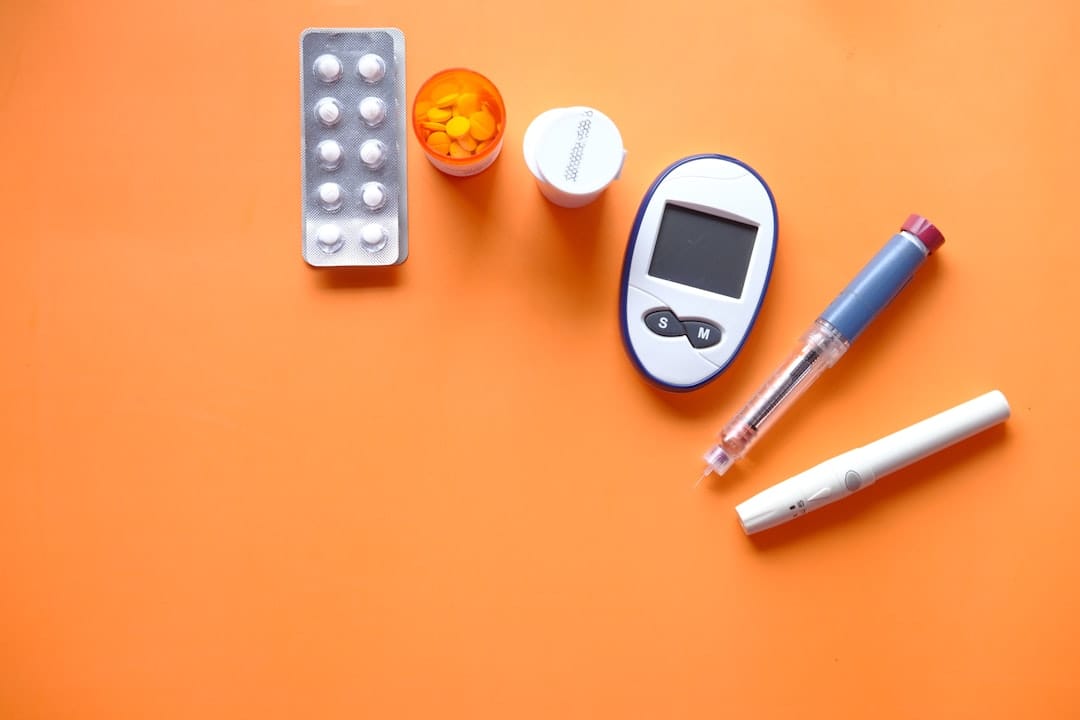
Tulsi is often recommended precisely because it lowers blood sugar, which sounds like good news for people managing diabetes. The catch is that combining it with glucose-lowering medication can drive blood sugar too far down, causing hypoglycemia.
Hypoglycemia is not a disease in itself, but it is unpleasant and can become dangerous. Typical signs include:
Paleness and dizziness
Sudden hunger
Weakness or shakiness
Irritability
If you take diabetes medication and want to use tulsi anyway, check your levels more often and loop in your doctor first.
A Question Mark Over Fertility
Here the evidence comes from animals, so treat it as a caution rather than a verdict. In one study, male rabbits fed two grams of tulsi leaves over a period of 30 days showed a significant decrease in sperm count compared with rabbits that received none.
Whether the same happens in humans at typical dietary amounts is less settled. Even so, men trying to conceive may prefer to keep their intake modest until better research exists.
Risks During Pregnancy
 Save
Pregnancy is not the time to experiment with concentrated herbs, and tulsi illustrates why. Excessive consumption may increase uterine contractions, which can create complications during childbirth. The same mechanism can also affect menstruation.
Warning signs reported alongside this effect include backache, cramping, diarrhea, and bleeding. Given the stakes, most pregnant and nursing women are better off skipping tulsi altogether unless a qualified healthcare provider specifically approves it.
Interactions With Other Medications
Beyond blood thinners and diabetes drugs, tulsi interacts with the liver’s cytochrome P450 enzyme system, the machinery your body uses to process many medications. That interference can raise or lower drug levels in the blood, making prescriptions stronger or weaker than intended.
Two named examples are diazepam and scopolamine, drugs that help reduce nausea, vomiting, nervousness, and anxiety. Tulsi may reduce some of their effects. Possible symptoms include heartburn, light-headedness, headache, and nausea when the herb and these medicines mix. If you take any regular prescription, mention your tulsi habit at your next appointment.
Safer Ways to Enjoy Tulsi
 Save
None of this means the herb belongs in the trash. A few common-sense habits keep the risk low:
Stick to small amounts. Two to three leaves a day is generally considered safe, and there is no reason to exceed one to two tablespoons of the herb daily.
Take it with food if it gives you acidity or an upset stomach, rather than on an empty stomach.
Stop immediately if you notice rashes, skin irritation, or any trouble breathing.
Pause it before surgery, and limit or avoid it during pregnancy, because of the bleeding risk.
Seek urgent care for prolonged bleeding, signs of very low blood sugar, bloody mucus when coughing, or blood in the urine.
Started slowly and used moderately, tulsi remains what it has always been, a helpful kitchen herb rather than a hazard.
Frequently Asked Questions
Can I take tulsi every day?
Yes. Having 2-3 leaves daily is considered safe for most people. Problems tend to appear with excessive, prolonged consumption, especially in people with the risk factors described above.
Is chewing tulsi leaves harmful?
No. Scientific evidence does not support the claim that simply chewing tulsi leaves causes harm. The concerns in this article relate to large quantities and specific drug combinations.
Can I have tulsi on an empty stomach?
Anecdotally, a couple of leaves or a cup of tulsi tea on an empty stomach is a common wellness practice. If you notice acid reflux or nausea, switch to taking it with food.
The Bottom Line
Tulsi deserves its reputation as a beneficial herb, but it is pharmacologically active, and active compounds cut both ways. The main risks are eugenol overdose from excessive intake, amplified blood thinning, hypoglycemia in people on diabetes medication, possible fertility effects, uterine contractions during pregnancy, and interference with drugs like diazepam and scopolamine. Keep your intake modest, tell your doctor you use it, and treat any bleeding or blood-sugar symptoms seriously. Used that way, tulsi can stay a comfort rather than become a complication.
This article is for informational purposes only and is not a substitute for professional medical advice, diagnosis, or treatment. Always consult a qualified healthcare provider before using tulsi or any herbal remedy, especially if you are pregnant, nursing, taking medication, or managing a medical condition.