
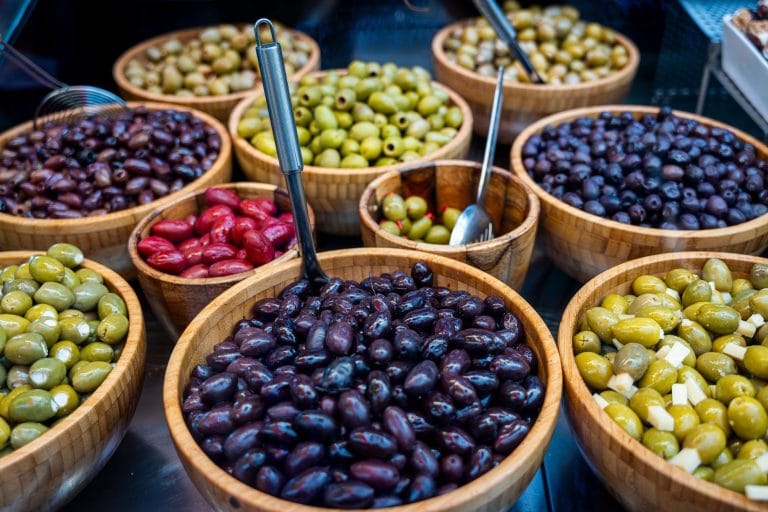
A closer look at the brined Greek fruit that earns its spot on the plate.
Named after the city of Kalamata in southern Greece, these large, dark-purple olives have a meaty texture and a rich, faintly smoky flavor that sits somewhere between sweet and bitter. They are among the most recognizable olives in the world, and their appeal goes well beyond taste. Most of the interest comes down to what they carry inside: monounsaturated fat, fiber, and a group of plant compounds that researchers keep circling back to.
None of this makes them a cure for anything. But as a small, flavorful addition to a balanced diet, Kalamata olives have earned a reasonable amount of scientific curiosity, and there is enough evidence to talk about honestly.
Key Takeaways
– Kalamata olives are cured in brine, which softens their texture and deepens their flavor while raising their sodium content.
– A phenolic compound called oleuropein is linked to benefits for the heart, and possibly for cancer risk, weight, and blood sugar.
– Most of the fat in these olives is monounsaturated, the same kind emphasized in Mediterranean eating patterns.
– They deliver fiber plus small amounts of vitamins A, C, E, K, and B, along with iron, calcium, and magnesium.
– Because curing adds salt, moderation is the sensible approach, especially if you watch your sodium.
What Exactly Are Kalamata Olives?
Picture an almond-shaped fruit with smooth, thin skin and a deep purple color. Inside sits a single central pit surrounded by soft, fleshy pulp. Fresh off the tree, olives are far too bitter to eat, so Kalamatas are typically cured in brine. That slow soak is what gives them their tender bite and distinctive taste.
People often line them up next to black olives, and the two do look similar at a glance. Kalamatas tend to be larger, firmer, and more assertive in flavor, and their nutrient makeup differs in a few meaningful ways.
A Look at the Nutrition
 Save
SavePer 100 grams, which works out to roughly 17 olives, Kalamata olives provide about (1):
Calories — 300
Fat — 30 g, most of it monounsaturated
Carbohydrates — 6.67 g
Dietary fiber — 6.7 g
Sodium — 1.26 g
Potassium — 0.13 g
Two things stand out. First, the fat is concentrated but heavily monounsaturated, the same fat that makes pomace and other olive oils worth a place in the pantry. Second, that sodium figure is real, and it climbs during curing. You are unlikely to eat 100 grams in one sitting, which is exactly why portion size matters here.
The Health Benefits Worth Knowing
 Save
SaveThe reputation of Kalamata olives rests largely on their polyphenols, especially oleuropein and hydroxytyrosol. Here is what the research suggests, with the usual caveat that much of it is early or done in animals.
Antioxidants that reach the skin and cells
Oleuropein acts as a free-radical scavenger, and studies point to it helping protect skin from chronic UVB-induced damage (2). One analysis published in Antioxidants (Basel) found Kalamata olives especially rich in phenolic content, measuring 10.84 mg GAE per gram of dry weight, higher than most of the other commercial black table olives it compared. Those same antioxidant compounds shield cell membranes from damage, and oleuropein has shown an ability to hinder the viability of cancer cells in lab settings (3).
A friend to your heart
 Save
SaveThis is the best-supported area. Oleuropein has been shown to inhibit the oxidation of LDL, the so-called bad cholesterol, a process closely tied to clogged arteries. It has also been studied for protecting heart muscle from certain kinds of damage (2). Table olives carry other cardioprotective players too, including oleic acid and pentacyclic triterpenes. In one study on hypertensive rats, table olives significantly lowered blood pressure, with polyphenols and oleanolic acid showing up in the animals’ plasma as likely contributors (8). Human trials are still needed, but the direction is encouraging.
Blood sugar and metabolism
Kalamata olives have a low glycemic index and digest slowly, which helps avoid sharp spikes in blood sugar. A single olive supplies 1 to 3 mg of hydroxytyrosol (4), a compound with insulin-like effects that has shown anti-diabetic activity in animal models of type 2 diabetes, along with protection against oxidative stress and high blood fats. The European Food Safety Authority has even backed hydroxytyrosol at 5 mg per day for reducing oxidative damage (5). On the weight side, the antioxidants and healthy fats may help maintain HDL cholesterol and limit LDL buildup, which could support weight management, though solid human data is thin (3).
Calmer inflammation
The polyphenols in olives help neutralize free radicals, and that activity is thought to ease oxidative stress and inflammation, with some possible benefit for brain function (6, 7). Worth being straight about: olive oil is far better studied for this than whole olives, so the anti-inflammatory case for eating the fruit itself is more of a reasonable extension than a settled fact.
Olives have carried symbolic weight for a long time, incidentally. In Greek tradition the goddess Athena was said to have planted an olive tree to give the people food, oil, and wood, which is a nice reminder that this fruit has been valued for millennia.
Bringing Kalamata Olives Into Your Kitchen
 Save
SaveThe good news is that they need almost no work. Rinse them under cold water first to wash off excess brine or oil, which also takes the edge off the saltiness. If a recipe calls for pitted olives, press each one gently with the flat side of a knife to loosen the pit, then slip it out.
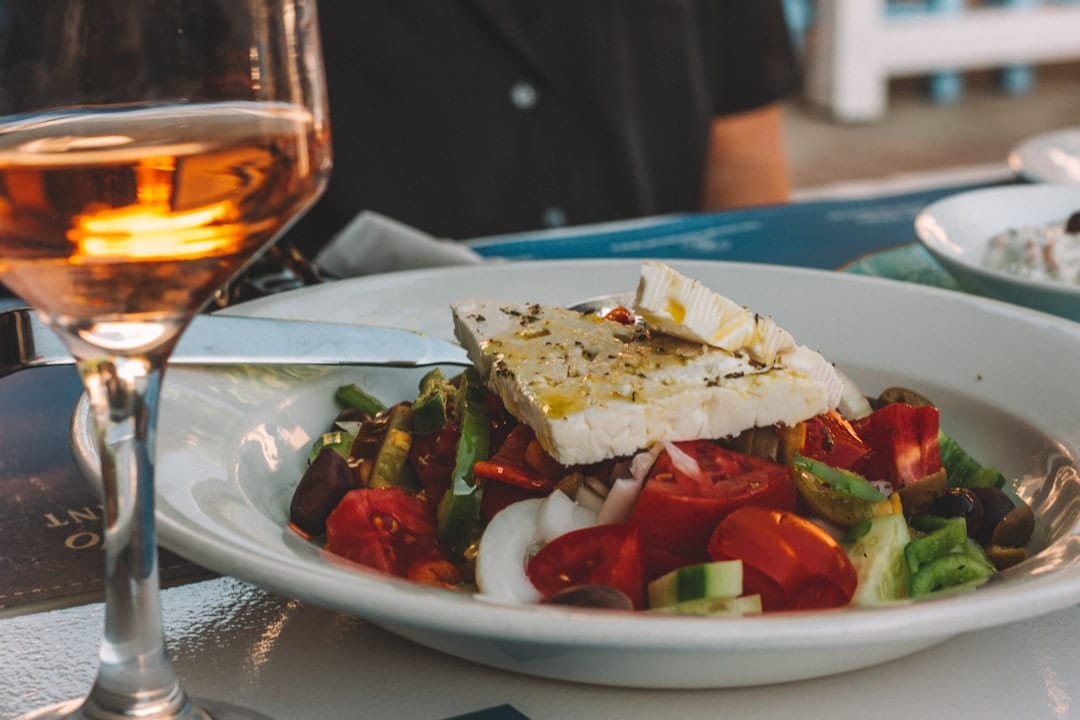
From there they are endlessly flexible. Toss whole or halved olives through a Greek salad with feta and cucumber, chop them into a tapenade, fold them into pasta or grain bowls, or scatter them over roasted vegetables. They pair beautifully with the kind of simple, energizing meals you can throw together on a weeknight. If you already keep briny capers on hand for their sharp little pop of flavor, Kalamatas play a similar role with more body and richness.
Where Moderation Matters
The main thing to respect is salt. Curing loads these olives with sodium, so a heaping portion can add up quickly, which matters if you have high blood pressure or kidney concerns. Very large amounts have been flagged as hard on the kidneys, another reason to keep servings modest. A small handful a day sits comfortably within a healthy pattern for most people.
Frequently Asked Questions
Are Kalamata olives healthier than black olives?
They differ more than they resemble each other. Kalamatas tend to be richer in phenolic compounds and monounsaturated fat, though both can fit a balanced diet. Neither is a clear winner for everyone.
How many Kalamata olives can I eat in a day?
There is no official number, but a small serving of five to ten olives a day is reasonable for most people. Because of the sodium, those managing blood pressure should keep portions on the smaller side.
Do I need to rinse them before eating?
It is optional, but a quick cold rinse removes surface brine and tones down the saltiness, which many people prefer when eating them plain.
The Bottom Line
Kalamata olives are a genuinely nutritious little fruit, dense in monounsaturated fat, fiber, and antioxidant polyphenols like oleuropein and hydroxytyrosol. The evidence is strongest for heart health and most promising, if still early, for blood sugar, inflammation, and skin protection. The main trade-off is sodium from the curing process, so enjoy them the way they shine best: in modest, flavorful amounts as part of a varied, mostly plant-forward diet.
This article is for informational purposes only and is not a substitute for professional medical advice. Talk with a qualified healthcare provider before making changes to your diet, especially if you manage a condition such as high blood pressure, diabetes, or kidney disease.