
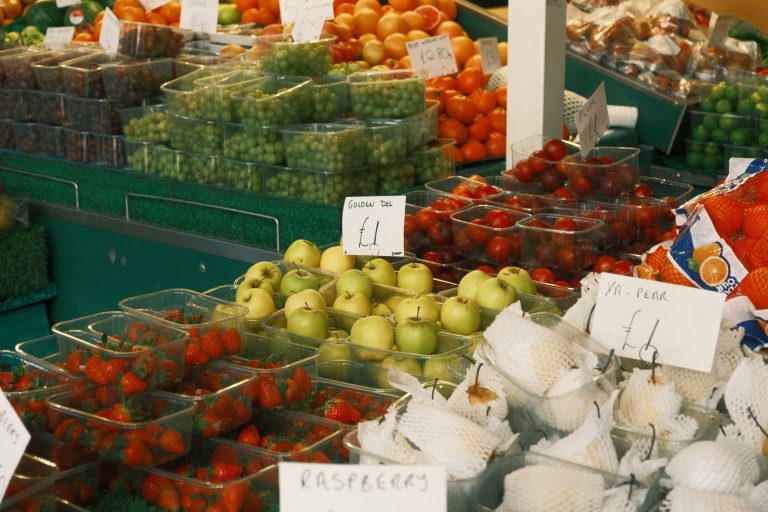
A mashup of two diets that supposedly can’t stand each other, and what it actually asks of you.
Paleo says eat the animal. Vegan says don’t. Mark Hyman, M.D., looked at that standoff and asked a fair question: what if the argument is beside the point, and the thing both camps agree on (eat real food, skip the factory stuff) is where the value actually lives? The pegan diet is his answer, a hybrid that borrows paleo’s respect for quality protein and vegan’s commitment to plants and to eating in a way that’s kinder to the planet.
It has fans who call it the most sensible plan going, and skeptics who file it under fad. Both have a point. The plan is built almost entirely on whole, unprocessed food, which is hard to argue with. It also cuts out entire food groups on reasoning that’s thinner than the enthusiasm suggests.
Key Takeaways
– The pegan diet fuses paleo and vegan principles, which makes it more flexible than either one on its own.
– The plate runs roughly 75% plants and 25% animal protein, with whole foods, healthy fats, and lean proteins doing the heavy lifting.
– Gluten, dairy, sugar, refined oils, and artificial additives are off the table.
– Potential payoffs include weight management, steadier blood sugar, and better heart health.
– The catch: it takes real planning, and it can leave gaps in your nutrition if you’re careless.
The 75/25 Plate
 Save
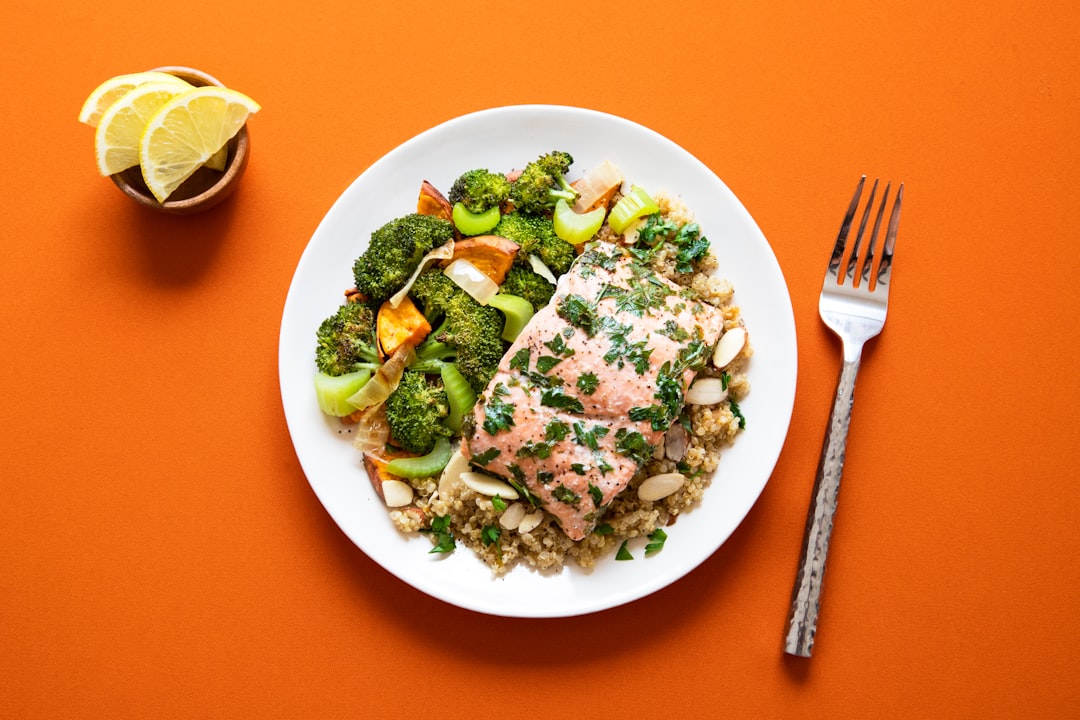
Picture a plant-based diet, then add animal protein back in as a supporting player rather than the star. Three-quarters of what you eat comes from plants; the remaining quarter comes from animals.
The rest of the rules follow from there:
Whole fruits and vegetables lead, with meat, fish, legumes, nuts, and seeds in moderate amounts.
Processed foods, refined sugar, grains, refined oils, and anything with artificial additives get minimized or dropped.
Sourcing counts. Local and organic where you can manage it, which is the vegan ethic showing through.
Compared with strict paleo or strict veganism, this is a wider door. You aren’t defending a moral position at dinner. You’re just eating mostly plants with some good protein alongside.
Where the Benefits Come From
Research on pegan eating specifically is thin. It’s a young idea with a catchy name, and it hasn’t been studied the way longer-established diets have. What we do have is evidence on the habits it’s assembled from, and those habits have a decent track record.
Weight management. Cut processed food, lean on whole food, and calories tend to sort themselves out without much white-knuckling. Higher fruit and vegetable intake is associated with weight loss and with preventing weight gain in the first place ([1]).
Reduced inflammation. Produce, nuts, and seeds bring fiber, vitamins, and minerals that help dial down chronic inflammation and oxidative stress, the free-radical imbalance that’s been linked to autoimmune conditions and heart disease ([2]).
Blood Sugar and the Heart
 Save
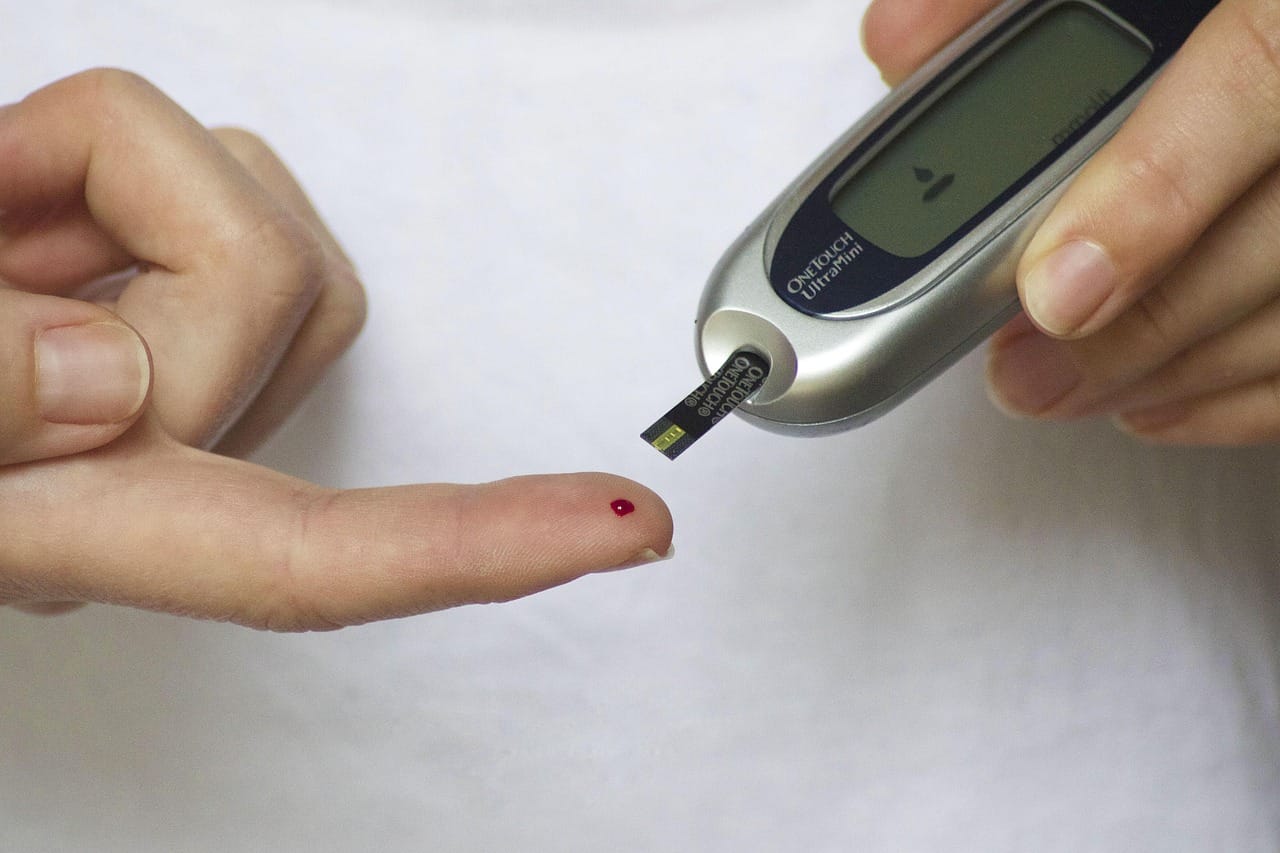
On blood sugar: the plan favors low-glycemic fruits and vegetables and shows refined sugar, refined oils, and processed carbs the door. For someone with type 2 diabetes or heading that direction, that combination can genuinely help ([3]).
On the heart: trans fats and saturated fats are limited, and both are tied to cardiovascular disease. Swap in plants, healthy fats, and lean protein and the risk picture improves ([4]).
Digestion benefits too, though less dramatically. All that fiber keeps things regular, and it keeps you full longer, which quietly makes appetite control easier. The plan also tries to split the difference on macronutrients, balancing paleo’s protein-and-fat emphasis against vegan’s plant focus, which in theory widens your nutrient range and lowers deficiency risk ([5]). In theory. Whether it works out that way depends on how well you plan.
What Lands on the Plate
 Save
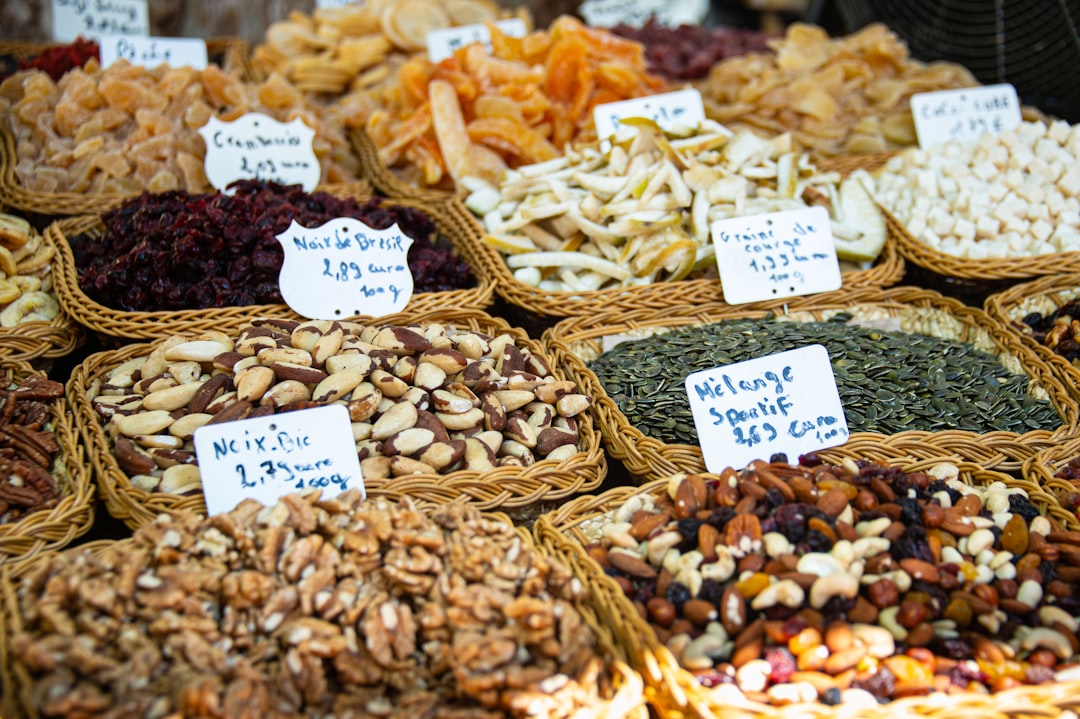
The filter is simple: whole food, decent protein and fat, low glycemic load.
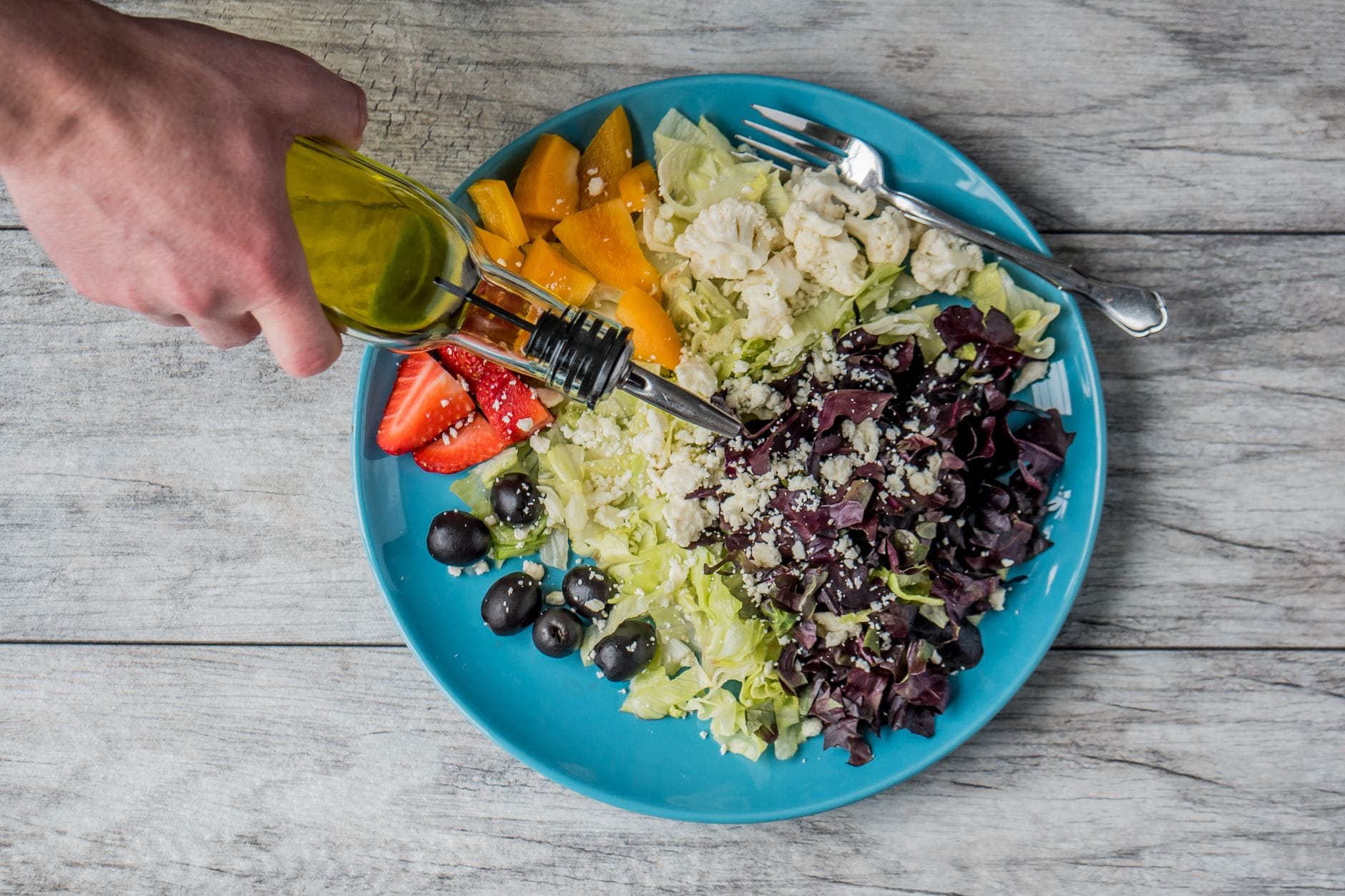
Vegetables — non-starchy ones. Leafy greens, broccoli, peas, cauliflower, carrots, Brussels sprouts, tomatoes, peppers, cucumber, zucchini.
Fruits — low-glycemic picks. Berries, apples, pears, citrus.
Nuts and seeds — almonds, pistachios, walnuts, essentially everything but peanuts. Chia, flax, and hemp seeds too.
Plant protein — tofu, tempeh, lentils, chickpeas, black beans.
Healthy fats — avocado, olive, and coconut oil.
Lean animal protein — grass-fed beef, chicken, pork, eggs.
Gluten-free grains — buckwheat, brown rice, quinoa, millet, amaranth, oats.
Fish — the low-mercury end. Salmon, anchovies, sardines, herring, cod.
And What Doesn’t
Flexible in spirit, strict in practice. The no list is not negotiable:
Gluten — wheat, barley, rye, and everything downstream: bread, pasta, cereal, granola, beer.
Dairy — cow’s milk, cheese, butter, yogurt.
Processed foods — packaged snacks, crackers, baked goods.
Refined oils — soybean, corn, sunflower, groundnut.
Sugar — soda, sweetened drinks, sweets, anything loaded with it.
Artificial additives — preservatives, colors, flavors.
Read that list next to the eat list and you’ll notice something. Legumes and gluten-free grains appear on both sides, allowed but limited, which is the paleo influence arguing with the vegan influence in real time. It’s the plan’s most awkward seam.
Three Ways It Goes Wrong
 Save
Here’s the honest accounting.
It demands planning. Real planning. When dairy, gluten, and most convenience food are gone, every meal becomes something you build rather than something you grab. That’s sustainable for people who cook and enjoy it. For everyone else, it’s a slow leak of willpower.
It can create deficiencies. Cutting out dairy and most grains removes real nutrients, not just calories, and the plan expects you to backfill from elsewhere. Done carefully, fine. Done casually, you end up with gaps in vitamins and minerals that took no effort at all to acquire on your old diet.
It isn’t for everyone. People with chronic health conditions, pregnant and nursing women, and children should skip it or only follow it with a clinician looking over their shoulder.
None of that makes the pegan diet a bad idea. It makes it a demanding one, and demanding diets have a way of quietly becoming former diets.
Frequently Asked Questions
Is the pegan diet meant to be temporary?
No. It’s designed as a long-term way of eating rather than a reset or a challenge with an end date. That’s actually a point in its favor, since diets built for a finite window tend to end with a rebound.
Can I eat legumes on the pegan diet?
Yes, in moderation. Lentils, chickpeas, and black beans are listed as plant proteins, but legumes are also among the foods the plan limits. Treat them as a regular contributor, not a staple you lean on daily.
Why are peanuts singled out among nuts?
Almonds, pistachios, walnuts, and the rest are on the eat list; peanuts are the exception. If you want the nut benefits, there’s plenty of room to work with without them.
The Bottom Line
The pegan diet takes the least controversial parts of two loud dietary philosophies and staples them together: eat mostly plants, add quality protein, skip the processed stuff. As a framework, that’s solid, and the evidence behind its components points toward better weight management, steadier blood sugar, a healthier heart, and easier digestion.
What it asks in return is your attention. Dropping dairy and gluten means you have to actively replace what they were giving you, and the research on pegan eating as a whole package is still limited, so some of the enthusiasm is running ahead of the data. If you already cook most of your meals and want a sane structure, this one is worth a look. If you’re pregnant, nursing, feeding kids, or managing a chronic condition, talk to someone before you start cutting food groups.
This article is for informational purposes only and is not a substitute for professional medical advice, diagnosis, or treatment. Always consult a qualified healthcare provider before making changes to your diet, especially if you are pregnant, nursing, managing a chronic condition, or taking medication.