

A realistic look at one of the most popular calorie targets, what to actually eat, and who should give it a pass.
Calorie counting is nobody’s idea of fun, but it remains one of the simplest ways to get a handle on your eating. The 1500-calorie diet takes that idea and gives it a firm ceiling: roughly 1,500 calories per day, filled with foods that nourish you rather than just fill you.
Anecdotally, people following this approach lose around a pound a week. Whether it works for you depends on your age, body size, activity level, sex, and genetics, so it’s worth understanding the details before you clear out your pantry.
Key Takeaways
– A 1500-calorie diet caps your daily intake at about 1,500 calories, usually as a short-term weight loss strategy.
– In one clinical trial, women eating 1,500 calories a day regained significantly less weight over a year than those on a stricter 1,000-calorie plan.
– Food quality matters as much as the number. Vegetables, fruits, whole grains, and lean protein stretch a small calorie budget much further than processed snacks.
– Calorie needs vary from person to person, so 1,500 may be too little for some people.
– Children, pregnant or breastfeeding women, very active people, and anyone with a history of eating disorders should not follow this diet.
What This Diet Actually Involves
Every food and drink you consume carries calories, the energy your body uses to get through the day. Take in more than you burn, consistently, and the surplus tends to show up on the scale over time.
A 1500-calorie diet simply draws a line: you plan your meals and snacks so the day’s total lands near 1,500. There are no forbidden food groups by definition, though the plan works best when most of those calories come from whole, nutrient-dense foods. It’s designed as a short-term tool for weight loss or weight management, not a permanent way of eating.
Does the Research Back It Up?
There is some evidence worth knowing about. In a randomized trial of 125 women with obesity, one group ate 1,000 calories a day while another ate 1,500. The stricter group lost more weight during the study itself, but by the one-year mark, the 1,500-calorie group had regained significantly less of what they lost (1).
That suggests moderate restriction may be easier to live with than an aggressive cut. Still, this is one trial, and it can’t tell us whether low-calorie diets manage obesity successfully over the long haul. For lasting results, a registered dietitian can build a plan around your actual body and goals rather than a one-size-fits-all number.
Making Every Calorie Count
 Save
SaveCutting calories without paying attention to what fills them is where most people go wrong. A few principles help.
Balance your macros
 Save
SaveCarbohydrates should supply roughly 45 to 65 percent of your total calories, since they deliver fiber and other essential nutrients (2). For protein, aim for about 0.8 grams per kilogram of body weight (3). Getting these proportions roughly right keeps meals balanced even when they’re smaller.
Pick foods that keep you full
 Save
SaveHunger is the thing that sinks most calorie-restricted diets. Fiber-rich foods like oats have been shown to promote satiety, that comfortable feeling of fullness after a meal (4). Whole foods such as oats and quinoa deliver nutrients and staying power, which makes overeating less likely.
Watch your portions
Research on portion plates found they may help improve healthy eating behaviors (5). The layout is simple: half the plate for vegetables, a quarter for protein, and a quarter for starch. You don’t need a special plate to follow the idea.
Support the diet with your lifestyle
Better sleep may have a positive effect on weight and fat loss (6), and one study found that pairing exercise with a low-calorie diet may raise resting metabolic rate in people with obesity (7). These findings aren’t conclusive, but regular movement, plenty of water, and skipping cigarettes and alcohol are sensible companions to any eating plan.
A few smaller habits round things out: read ingredient labels on packaged foods, space meals evenly through the day to avoid impulsive snacking, cook by grilling, baking, boiling, or steaming instead of frying, and keep a food diary or tracking app. If you feel constantly hungry or fatigued, that’s a signal to adjust your intake, not push through.
Foods Worth Your Calories
 Save
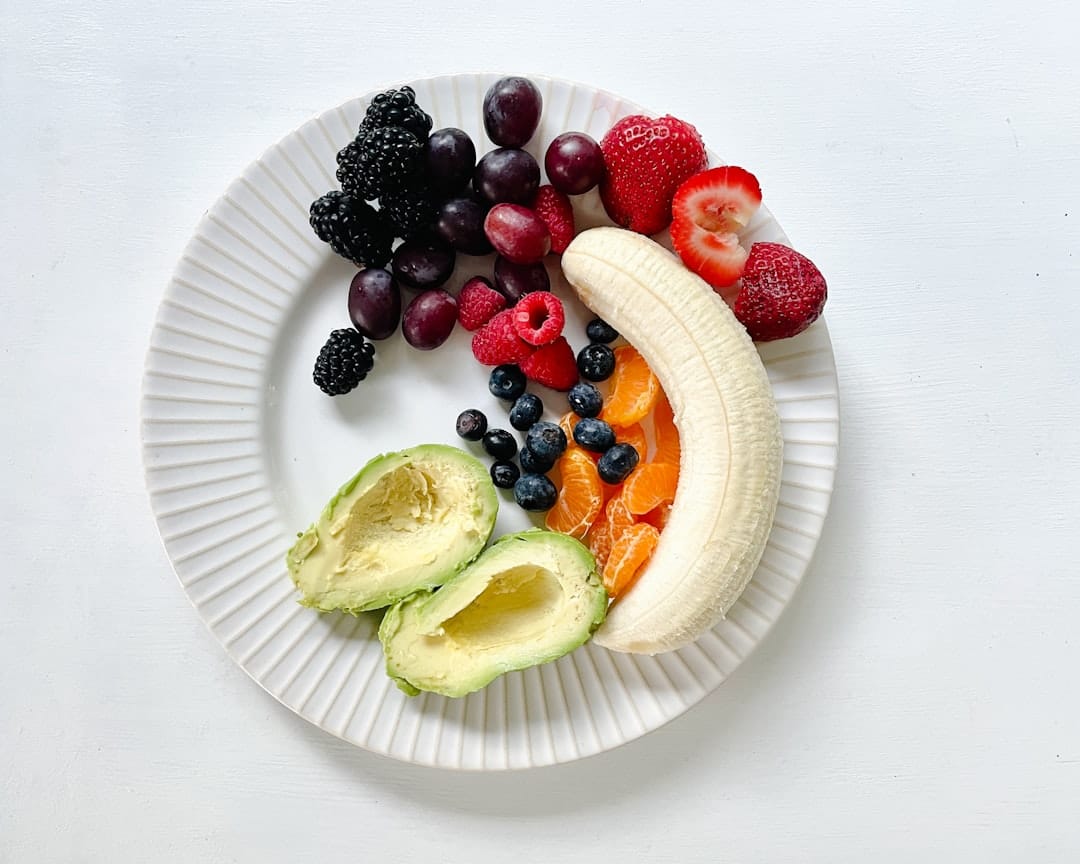
SaveWith a limited budget, every choice should pull double duty, filling you up while delivering nutrients. Build your meals around:
Vegetables of all kinds, ideally covering half your plate
Fresh fruits
Whole grains such as oats, quinoa, and other unrefined options
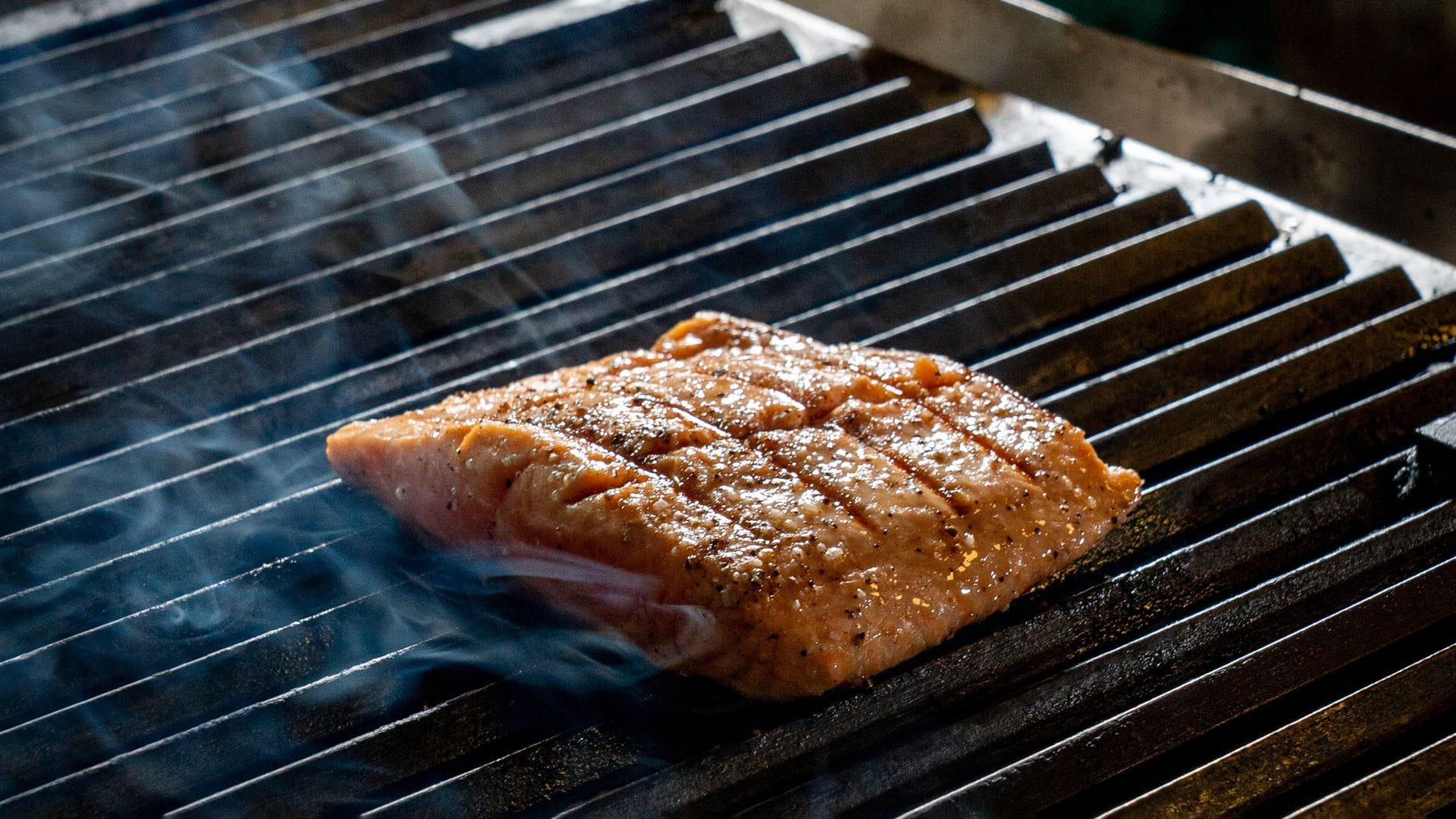
Lean protein sources to anchor each meal
These foods keep hunger in check and cover your nutritional bases, which matters far more at 1,500 calories than it does at 2,500.
What to Limit or Skip
Foods that are high in calories but poor in nutrients can burn through your daily allowance shockingly fast. Cookies, ice cream, potato chips, instant noodles, chocolates, pastries, and cheeseburgers all fall into this category. Beyond wasting calories, leaning on these foods can leave nutritional gaps and undo the progress you’ve made. Whole, minimally processed foods are the safer bet.
Who Should Sit This One Out
This diet is genuinely not for everyone. Anyone with a current or past eating disorder should avoid structured calorie restriction, as should children and women who are pregnant or breastfeeding. People with underlying health conditions or very active lifestyles likely need more fuel than 1,500 calories provides.
Its biggest weakness is the restriction itself. A hard calorie cap is difficult to sustain, which is why it works better as a short-term reset than a long-term weight management strategy.
Frequently Asked Questions
How much weight can I expect to lose on a 1500-calorie diet?
Anecdotal reports suggest around one pound per week, but results vary widely with activity level, body size, age, sex, and genetics. Some people lose faster, others barely at all.
Is 1,500 calories enough for everyone?
No. Calorie requirements are individual, and for larger or more active people this target may be too low. Persistent hunger or fatigue is a sign the number needs adjusting, ideally with a professional’s input.
How long should I stay on it?
It’s intended as a short-term approach. If you’re thinking in terms of months or years, work with a registered dietitian on a sustainable plan tailored to you.
The Bottom Line
A 1500-calorie diet can help some people lose weight, and there’s evidence that this moderate level of restriction leads to less rebound than harsher cuts. Its success hinges on what fills those calories: vegetables, whole grains, lean protein, and enough fiber to keep hunger quiet. It isn’t suitable for everyone, and it isn’t built for the long term, so treat it as one tool rather than a lifestyle, and get personalized guidance before you start.
This article is for informational purposes only and is not a substitute for professional medical advice, diagnosis, or treatment. Always consult a qualified healthcare provider or registered dietitian before starting any calorie-restricted diet.