
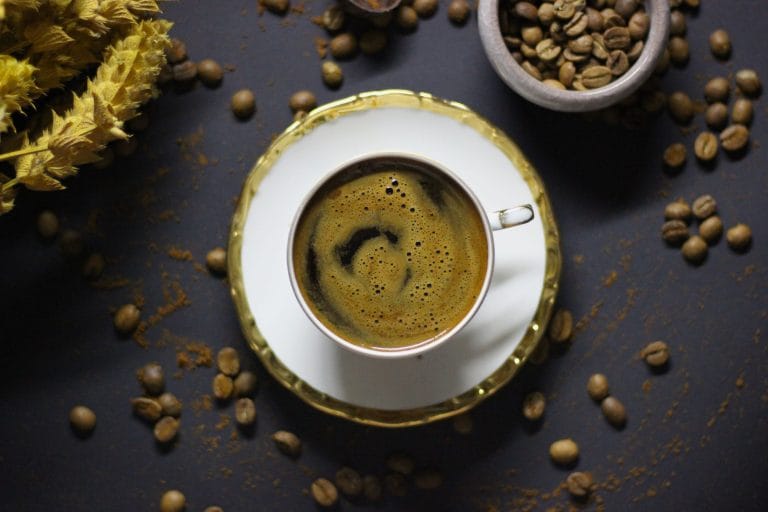
Your morning cup isn’t the enemy, but a few habits around it can quietly work against you.
Most of us reach for coffee before we’ve fully woken up, and plenty of people keep sipping it well past noon. So it’s fair to ask whether that habit is helping or hurting when you’re trying to lose weight. You’ll hear people swear that coffee makes them gain, and others credit it for keeping the scale moving. The truth sits somewhere in the middle, and it depends a lot on what you pour in and how your own body handles caffeine.
Plain brewed coffee has almost no calories. What changes the story is the caffeine load, the extras, and how quickly you clear it all from your system.
Key Takeaways
– Black coffee is nearly calorie-free; weight gain usually traces back to sugar, syrups, cream, and oversized servings.
– Large or repeated doses of caffeine can nudge blood sugar and insulin upward, which may work against fat loss.
– People with slower caffeine metabolism tend to hold onto it longer, and that can show up as abdominal fat.
– Keeping intake to roughly 2 to 3 cups (400 mg of caffeine or less) a day keeps most of the perks without the downsides.
– In moderation, coffee is linked to lower risk of type 2 diabetes, stroke, and a few other conditions.
So, Does Coffee Actually Cause Weight Gain?
In excess, it can, and caffeine is the main reason. The average adult takes in around 300 mg of caffeine daily, mostly from coffee but also from tea, chocolate, soft drinks, and energy drinks. Bigger cups and darker, stronger roasts push that number higher.
Here’s the mechanism worth understanding. A sharp dose of caffeine can raise blood sugar and keep it elevated for longer than usual. Higher blood sugar tends to pull insulin and cortisol up with it. Cortisol is your stress hormone, and chronically elevated insulin can gradually make your cells less responsive to its signal, a state called insulin resistance. Since insulin governs how your body handles carbohydrates and fat, staying sensitive to it matters if you want to shed weight rather than store it. Drink too much coffee too often, and you may quietly chip away at that sensitivity.
None of this means you have to give up coffee to lose weight. It means the dose and the details count.
What Goes Into Your Cup Matters More Than the Coffee
 Save
SaveThis is where a lot of “coffee made me gain weight” stories actually begin. The bean isn’t the problem. The build is.
Syrups and sweet add-ins stack on calories fast, especially the flavored pumps at cafés.
Whipped cream tastes lovely and adds a surprising amount on top of everything else.
Sweetened or flavored milks, including some almond and oat versions, can carry added sugar you don’t notice.
Full-fat milk plus sugar turns a modest drink into a small dessert.
Bottled and ready-to-drink coffees are often loaded with sugar for shelf appeal.
Large servings multiply all of the above when they’re a daily ritual.
If you want the coffee without the calorie creep, lean toward black coffee, cold brew, or a straight espresso shot. For flavor, unsweetened plant milk works well, and a pinch of cinnamon or nutmeg or a splash of vanilla extract adds warmth for essentially nothing. If you like the idea of building small, low-calorie beverage habits, this piece on simple metabolism-boosting drinks pairs nicely with a cleaner coffee routine.
Why Some People Hold Onto Caffeine Longer
 Save
SaveTwo people can drink the exact same latte and respond completely differently. Your health, your body mass, and your metabolic rate all shape how caffeine moves through you.
People with a faster metabolism tend to process the compounds in coffee quickly and clear them out. Those on the slower end hold caffeine in their system longer, and that lingering exposure is where the blood sugar bump and the tendency toward belly fat can creep in. This part is less settled and leans on anecdotal patterns more than hard trials, so treat it as a reason to notice your own response rather than a rule. Either way, though, too much coffee can stall progress regardless of how fast you burn through it.
How Much Caffeine Is Too Much?
 Save
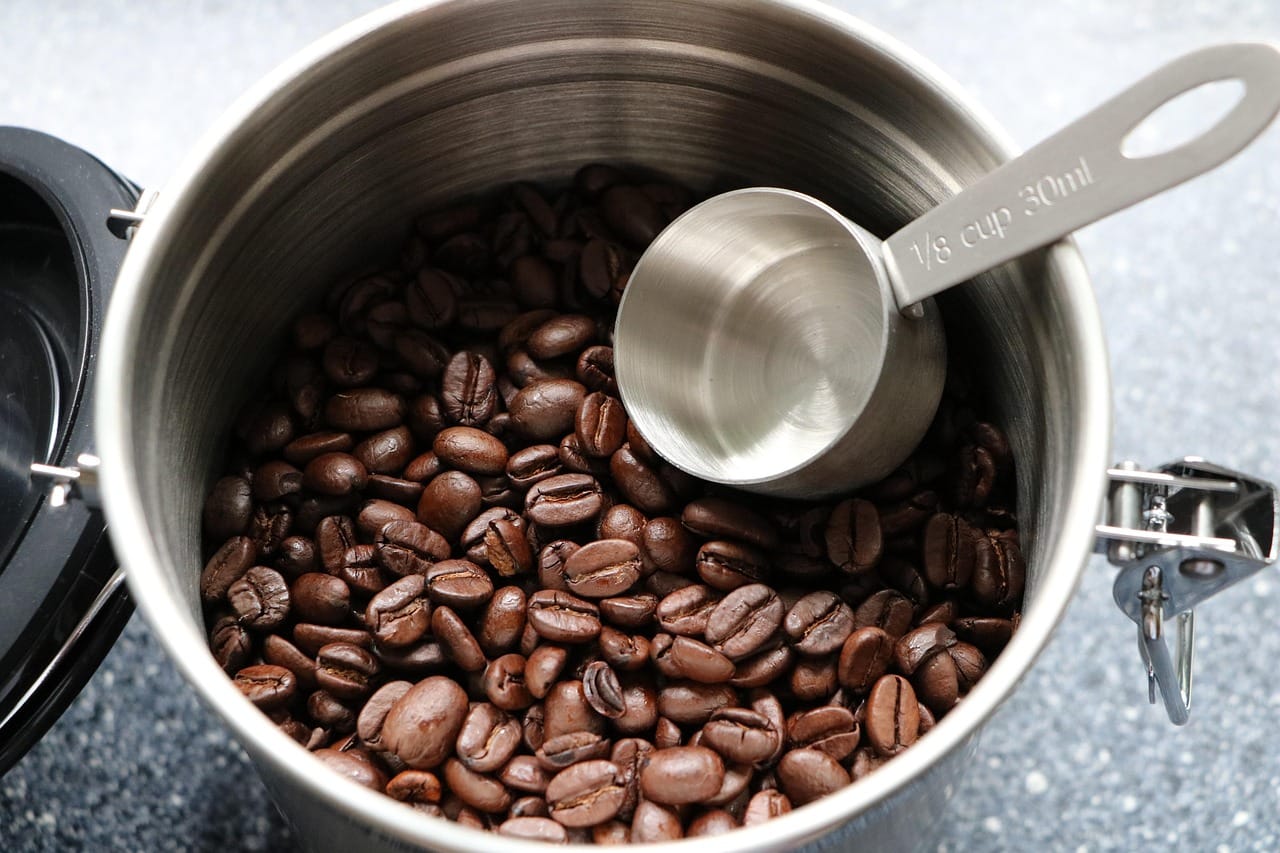
SaveFor healthy adults, research points to 400 mg of caffeine or less per day as a reasonable ceiling. A single 180 ml serving of brewed coffee usually delivers around 100 mg, which gives you a simple way to keep count. Pregnant and breastfeeding people should stay under about 200 mg. Keeping those figures in mind before your third or fourth cup does more for your waistline than swearing off coffee entirely.
If you’re comparing caffeinated drinks, green tea offers a gentler dose alongside its own set of plant compounds, which is one reason some people alternate the two through the day.
The Upsides of a Well-Timed Cup
 Save
SaveCoffee gets a bad rap in weight-loss circles, but a moderate habit comes with real perks. Regular drinkers show a lower risk of developing type 2 diabetes. Caffeine stimulates the nervous system and gives adrenaline a small lift, which is part of why that first cup feels like a switch flipping on.
At low doses, it can sharpen focus, lift mood, and take the edge off anxiety. Coffee’s polyphenols act as antioxidants, and by tamping down inflammation and oxidative stress, they may help with some of the same processes tied to obesity. Longer term, coffee intake is associated with modestly lower risk of stroke, heart disease, certain cancers, and gallstones, and caffeine has been linked to reduced Parkinson’s risk. For a hydrating, low-calorie option to rotate in on the days you’ve hit your caffeine ceiling, coconut water is a light choice that won’t undo your progress.
Frequently Asked Questions
Will switching to black coffee help me lose weight?
It removes the calories that usually cause trouble, so yes, it’s the smarter base. Just keep your total cups reasonable, since caffeine load still matters even when there’s no sugar involved.
Is decaf a safe way around the caffeine issue?
Decaf sidesteps most of the blood sugar and insulin concerns tied to caffeine, which makes it useful later in the day. Watch the add-ins, though, because a sugary decaf still adds calories.
How late in the day can I drink coffee?
If you metabolize caffeine slowly, an afternoon cup can linger into the evening and disturb sleep. Many people do best cutting off caffeine by early afternoon.
The Bottom Line
Coffee doesn’t deserve its reputation as a weight-gain culprit, at least not the coffee itself. What tips the balance is the sugar, cream, and supersized servings we build around it, plus how much caffeine we pile up over a day. Keep it to two or three sensible cups, favor a lean build, and pay attention to how your own body responds. Do that, and coffee stays firmly in the helpful column of a balanced routine.
This article is for informational purposes only and is not a substitute for professional medical advice. Talk to your doctor or a registered dietitian before making significant changes to your caffeine intake or diet, especially if you are pregnant, breastfeeding, or managing a health condition.