

A refreshing, low-calorie way to stay hydrated—and support your goals along the way.
If you have been searching for a natural drink that hydrates without weighing you down, tender coconut water deserves a spot in your routine. It is light, naturally sweet-salty, and packed with electrolytes that plain water simply cannot match. While no single beverage melts fat on its own, coconut water can be a smart, low-calorie swap that fits neatly into a weight-loss plan.
The clear liquid inside a young green coconut is nature’s own sports drink. Below, we break down what makes it worth sipping, how it may help you trim excess pounds, when to drink it, and a few cautions to keep in mind.
Key Takeaways
– Coconut water is low in calories (about 46 per cup) yet rich in potassium, fiber, protein, and vitamin C.
– Its electrolytes and natural fullness factor can help curb cravings and reduce mindless snacking.
– Research suggests it may help lower cholesterol and improve insulin sensitivity.
– Choose fresh, tender green coconut water—skip sweetened or bottled versions and coconut milk.
– Limit yourself to a cup or two daily; more can add unnecessary sugar.
What Exactly Is Coconut Water?
Coconut water is the naturally occurring liquid found in the hollow center of a young coconut. It nourishes the developing fruit and carries a slightly cloudy appearance with a taste that lands somewhere between sweet and mildly salty.
It is important not to confuse it with coconut milk. Milk is pressed from the flesh of mature coconuts and is high in calories and fat—the opposite of what you want when shedding weight. For weight-loss purposes, tender green coconut water is the clear winner.
The Nutrition Behind the Hydration
A single cup delivers a surprising amount for such a light drink:
Fiber (about 3 g): Far more than soda, cola, or plain water offers. Fiber slows digestion, helps steady blood sugar, and keeps hunger pangs and sugar crashes at bay.
Potassium (around 300 mg): More per cup than a banana. This key electrolyte helps convert food into usable energy and supports muscle strength—and muscle burns more calories than fat.
Protein (about 2 g): Protein is a natural appetite suppressant, which is exactly why so many weight-loss plans lean on it.
Vitamin C (roughly 10% of your daily needs): This antioxidant supports the production of carnitine, a compound that helps shuttle energy into your cells.
Enzymes: Naturally present enzymes such as catalase and peroxidase support healthy digestion and metabolism.
How Coconut Water Supports Weight Loss
Fewer Calories, More Nutrients
At roughly 46 calories a cup, coconut water beats packaged drinks loaded with added sugar and artificial flavor. Unlike plain water, it also replenishes the electrolytes you lose through sweat—so you stay hydrated and satisfied without a calorie penalty.
A Gentle Metabolic Boost
A sluggish metabolism can make weight gain feel inevitable, no matter how little you eat. Coconut water supports better digestion and nutrient absorption, helping your body channel energy toward daily activity rather than storing it as fat. It may also support healthy thyroid function, which plays a central role in setting your metabolic pace.
Curbing Cravings and Appetite
 Save
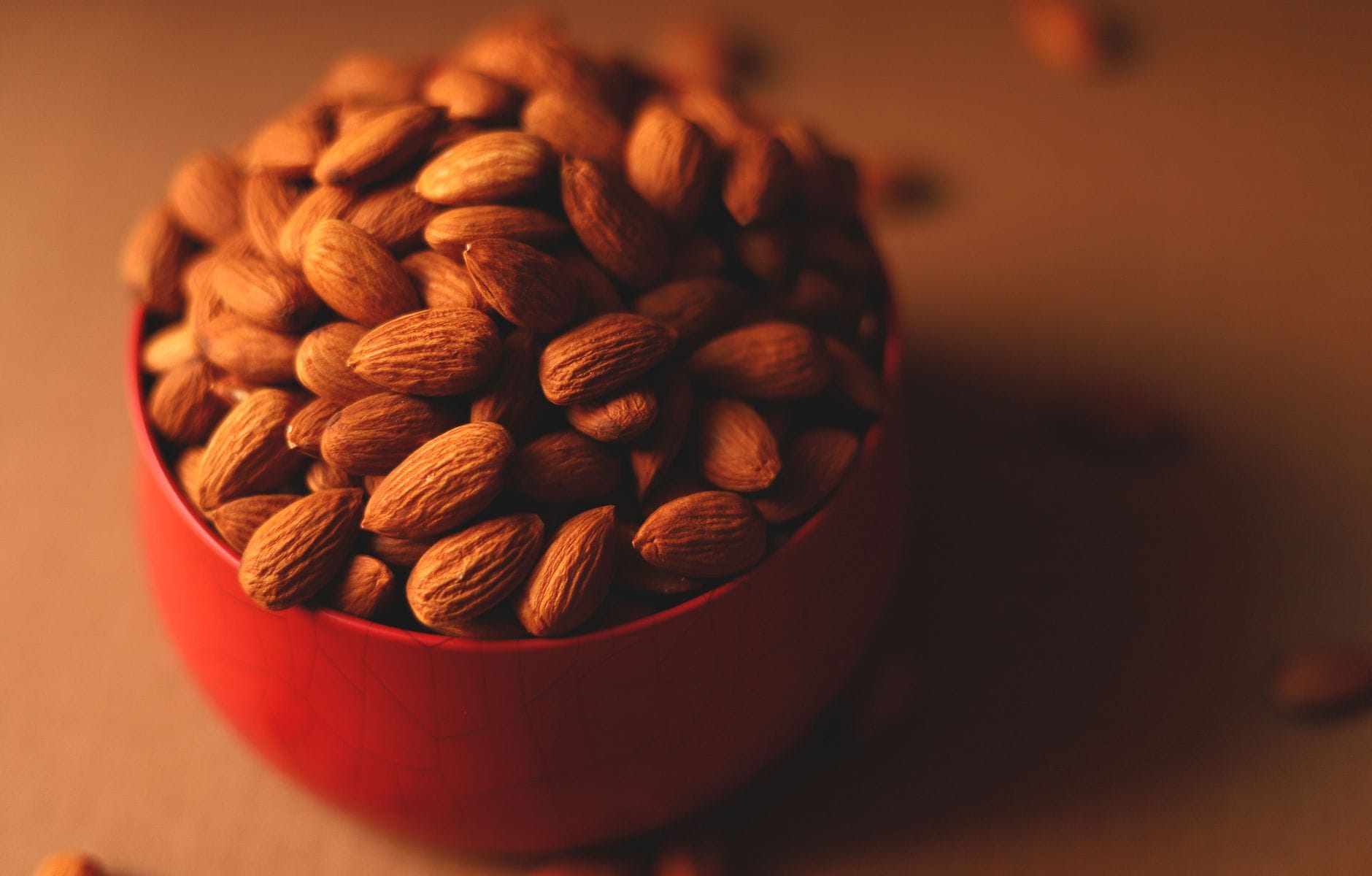
SaveBecause it hydrates and lightly fills you up, a cup of tender coconut water can quiet hunger for an hour or so afterward. Its unique salt-and-sugar balance satisfies your taste buds too, making it easier to skip the junk-food reach between meals.
Heart and Blood-Sugar Support
Excess LDL—the “bad” cholesterol—can build up along artery walls and restrict blood flow. Studies indicate coconut water may help lower cholesterol by converting some of it into bile acids that the body eliminates. Its antioxidants also help neutralize reactive oxygen species, which has been linked to improved insulin sensitivity. Better insulin response means your body is less inclined to store fat.
Building Lean Muscle
 Save
SaveBy keeping calories low, supporting metabolism, and encouraging your body to tap into stored fat for fuel, coconut water helps tilt the balance toward lean muscle over fat accumulation over time.
The Best Times to Sip
 Save
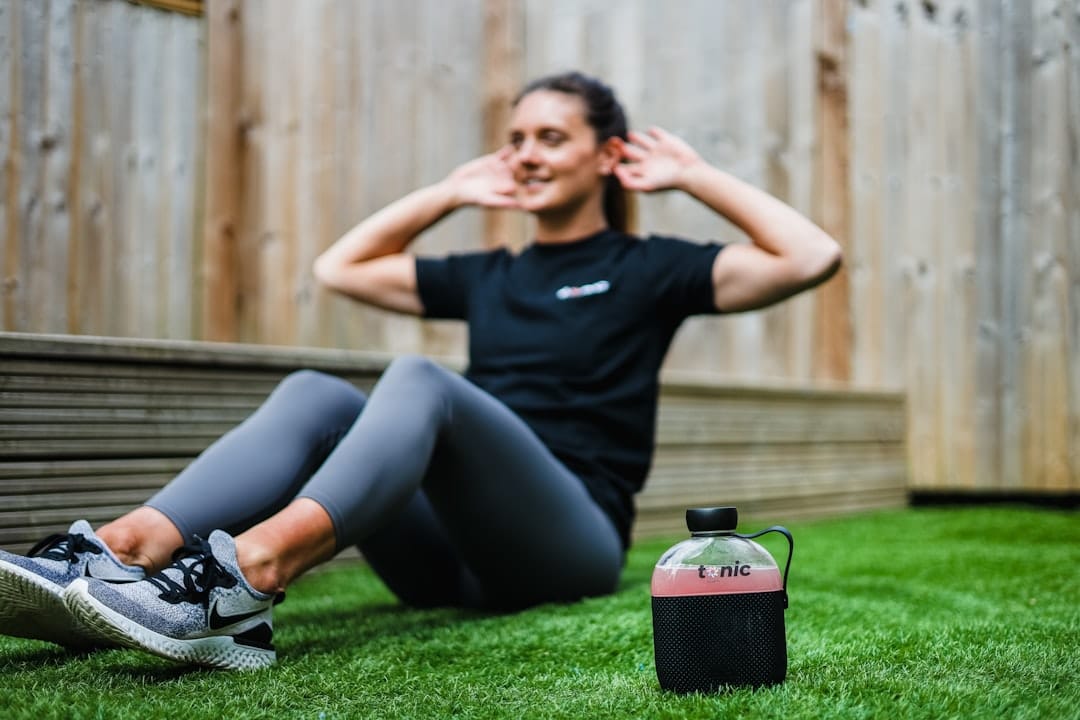
SaveYou do not need to overthink timing, but a few moments stand out:
After a workout, to replace lost fluids and electrolytes.
First thing in the morning, with a squeeze of fresh lime.
Around lunch, to stay full and hydrated.
After a long, draining day, as a restorative pick-me-up.
Simple Coconut Water Recipes
 Save
SaveKeep it interesting with these easy ideas:
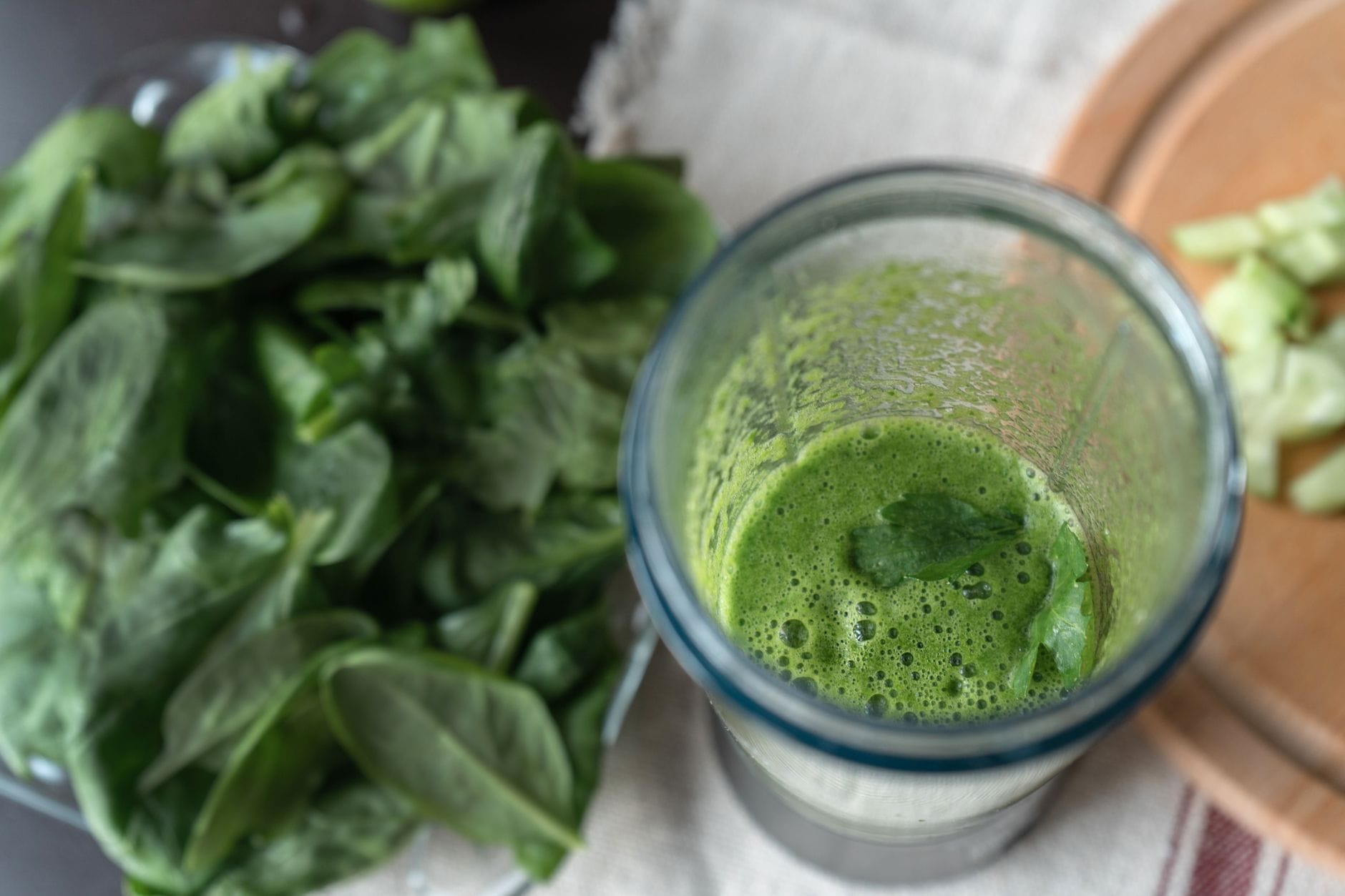
Blend coconut water with spinach, banana, and a scoop of protein powder for a nutrient-dense breakfast smoothie.
Stir in fresh lemon juice, a little honey, and a pinch of salt for a hydrating summer cooler.
Splash it into vegetable or curry soups for a subtly sweet depth of flavor.
Infuse it with strawberries, blueberries, or citrus for a naturally flavored refresher.
A few quick tips: drink it freshly cut whenever possible, don’t store it longer than a day, and never add sugar or artificial sweeteners.
A Few Cautions Worth Knowing
More is not always better. Drinking coconut water more than once or twice daily can push your sugar intake up, which works against weight loss. Each cup also carries about half a gram of saturated fat—modest, but worth noting if you are watching heart health. As with any dietary change, moderation is the key to seeing benefits without the downsides.
Frequently Asked Questions
Can I drink coconut water every day?
Yes, a cup or two daily is generally fine for most people. Going beyond that adds extra natural sugar that can undercut your weight-loss efforts.
Is bottled coconut water as good as fresh?
Fresh, tender coconut water is best. Many bottled versions contain added sugars or flavors that raise the calorie count, so always check the label.
Will coconut water alone help me lose weight?
No drink works in isolation. Coconut water is most effective as a low-calorie swap alongside a balanced diet and regular movement.
The Bottom Line
Coconut water is a genuinely refreshing, nutrient-rich alternative to sugary drinks and even plain water. Its blend of potassium, fiber, protein, and antioxidants can help you stay hydrated, feel fuller, and support a healthier metabolism—all while keeping calories low. Just reach for the fresh, unsweetened, tender variety and enjoy it in moderation. Paired with sensible eating and exercise, it can be a small habit that quietly supports your bigger goals.
This article is for informational purposes only and is not a substitute for professional medical advice. Consult a qualified healthcare provider before making changes to your diet, especially if you have diabetes, kidney concerns, or other health conditions.