
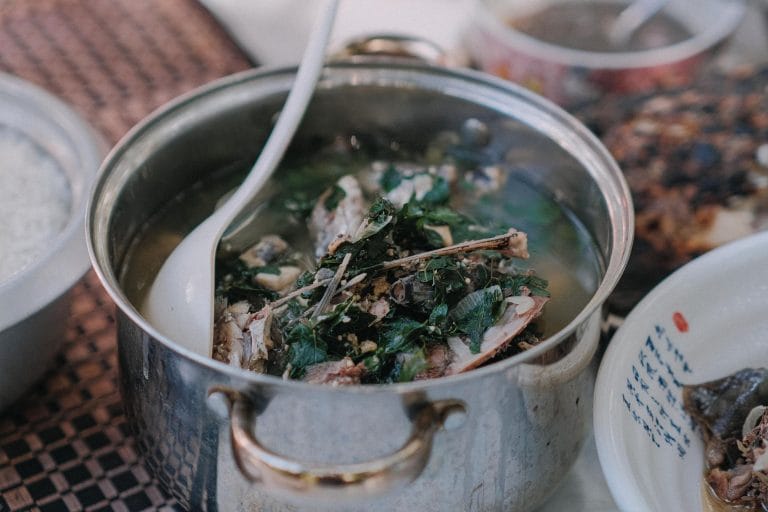
A simmered stock got turned into a weight loss protocol. Here’s what survives the hype.
Bone broth itself is ancient. Nearly every cuisine has some version of it: bones and connective tissue simmered for hours until the liquid turns rich and slightly gelatinous. The diet built around it is much newer. Naturopathic physician Dr. Kellyann Petrucci packaged it into a structured program in her 2015 book, and the idea took off from there.
What she proposed wasn’t just “drink more broth.” It’s a hybrid: two days a week of near-exclusive broth fasting, five days of paleo-style eating, and broth sprinkled throughout as a low-calorie staple. The pitch is weight loss, better digestion, calmer joints, and glowier skin. Some of that has research behind it. Some of it is extrapolation from studies that never involved bone broth at all.
Key Takeaways
– The diet pairs two non-consecutive fasting days (broth only) with five days of paleo-style whole food eating, cutting grains, dairy, legumes, refined sugar, and processed food.
– Weight loss here comes from the calorie deficit the structure creates, not from anything magical in the broth.
– Bone broth supplies collagen, amino acids, and minerals, and gelatin may support the gut lining, though human evidence is thin.
– Collagen supplement research on skin and joints is more promising than the broth research itself.
– Anyone with kidney issues, a history of disordered eating, food allergies, or who is pregnant or nursing should talk to a clinician before starting.
Two Fasting Days, Five Paleo Ones
 Save
SaveThe architecture is simple enough to explain in a sentence, which is part of why it spread.
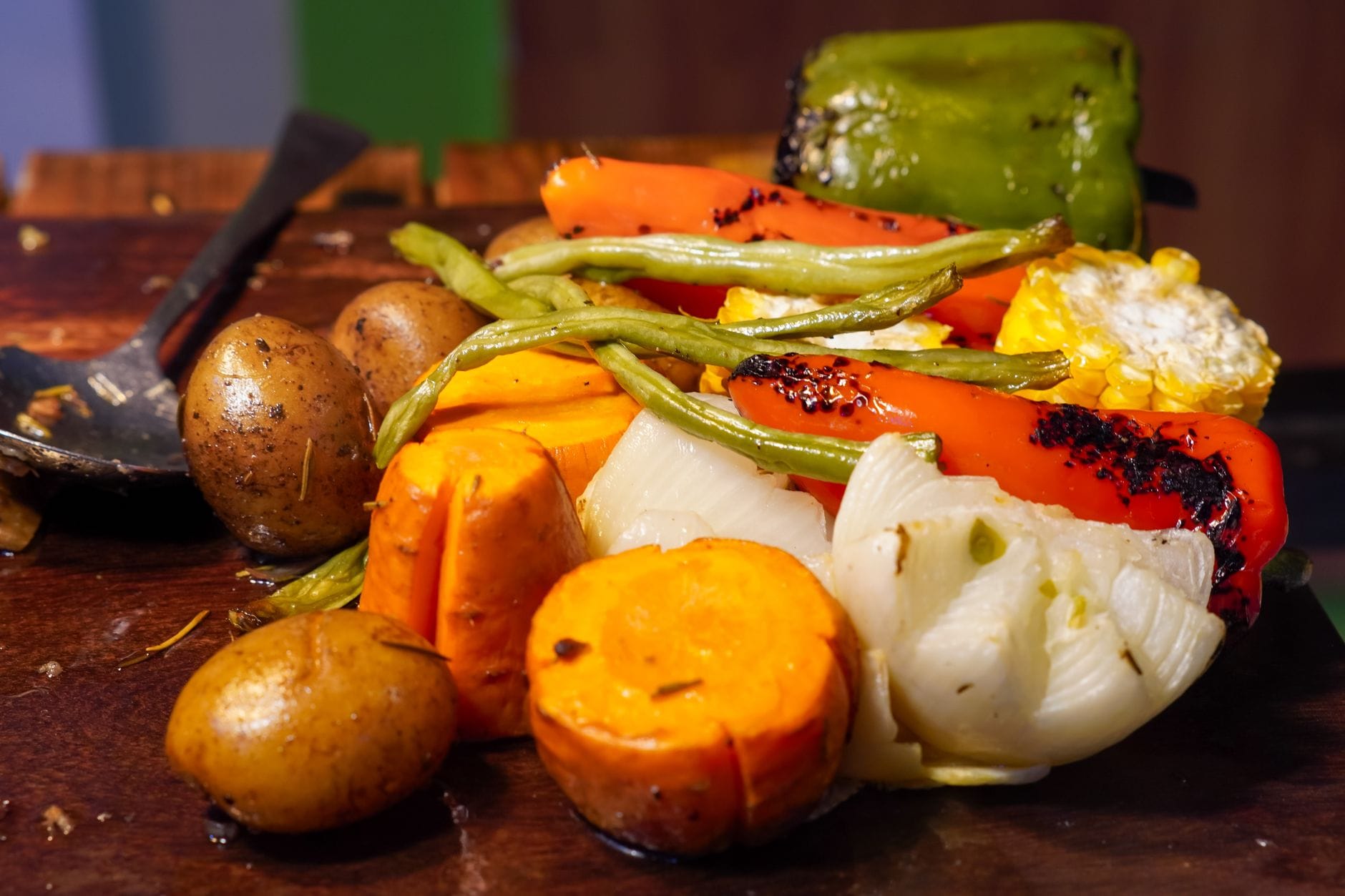
Pick two days that aren’t back to back. On those days, bone broth is essentially the whole menu. The other five days follow paleo rules: lean meat, fish, poultry, eggs, vegetables, fruit, nuts, seeds. Out go grains, legumes, dairy, refined sugars, and anything processed. Broth stays optional but encouraged on those days too, often as a mug in place of an afternoon snack.
Two things happen at once. The fasting days drop your intake sharply, and the paleo days quietly remove most of the calorie-dense convenience food from your kitchen. That combination produces a deficit whether or not you’re counting anything, and a deficit is what moves the scale.
The rest-for-your-digestion framing gets used a lot around fasting days. It’s a comfortable idea and it’s not exactly wrong, but it’s doing less work than the arithmetic is.
Where the Weight Loss Actually Comes From
 Save
SaveBroth is low in calories and reasonably filling. Swap it for a granola bar or a second helping and you’ve cut calories without feeling especially deprived. Do that consistently and it adds up.
That’s the honest mechanism. Bone broth is mainly a tool for eating less rather than a fat-burning agent. Broth simmered with vegetables and herbs does supply vitamins, minerals, and antioxidants, and greater nutrient intake may support metabolism — but that’s a long way from the broth overriding what you eat the rest of the time.
The nutrient story is more interesting than the weight story. Broth carries amino acids and collagen, and the amino acids that support the gut lining may improve how well you absorb what you eat. Better absorption is a real benefit. It just isn’t a weight loss claim.
Broth also isn’t meant to carry the whole load. Effective weight management depends on a combination of dietary choices, regular exercise, and broader wellness habits — not on which liquid is in your mug.
The Collagen Question
 Save
SaveCollagen is the reason bone broth gets talked about the way it does, so it’s worth separating what’s been tested from what’s been assumed.
Collagen supplement trials are genuinely encouraging. Research suggests collagen-based supplements may improve skin hydration and elasticity and help reduce wrinkles. Collagen also provides structure and strength to bones and connective tissue, and it may help maintain and repair joint tissue and ease joint pain.
Here’s the gap: those studies used standardized supplements at measured doses. A pot of broth is not that. The collagen content depends on which bones you used, how long you simmered, and how much water evaporated. Two batches from the same kitchen won’t match. Assuming your Tuesday broth delivers a study-grade dose is a leap, and it’s a leap the marketing makes for you.
This part is less settled than the confident headlines suggest.
What About Gut Health
Gelatin, which is what collagen becomes when you cook it long enough, is the star of the gut argument. The claim is that it helps repair the intestinal lining and calms intestinal inflammation, which is why the diet gets recommended to people dealing with leaky gut or IBS.
There’s mechanistic support for this. There is not much human trial data, and the researchers looking at it say so plainly. More work is needed before anyone can promise a specific outcome.
If you have a digestive condition, that uncertainty cuts both ways. Broth might help. A restrictive elimination protocol might also irritate things, especially if you’re already managing symptoms. That’s a conversation for your gastroenterologist, not a blog.
The Practical Stuff Nobody Mentions
A few realities that don’t fit on a book jacket:
Cost. Good bones aren’t free, and quality store-bought broth is expensive at the volume this diet asks for.
Time. Real broth simmers for hours. If your week doesn’t have room for that, you’re buying it, which loops back to cost.
Deficiency risk. Cutting grains, dairy, and legumes all at once narrows your food sources considerably, and nutritional deficiencies are a recognized downside of this diet.
Digestive complaints. Some people find that much broth doesn’t sit well, particularly on fasting days when it’s all there is.
None of these are dealbreakers on their own. Together, they’re the reason plenty of people try this for two weeks and quietly stop.
Who Should Skip It
Fasting days are a bad fit for anyone with a history of disordered eating, full stop. Kidney issues sit on the list of medical conditions that warrant avoiding this diet. Allergies and sensitivities need checking against the broth ingredients. Pregnancy and nursing are not the time for restriction of any kind.
Everyone else: still worth running past a dietitian, mostly because the paleo half of this diet is more restrictive than it looks on paper.
Broth Versus Stock Versus the Carton
 Save
SaveRegular broth is meat and vegetables simmered briefly. Stock uses bones but cooks for a shorter stretch. Bone broth goes long enough that the connective tissue actually breaks down, which is what gives it that gel-when-cold texture and its collagen content.
That distinction matters if you’re buying it. A carton labeled “broth” from the soup aisle is a different product, nutritionally, from something that simmered for the better part of a day. If it doesn’t thicken in the fridge, it probably didn’t cook long enough to deliver what you’re paying for.
Frequently Asked Questions
How much bone broth should I drink each day?
On fasting days, broth stands in for most of your intake, so you’re sipping it across the day. On paleo days, people typically use a mug of it to replace a snack. There’s no research-backed optimal dose, which is worth remembering when a program prescribes one.
Is there a best time to drink it for weight loss?
Whenever it displaces something more caloric. Mid-afternoon works well for a lot of people because that’s when snacking tends to happen. The timing itself isn’t doing anything special.
Can I just drink broth without the fasting and paleo parts?
Yes, and for many people that’s the more sensible version. You get the nutrients and a filling low-calorie option without the restriction. You won’t get the rapid weight loss the program advertises, but that loss was coming from the deficit anyway.
The Bottom Line
The bone broth diet works the way most structured diets work: it creates a calorie deficit and dresses it in a story. The broth is a decent food with real nutrients, and the collagen research is promising enough to take seriously, even if it was done on supplements rather than soup.
What’s missing is evidence that this specific combination of fasting days and paleo eating does anything a well-built, less restrictive plan couldn’t. If the structure appeals to you and you have no reason to avoid it, it isn’t harmful for a stretch. Just don’t expect the broth to be the reason it works.
This article is for informational purposes only and is not a substitute for professional medical advice, diagnosis, or treatment. Always consult your physician or a qualified healthcare provider before starting any new diet, especially if you are pregnant, nursing, managing a medical condition, or taking medication.