
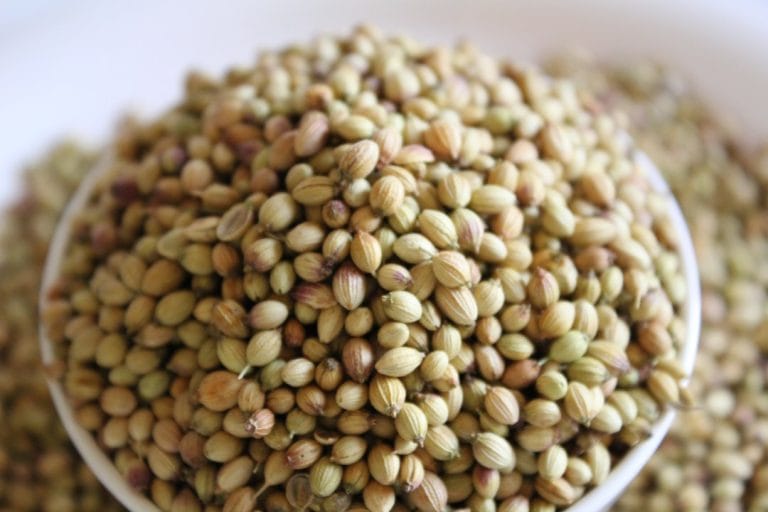
A humble kitchen spice that may quietly become your scalp’s best friend.
Tucked away in nearly every South Asian spice box, methi — better known in English as fenugreek — has been trusted for generations to season curries and settle stomachs. But this tiny golden seed has earned a second reputation entirely: as a gentle, low-cost ally for your hair. Between its mucilage, its nourishing plant compounds, and its long history in home remedies, methi keeps showing up whenever people talk about thicker strands and a calmer scalp.
If you have been eyeing that jar of seeds wondering whether the hair claims hold up, here is a grounded look at three of the most meaningful benefits — and practical ways to put them to work.
Key Takeaways
– Methi (fenugreek) seeds are rich in nutrients and mucilage that may support hair growth and scalp health.
– Research suggests fenugreek can improve hair volume and thickness for many people.
– Its antibacterial and antifungal properties make it a traditional remedy for dandruff and a flaky scalp.
– The high mucilage content works like a natural conditioner, softening and smoothing strands.
– Effects vary from person to person; talk to a doctor or dermatologist before relying on it for persistent hair or scalp problems.
What Are Methi Seeds?
Methi comes from Trigonella foenum-graecum, an annual herb in the Fabaceae family — the same botanical family as soy. Both the fresh leaves and the small, hard seeds have been used as a spice and remedy for centuries, with India producing the lion’s share of the world’s supply. The seeds are the star of most hair rituals, largely because of their generous stores of nutrients and their slippery, gel-forming mucilage that swells when soaked in water.
1. Methi Seeds May Encourage Hair Growth
 Save
SaveThe most celebrated claim is also the best supported. Fenugreek seeds are packed with nutrients thought to stimulate the hair follicle, and even the leaves appear to help — research suggests that a paste made from fenugreek leaves, applied to the scalp, can promote growth while helping preserve natural hair color [1].
Encouragingly, this isn’t only tradition talking. In one study of men and women between the ages of 30 and 67, roughly 83% of participants reported an improvement in hair volume and thickness after treatment with a fenugreek-based supplement [2]. That is a striking response rate for a single natural ingredient, and it helps explain why methi has stayed in the hair-care conversation for so long.
2. Methi Seeds Help Calm a Flaky Scalp
 Save
SaveDandruff is often driven by an irritated, unbalanced scalp — and this is where methi’s second talent shines. The seeds carry antibacterial and antifungal properties, which is why they have been used since ancient times to soothe a flaky, itchy scalp [3]. Those same properties are also why methi is considered a relatively inexpensive treatment for dandruff — one worth reaching for before pricier options.
You can use the seeds inside and out. Ground into a powder, they blend easily into a hair mask or conditioner; taken internally, they contribute to the same overall balance. Either way, the goal is a scalp that feels less tight, less flaky, and less prone to that telltale white dusting.
3. Methi Seeds Condition and Soften Hair
The third benefit is the one you can practically feel. Thanks to its high mucilage content, methi behaves like a natural conditioner. When the seeds soak, they release a slippery gel that coats each strand, helping to smooth the cuticle and leave hair softer to the touch. Folding the powdered seeds into a mask or rinse can amplify that effect, taming frizz without the petroleum-derived ingredients found in many commercial products.
How to Use Methi Seeds for Hair
The beauty of methi is how forgiving it is. A few simple approaches cover most needs.
The Overnight Soak and Paste
 Save
SaveSoak two to three tablespoons of seeds in water overnight. By morning they will be plump and soft — grind them into a smooth paste, adding a little of the soaking water as needed. Massage the paste into your scalp and through the lengths, leave it on for 30 to 45 minutes, then rinse thoroughly. Used once or twice a week, this doubles as both a growth-supporting mask and a conditioning treatment.
Powder in Your Routine
Keep a jar of ground fenugreek on hand and stir a spoonful into your usual hair mask, or even into your conditioner, to layer its benefits onto products you already use.
Should You Eat Methi Too?
 Save
SaveHair health starts from within, and methi is a nutritious seed in its own right. Regularly including it in your diet is a traditional way to support overall wellness — the same fiber and plant compounds studied for blood-sugar balance and general health also contribute to the nourishment your body draws on for hair [4]. Think of topical use and dietary use as two sides of the same habit rather than competing options.
A Note on Safety
Methi is generally gentle, but more is not always better. Eating large amounts can cause digestive upset such as diarrhea, and some people experience allergic reactions. Because fenugreek can also lower blood sugar, anyone managing diabetes or taking medication should check with a doctor before adding it in meaningful amounts. For topical use, do a small patch test first to rule out sensitivity.
Frequently Asked Questions
How long before I see results with methi seeds for hair?
Natural remedies work slowly, so consistent use for at least a couple of months gives the fairest test.
Can I leave methi paste on my hair overnight?
A shorter 30-to-45-minute treatment is usually plenty and easier on the scalp. If you want to leave it longer, keep an eye out for any itching or irritation and rinse well.
Is methi suitable for all hair types?
Yes — topical fenugreek is generally considered suitable for all hair and scalp types. As with any new ingredient, patch-test first if your skin tends to react.
The Bottom Line
Methi seeds are a rare example of a remedy that is affordable, easy to find, and backed by encouraging research. Their nutrients may support hair growth, their antifungal properties can help quiet dandruff, and their mucilage conditions strands the natural way. None of this replaces professional care for serious hair loss or scalp conditions — but as a simple weekly ritual, methi is a lovely, low-risk place to start.
This article is for informational purposes only and is not a substitute for professional medical advice. Consult a qualified healthcare provider or dermatologist before starting any new remedy, especially if you have an underlying health condition, take medication, or are pregnant or breastfeeding.