
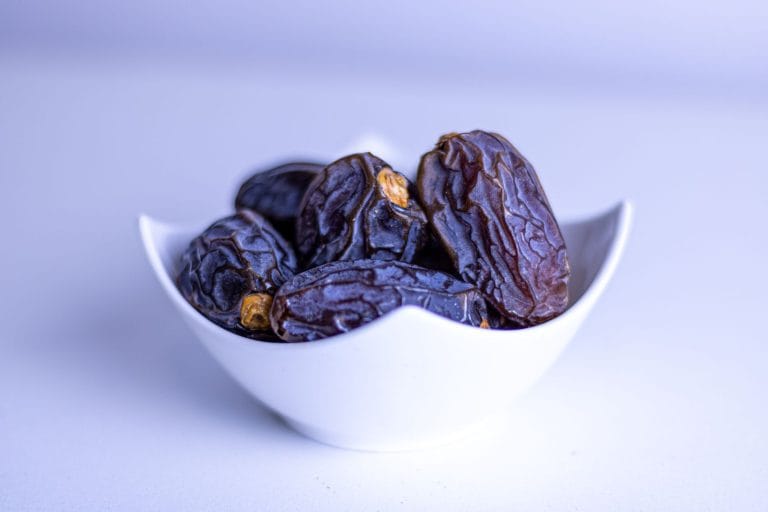
A big, soft, honey-dark fruit that eats like candy but carries real nutrition.
Bite into a fresh Medjool date and it barely feels like fruit. The flesh is thick and chewy, the flavor lands somewhere between caramel and brown sugar, and one is often enough to satisfy a craving. Long a staple of Mediterranean cooking and a favorite natural sweetener, Medjools are the largest and softest of the common date varieties, prized for that dense, sticky texture.
They grow in warm regions across Morocco (their original home), the United States, the Middle East, Africa, and South Asia. Because they’re picked early in the ripening season and sold fresh or dried rather than fully dehydrated, they stay moist and pliable. Here’s the part worth knowing before you keep a jar on the counter: the longer they sit, the sweeter they get, since drying concentrates their natural sugars.
Key Takeaways
– Medjool dates deliver carbohydrates, natural sugars, fiber, and minerals like calcium and potassium in a small package.
– Their sugars make them a quick, portable source of energy.
– Regular, moderate intake may support heart health, digestion, bone strength, and antioxidant defenses.
– The high fructose and potassium content can be a problem for people with kidney disease, sulfite allergies, or IBS.
A Look at the Nutrition
One Medjool date carries about 66.5 calories, according to USDA data. That’s not a lot on its own, but it’s concentrated. Dates aren’t much of a protein or fat source; their value comes from carbohydrates, fiber, and minerals.
Fiber is the standout. Just two dates give you more than 3 grams. They also punch above their weight on minerals: Medjools hold noticeably more calcium than most other date types, and about twice the potassium of a single banana. You’ll find calcium, potassium, manganese, and copper in one small fruit.
Calories and Sugar
 Save
SaveDried fruits, dates included, along with raisins, prunes, and dried apricots, pack more calories per serving than fresh fruit because so much of the water is gone. Dates are essentially a concentrated dose of natural sugars, mostly fructose and glucose, which is exactly why they hit fast when you need fuel. Around 100 grams of date flesh averages roughly 314 calories.
There’s a nuance on blood sugar. Dates carry a low glycemic index and, in studies, haven’t spiked blood glucose the way you might expect from something this sweet. Even so, they’re rich in fructose and calorie-dense, so if you’re managing diabetes it’s worth reading through the trade-offs in this guide to whether dates are safe for people with diabetes before you snack on them daily.
What Medjool Dates Can Do for You
The perks below come from real nutrients, not marketing. None of them turn a date into medicine, but a modest habit adds up.
A Friendlier Profile for Your Heart
That fiber does more than fill you up. Dietary fiber helps keep LDL (“bad”) cholesterol in check and discourages the plaque buildup that narrows arteries. In a test-tube study, Medjool and several other date varieties lowered LDL and helped prevent that buildup, the kind that can eventually block blood flow and raise the risk of a stroke or heart attack.
Better Digestion
 Save
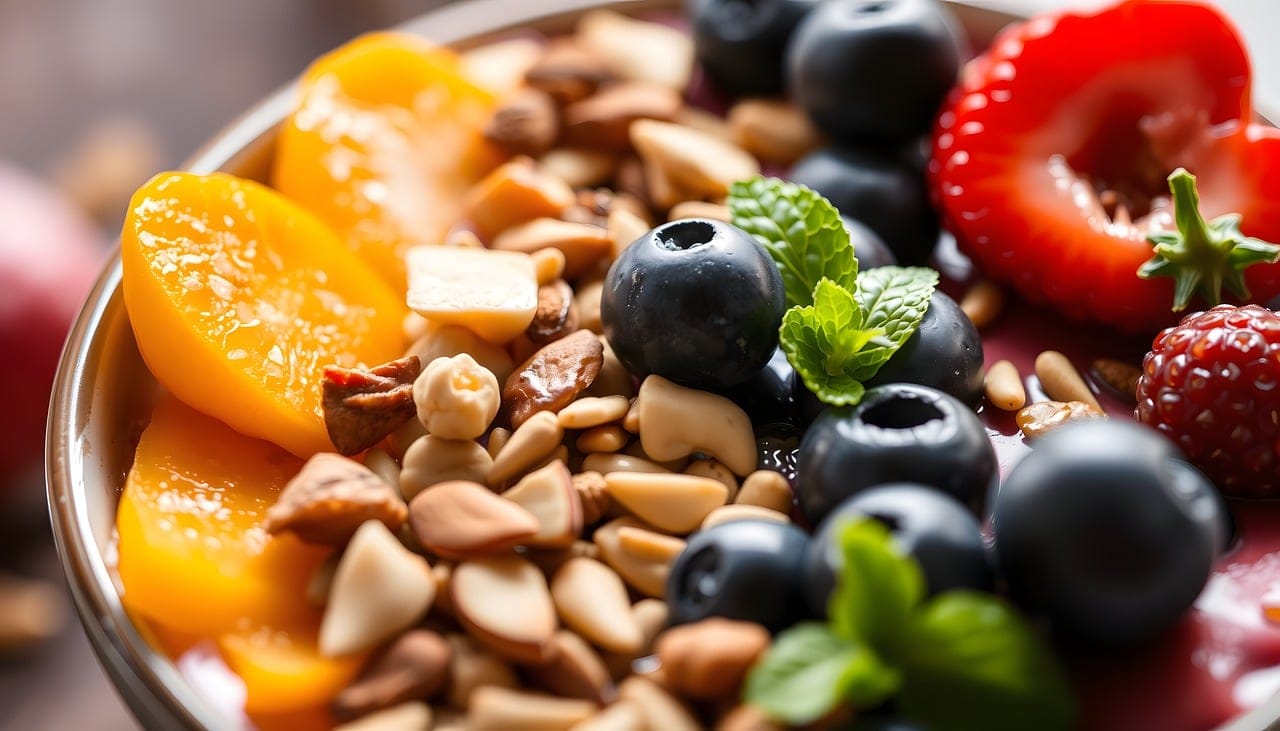
SaveFiber earns its keep here too. It bulks up stool and keeps things moving on a regular schedule, which is why dates have a reputation for easing constipation. In one small study, 21 people who ate seven dates (about 168 grams) a day for three weeks reported a real improvement in how often they had a bowel movement.
Antioxidants, and Plenty of Them
Medjool dates are loaded with antioxidants that help shield your cells from oxidative damage, the slow wear-and-tear linked to heart disease, diabetes, cancer, and cognitive decline. The main players are carotenoids, flavonoids, and phenolic acids, all studied for anti-inflammatory and brain-protective effects. Dates actually rank among the highest in antioxidants of any dried fruit, ahead of prunes and figs.
Support for Your Bones
The mineral mix in Medjools, potassium, manganese, calcium, and copper, all feed into bone maintenance. No single date will fortify your skeleton, but these are the same nutrients bones rely on to stay dense over time.
Easy Ways to Eat More of Them
 Save
SaveMedjools are sold year-round, usually pitted. If yours still have pits, slice each date lengthwise and lift it out. Their natural sweetness makes them a genuine stand-in for refined sugar, which is handy if you’re trying to clean up your baking. To make a paste, blend about two cups of pitted dates with roughly 1¼ cups of water until smooth.
From there, the options are wide open:
Blend the paste into smoothies, milkshakes, or homemade nut milk.
Chop them over oatmeal or cereal.
Stuff them with peanut butter or a bit of cheese for a snack that feels indulgent.
Fold them into brownies, tarts, pies, or no-bake energy balls.
Chop a couple into a savory dish to round out the flavor.
Eat two or three before a workout for quick fuel.
Because they’re a naturally sweet, whole-food swap, dates fit nicely into the kind of homemade cooking you’ll find in these weight-loss recipes that lean on real ingredients. Store them pitted and sealed in an airtight container somewhere cool and dry, the pantry or the fridge both work.
When to Go Easy
 Save
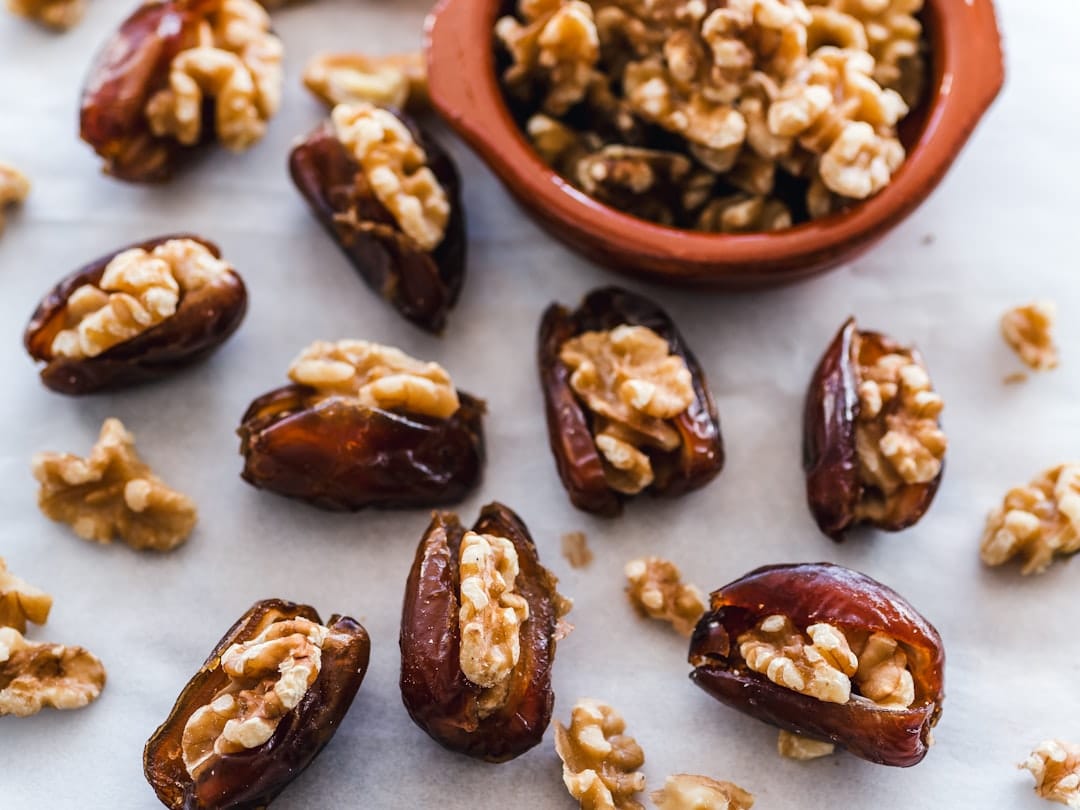
SaveDates are a healthy snack in moderation. The word moderation is doing real work, though, because a few things can turn against you.
Weight and calories. The fiber keeps you full, which can help with appetite control, but Medjools are calorie-dense. Handfuls add up fast, so if you’re watching your intake, portion them out rather than grazing. Fitting them into a structured plan like a sensible calorie deficit makes that easier than eating them by feel.
Kidneys. All that potassium has to be processed by your kidneys. Anyone with chronic kidney disease, hyperkalemia, or a history of kidney trouble should check with a doctor before making dates a regular thing.
Allergies. Dried fruits often carry sulfites as preservatives, and some people are sensitive. Stomach pain, bloating, rashes, wheezing, or diarrhea after eating dried fruit can signal a sulfite reaction, in which case Medjools are worth skipping.
IBS. For people with irritable bowel syndrome, the sugars and fiber in dates can aggravate symptoms rather than soothe them.
Frequently Asked Questions
How many Medjool dates can I eat in a day?
For most healthy people, two to four is a reasonable everyday range. They’re calorie-dense, so more than that regularly can crowd out other food or nudge your intake higher than you intended.
Are fresh Medjool dates healthier than dried ones?
The nutrients are similar, but dried dates concentrate both sugar and calories because they’ve lost water. Fresh Medjools are softer and slightly less calorie-dense per gram.
Can Medjool dates really replace sugar in baking?
Yes, blended into a paste they sweeten smoothies, energy balls, and baked goods while adding fiber. The texture and moisture differ from granulated sugar, so expect denser, chewier results.
The Bottom Line
Medjool dates are one of the rare foods that taste like a treat while quietly delivering fiber, potassium, calcium, and a strong dose of antioxidants. Eaten in sensible amounts, they can support heart health, keep digestion regular, and stand in for refined sugar. The cautions are real for specific groups, kidney conditions, sulfite allergies, IBS, and anyone closely tracking calories, so keep portions modest and check with a clinician if any of those apply to you.
This article is for informational purposes only and is not a substitute for professional medical advice. Talk to your doctor or a registered dietitian before making significant changes to your diet, especially if you have a health condition.