

A soft, protein-heavy muffin that uses up brown bananas and tastes nothing like cottage cheese.
Most banana muffins are cake in disguise. They taste great at 8am and leave you rummaging through the cupboard by 10. Swapping some of the flour and fat for cottage cheese changes that maths: you get the same soft crumb, but each muffin carries a meaningful amount of protein, which is the part that actually keeps a breakfast working.
If the words “cottage cheese” put you off, it is worth knowing that you cannot taste it here. Blended into the wet ingredients it disappears completely, leaving behind moisture and a slight tang that plays well against banana and peanut butter. What follows is the method, the two things that usually go wrong, and how to keep them.
Key Takeaways
– Cottage cheese blends invisibly into muffin batter, adding protein and moisture without a dairy flavour.
– Higher-protein breakfasts are consistently linked to greater fullness than carbohydrate-heavy ones.
– Very ripe, heavily spotted bananas are essential; underripe fruit gives a bland, dry muffin.
– Blend the cottage cheese smooth unless you want visible white curds in the finished crumb.
– They freeze well for up to three months and reheat from frozen in under a minute.
Why Cottage Cheese Belongs in a Muffin
 Save
SaveCottage cheese is mostly water and casein protein, which makes it behave a lot like yoghurt in baking. It brings moisture without much added fat, and the protein sets gently in the oven, giving the crumb structure that would otherwise come from more flour or another egg.
The nutritional argument is straightforward. Research on protein-rich breakfasts has repeatedly found greater satiety and steadier appetite through the morning compared with lower-protein equivalents, and dairy protein in particular has been studied for its effect on gut hormones tied to fullness. None of that turns a muffin into health food, but it does explain why one of these holds you better than a standard bakery muffin of the same size.
The flavour argument is simpler: the mild acidity of cottage cheese sharpens banana the way buttermilk sharpens a pancake.
What Goes Into Them
 Save
SaveThis makes 12 standard muffins.
Wet ingredients
1 cup (225g) cottage cheese, any fat level
3 very ripe bananas, heavily spotted, roughly 350g peeled
2 large eggs
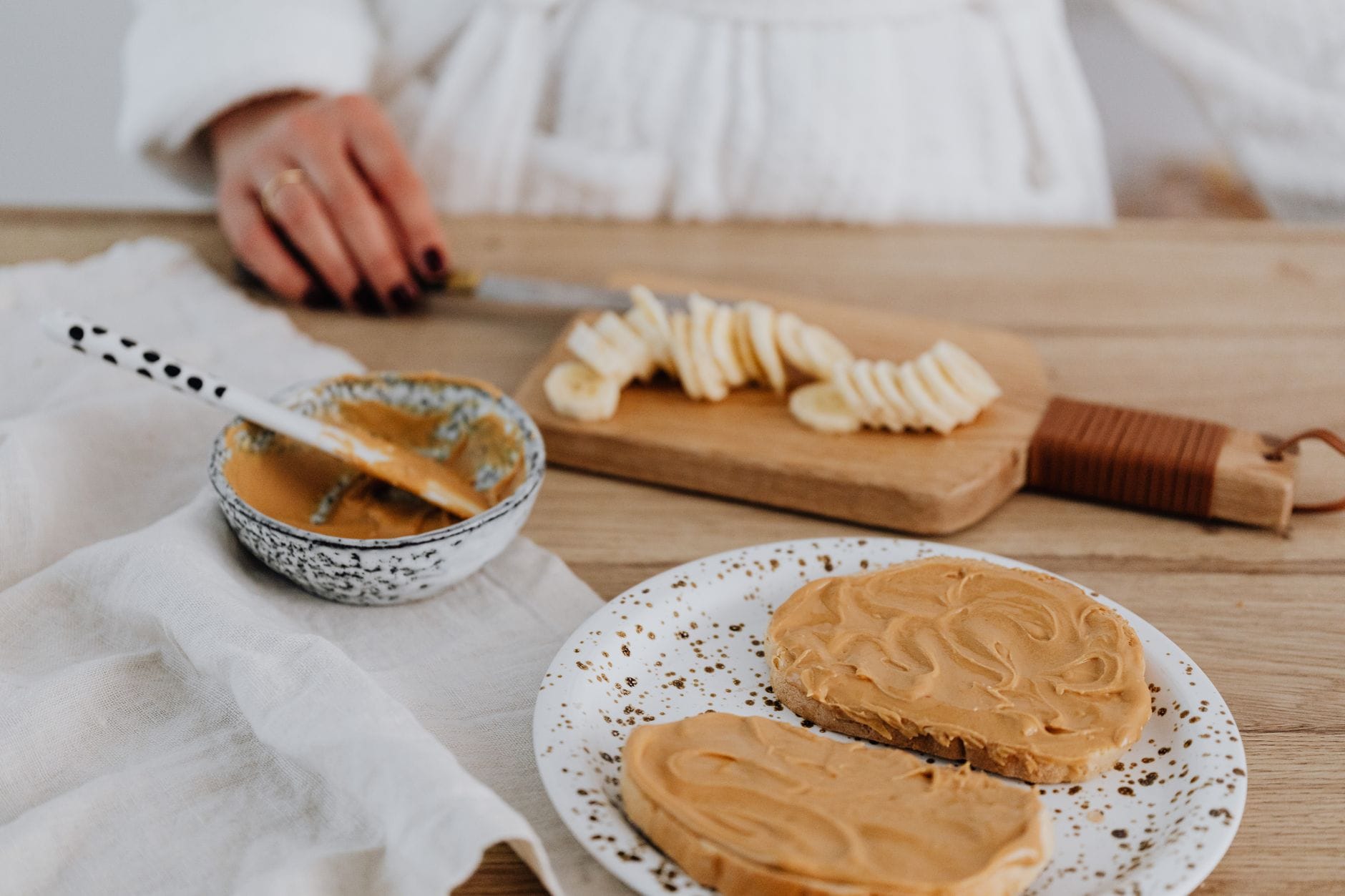
1/3 cup (85g) natural peanut butter, the runny kind
1/4 cup (60ml) maple syrup or honey
1 teaspoon vanilla extract
Dry ingredients
1 3/4 cups (210g) plain or wholemeal flour
2 teaspoons baking powder
1/2 teaspoon bicarbonate of soda
1/2 teaspoon fine salt
1 teaspoon ground cinnamon
Optional
1/3 cup dark chocolate chips or chopped roasted peanuts
Use full-fat cottage cheese if you want a richer crumb, or low-fat if you are watching the numbers. Both work. The peanut butter should be the loose, stir-it-yourself kind; the stabilised sort is stiffer and can make the batter heavy.
How to Make Them
 Save
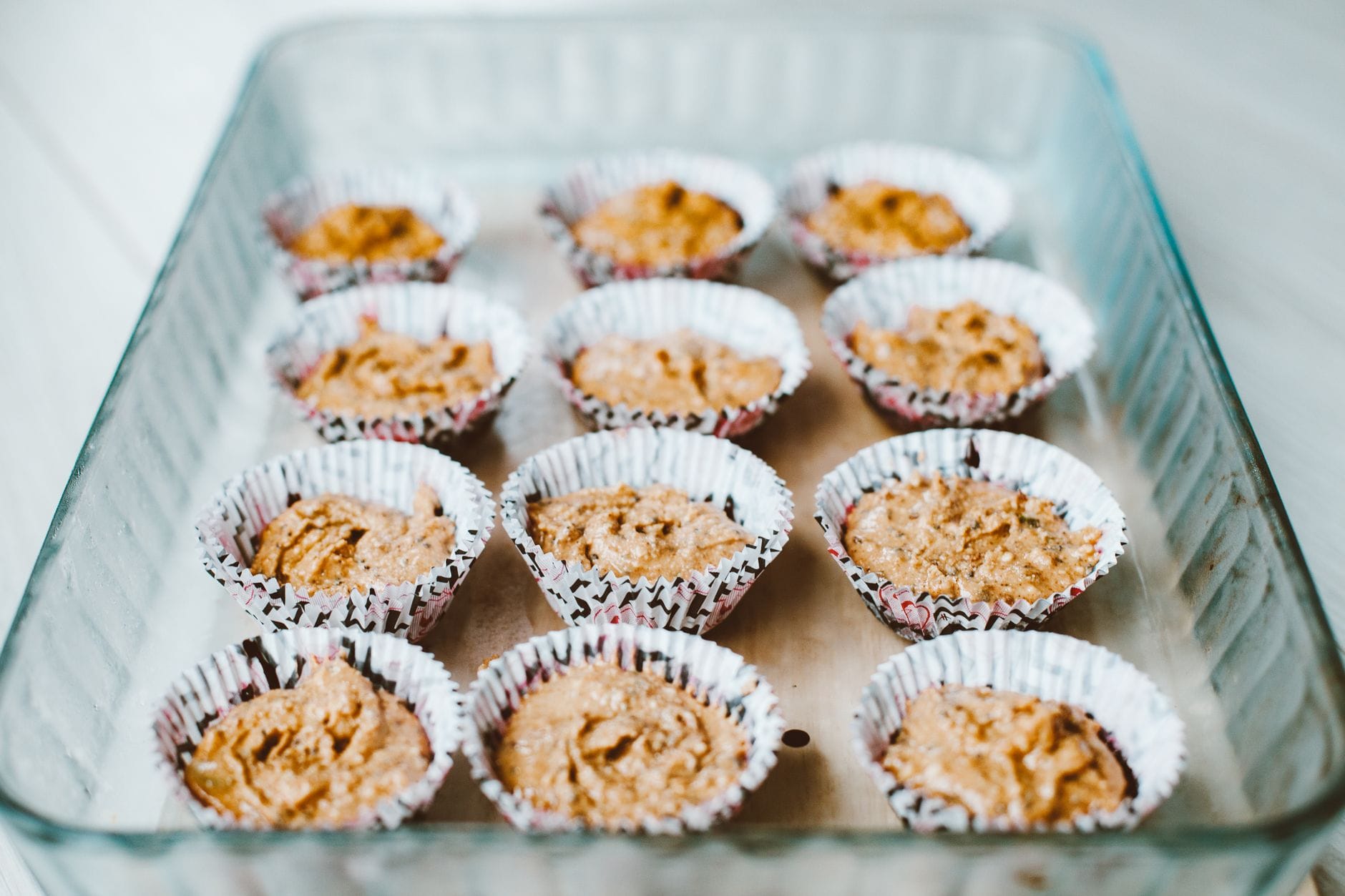
Save1. Heat the oven to 190C (375F) and line a 12-hole muffin tin with paper cases.
2. Put the cottage cheese, bananas, eggs, peanut butter, syrup, and vanilla into a blender or food processor. Blend for 30 to 45 seconds, until completely smooth with no visible curds.
3. Whisk the flour, baking powder, bicarbonate of soda, salt, and cinnamon together in a large bowl.
4. Pour the wet mixture into the dry and fold with a spatula until only a few streaks of flour remain. Stop there. Overmixing develops gluten and gives you a tough, tunnelled muffin.
5. Fold through the chocolate chips or peanuts if using.
6. Divide between the cases, filling each about three-quarters full. Scatter a few extra chips on top if you want them to look bakery-made.
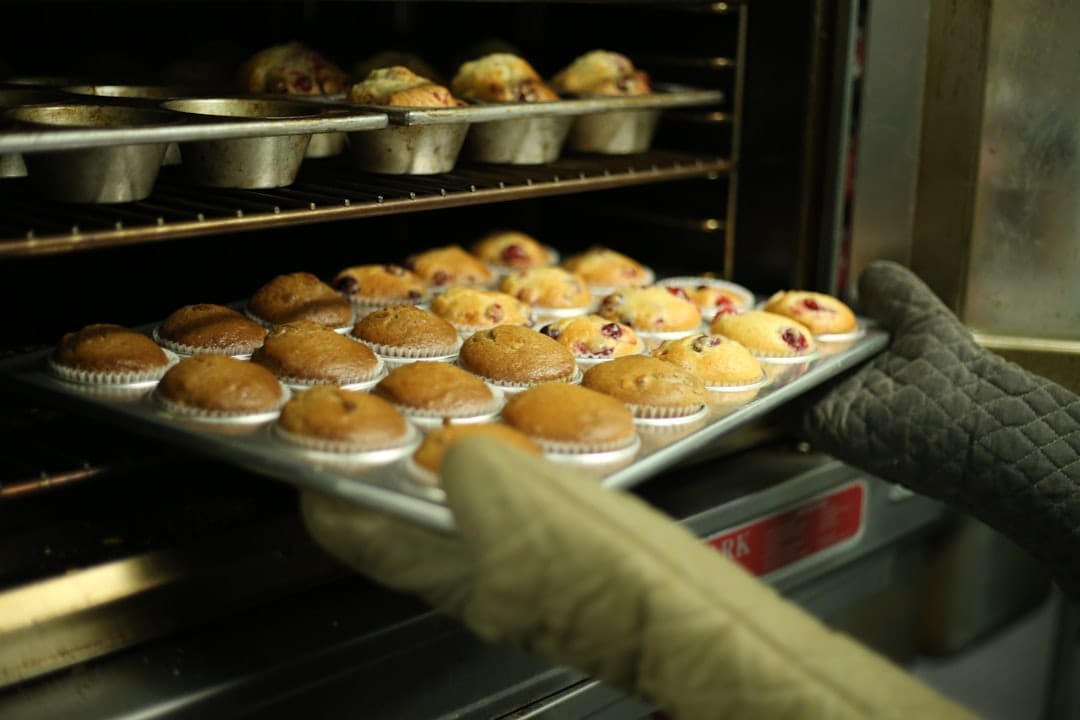
7. Bake for 20 to 24 minutes, until risen, golden, and a skewer comes out with a crumb or two but no wet batter.
8. Cool in the tin for 5 minutes, then move to a wire rack.
Two things commonly go wrong. If your muffins have visible white flecks, the cottage cheese was not blended long enough. If they are dense and gummy in the middle, the bananas were not ripe enough or the batter was overmixed. Both are fixable next time.
Storing and Freezing Them
 Save
SaveCool them completely before they go anywhere. Warm muffins in a sealed container steam themselves and the paper cases turn soggy.
At room temperature in an airtight tin they keep for two days. Because of the cottage cheese and the moisture from the bananas, these are more perishable than a standard muffin, so after day two move them to the fridge, where they hold for five days.
They freeze better than most baked goods. Wrap individually in cling film, then bag them, and they keep for three months. To reheat, microwave from frozen for 40 to 60 seconds, or leave one out overnight for breakfast the next morning. A frozen muffin dropped into a lunchbox will thaw by midday.
The Bottom Line
These are a genuinely useful breakfast: quick to make, made from things you probably already have, and substantially more filling than the banana muffins they replace. The cottage cheese does real work here, adding protein and moisture while staying completely invisible in the finished crumb. Blend it properly, use bananas well past the point you would eat them, and stop mixing the moment the flour disappears.
This article is for informational purposes only and is not a substitute for professional medical advice. Talk to your doctor or a registered dietitian before making significant changes to your diet, especially if you have a health condition or a known food allergy.