

A tan is your skin doing its job, and there are calm, evidence-based ways to even things back out.
You spend an afternoon outside, and a few days later your face looks a shade or two deeper than the skin your collar hides. That’s a tan, and while it can feel stubborn, it’s a temporary response, not a permanent stain. The good news is that most of us already have half a dozen tan-fading ingredients sitting in the kitchen, and the rest comes down to habits.
This guide walks through why skin tans at all, what dermatology clinics offer for faster results, which pantry remedies have some research behind them, and how to stop a fresh tan from settling in again.
Key Takeaways
– Sunlight prompts your skin to release melanin, which darkens exposed areas and shows up as a tan.
– Ingredients like tomato, aloe vera, lemon, and honey may help fade pigmentation gradually with regular use.
– Clinic options such as exfoliation, chemical peels, and laser work faster but need professional guidance.
– Daily sunscreen and covering up are the cheapest, most reliable ways to prevent a tan in the first place.
– A tan itself fades, but underlying UV damage can become permanent, so prevention matters most.
Why a Tan Shows Up in the First Place
 Save
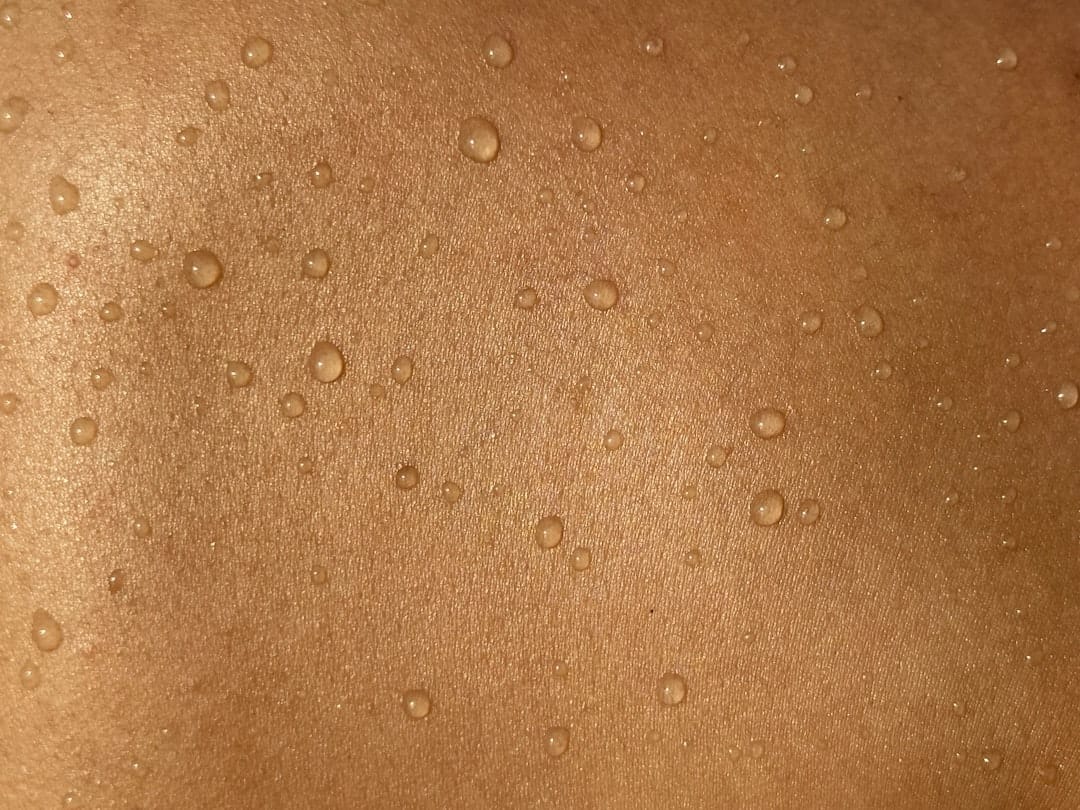
A tan is uneven coloring that appears after your skin meets sunlight. The pigment behind it is melanin, and its whole purpose is protection. When UV rays hit your skin, your body pushes melanin toward the surface to absorb some of that radiation and shield the cells underneath. More exposure means more melanin, which means a deeper tan.
Some people go brown faster than others, and that comes down to how much melanin their skin already carries. People with darker skin tones tend to tan readily because their melanin-producing cells spread across sun-exposed areas quickly. That’s a defense mechanism, not a flaw.
One survey of more than 31,000 US adults found that about a third had experienced a sunburn in the previous year, with the highest rates among people aged 18 to 29 and those with sensitive skin. Sunburn and tanning ride along the same UV exposure, which is why the same precautions cover both.
Here’s the part worth holding onto: a tan fades, but the damage below it may not. Long-term sun exposure can cause lasting hyperpigmentation, which sometimes looks like a tan that never leaves. A related condition, solar elastosis, gives skin a yellowish cast and changes its texture. That’s the real argument for prevention.
In-Clinic and Salon Options
If you want faster or more even results than a kitchen remedy delivers, a dermatologist has several tools. These work by removing pigmented surface cells or lifting excess melanin, and each carries its own trade-offs.
Exfoliation sloughs away dead cells on the surface, revealing clearer, more even-toned skin underneath.
Chemical peels lift unwanted melanin and can help with conditions like melasma. After a peel, skin usually returns closer to its original complexion, but you’ll need diligent sunscreen and moisturizer afterward, since dryness can leave dark spots.
Laser treatment targets the outermost layer of dry, dead skin and encourages renewal. It’s precise, useful for tricky areas, and can soften acne scars and blemishes at the same time.
Bleaching brightens and evens the face quickly, but the chemicals can be harsh, so it isn’t something to lean on regularly.
Staying well hydrated supports all of this. When your skin is supple, it turns over and sheds dead cells more easily, which quietly assists any exfoliation you do. If clearer, calmer skin is your broader goal, the same habits that fade a tan overlap with gentle ways to get clear skin naturally.
Kitchen Remedies Worth Trying
 Save
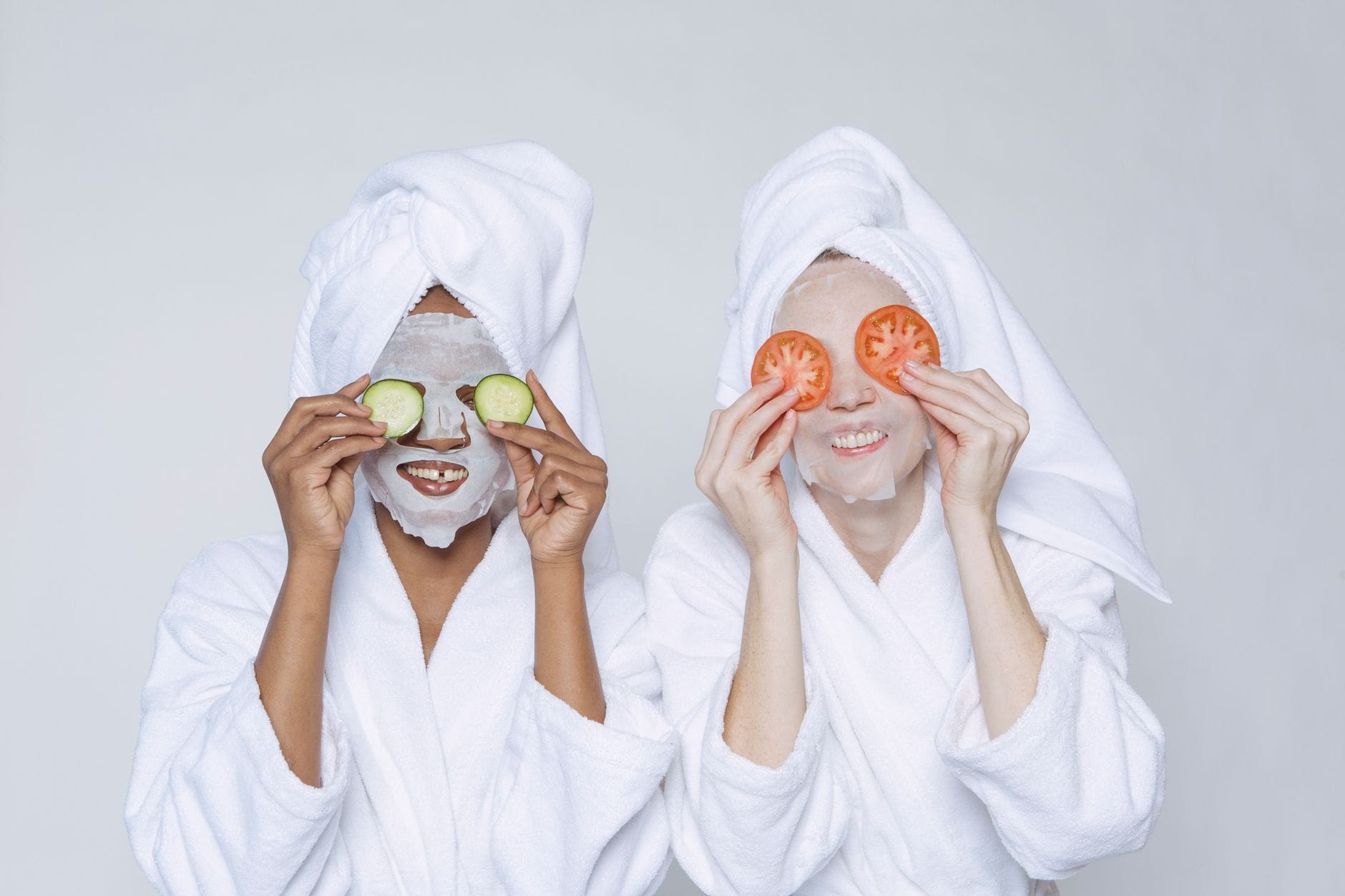
None of these are overnight fixes. Used a couple of times a week, though, several common ingredients have research suggesting they can nudge pigmentation in the right direction. Patch-test anything new on your inner arm first, especially the acidic ones.
Tomato and Lemon
Tomatoes are loaded with phytochemicals, including carotenoids, that help counter UV-induced damage. Mash one or two tomatoes into a paste, stir in a teaspoon of lemon juice, and spread it over tanned areas. Leave it 15 to 20 minutes, then rinse with cool water, once or twice a week.
Lemon on its own is a strong source of vitamin C, which has anti-pigmentary properties. Dab fresh juice on with a cotton pad, wait 15 to 20 minutes, and rinse. Two things to respect: it can sting, and it makes skin more sensitive to sun, so save it for evenings and wear sunscreen the next day.
Aloe Vera and Cucumber
 Save
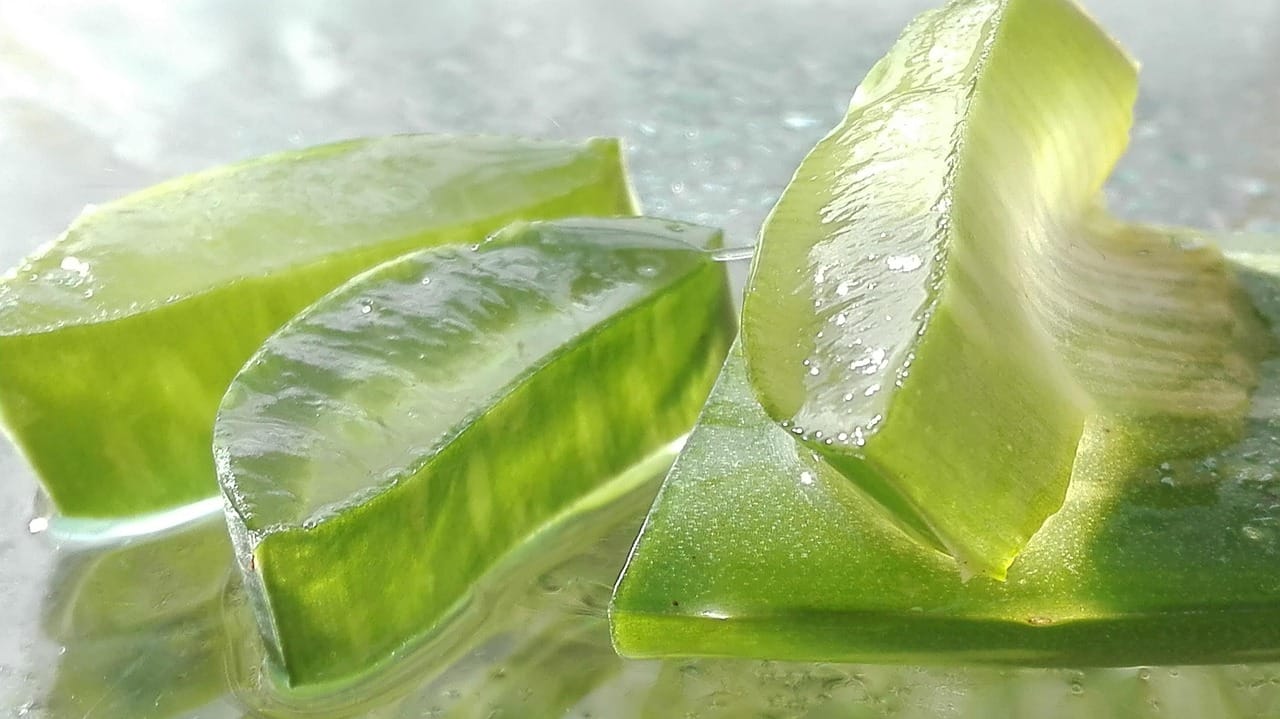
Aloe vera contains compounds that slow tyrosinase, the enzyme that drives melanin production, which is why it turns up in so many brightening routines. Cucumber does something similar. Blend one cucumber into a paste, mix in a tablespoon each of aloe gel and honey, apply for 20 minutes, and rinse. Twice a week is plenty. Because aloe is soothing rather than harsh, it’s a friendly option if your skin also tends toward irritation, the kind of gentle approach that overlaps with natural fixes for facial rashes.
Honey, Papaya, and Black Tea
Honey brings polyphenols that inhibit tyrosinase, plus it’s an emollient that softens and evens skin. Combine a tablespoon of honey with a teaspoon of lemon juice, leave on for 15 to 20 minutes, and rinse.
Papaya works differently, acting as a mild exfoliant that lifts dead cells. Puree a ripe papaya, add lemon juice, apply for about 10 minutes, then rinse thoroughly.
Black tea has anti-melanogenic properties and offers a little sun protection too. Mix a teaspoon of black tea with a quarter-teaspoon of turmeric and a teaspoon of chickpea flour, add a few drops of water to form a paste, and leave on for 15 minutes once a week. Since honey and papaya both hydrate as they work, they pair naturally with the broader habit of keeping skin moisturized with kitchen ingredients.
Keeping a New Tan From Setting In
 Save
Fading a tan is slower than preventing one, so the smartest energy goes toward blocking UV before it reaches your skin. Cover your face when you can with a hat or scarf, reach for long sleeves on bright days, and make sunscreen a daily step rather than a beach-only one. Reapply it if you’re out for hours.
If you simply want to disguise a tan for an event rather than fade it, a bronzer in the shade closest to your current tone blends the uneven patches so nothing stands out. That’s cosmetic, not corrective, but it buys time while the remedies do their slower work.
Frequently Asked Questions
How long does a sun tan take to fade on its own?
A tan is temporary and usually lightens over several weeks as your skin naturally sheds and renews its surface cells. Gentle exfoliation and the remedies above can speed that along, but consistency matters more than intensity.
Can a tan ever become permanent?
The tan itself fades, but repeated UV exposure can cause lasting hyperpigmentation or solar elastosis, which may look like a tan that won’t budge. If dark patches persist for months, see a dermatologist rather than scrubbing harder.
Is lemon juice safe to use on my face?
It can help with pigmentation, but it stings some people and makes skin more sun-sensitive. Always patch-test first, use it in the evening, and follow with sunscreen the next day.
The Bottom Line
A sun tan is your skin protecting itself, and in most cases it fades on its own once you’re out of the sun. Kitchen ingredients like tomato, aloe, honey, and papaya can help even out your tone with regular, patient use, while clinic treatments offer faster results under professional care. The real win, though, is prevention: sunscreen, shade, and a hat spare you the fading work entirely and, more importantly, protect against the UV damage that can actually stick around.
This article is for general information only and isn’t a substitute for professional medical advice. If you have persistent pigmentation, skin changes, or a reaction to any remedy, please consult a qualified dermatologist or healthcare provider.