

A clear-eyed look at kidney cleanses—what they can and can’t do, and the simple habits worth adopting.
Your kidneys are quiet overachievers. Beyond filtering waste out of your blood, they help produce red blood cells, keep your blood pressure steady, and balance minerals like calcium throughout your body (1). When they’re working well, you rarely think about them at all.
The catch is that poor eating habits, skimping on fluids, and everyday exposure to toxins can leave your kidneys overworked (2). That’s where the idea of a “kidney flush” comes in. Below, we’ll unpack what a flush really involves, whether you actually need one, and the food-and-lifestyle tweaks that genuinely support kidney health.
Key Takeaways
– A kidney flush is a detox-style approach that leans on hydration and certain kidney-friendly foods.
– Healthy kidneys are self-cleaning, so most people don’t need a restrictive cleanse.
– Symptoms like nausea, fatigue, swollen ankles, and dry, itchy skin can signal stressed kidneys.
– No specific cleanse diet is backed by strong science—but drinking enough water and eating well always help.
– If you have kidney disease or take medication, talk to your doctor before trying any detox or herbal remedy.
What a Kidney Flush Really Means
A kidney flush—often called a cleanse—is essentially a detox diet aimed at supporting kidney function. There’s no single version. Some cleanses run for a few days, others longer; some are highly restrictive, while others simply add specific foods and cut out a few others.
Supporters say a cleanse helps the kidneys clear out built-up waste and lowers the risk of kidney problems. Here’s the honest truth, though: no particular cleanse protocol has been validated by research, and some experts warn that an aggressive cleanse could actually stress the kidneys rather than help them. What is reasonable is the underlying advice—drinking more fluids and eating more kidney-supportive foods is good for your overall health regardless.
A cleanse also isn’t right for everyone. If you have existing kidney disease or another medical condition, run any dietary or supplement changes past your physician first.
Do You Actually Need One?
It depends entirely on your kidneys’ current state. Because they’re self-cleaning organs, a healthy pair doesn’t need a restrictive diet—and going too far can actually rob your body of nutrients it needs.
So when might your kidneys benefit from extra support? Their main job is filtering blood and sending excess water, toxins, and waste out as urine. When you don’t drink enough, clearing that waste gets harder. Chronic stress, environmental toxins, and a diet low in fruits and vegetables can all drag down kidney performance too (2).
According to Dr. Peter Michael, MD, it typically takes the kidneys about 48–72 hours to flush out naturally, though that window shifts from person to person based on diet, hydration, and overall health. His bottom line: drink plenty of water to help your kidneys clear waste—and even more so if you’re attempting a cleanse.
Warning Signs Your Kidneys Are Stressed
Your body often signals when your kidneys could use a hand. Watch for (3):
Nausea and fatigue
Itchy, dry skin
A bad taste in your mouth
Swollen ankles
Brain fog
Changes in how often you pee or in urine color
Leg pain
Recurring kidney stones or frequent UTIs
Kidney stones, in particular, are common. In a study of 10,521 U.S. adults aged 20 and older, 11% had experienced kidney stones. If any of these signs sound familiar, it may be worth considering ways to give your kidneys some support.
Foods and Habits That Support Your Kidneys
 Save
SaveSince no specific cleanse diet holds up to scientific scrutiny, skip the rigid day-by-day plans. Focus instead on these evidence-informed habits.
Drink More Water
 Save
SaveIf you want the fastest, simplest way to support your kidneys, this is it. Every organ needs water, and kidneys rely on it to make urine—the vehicle that carries toxins out of the body. Low urine volume is linked to kidney dysfunction, including stone formation (4). General guidance suggests roughly 4 liters daily for men and 3.1 liters for women (5). If you’ve been falling short, use a cleanse as a reason to build the habit for good.
A quick caution: more isn’t always better. Drinking excessive amounts can dangerously dilute your blood sodium, a condition called hyponatremia, bringing on fatigue, nausea, headaches, blurred vision, and—in severe cases—seizures (6). Match your intake to your activity and needs, and check with a provider if you have a kidney condition.
Reach for Berries
 Save
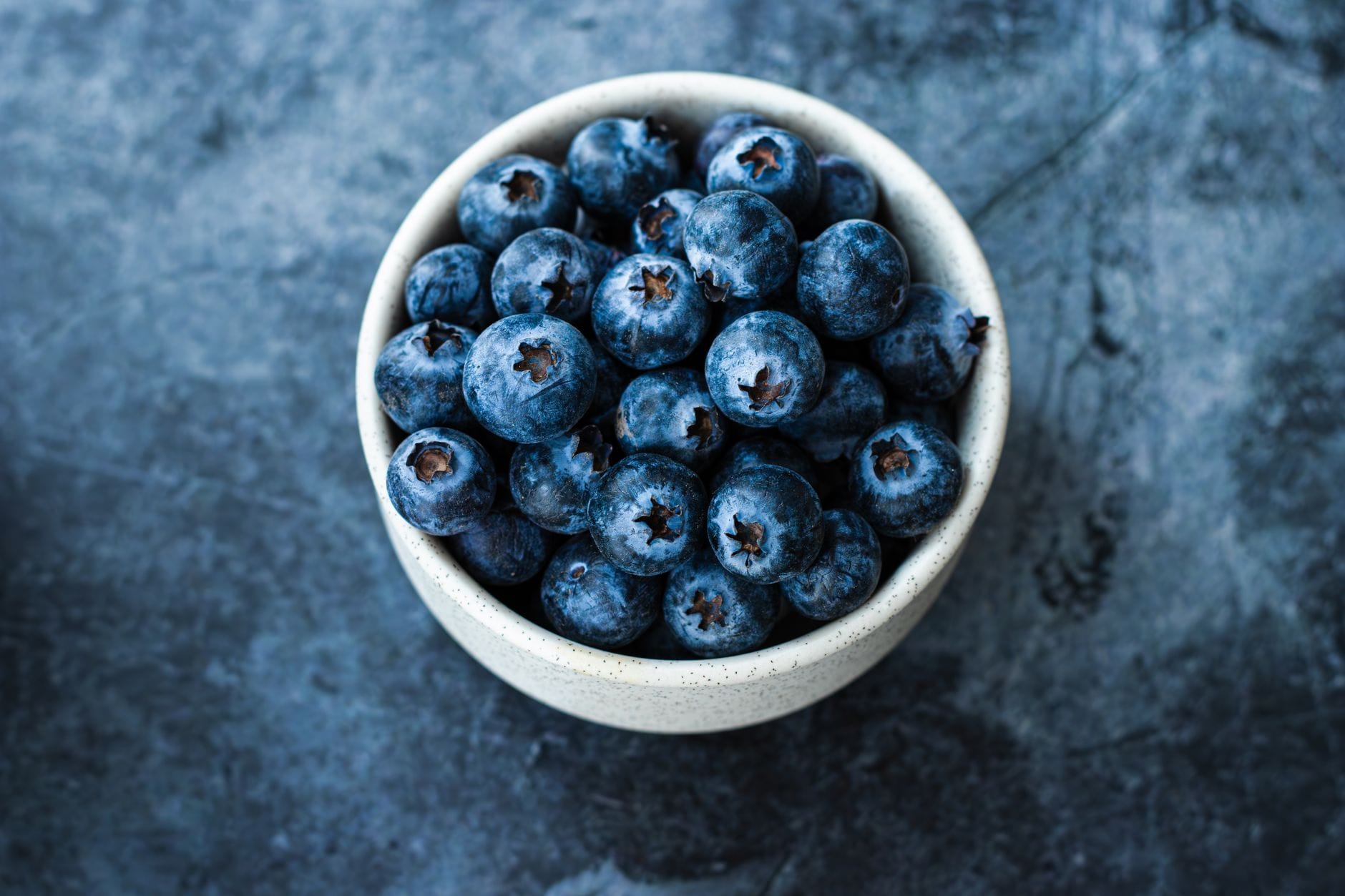
SaveMost berries are loaded with antioxidants and phytochemicals that may protect kidney cells, easing inflammation and neutralizing the free radicals that cause oxidative damage (7). Two stand out for kidney support: blueberries and cranberries.
Animal research suggests blueberries can help regulate blood pressure and improve glucose tolerance (8)—both meaningful, since chronically high blood sugar can damage the kidneys’ tiny filtering vessels (a condition called diabetic nephropathy that harms the glomeruli) (9), and high blood pressure strains those same delicate vessels (10). Blueberries are also naturally low in potassium, sodium, and phosphorus—minerals that overburden impaired kidneys when they pile up (11, 12, 13). Cranberries, meanwhile, may soothe the urinary tract and help ward off infections (14).
Add Red Grapes
 Save
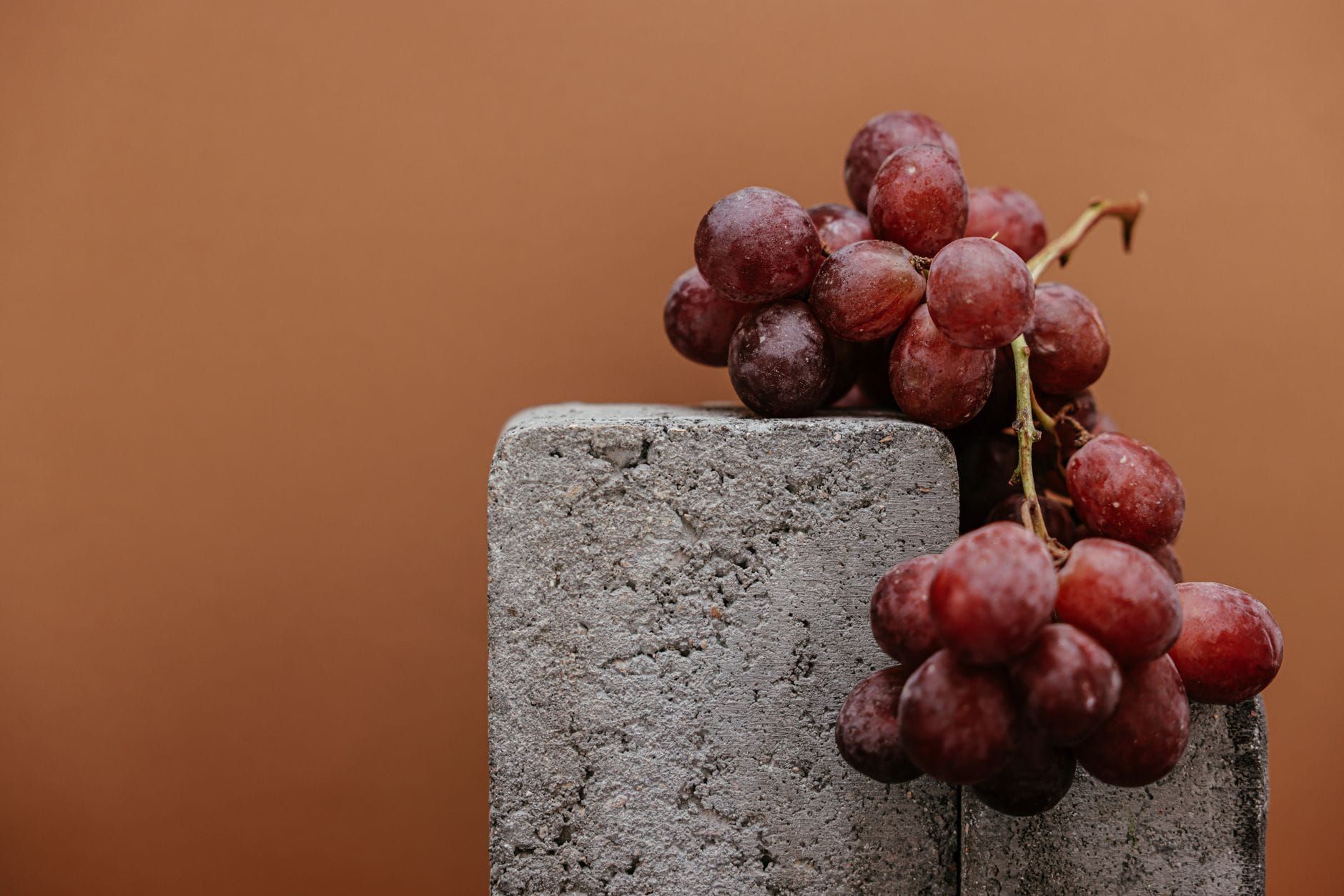
SaveGrapes are rich in flavonoids—plant compounds that guard against oxidative damage. One in particular, resveratrol, has been shown in animal studies to reduce kidney inflammation (15). Human research is still needed, but red grapes make a sweet, kidney-friendly snack in the meantime.
Common Myths About Kidney Cleanses
The biggest myth is that a special cleanse “detoxes” your kidneys in a way your body can’t manage on its own. In reality, healthy kidneys detox continuously without any commercial product or extreme diet. Another myth: that more restriction equals better results. Overly strict cleanses can strip out nutrients and even backfire. The genuinely useful pieces—staying well hydrated and eating antioxidant-rich produce—are habits, not quick fixes.
Frequently Asked Questions
How long does it take to flush your kidneys naturally?
Roughly 48–72 hours, though it varies with your hydration, diet, and overall health. Consistent water intake is the key driver.
Can I do a kidney cleanse if I have kidney disease?
Not without medical guidance. If you have kidney disease or take medications, talk to your doctor first to avoid harmful herb-drug interactions or nutrient imbalances.
What’s the single best thing I can do for my kidneys?
Stay adequately hydrated. Water helps your kidneys produce urine and clear waste—just don’t overdo it to the point of diluting your blood sodium.
The Bottom Line
There’s no magic kidney cleanse, and healthy kidneys don’t need one. What they do respond to are steady, sensible habits: drinking enough water, eating antioxidant-rich foods like berries and red grapes, and limiting the toxins and stressors that wear them down. If you notice warning signs like swelling, fatigue, or changes in urination—or you have an existing condition—loop in your doctor before making changes. Support your kidneys gently and consistently, and they’ll keep doing their remarkable work.
This article is for informational purposes only and is not a substitute for professional medical advice. Always consult a qualified healthcare provider before making changes to your diet, fluid intake, or supplement routine, especially if you have a kidney condition or other health concerns.