
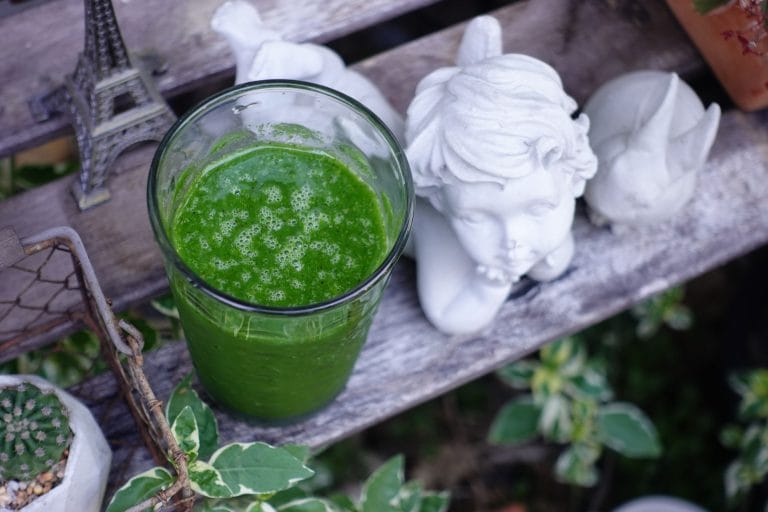
The compound that turns leaves green may have a few things to offer your body too.
Chlorophyll is the reason plants are green, but its role doesn’t stop at the garden. This magnesium-rich pigment absorbs sunlight and drives photosynthesis, and researchers have spent decades looking at whether it, and its water-soluble cousin chlorophyllin, can do anything useful for people. The short answer is that it might, in several small but interesting ways.
Below is a grounded look at what the evidence suggests, where you can get it in everyday food, and the cautions worth keeping in mind before you reach for a supplement.
Key Takeaways
– Chlorophyll and chlorophyllin act as antioxidants and may help protect cells from oxidative stress.
– Early research links it to appetite control, steadier digestion, and reduced body and breath odor.
– Its structure resembles hemoglobin, which may explain benefits studied in anemia.
– Leafy greens like spinach, parsley, and green beans are natural sources.
– Possible downsides include diarrhea, green-tinted urine, and nausea; it isn’t advised during pregnancy or breastfeeding.
What Exactly Is Chlorophyll?
Chlorophyll is the pigment that gives plants and some algae their color, and it sits in the leaves where photosynthesis happens. At the center of its structure is a magnesium atom, which helps it capture light energy.
Scientists group it into a few types based on chemistry and where it shows up. Chlorophyll a appears in every plant, alga, and cyanobacterium capable of photosynthesis. Chlorophyll b turns up in green algae and higher plants alongside type a. Types c and d act as accessory pigments in brown algae, diatoms, and certain red algae. A handful of rarer forms exist too, and they’re still being studied.
The Chlorophyll and Hemoglobin Link
 Save
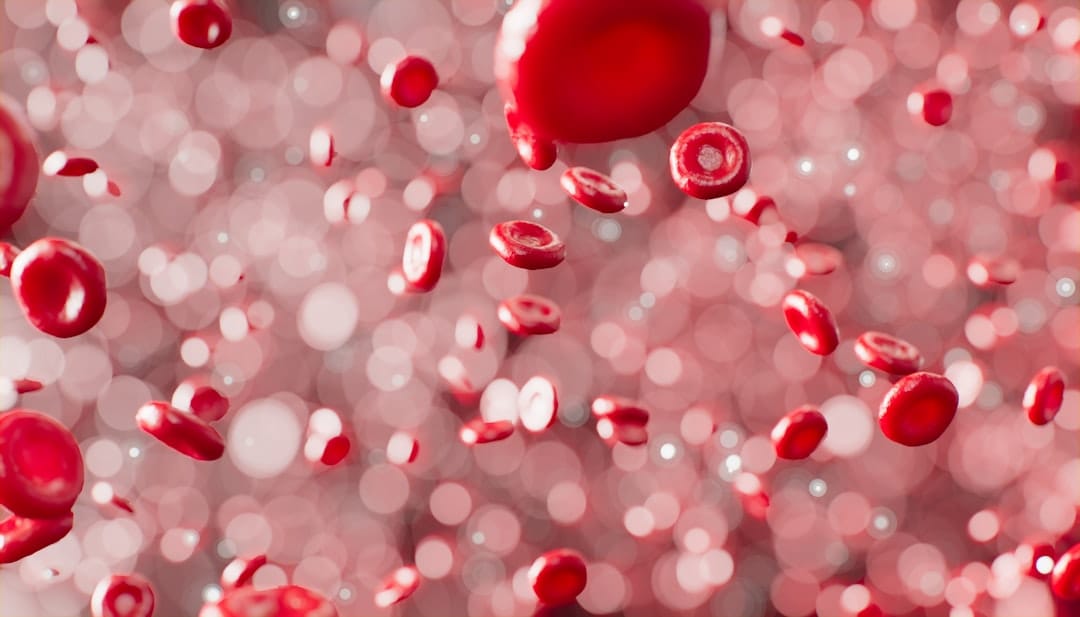
SaveHere’s the part that tends to surprise people. Chlorophyll’s molecular architecture looks a lot like hemoglobin, the protein that carries oxygen in your blood. Both are built around a ring structure; hemoglobin holds an iron atom at its core, while chlorophyll holds magnesium. That resemblance is one reason researchers have been curious about how the plant pigment behaves inside the human body.
Researchers often work with chlorophyllin, chlorophyll’s water-soluble derivative, rather than the raw pigment.
What Chlorophyll May Do for Your Health
Antioxidant support
Chlorophyll and chlorophyllin can neutralize free radicals, much like vitamins C and E or plant polyphenols do. In lab comparisons, copper-containing chlorophyllin often shows stronger activity than the magnesium form. By mopping up reactive molecules, it may help shield organs from oxidative damage and could play a role in skin health, which is why some products use it topically as well as orally.
Appetite and weight
Some studies suggest that chlorophyll-rich plant structures called thylakoids can blunt hedonic hunger, the pull toward greasy, sugary, or salty foods, by nudging the body to release appetite-suppressing signals. Research in women with obesity also points to effects on glucose uptake and fat absorption, along with lower triglycerides. Paired with regular exercise, chlorophyll intake has been associated with reduced LDL cholesterol in these studies.
Steadier digestion
 Save
SaveChlorophyll appears to shift the balance of gut bacteria toward helpful strains such as Lactobacillus reuteri and Bifidobacteria. These act like prebiotics, working on undigested food and supporting nutrient absorption. The practical upshot in the research is less flatulence, indigestion, and constipation for some people who eat more leafy greens.
A natural deodorizer
 Save
SaveThis is one of chlorophyll’s older reputations. Because it works as a prebiotic and has antimicrobial properties, chlorophyllin has been studied for reducing fecal and urinary odor. For bad breath, a 25% chlorophyll solution or supplements have shown the ability to curb oral pathogens like Enterococcus and Candida.
Anemia and blood health
Given chlorophyll’s likeness to hemoglobin, it’s no shock that it’s been tested in anemia. In studies where it was added to standard care, patients saw improvements in hemoglobin levels and red blood cell counts, and researchers noted better iron absorption and faster hemoglobin regeneration. The magnesium and copper in these compounds seem to matter here.
Cancer risk and inflammation
Diets heavy in red meat carry a lot of dietary heme, which has been linked to damage in the colon and stomach. Chlorophyll may interfere with how the body processes that heme, offering some protective effect against tumors in the research. Its antioxidant power also helps break down carcinogens like heavy metals and certain plant toxins, and chlorophyllin appears to keep some pro-carcinogens from switching into their active, harmful forms. Alongside this, its anti-inflammatory action may help protect internal organs from the stress caused by reactive oxygen species and other chemical byproducts.
I’d treat the cancer findings as promising rather than settled. Most come from lab or animal work, and human evidence is still thin.
Where to Find Chlorophyll in Food
 Save
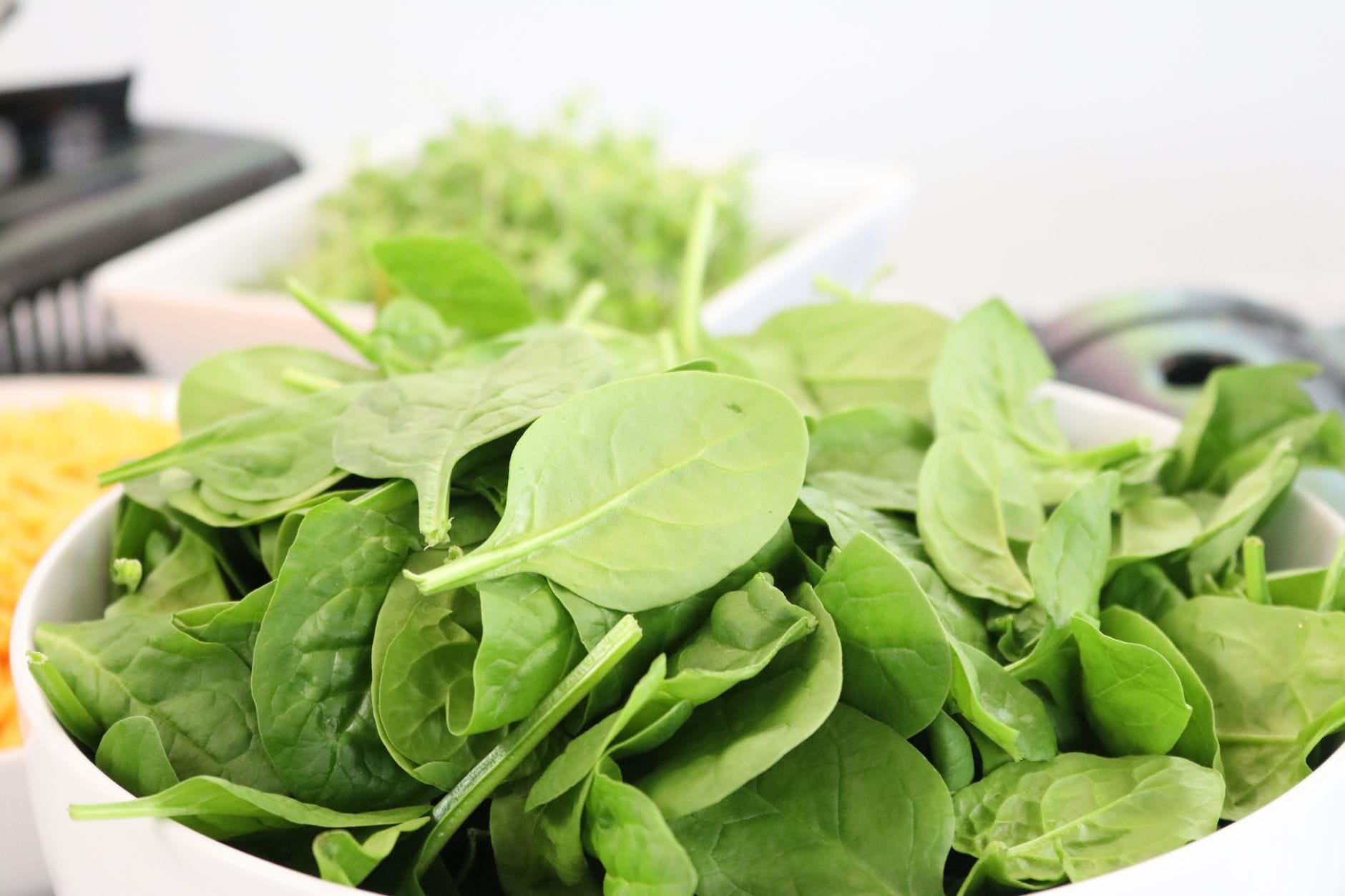
SaveYou don’t need a supplement to get chlorophyll. The greener the plant, the more it tends to hold. Good everyday sources include:
Spinach
Parsley
Green beans
Other dark leafy vegetables
Because it also lends a rich green tint to oils and water, chlorophyll and chlorophyllin are used as food coloring agents, registered as E140 and E141.
Safety and Side Effects
For most people, food sources are gentle and simply part of a healthy diet. Supplements are where caution comes in. Reported side effects include diarrhea, nausea or vomiting, and urine that turns green, which is harmless but can be startling.
A few groups should be careful. People taking medication for acne or allergies may run into interactions, so a conversation with a doctor is wise. Chlorophyll supplements are not recommended during pregnancy or breastfeeding. If you do supplement, moderation is the guiding principle, and a healthcare provider can help you land on an appropriate amount.
Frequently Asked Questions
Can I drink liquid chlorophyll every day?
Many people take it daily in moderate amounts, but start low, watch how your body responds, and check with a clinician if you take other medications.
Will chlorophyll actually help my breath and body odor?
The evidence is modest but real. Chlorophyllin has antimicrobial and prebiotic effects that have reduced odor in some studies, though results vary from person to person.
Is eating spinach as good as taking a supplement?
For general wellness, food sources give you chlorophyll plus fiber and other nutrients. Supplements deliver a more concentrated, standardized dose, which is mainly relevant if you’re targeting a specific concern.
The Bottom Line
Chlorophyll is more than the color of your salad. Research connects it to antioxidant activity, appetite and weight regulation, better digestion, odor control, blood health, and possible protection against inflammation and certain cancers. Much of the strongest work uses chlorophyllin, and several findings still need larger human trials before we can call them firm. The low-risk move is to eat more dark leafy greens. If you’re considering a supplement, keep the dose moderate and talk to your doctor first, especially if you’re pregnant, nursing, or on acne or allergy medication.
This article is for informational purposes only and is not a substitute for professional medical advice, diagnosis, or treatment. Always consult a qualified healthcare provider before making changes to your diet or starting any supplement.
References
No external reference URLs were provided in the source material, so none are listed here. The claims above reflect the peer-reviewed studies cited numerically in the original source article; specific links should be added from that source before publishing.