

Muscle is built in the gym and paid for in the kitchen, and the kitchen part is where most people stall.
Lifting heavy things is the fun part. The harder part is showing up to the same chicken, rice, and broccoli three hundred days a year while your body slowly rearranges itself. A bodybuilding diet is a nutrition strategy tuned for one job: growing muscle, holding onto it, and eventually revealing it. Everything about it, from the macro split to the meal timing, is downstream of that goal.
What follows is the logic behind the approach. Why protein matters, why carbs deserve more respect than they usually get, what bulking and cutting actually mean in practice, and where this way of eating can go sideways if nobody’s paying attention.
Key Takeaways
– A bodybuilding diet leans on high protein, generous complex carbs, and enough fat to keep hormones working, roughly 25-30% protein, 55-60% carbs, and 15-20% fat.
– Food alone does nothing here. The diet only pays off when it’s paired with progressive resistance training.
– Most bodybuilders cycle between a bulking phase (calorie surplus, muscle gain) and a cutting phase (calorie deficit, fat loss).
– Side benefits may show up beyond the mirror: better weight control, stronger bones, improved insulin sensitivity, and a lift in mood.
– Ratios are a starting point, not a prescription. A dietitian or sports nutritionist can adjust them to your body and your goals.
The Science Underneath the Chicken and Rice
Muscle growth, or hypertrophy, happens when training damages muscle fibers and nutrition rebuilds them bigger. Resistance training supplies the stimulus by using your bodyweight or external load to challenge muscles through progressively heavier weights and higher reps. Diet supplies the raw material.
Each macronutrient has a distinct job:
Protein delivers the amino acids your body needs for muscle protein synthesis, the actual repair-and-build process. Without enough, training just breaks you down.
Carbohydrates refill muscle glycogen so you can train hard and train again tomorrow. Skimp here and your sessions get shorter and weaker.
Fat supports the production of hormones including testosterone, which drives muscle development. Cutting fat too low undercuts the whole project.
The commonly cited breakdown lands around 25-30% of daily calories from protein, 55-60% from carbohydrates, and 15-20% from fat. That carb number surprises people who assume bodybuilding is all protein all the time. It isn’t. Carbs are the fuel that makes the training possible, and training is what makes the protein useful.
Bulking and Cutting
 Save
The diet runs in two modes, and knowing which one you’re in changes everything on your plate.
Bulking means eating in a calorie surplus with the emphasis on carbs and protein, paired with intense resistance work. The goal is muscle gain, and it takes time. Bulking phases typically run several months, because your body will not accumulate meaningful muscle on a three-week timeline no matter how motivated you feel.
Cutting flips the equation. Calories come down, protein often goes up, and carbs and fats get trimmed. The aim is to shed body fat while defending the muscle you spent months building. This phase also tends to last a few months, or however long it takes to reach the leanness you’re after.
Bodybuilders cycle between the two on repeat. Build the muscle, then carve it out. That alternation is the whole method, and it’s why a bodybuilding diet is a long-term commitment rather than a six-week challenge.
What to Put on Your Plate
 Save
The food list is not exotic. It’s just consistent.
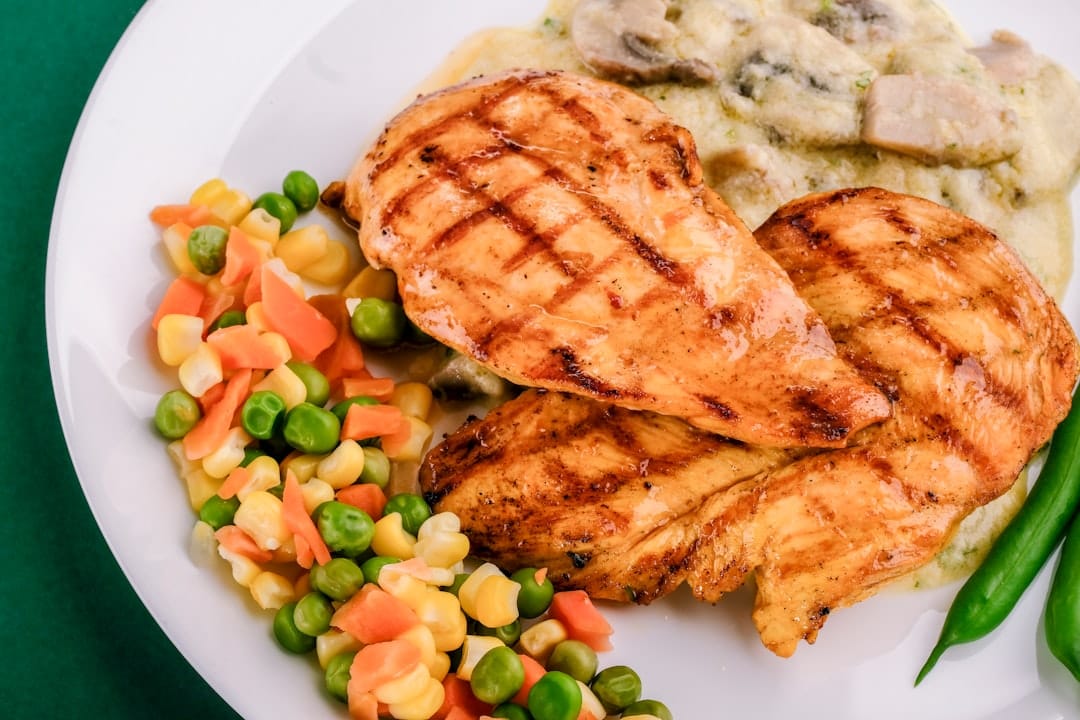
Lean proteins carry the load: poultry, fish, low-fat dairy, and legumes. Complex carbohydrates come from whole grains. Fats come largely from nuts. Fruits and vegetables fill in the gaps with fiber and micronutrients, and the diet also leans on essential nutrients like calcium and vitamin D.
What gets pushed aside is roughly what you’d expect. Heavily processed foods, added sugars, fried items, and alcohol all take up calories without contributing much toward recovery or growth. They aren’t forbidden so much as inefficient, and this diet has very little room for inefficiency.
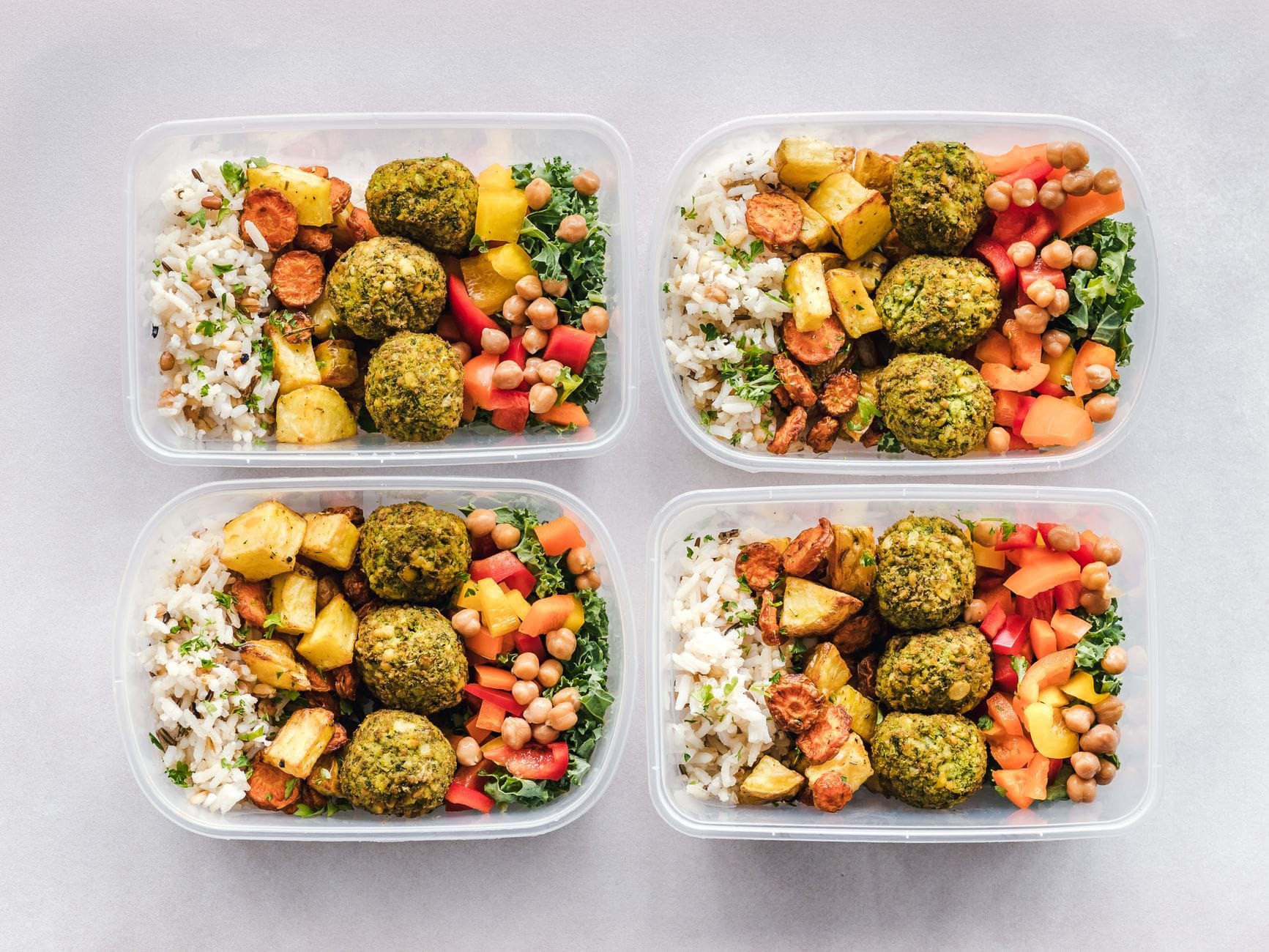
Planning is what makes it stick. Batch cooking, portioning proteins ahead of time, and keeping a regular meal schedule turn a demanding diet into something closer to a routine. The people who fail at this rarely fail because they don’t know what a chicken breast is. They fail because dinner wasn’t ready and the drive-through was.
The Benefits That Have Nothing to Do With Your Physique
 Save
A well-built version of this diet tends to improve things you weren’t necessarily aiming at.
Weight management
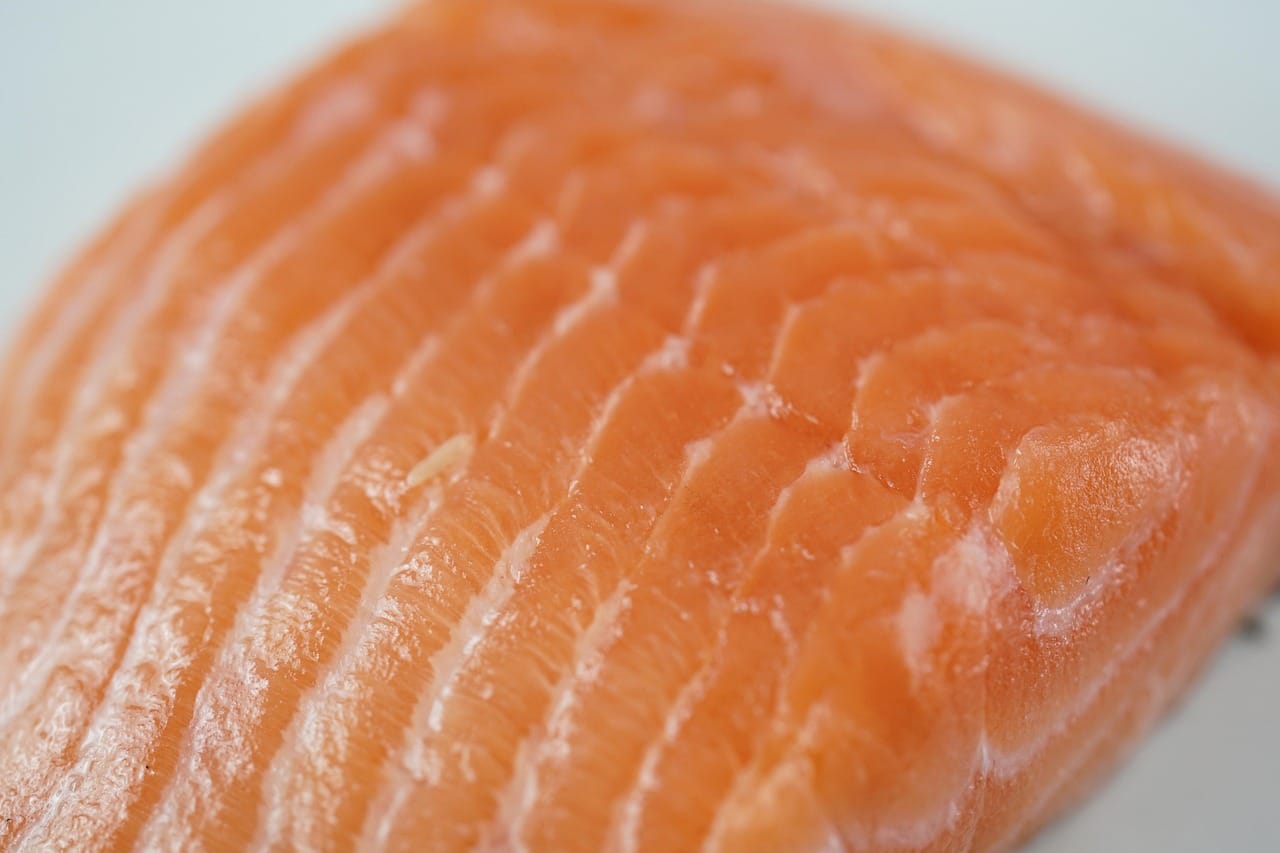
A bodybuilding diet is a high-protein diet, with protein supplying roughly 20-30% of daily energy. Compared with lower-protein patterns in the 15-20% range, higher-protein eating may support greater weight loss. It keeps you fuller, protects lean body mass while you’re dieting, and burns slightly more calories through digestion itself.
Bone health
 Save
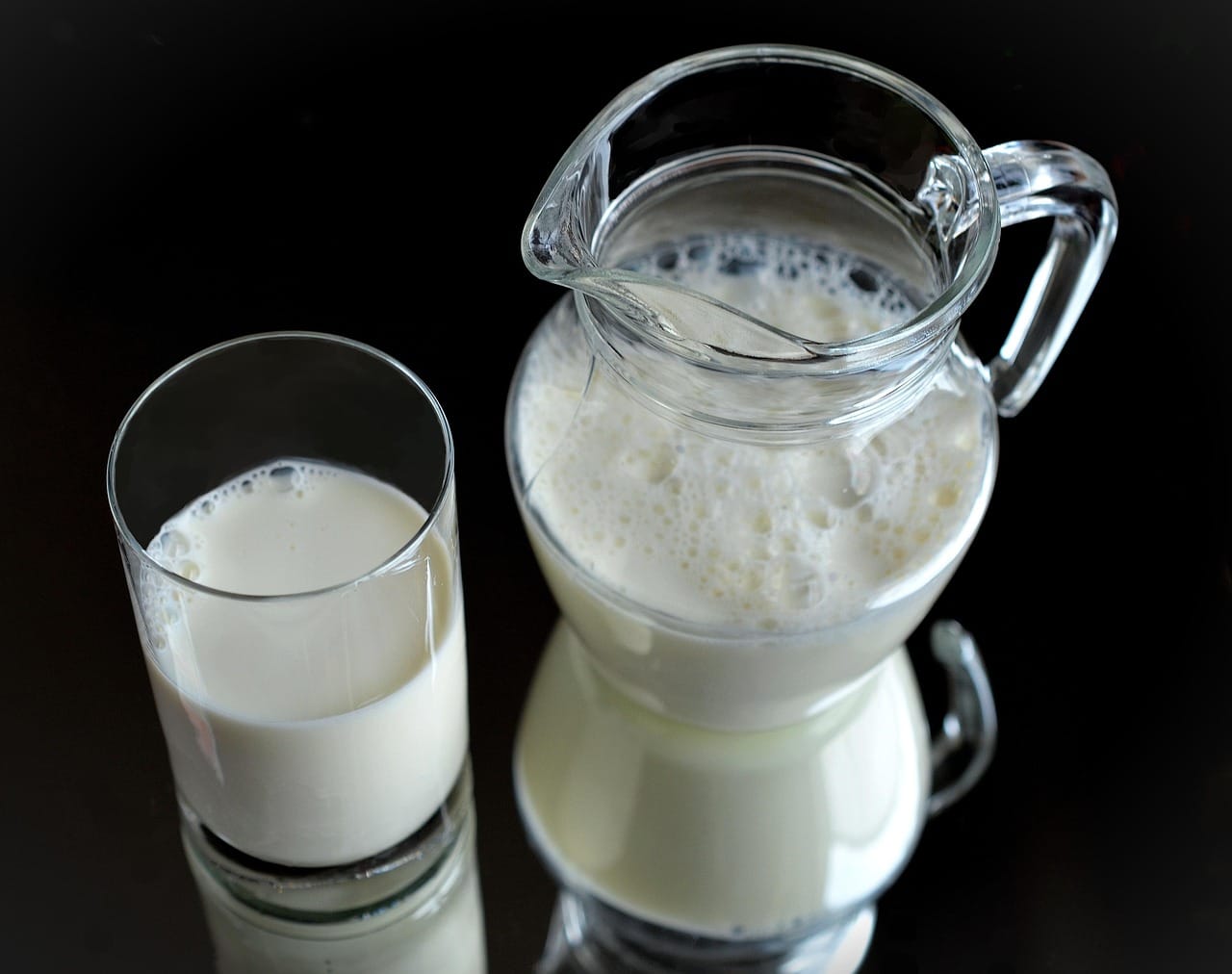
Diets rich in fruits, vegetables, low-fat dairy, whole grains, poultry, fish, nuts, and legumes are associated with better bone density and fewer fractures. There’s moderate evidence that higher protein intake protects bone mineral density in the lumbar spine relative to lower intake. The calcium and vitamin D that come along for the ride help too.
Insulin sensitivity, heart, and head
A balanced diet can improve insulin sensitivity and blood sugar regulation, which matters most for anyone at risk of type 2 diabetes. Lean proteins, nuts, and whole grains may support cardiovascular health by helping lower cholesterol and reducing heart disease risk. And because this diet comes bundled with regular strength training, the endorphins from the work plus solid nutritional support for brain function can reduce stress and improve mood.
Sleep tends to improve as well. Balanced macronutrients and a consistent meal schedule appear to support better sleep quality and duration, which is a quiet advantage given that recovery is where growth actually happens. Over time, the combination of muscle-building activity and nutritious eating may lower the risk of chronic conditions including obesity and heart disease.
Who Should Think Twice
This diet assumes you’re training. Seriously training. If you’re not engaged in a strength program, the calorie loads and macro targets don’t have a job to do, and they can work against you.
The main risk is protein. A restrictive plan can tip into overconsumption, and very high protein intake carries potential for kidney problems. Anyone with existing nutritional deficiencies or dietary restrictions should approach this carefully, ideally with professional input rather than a template pulled off a forum.
That’s the honest case for involving a registered dietitian or sports nutritionist alongside your physician. They can look at your goals, body composition, activity level, food preferences, and any medical history, then build something that fits. Generic ratios are a fine starting point. They are not a plan.
Frequently Asked Questions
How much protein do I actually need?
The bodybuilding framework puts protein at roughly 25-30% of daily calories, which for most people training seriously works out to a substantial but not extreme intake. The specific number depends on your body weight, training volume, and which phase you’re in. Cutting phases usually push protein higher to protect muscle while calories drop.
Can I build muscle without going through a bulking phase?
Bulking exists because building tissue is easier in a calorie surplus, which is why the traditional approach cycles surplus and deficit. Whether you need a formal bulk depends on your goals and training history, and that’s a question worth putting to a dietitian or sports nutritionist rather than answering from a generic template.
Is this diet safe long-term?
It’s designed as a long-term approach, and the food quality is genuinely good. The concerns are around excess protein and its potential effect on the kidneys, plus the restrictiveness itself. Regular monitoring and a plan tailored to you rather than to a magazine spread go a long way toward keeping it safe.
The Bottom Line
A bodybuilding diet is a deliberate arrangement of protein, carbohydrates, and fat, roughly 25-30/55-60/15-20, built to support hypertrophy and paired with hard resistance training. It runs in cycles: bulk to build, cut to reveal, repeat. Done well, it may pay dividends beyond appearance in bone density, insulin sensitivity, heart health, mood, and sleep.
The catch is that it demands consistency and patience, and it isn’t for everyone. If you’re not training hard, or if you have kidney concerns or existing dietary restrictions, the risks outweigh the returns. Get a professional to shape the plan around you, then do the boring work for long enough that it stops being boring.
This article is for informational purposes only and is not a substitute for professional medical advice. Consult a qualified healthcare provider or registered dietitian before making significant changes to your diet, particularly if you have kidney concerns, existing nutritional deficiencies, or any chronic health condition.