
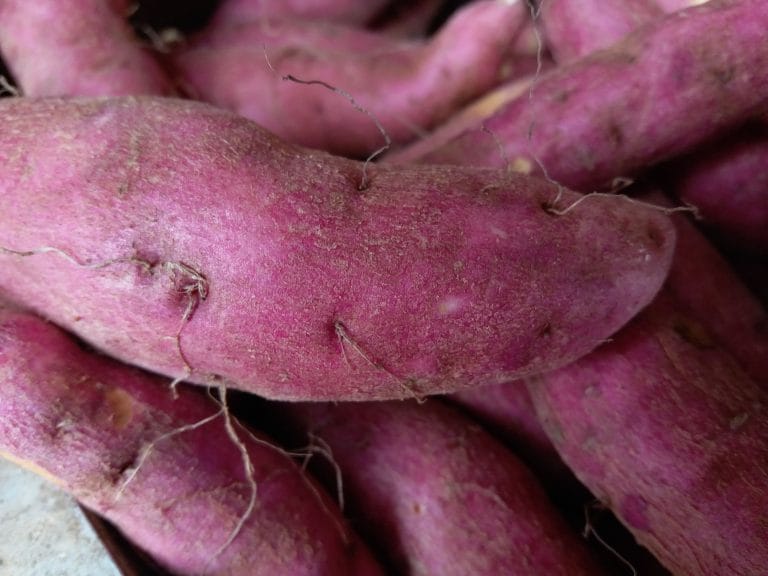
A striking violet tuber that earns its place on the plate for more than its color.
Purple yam looks like a novelty at first glance, all deep violet flesh under a rough, grayish-brown skin. Cook it down, though, and it turns soft and mild, close to a sweet potato in texture, which is exactly why the two get mixed up so often. Behind that color sits a genuinely useful root: fiber, potassium, a little protein, and a family of purple pigments called anthocyanins that researchers keep returning to.
People have leaned on this tuber for both food and folk remedies across the Asian tropics for a long time, and it now grows in warm regions worldwide. Here is what the science actually supports, how to cook with it, and who might want to hold back.
Key Takeaways
– Purple yam (Dioscorea alata) is a starchy tuber with purple flesh, prized for its fiber, potassium, and anthocyanin content.
– Its potassium and pigment compounds may support healthy blood flow and blood vessel function.
– The soluble fiber can ease digestion and help keep you regular.
– It works in both sweet and savory cooking, from jam and puddings to roasted cubes and smoothies.
– Eating too much may trigger headaches or nausea, and it can interact with hormone-based medications.
What Is Purple Yam?
Purple yam belongs to the Dioscoreaceae family and is sometimes called greater yam. Scientists know it as Dioscorea alata, one of roughly 600 yam species people are familiar with. The tubers come in a range of shapes and sizes depending on the variety, and they firm up raw but soften to a potato-like tenderness once cooked. In the kitchen they go two ways: whole in sweet or savory dishes, or processed into a starchy paste used to flavor and color other foods.
What a Serving Actually Gives You
A 100-gram portion of yam is modest but not empty. It carries about 118 calories, 1.53 grams of protein, and just under 28 grams of carbohydrate, of which 4.1 grams is dietary fiber. The standout minerals are potassium at 816 milligrams and phosphorus at 55 milligrams. That combination of fiber and potassium is where most of the tuber’s reputation comes from.
Better Blood Flow
 Save
SavePotassium is a vasoactive mineral, meaning it acts on the blood vessels themselves, and studies link adequate intake to healthier circulation. Purple yam supplies a decent dose in a single serving.
The color pigments matter here too. Anthocyanins, the same compounds that make blueberries and red cabbage vivid, have been associated with better vascular health in several studies, which in turn supports the heart. None of this makes the tuber a treatment, but as part of a varied diet it lands on the helpful side of the ledger.
Keeping Digestion Comfortable
 Save
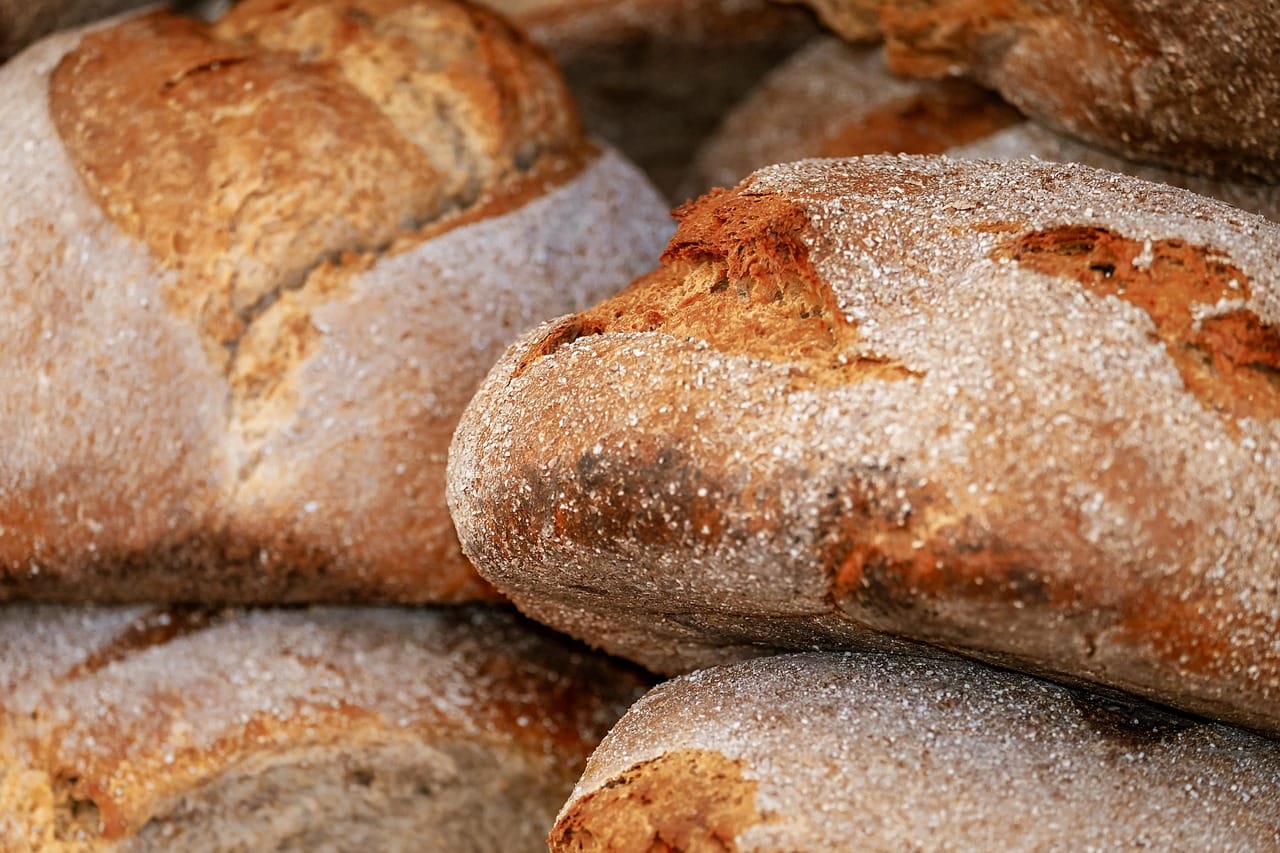
SavePurple yam contains pectin, a type of soluble fiber. Fiber does a few things at once in the gut: it adds bulk, helps sweep the intestines, and supports gut motility, the muscular movement that pushes food along. Research points to fiber as a reliable strategy for both preventing and easing constipation.
Pectin has one more trick worth mentioning. It carries properties that may help guard against or calm intestinal infections, which gives this fiber a slightly broader role than simple regularity.
A Hand With Weight Goals
Fiber is filling. It slows things down and blunts the urge to keep eating, so a fiber-rich food tends to reduce overall calorie intake without much conscious effort. Purple yam pairs that satiety with a relatively low calorie count per serving, which is a friendly setup for anyone watching their weight. It is a starch, so portion still counts, but it is a far better swap than chips or candy.
Support for the Brain
This is one of the more interesting areas, though a lot of it still rests on animal work. Anthocyanins show anti-inflammatory and antioxidant activity, and in mouse studies they reduced cognition deficits and protected cells from dying off, an effect described as neuroprotective. Purple yam also contains diosgenin, a compound tied to neuron growth; one study found it could enhance neuronal signaling and memory. Human evidence is thinner, so treat this as promising rather than proven.
The anthocyanin question
Not every purple yam is equally rich in these pigments. Research profiling two Thai yam types, KKFCRC and BKJ, found that the age of the vine did not meaningfully change anthocyanin content. What mattered was the yam accession itself, with the KKFCRC variety carrying substantially higher levels than BKJ. In plain terms, the specific cultivar drives how much pigment you get, not how old the plant is.
Calmer Inflammation
Chronic, low-grade inflammation sits behind conditions like heart disease and diabetes, and oxidative stress often fuels it. Purple yam brings saponins, anthocyanins, and other phytochemicals that appear to lower pro-inflammatory signaling molecules and mop up the reactive oxygen species that spark inflammation in the first place. Fresh yam or its extracts may therefore help lower that background risk, but this is one place where more human trials are genuinely needed before making firm claims.
Cooking With Purple Yam
 Save
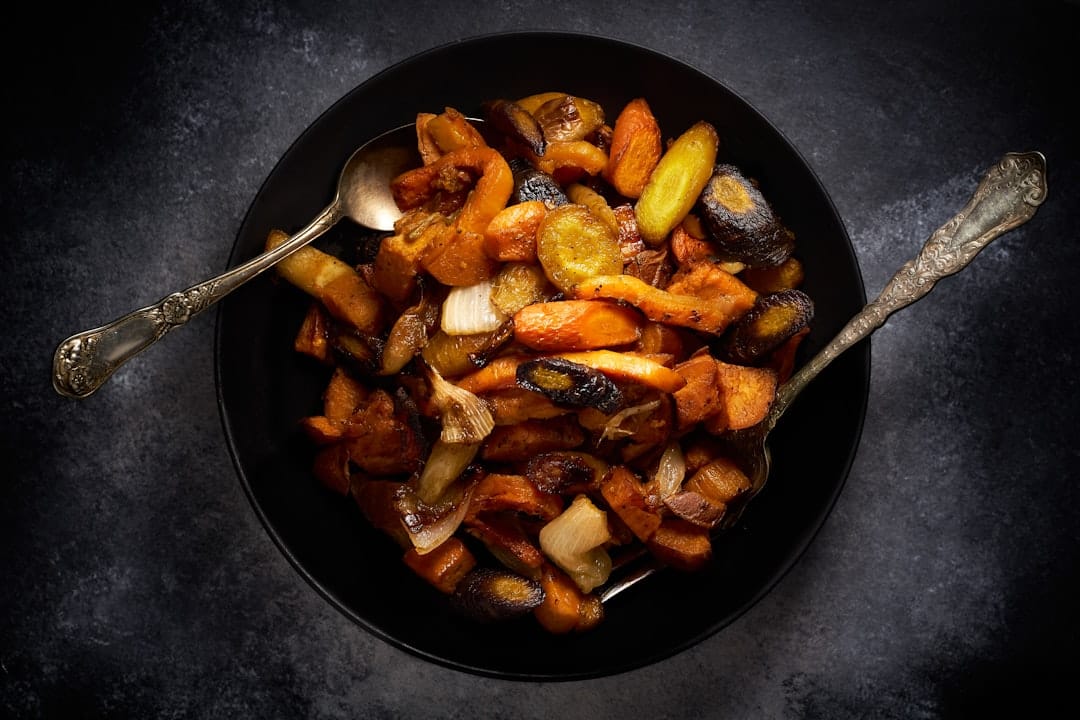
SaveThe color alone makes this a fun ingredient, and it takes to sweet and savory equally well. A few ways to work it in:
Fold cooked, mashed yam into muffins or a quick bread for a violet crumb.
Blend it with yogurt and fruit for a vibrant smoothie.
Drop chunks into soups or stews for body and color.
Mash it with coconut milk and a little sweetener for a simple pudding.
Roast cubes and scatter them over a salad for a sweet, earthy bite.
A Simple Purple Yam Jam
 Save
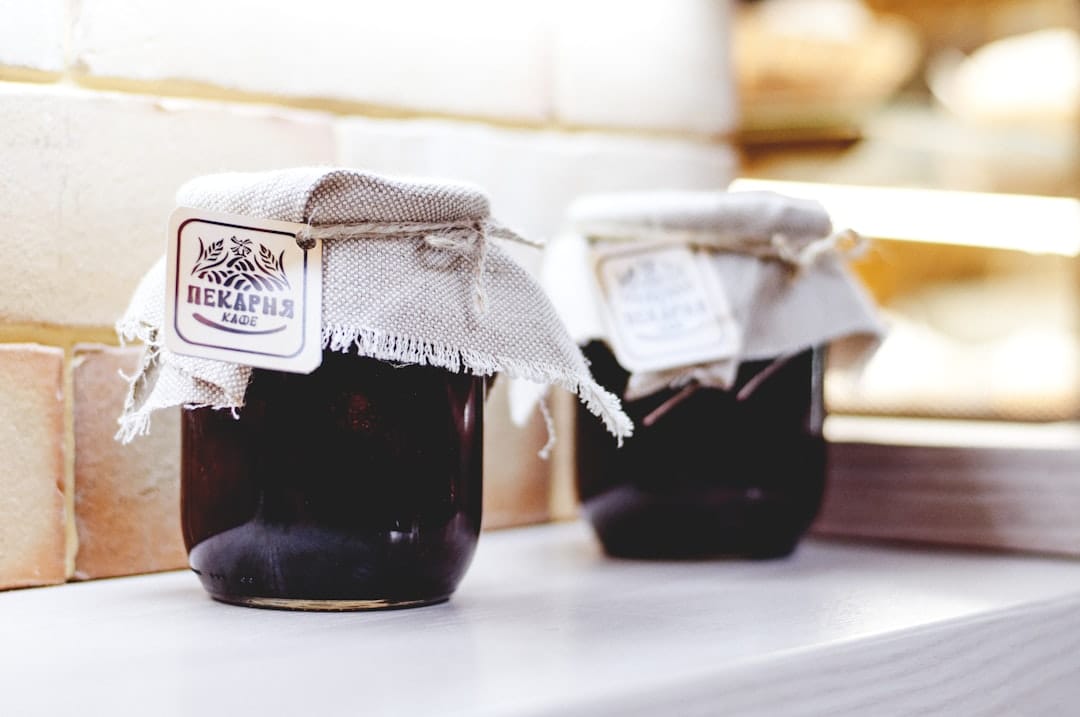
SaveBoil 750 grams of purple yam until tender, peel, and grate the flesh. Melt a quarter cup of butter in a pan, then stir in a can of condensed milk, a teaspoon of vanilla, and the grated yam. Cook on low for about 30 minutes until sticky, add half a can of unsweetened condensed milk, and cook another 15 minutes. Spoon it into a clean glass jar once it thickens.
Purple Yam Versus Sweet Potato
They look and cook alike, which is why the confusion persists, but they are different plants from different families. Purple yam is a true yam with drier, starchier flesh and that signature violet interior, while sweet potato is moister and naturally sweeter. Nutritionally both bring fiber and potassium to the table; the yam’s calling card is its anthocyanin pigment.
A Few Cautions
Moderation is the rule. Eating too much purple yam can bring on headaches or nausea in some people. About one cup a day is a sensible ceiling for most. One group should be more careful: because the tuber can influence hormone activity, anyone taking hormone medications or birth control should check with a clinician before making it a regular part of the diet.
Frequently Asked Questions
How much purple yam can I eat in a day?
Around one cup daily suits most people. Going well beyond that raises the odds of headaches or an upset stomach, so treat it as a food to enjoy, not to overload on.
Is purple yam the same as taro or ube?
Ube is another name for purple yam, so those two are the same thing. Taro is a separate tuber with a different flavor and a lilac-flecked rather than deep-purple flesh, though it gets grouped in with them visually.
Can I eat purple yam raw?
It is best cooked. Raw yam is firm, hard to digest, and some varieties contain compounds that break down with heat, so boil, steam, or roast it before eating.
The Bottom Line
Purple yam is a genuinely worthwhile root, not just a photogenic one. Its fiber supports digestion and helps with fullness, its potassium and anthocyanins back healthy circulation, and early research hints at benefits for the brain and inflammation that are worth watching. It slots into sweet and savory cooking with equal ease. Keep portions reasonable, and if you use hormone-based medication, get a professional’s nod before you make it a habit.
This article is for informational purposes only and is not a substitute for professional medical advice. Talk to a qualified healthcare provider before making significant changes to your diet, especially if you take medication or have a health condition.