
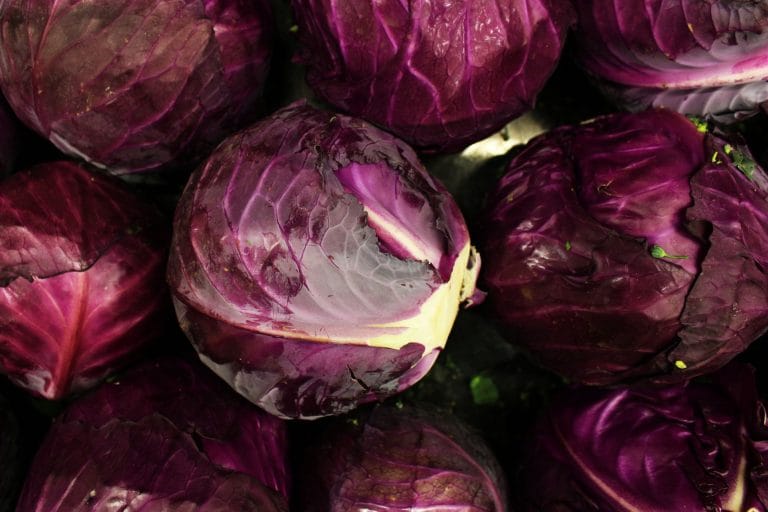
A humble purple crucifer with a nutrient list far bigger than its price tag.
Cabbage rarely gets top billing at the market, and the red variety gets even less attention than its pale green cousin. That is a shame. The reddish-purple color comes from anthocyanin, a flavonoid and antioxidant that does real work in the body, and the vegetable behind it is dense with fiber and vitamins C and K. Eaten raw, cooked, or fermented, red cabbage earns its place on the plate.
Below you’ll find what the research actually supports, how much is reasonable to eat, and where it can cause trouble if you overdo it.
Key Takeaways
– Red cabbage gets its purple color from anthocyanins, antioxidants studied for their anti-inflammatory and heart-protective effects.
– Its glucosinolates break down into isothiocyanates, compounds linked to a lower risk of bladder, breast, colon, and prostate cancers.
– Fiber plus few calories makes it a friendly food for weight management, and vitamin C supports both immunity and iron absorption.
– A sensible serving is about half a cup raw or half to three-quarters of a cup cooked.
– Too much can trigger gas, diarrhea, and carbohydrate malabsorption, and it may interfere with an underactive thyroid.
What Exactly Is Red Cabbage?
Red cabbage, sometimes called purple cabbage, belongs to the brassica family alongside broccoli, kale, and Brussels sprouts. It tastes much like green cabbage but brings a bolder color. Cooks often reach for it as a raw garnish because the hue holds up, though it works just as well shredded into slaw, braised low and slow, or packed into a jar to ferment.
Nutritionally it punches above its weight. A serving supplies vitamins A, B6, C, and K along with sulfur and various minerals, a combination that supports bone strength and helps keep inflammation in check.
Nutritionist Heather Hanks puts the gut angle plainly: “Cabbage and other cruciferous vegetables contribute to your ‘good’ gut bacteria, which can help boost immunity and fight diseases. Additionally, red cabbage is a good source of antioxidants called anthocyanins, which have been shown to protect against many conditions.”
The Health Benefits Worth Knowing
 Save
May lower cancer risk
This is where the crucifer credentials matter most. Anthocyanins are associated with a wide range of anti-cancer chemicals, and their antioxidant and anti-inflammatory activity gives them protective and therapeutic roles in the body. Red cabbage also carries glucosinolates, natural compounds that break down into isothiocyanates. Those compounds have shown anti-cancer effects and are tied to a reduced risk of bladder, breast, colon, and prostate cancers.
Interestingly, the young shoots may be even more potent than the mature head. Research points to higher antioxidant activity and more vitamin C, polyphenols, and carotenoids in the sprouts, and their juice appeared more effective at cancer prevention than juice from the grown vegetable. Extracts have been linked to higher death rates among cancerous cells, though this part comes with a caveat: the extract can be cytotoxic and had to be kept below 6.4 mg/ml to avoid damaging healthy cells. That is lab work, not a green light to megadose.
May aid in weight loss
 Save
Red cabbage is high in fiber and low in calories, a pairing that helps you feel full on less. Greater satiety tends to mean lower overall energy intake, which supports weight loss and makes a calorie-restricted diet easier to stick with.
There’s a cholesterol angle too. In studies on rabbits with high cholesterol, whole red cabbage lowered LDL cholesterol and triglycerides more effectively than its extract, credited to vitamin C, polyphenols, and manganese. An encapsulated extract also boosted butyric acid production in the colon, a short-chain fatty acid that may help ease obesity and its related conditions.
May strengthen immunity
Vitamin C is the headliner here. It supports both innate and adaptive immune function, reinforces the skin’s barrier against pathogens, and mops up free radicals that come with environmental stress. Run low on it and immunity suffers, with a higher chance of picking up infections, so getting enough from food or supplements may help fend off respiratory and systemic illness. The fermentable fiber in cabbage lends a hand as well, helping regulate the gut-associated immune tissue.
May improve digestion
Red cabbage is rich in sulfur and other minerals that help keep the bowels moving and ward off indigestion and constipation. Raw cabbage juice has a long folk history of soothing the stomach lining and helping ulcers heal. Its vitamin C also improves absorption of non-heme iron, the kind found in plant foods, which matters for anyone leaning on a plant-forward diet, and it can nudge hemoglobin production upward in people who are anemic. Add vitamin C’s mild antimicrobial effect and you have a food that helps shape a healthier gut environment.
May support the heart
 Save
Anthocyanins act on blood vessels, platelets, and lipoproteins in ways that lower coronary heart disease risk. The vitamin B6 in red cabbage helps too, tamping down homocysteine, an amino acid that at high levels can damage arterial walls. Low vitamin C, meanwhile, tracks with high blood pressure, atherosclerosis, and stroke, so regular servings of this vitamin C-rich vegetable give your cardiovascular system a steady, low-effort assist.
May calm inflammation
Eating cabbage is associated with reduced inflammation, and anthocyanin-rich red Chinese cabbage in particular has been shown to ease aortic inflammation and lower the risk of vascular inflammatory disease. One study even paired red cabbage leaves with aronia berries and found the blend carried anti-inflammatory properties worth exploring for treating inflammatory conditions.
How to Enjoy It
 Save
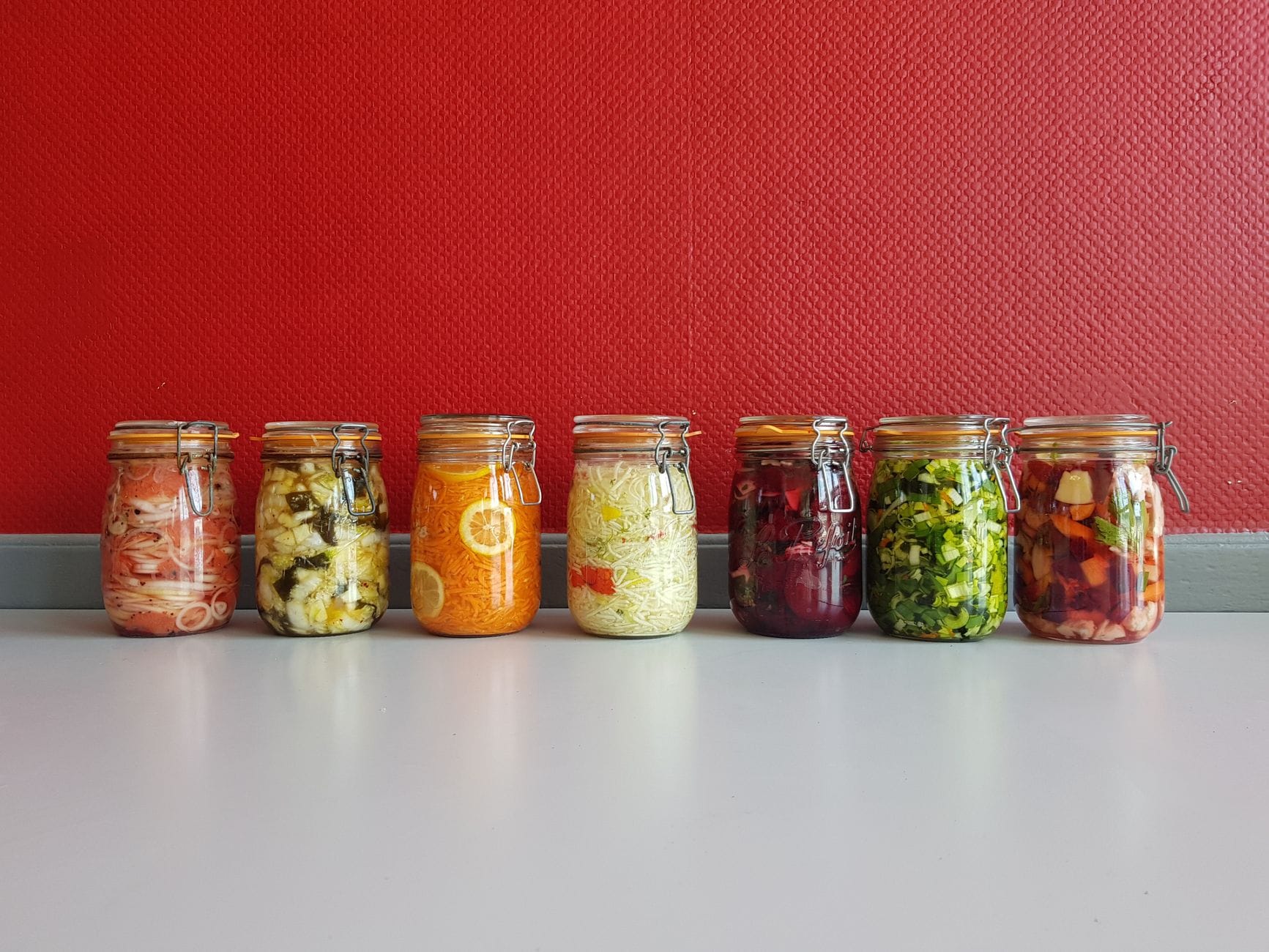
Half a cup of raw shreds or half to three-quarters of a cup cooked is a reasonable daily amount. Raw keeps the most vitamin C intact, so slaws and salads are a smart move. Quick sautés and braises soften the texture and mellow the flavor, and a squeeze of acid, lemon or vinegar, brightens the color and keeps it from turning blue. Fermenting it into a purple sauerkraut adds probiotics on top of the fiber it already brings.
Where It Can Go Wrong
More is not better with this one. Eating large amounts can bring on flatulence, diarrhea, and carbohydrate malabsorption. Cruciferous vegetables also contain compounds that may interfere with thyroid function, so anyone managing hypothyroidism should be mindful of portions and talk it over with their doctor. For most people, sticking near the serving sizes above sidesteps the trouble entirely.
Frequently Asked Questions
Is red cabbage healthier than green cabbage?
They’re close cousins with similar fiber and taste, but red cabbage pulls ahead on antioxidants thanks to its anthocyanins, and it’s considered the more nutrient-rich of the two. If color and antioxidant content are your priorities, red wins.
Can I drink red cabbage juice?
Yes, and raw cabbage juice has traditionally been used to soothe the stomach lining and help ulcers heal. Keep portions modest, since concentrated amounts can upset digestion.
Who benefits most from eating it?
People working toward weight loss and those with fatty liver may find it a useful addition, given its fiber, low calorie count, and cholesterol-lowering nutrients. As always, fit it into an overall balanced diet rather than treating it as a cure.
The Bottom Line
Red cabbage is an inexpensive, versatile vegetable that quietly delivers a lot: anthocyanins and glucosinolates with anti-cancer and anti-inflammatory potential, fiber that supports weight and digestion, and vitamin C that helps immunity, iron absorption, and heart health. Enjoy it raw, cooked, or fermented in sensible portions, and go easy if you have thyroid concerns or a sensitive gut.
This article is for informational purposes only and is not a substitute for professional medical advice. Talk with a qualified healthcare provider before making significant changes to your diet, especially if you have a thyroid condition or an existing health concern.