

The stubborn dark plugs on your nose won’t budge with steam and squeezing, but a few proven ingredients can actually shift them.
You catch your reflection before an event and there it is: a dark speck lodged in your nose or chin that seems to have set up permanent residence. Deep blackheads have a way of announcing themselves, and the internet is full of quick fixes that either lack evidence or risk hurting your skin. Honey, egg whites, Epsom salt, and the beloved pore strip get passed around constantly, yet most of them have little research behind them.
The good news is that a handful of ingredients genuinely work, and they also help keep new blackheads from forming. Here is what a deep blackhead actually is, why picking at it makes things worse, and the approaches worth your time.
Key Takeaways
– A deep blackhead is a hardened plug of sebum and dead skin that can sit in a pore for years if untreated.
– Salicylic acid is oil-soluble, so it reaches deeper into the pore than water-based exfoliants.
– Retinoids slow cells from clumping, manage oil, and speed up skin renewal after extraction.
– Squeezing at home invites bacteria, scarring, and can push the plug further in.
– See a dermatologist for infected, swollen, or sore blackheads, or a fever.
What Sets a Deep Blackhead Apart
A blackhead is a type of acne named for its dark surface. Underneath that dark cap sits a plug of skin debris and oil that blocks the pore. A deep blackhead is the hardened version. It has been building for a long time, which makes it dense and tough to lift out. Left alone, one can linger for years.
A regular blackhead is younger and softer. It hasn’t set yet, so it comes out more easily. Think of it as the earlier stage of the same problem, before time and accumulation turn it into something that resists your usual scrub.
Both kinds can appear anywhere you have pores, but they gravitate to the T-zone: forehead, nose, and chin. Those areas carry the highest concentration of oil glands. You may also spot them on the neck, chest, back, shoulders, and even the bowl-shaped part of the ear.
Why They Form in the First Place
Excess oil is the root of it. Your sebaceous glands can go into overdrive for several reasons, including hormonal shifts, an inconsistent skincare routine, and diets heavy in fat or refined carbohydrates. When that surplus oil mixes with dead skin cells inside a pore, it forms a plug.
With a blackhead specifically, the clogged pore stays open at the surface. Air reaches the trapped material and oxidizes it, and that oxidation is what turns the tip black. It isn’t trapped dirt, which is a common misread. Once the plug hardens, ordinary exfoliation rarely reaches deep enough to clear it, which is exactly why deep blackheads feel so immovable.
Please Don’t Squeeze Them
The instinct to attack a deep blackhead with your fingernails is strong. Resist it. Home extraction tends to backfire in a few specific ways:
It can push bacteria into the open pore, triggering redness, swelling, and sometimes a full infection.
The pressure damages surrounding skin, which can leave wounds that heal into scars or dark spots.
Digging with nails often forces the plug deeper rather than pulling it out, adding irritation on top of the original problem.
Estheticians and dermatologists use proper extraction tools and clean technique for a reason. If a blackhead truly needs to be lifted out manually, that is a job for someone trained to do it without wrecking the skin around it.
What Actually Works
 Save
Instead of forcing the plug, the smarter route is to dissolve and loosen it over time with ingredients that reach into the pore.
Salicylic Acid
 Save
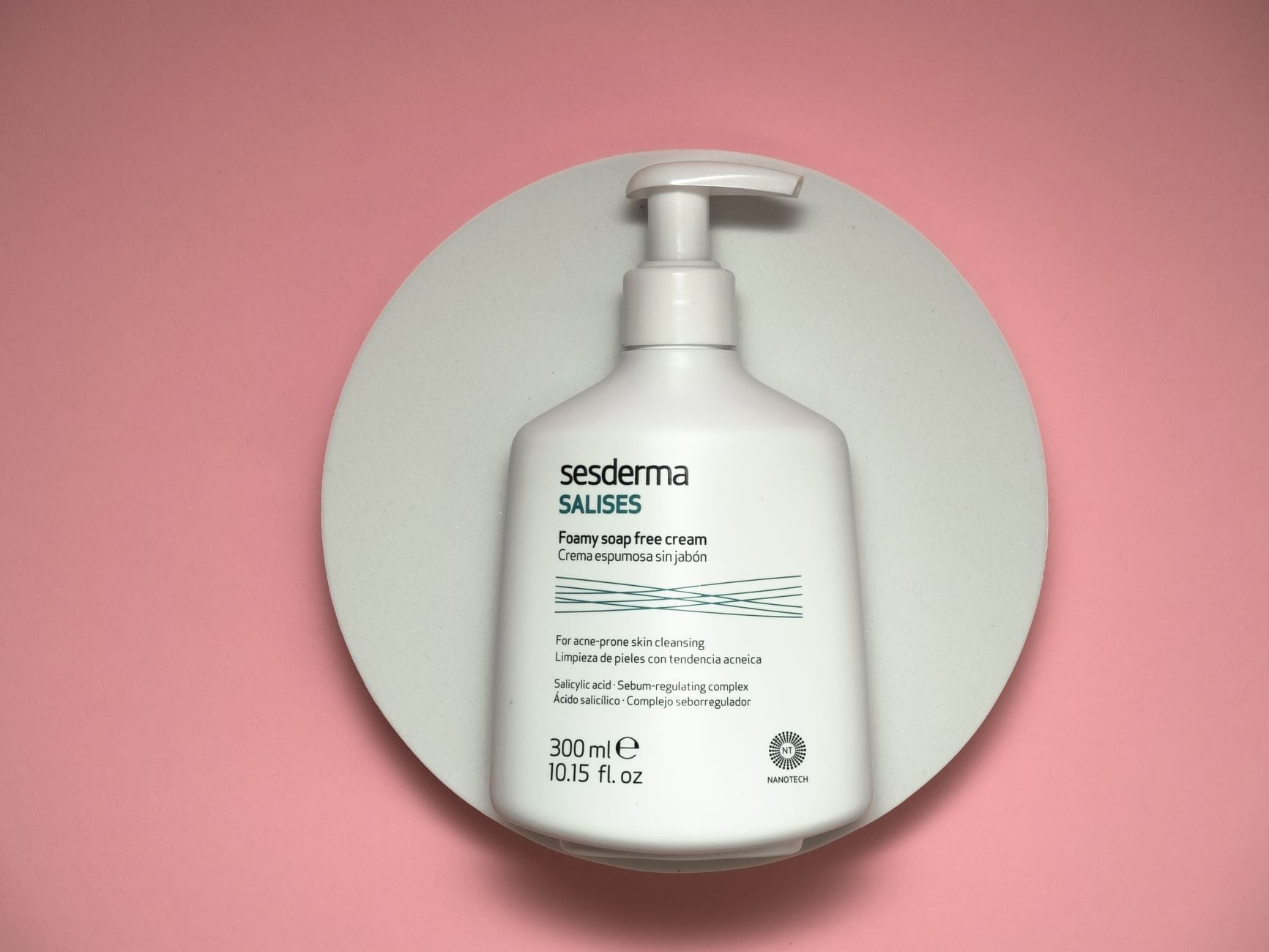
Salicylic acid is a naturally occurring compound used to treat acne as a topical product or a chemical peel. It exfoliates, calms inflammation, and has antibacterial properties. Its real advantage against deep blackheads is that it is oil-soluble, so it penetrates further than the water-soluble acids in many routines. That means it can clear surface debris while also breaking up the oil sitting deep in the pore and helping unclog the plug itself. It also dries out dead cells so they stop clumping together, which cuts down on future blackheads.
You’ll find it in cleansers, toners, moisturizers, and exfoliants at gentle concentrations for daily use. Higher-strength peels exist too, but those belong in a dermatologist’s hands, since the concentrations run much stronger.
Retinoids for the Long Game
Retinoids keep skin cells from sticking together and help regulate oil, which addresses two of the exact conditions that build a blackhead. They also speed up cell turnover, so skin heals faster and discolors less after a blackhead is cleared. As a bonus, they support collagen and generally leave skin looking healthier over time.
If you’ve been living with a deep blackhead for years, an over-the-counter retinoid is a reasonable place to start. Prescription versions are stronger and often more effective, so a quick conversation with a dermatologist is worth it if the drugstore option stalls out.
Benzoyl Peroxide for Inflammation
Benzoyl peroxide has strong anti-inflammatory action, which makes it useful when a blackhead is inflamed or after an extraction leaves the area angry. It also helps clear the buildup of dead cells and surplus oil. It comes in gels, cleansers, foams, creams, and lotions at various strengths. One caution: overdoing it dries the skin out, and that dryness can work against you, so keep the amount modest.
Tea Tree Oil
 Save
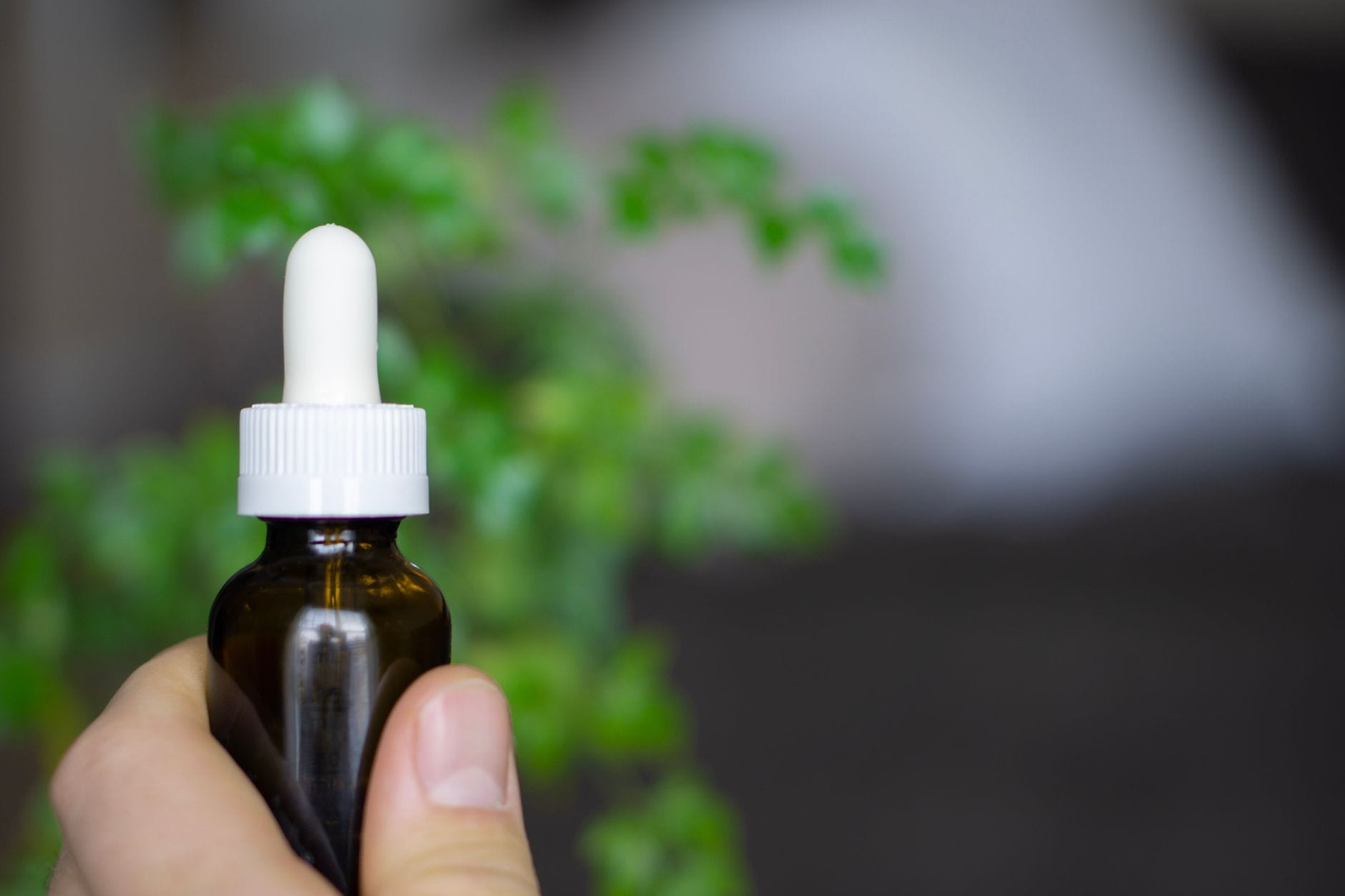
Tea tree oil is a milder alternative worth a look. One study comparing it to benzoyl peroxide for acne found both effective, though the tea tree oil worked more slowly. Research on it specifically for deep blackheads is still thin, but it is well tolerated, so there’s little downside to trying it. A steam session with a few drops added can help loosen the pores and coax out some of the trapped oil and debris.
When to Loop in a Dermatologist
Home care has limits. A blackhead that is very deep and thoroughly hardened may simply need professional extraction or a proper chemical peel, both of which you shouldn’t attempt yourself. Book an appointment if you suspect infection, which can follow any prodding that breaks the skin. Fever, swelling, or soreness around the spot are all signals to get it looked at rather than experiment further.
Keeping New Ones From Forming
 Save
Prevention leans on the same ingredients that treat them. A steady routine with salicylic acid keeps pores clearer, and a retinoid manages the oil and cell buildup that start the whole cycle. Consistency matters more than intensity here. Gentle, regular care beats aggressive scrubbing, which only irritates skin and can prompt more oil production.
Frequently Asked Questions
Can I remove a deep blackhead in one day?
Usually not. Deep blackheads are the product of months or years of buildup, so ingredients need time to loosen and clear them. Expect gradual improvement over weeks, not an overnight fix.
Are pore strips a good option for deep blackheads?
They may grab the very tip, but they don’t reach the hardened plug beneath, and there isn’t strong evidence supporting them for deep blackheads. Ingredients that penetrate the pore are a more reliable bet.
Does diet really affect blackheads?
It can play a part. Diets high in fat or refined carbohydrates are among the factors linked to excess oil production, which feeds blackhead formation. It’s one piece of a larger picture that also includes hormones and skincare habits.
The Bottom Line
Deep blackheads are hardened plugs of oil and dead skin, not dirt you can scrub away, and they resist quick tricks for a reason. The methods with actual evidence behind them are salicylic acid, retinoids, and benzoyl peroxide, with tea tree oil as a gentler backup. Skip the squeezing, which risks scarring and infection, and lean on consistent care instead. When a blackhead is deeply set or looks infected, a dermatologist has the tools to handle it safely.
This article is for informational purposes only and is not a substitute for professional medical advice. Consult a qualified dermatologist or healthcare provider before starting any new treatment, especially if you have persistent, painful, or infected skin concerns.