

That raw, scorched feeling at the back of your throat usually has a fixable cause, but a few don’t.
A throat that stings, burns, or feels raw is one of the most common complaints that sends people to a doctor. Sometimes it shows up alone. Other times it arrives with a fever, a cough, or that lump-in-the-throat feeling that makes swallowing a chore. Most of the time you can calm it down at home. Occasionally the burn is a signal worth taking seriously.
Here’s a plain-language look at what tends to cause it, what you can do about it in your own kitchen, and the point at which you should stop waiting and get checked.
Key Takeaways
– A burning throat comes from inflammation at the back of the throat, often paired with redness, swelling, fever, hoarseness, or trouble swallowing.
– Common culprits include acid reflux (GERD), post-nasal drip, tonsillitis, strep, mono, and everyday irritants like smoke.
– Rest, fluids, salt-water gargles, and warm honey or ginger drinks handle most cases.
– Rarely, a persistent burn points to something like esophagitis or esophageal cancer, so lingering symptoms deserve a checkup.
– If burning lasts more than about ten days, or comes with chest pain or breathing trouble, see a doctor.
What a Burning Throat Actually Is
The burn itself is inflammation. When your body reacts to an injury, an infection, or a foreign substance, it sends more blood to the area. That extra circulation brings swelling and pain to the tissue at the back of your throat, and the result is that hot, tender feeling.
Inflammation is a symptom, not a diagnosis. So the real question is always what set it off, because the answer changes what you should do next.
The Symptoms That Tag Along
A burn rarely travels solo. Depending on the cause, you might also notice:
Redness and swelling
Fever and headaches
General throat pain and hoarseness
Trouble swallowing
Nausea or vomiting
Swollen lymph nodes
Fatigue
The combination matters. A burn with swollen glands and a fever points somewhere different than a burn with a sour taste and a cough.
What’s Behind the Burn
Several conditions can leave your throat feeling scorched. Some are mild and self-limiting, others need a doctor’s eye.
Acid Reflux (GERD)
 Save
When the valve between your stomach and esophagus is weak or too relaxed, stomach acid creeps back up. That acid irritates the throat and produces the familiar burn people call heartburn. Reflux often brings a sour or acidic taste, a sense of a lump in the throat, coughing, wheezing, nausea, or chest pain. It’s remarkably common. In one study of just over 2,000 people, close to 28% reported typical reflux symptoms.
Post-Nasal Drip
When irritants or germs inflame your nasal passages, mucus builds up and slides down the back of your throat. That constant drip keeps the tissue raw. You may also get a tickling cough, a blocked nose, and thick, sticky mucus.
Tonsillitis and Strep
Your tonsils are the two pads of tissue standing guard at the back of your throat. A viral or bacterial infection can inflame them, bringing a sore throat, fever, swollen glands, and painful swallowing. Strep throat, caused by streptococcus bacteria, feels similar: burning, scratchiness, difficulty swallowing, often with fever and chills. People mix up strep and an ordinary sore throat all the time, which is exactly why a swab test can be worth it.
Mononucleosis
Mono, the so-called kissing disease, spreads through saliva, shared drinks, and shared utensils. Caused by the Epstein-Barr virus and common in teenagers, it inflames the back of the throat and usually drags along fatigue, fever, swollen lymph nodes, a poor appetite, and headaches.
Burning Mouth Syndrome and Allergies
Sometimes the burn extends into the mouth itself. Burning mouth syndrome can follow a food allergy or an infection, alongside a dry mouth and a bitter or sour taste. Separately, a protein intolerance can trigger a reaction in the gut that reaches the throat, sometimes with itching on the lips or tongue, vomiting, diarrhea, facial swelling, or a rash.
Esophagitis and, Rarely, Cancer
Esophagitis is inflammation of the esophagus from infection, injury, or radiation. It shows up as heartburn, chest pain, a chronic cough, and trouble swallowing. Much more rarely, ongoing throat inflammation can be a sign of esophageal cancer, the eighth most common cancer worldwide, which tends to cause difficult or painful swallowing, chest pain, and hoarseness. This one is uncommon, but it’s the reason a burn that won’t quit shouldn’t be ignored.
Everyday Irritants
 Save
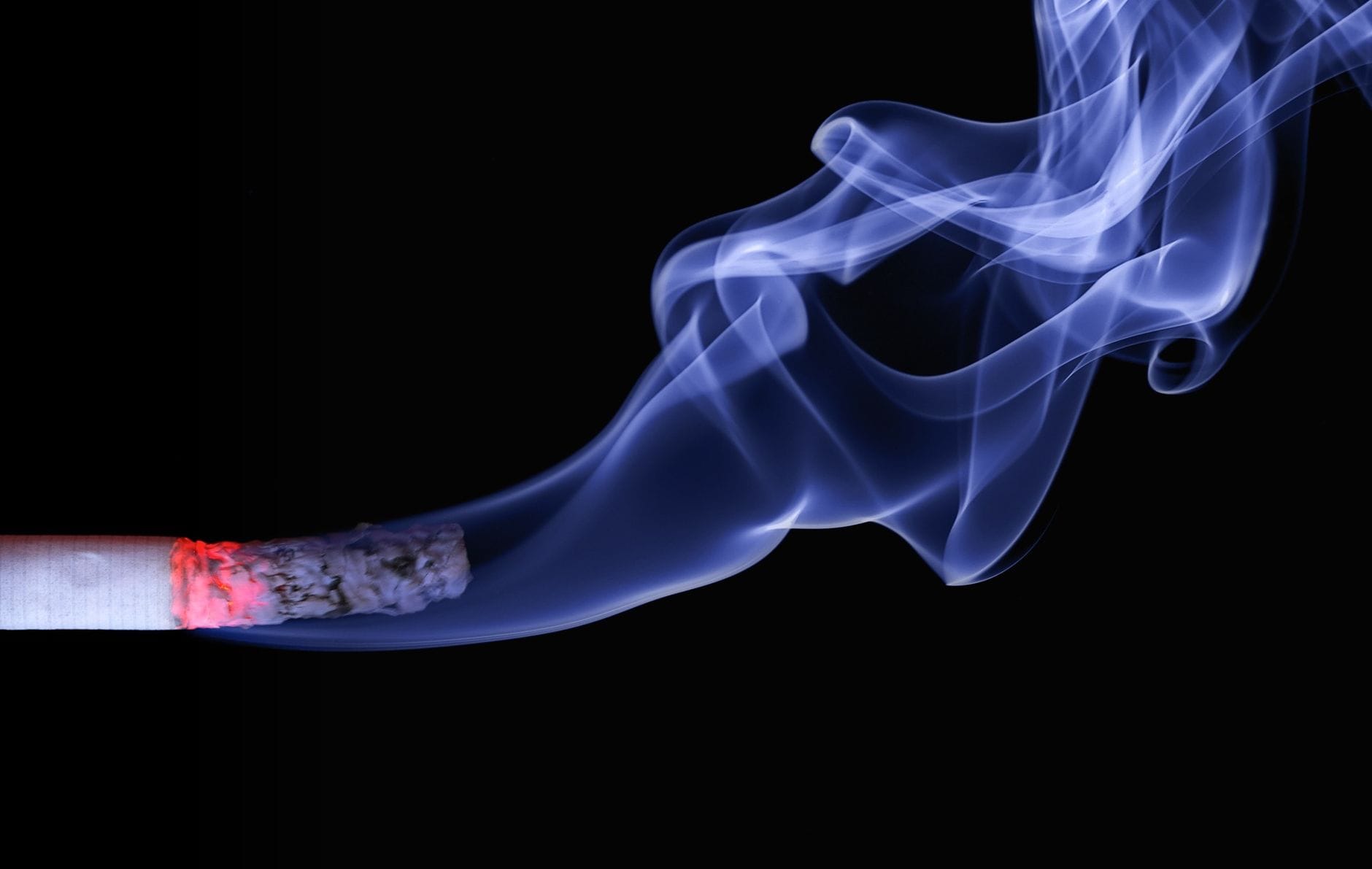
Not every burn is an illness. Smoke, smog, strong fumes, and harsh odors inflame the delicate lining of your throat. If your air quality is poor or you’re around a smoker, the irritant itself may be the whole story. Better ventilation, less exposure, and steady hydration often settle things on their own.
One quick note on COVID-19: a sore or irritated throat is one of its early signs, so a new burn during cold-and-flu season is worth keeping on your radar.
Simple Ways to Soothe It at Home
For most everyday burns, a handful of low-effort remedies do the job. You likely have everything already.
Rest and Fluids
Sleep gives your body room to fight whatever started this. Drink plenty of water, too, since a dry throat feels every bit of the irritation more sharply.
Warm Drinks
 Save
Warm liquids are gentle on inflamed tissue. Honey, lemon, or ginger tea all help, and a bowl of warm chicken soup is a classic for a reason. One blogger, Anne Butera, wrote about a turmeric, ginger, and hot-pepper tea she uses: the pepper tingled at first, which she actually found soothing, and she said she felt noticeably better each time she drank it.
A Warm Salt-Water Gargle
 Save
Gargling with lukewarm salt water is one of the oldest tricks going, and it holds up. It helps reduce soreness and gives the back of your throat a break.
A few more that help:
Suck on ice chips to numb the burn
Use lozenges or hard candy to keep the throat coated
Take an over-the-counter pain reliever like ibuprofen for the inflammation
Give these a few days. Even with good home care, a burn can linger for a while before it fully clears.
When to Call a Doctor
Home remedies handle a lot, but they aren’t a substitute for a proper look when things drag on. Check in with a doctor if your burning throat lasts more than ten days, or if it comes with any of these:
Fever
Chest pain
Trouble breathing
Pain or discomfort when you swallow
Those signs can point to an infection that needs treatment or something more involved, and they’re easier to sort out early.
Frequently Asked Questions
How do I tell strep from an ordinary sore throat?
The symptoms overlap a lot, which is the frustrating part. Strep tends to come with fever, chills, swollen glands, and no cough, but the only reliable way to know is a swab test at a clinic. If you suspect strep, get it checked, since it usually needs antibiotics.
Can acid reflux really burn my throat?
Yes. When stomach acid flows back up the esophagus, it irritates the throat directly, along with causing heartburn, a sour taste, and sometimes a cough. If reflux is the cause, calming the reflux itself matters more than treating the throat.
Is a burning throat ever an emergency?
Usually not, but treat trouble breathing, severe chest pain, or an inability to swallow as reasons to seek help right away. A burn that persists past ten days also deserves a professional look rather than more waiting.
The Bottom Line
A burning throat is your body flagging inflammation, and the cause spans everything from a passing irritant to reflux, an infection, or, rarely, something that needs real treatment. Rest, fluids, warm honey or ginger drinks, and a salt-water gargle will settle most cases within a few days. Pay attention to the company the burn keeps. Persistent symptoms, a fever, chest pain, or breathing trouble are your cue to stop self-treating and get checked.
This article is for general information only and isn’t a substitute for professional medical advice, diagnosis, or treatment. Talk to a qualified healthcare provider about any symptoms or before making changes to your care.