

A practical, evidence-minded guide to feeling better faster while your body clears the infection.
That raw, scratchy feeling in your throat is easy to shrug off. Sometimes it really is a passing irritation. Other times it is strep throat, a bacterial infection that behaves differently and can, if ignored, cause trouble beyond your neck. Knowing which one you are dealing with matters, because strep spreads easily and occasionally leads to complications.
The good news is that most of the misery is manageable at home while your immune system does the heavy lifting. Comfort measures won’t wipe out the bacteria on their own, but they can take the edge off the pain and help you rest. Here is what tends to help, plus the moment to stop self-treating and pick up the phone.
Key Takeaways
– Strep throat is a contagious bacterial infection of the throat and tonsils, most common in kids aged 5 to 15 but possible at any age.
– Classic signs include sudden fever, a burning sore throat, painful swallowing, and white patches with redness in the throat.
– Rest, fluids, honey, warm broths, and salt-water gargles can soothe symptoms even though they don’t cure the infection.
– Herbs like elderberry, echinacea, and thyme, along with vitamin C, are traditional supports with modest evidence behind them.
– Because untreated strep can lead to rheumatic fever and kidney problems, worsening or high fever warrants a doctor’s visit.
What strep throat actually is
Strep throat, or streptococcal pharyngitis, is inflammation caused by Streptococcus pyogenes, a bacterium in the Group A strep family. It travels in the tiny droplets people release when they cough or sneeze, and it can also hitch a ride on shared food, drinks, and personal items. Touch a contaminated surface, then your mouth, nose, or eyes, and you may pick it up that way too.
The symptoms often arrive fast. A sudden high fever, a throat that feels sore or burning, trouble swallowing, headache, chills, and swollen lymph nodes in the neck are typical. Look inside and you may see redness streaked with white patches. Appetite tends to disappear, which makes staying nourished its own small challenge.
Group A strep is not a rare nuisance. In the United States it drives millions of outpatient visits and antibiotic prescriptions every year, and its more invasive forms cause thousands of deaths annually. Most cases of ordinary strep throat are far milder than that, but the numbers are a reminder that this is a real infection deserving respect.
Home remedies that make the days more bearable
None of the steps below will “cure” strep the way antibiotics do. What they can do is calm inflammation, ease the sting, and keep you comfortable enough to sleep and stay hydrated. Rest and plenty of fluids are the foundation everything else sits on.
Honey
 Save
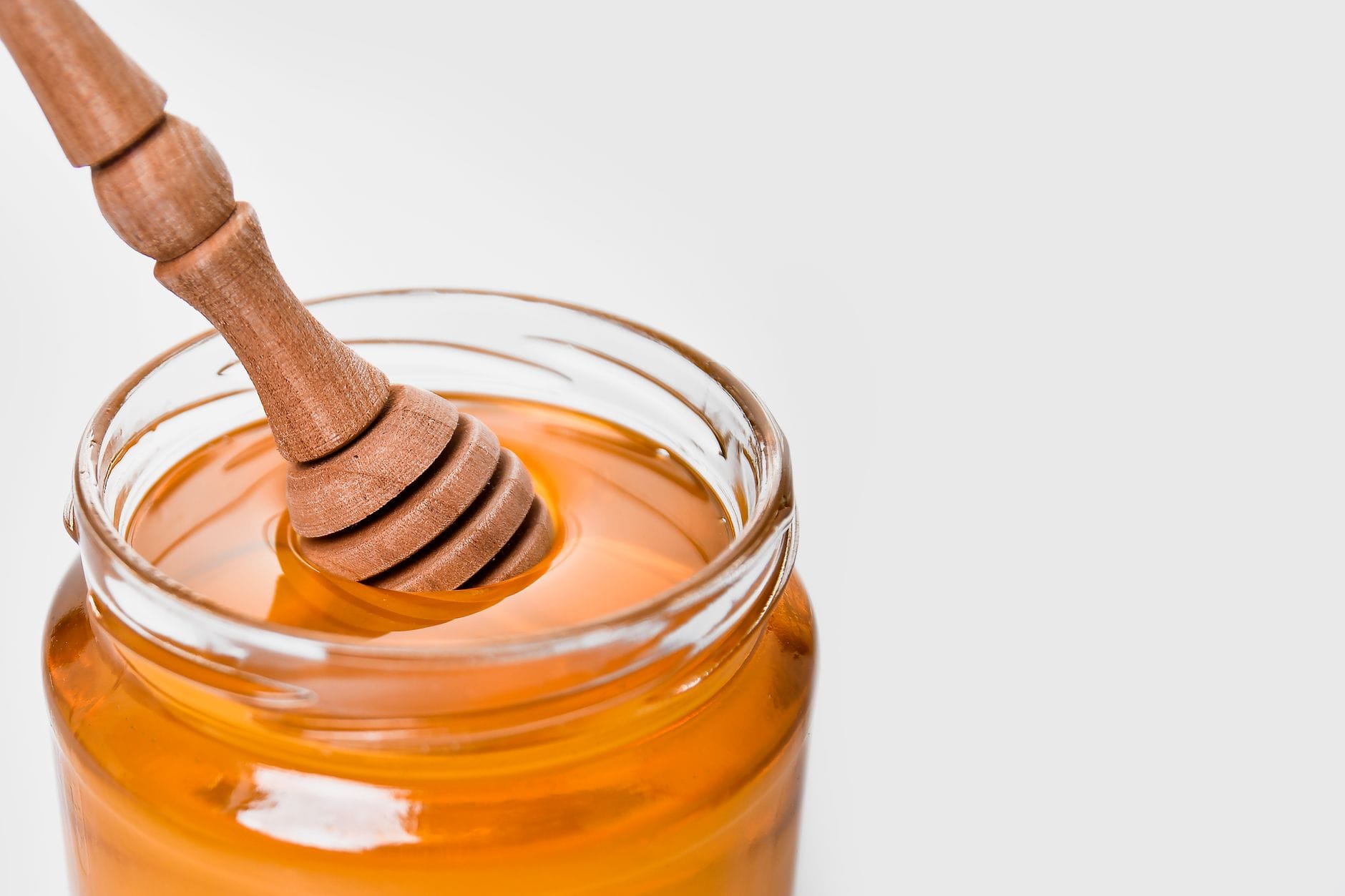
Honey has soothed sore throats for generations, and there is reason behind the tradition. Organic honey can coat an irritated throat, help dampen inflammation, and may act against some bacteria while giving your defenses a nudge. Take a tablespoon straight or stir it into warm (not scalding) tea. Skip honey for babies under one year.
Warm broths and chicken soup
 Save
When swallowing hurts and food loses its appeal, a bowl of chicken soup pulls double duty. It keeps fluids and nutrients coming, and its combined ingredients seem to have a mild anti-inflammatory effect. Long dismissed as pure folk wisdom, it has picked up some research support for easing upper respiratory symptoms. Warmth and steam are part of the comfort.
Gargle with salt water
 Save
A simple salt-water rinse is one of the most recommended tricks for a reason. Salt has mild antibacterial action and can pull down swelling and soreness. Dissolve about a quarter teaspoon of salt in eight ounces of warm water, swirl a mouthful around the back of your throat for a few seconds, and spit it out. Repeat several times a day. Studies show it helps with non-bacterial pharyngitis, and doctors often suggest it for symptom relief with strep as well.
Herbs, oils, and extra vitamin C
 Save
A handful of botanicals show up again and again in throat-care routines:
Elderberry — available as tea or a supplement, with antibacterial and antiviral properties that may support the upper respiratory tract.
Echinacea — taken as a capsule, tincture, or tea at the first sign of trouble; its anti-inflammatory reputation may help a raw throat.
Thyme oil — a couple of drops in warm water makes a gargle (spit it out), or add a few drops to a bowl of steaming water and inhale. Avoid it in young children, during pregnancy, and if you have epilepsy or thyroid conditions.
Peppermint oil — the menthol brings a cooling sensation; a drop or two in warm water can soothe, though children under two and pregnant women should not use it.
Vitamin C rounds things out. It may give your immune system a boost as it fights the infection, and you can get it from a supplement or from oranges, kiwi, grapefruit, strawberries, kale, and broccoli.
A humidifier helps the air itself. Adding moisture eases throat irritation and can make breathing more comfortable overnight. Use a cool-mist model and clean it daily, since a neglected tank can grow the very germs you’re trying to avoid.
The complications that make strep worth watching
Plenty of strep cases are self-limiting and settle within a week. The reason clinicians take it seriously anyway is the small chance of downstream problems when the infection lingers untreated. Acute rheumatic fever can follow, and with it rheumatic heart disease, which damages the heart valves and can eventually strain the heart. Post-streptococcal glomerulonephritis, a kidney complication, is another rare but real possibility. These outcomes are uncommon, yet they are exactly why a stubborn or severe case shouldn’t be left to run wild.
When to stop self-treating and call a doctor
Home remedies are for comfort, not diagnosis. Reach out to a healthcare provider if your fever is high or won’t break, if the sore throat is severe or lasts more than a couple of days, if you struggle to swallow or breathe, or if symptoms keep getting worse instead of better. A quick throat swab or rapid test can confirm strep, and if it is positive your doctor may prescribe antibiotics to clear the bacteria and lower the risk of complications. This is one of those situations where getting checked is the sensible move, especially for children.
Frequently Asked Questions
Can strep throat go away without antibiotics?
Often, yes. Strep is frequently self-limiting and can resolve on its own. Antibiotics still matter because they clear the bacteria faster and reduce the odds of complications like rheumatic fever, so a confirmed case is worth treating properly.
How is strep throat diagnosed?
A clinician typically swabs the back of your throat for a rapid strep test or throat culture. Symptoms alone can look like an ordinary sore throat, so the test is what distinguishes the two.
Is strep throat contagious?
Very. It spreads through respiratory droplets from coughing and sneezing, plus shared food, drinks, and surfaces. Wash your hands often, avoid sharing utensils, and stay home while you are sick and feverish.
The Bottom Line
Strep throat sits in an awkward spot: uncomfortable enough to derail your week, contagious enough to spread through a household, and occasionally serious enough to need medicine. Home remedies like honey, warm soups, salt-water gargles, soothing herbs, and steady hydration make the recovery gentler and can be started right away. What they can’t do is replace a proper diagnosis. If your symptoms are severe, climbing, or dragging on, let a professional confirm what’s going on and decide whether antibiotics are the right call. Comfort at home and good judgment about when to seek care are the combination that gets you through it.
This article is for general information only and is not a substitute for professional medical advice, diagnosis, or treatment. Always consult a qualified healthcare provider about your symptoms and before starting any remedy, especially for children or during pregnancy.