

Two conditions that feel almost identical, but only one needs antibiotics.
You wake up, swallow, and flinch. Your throat is raw and scratchy, and now the question sets in: is this just a passing sore throat, or is it strep? The two can feel nearly the same from the inside, which is exactly why so many people guess wrong. The distinction matters, though, because the right treatment for one does nothing for the other.
Here’s how to read the signals, what actually helps at home, and when it’s time to hand the decision to a professional.
Key Takeaways
– A sore throat is a symptom with many possible causes; strep throat is a specific bacterial infection that happens to include a sore throat.
– Strep is contagious and spreads through airborne droplets and shared surfaces. A garden-variety sore throat often isn’t infectious at all.
– A cough usually points away from strep. Strep tends to skip the cough and bring fever, white patches, and swollen glands instead.
– Doctors treat strep with antibiotics and treat viral sore throats with rest, fluids, and anti-inflammatory or corticosteroid medication.
– Most sore throats clear on their own within a week, so home care is often all you need.
What a Sore Throat Actually Is
A sore throat is that dry, itchy, painful feeling at the back of your throat caused by inflammation. It ranks among the most common reasons people book a doctor’s appointment each year. The ache often sharpens when you swallow, which is why even sipping water can feel like a chore.
The important thing to remember: “sore throat” describes how you feel, not why. Plenty of things can trigger it.
Viral infections. The common cold and other upper respiratory infections are the usual culprits, driven by viruses like rhinovirus, adenovirus, and influenza that circulate heavily in winter.
Allergies. Pollen, pet dander, and certain foods can leave your throat scratchy alongside congestion, hives, or trouble breathing.
Dry or cold air. Cold, dry air pulls moisture out of your mouth and throat, leaving it parched and raw.
Irritants. Pollution, chemical fumes, and tobacco smoke all dry and inflame the tissue.
Injury or strain. Yelling for hours, or a bit of food scraping on the way down, can overwork your vocal cords and irritate the lining.
Because the list is so long, a sore throat on its own tells you very little about what’s going on.
Strep Throat Is a Bacterial Infection
Strep throat, or streptococcal pharyngitis, is inflammation caused by a specific bacterium: Streptococcus pyogenes, also called group A strep. It affects people of every age but shows up most in children between 5 and 15.
It’s also genuinely contagious. When an infected person coughs or sneezes, the bacteria travel in airborne droplets, and they can linger on doorknobs, cups, and utensils too. That’s a real dividing line, since a sore throat from dry air or allergies won’t pass to anyone.
The scale is worth appreciating. A 2026 CDC report estimated 14,000 to 25,000 cases of invasive group A strep in the US each year, with roughly 1,500 to 2,300 annual deaths from severe infection over the prior five years. On the everyday end, strep accounts for around 5.2 million outpatient visits and 2.8 million antibiotic prescriptions a year among Americans up to age 64.
Four Differences That Set Them Apart
If you want a quick mental checklist, focus on these four:
1. Contagiousness. Strep spreads person to person; many sore throats don’t spread at all.
2. Cough. A cough is common with an ordinary sore throat and typically absent with strep.
3. The cause. Strep is bacterial and single-source. A sore throat can be viral, allergic, environmental, or mechanical.
4. Extra signs. Strep often brings high fever, white patches or streaks of pus in the throat, and tender swollen lymph nodes, without the runny nose and cough of a cold.
None of these is a guarantee on its own, which is why a test still settles it.
Home Remedies for a Raw, Aching Throat
 Save
Whether the cause turns out to be strep or something milder, comfort measures help you get through the worst of it. Full recovery from strep does usually need medication, but these steps ease the discomfort in the meantime.
Rest as much as your schedule allows.
Drink plenty of water to fight the dryness and stay hydrated.
Sip warm liquids like lemon or ginger tea.
Gargle with lukewarm salt water to calm the soreness.
Suck on lozenges or hard candy to keep your throat moist.
Reach for an over-the-counter pain reliever such as ibuprofen.
A spicy, clear broth can be surprisingly effective too. One blogger recovering from strep and mono wrote that a well-spiced noodle soup cleared her nasal passages and gave her real relief when little else did. Warmth, steam, and a bit of heat can do a lot for a stubborn throat.
When to Call a Doctor
 Save
Home care has limits. Reach out to a healthcare provider if you notice any of the following:
A high fever lasting more than two days.
White patches inside your throat.
Severe, unrelenting pain.
So much swelling that swallowing or breathing becomes difficult.
These are the signs that push a sore throat out of the “wait and see” category.
How Doctors Tell the Difference
 Save
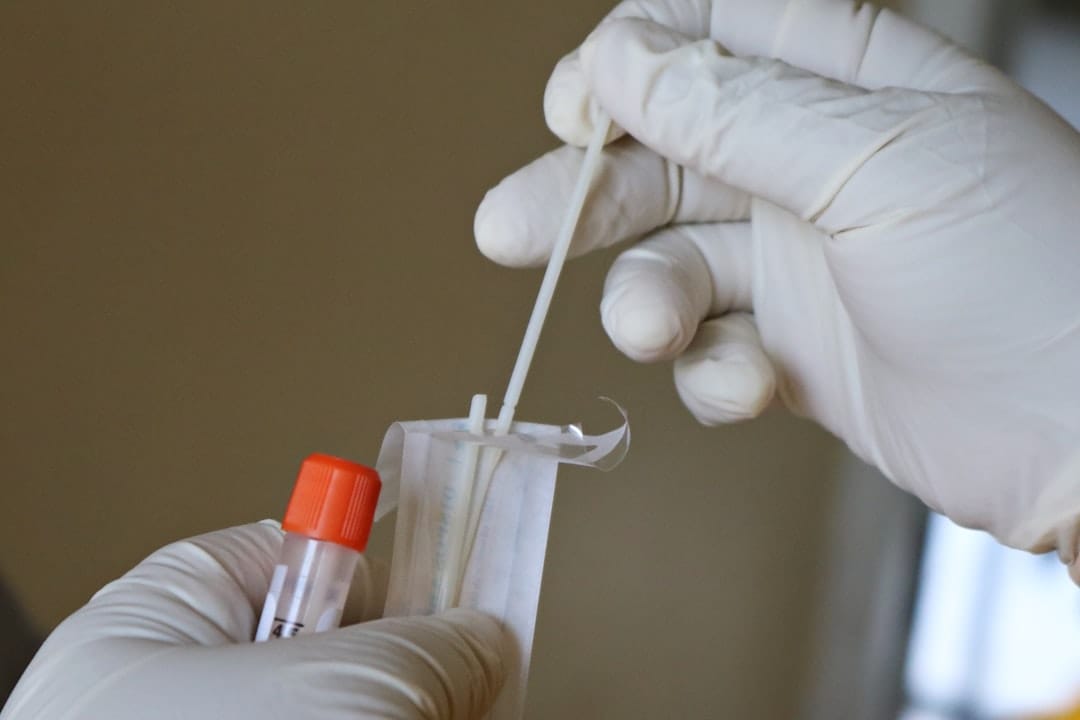
Your provider usually starts with a physical exam, checking for swollen glands and inflammation and asking how your symptoms have progressed. To confirm strep, they may run one of two tests.
A rapid strep test uses a swab from the back of your throat to check quickly for group A strep. If it comes back negative but suspicion remains, that swab goes on to a throat culture, where the sample is grown in a lab to pin down the exact cause. Once the source is clear, treatment follows.
Treatment: Antibiotics or Just Patience
 Save
Many sore throats, strep included, run their course within about a week. When they don’t, the treatment splits along the cause.
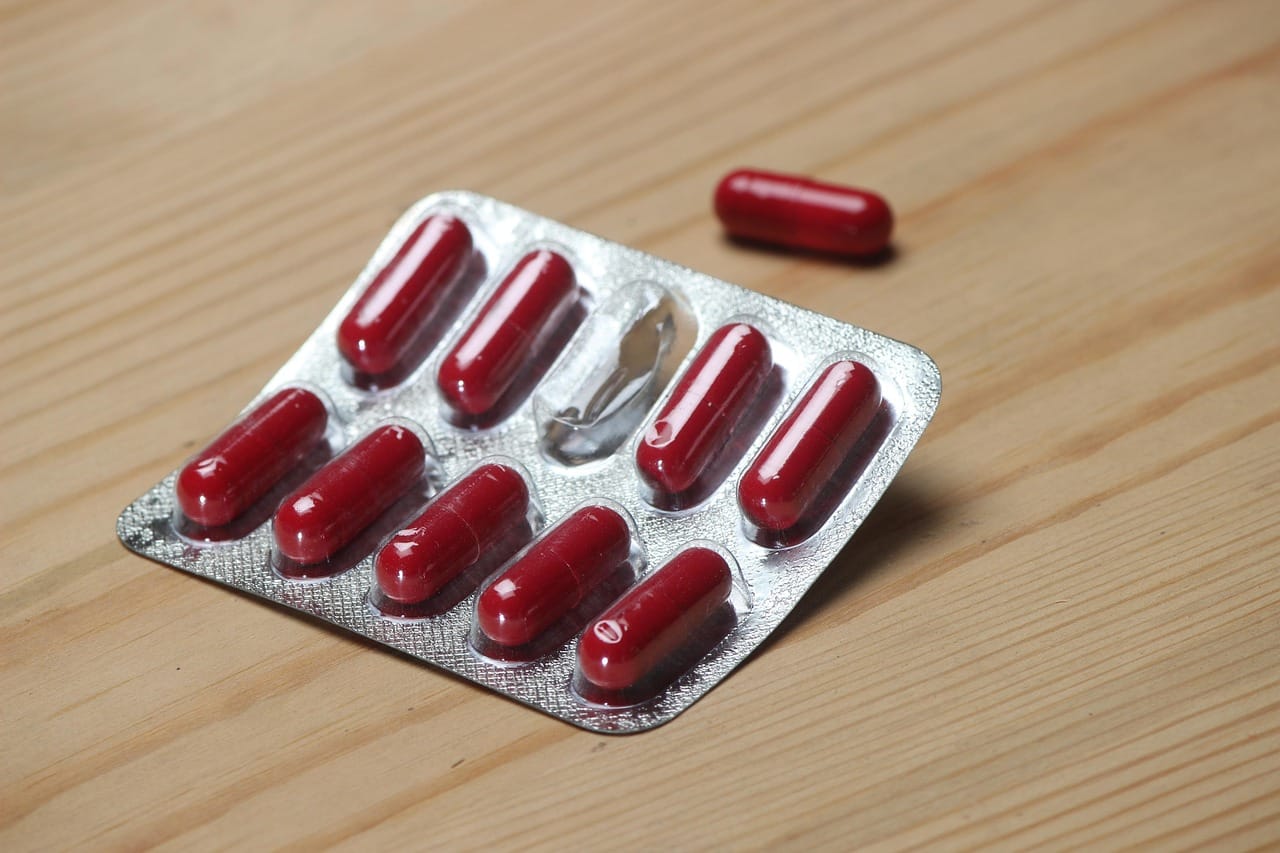
For strep, doctors prescribe antibiotics, most often amoxicillin or penicillin, with azithromycin as a backup if you’re allergic to both. Symptoms typically ease within 3 to 5 days of starting them, but finishing the entire course matters to keep the infection from bouncing back. Taking antibiotics carelessly can disturb your gut bacteria and cause digestive upset, so follow the directions closely.
For a viral sore throat, antibiotics do nothing. Instead, a provider may suggest NSAIDs or corticosteroids to bring down fever and pain while your body handles the virus.
Frequently Asked Questions
Can a sore throat turn into strep throat?
Not exactly. A sore throat is a symptom, and strep is one of the infections that can cause it. If your sore throat is from a virus or dry air, it won’t “become” strep, though you could catch strep separately.
How long is strep contagious?
Once you begin antibiotics, you generally become much less contagious fairly quickly. Untreated, strep can spread to others for far longer, which is another reason to get it diagnosed rather than tough it out.
Are there foods I should avoid?
Rough, crunchy, very acidic, or heavily salted foods can scrape and sting an inflamed throat. Soft, warm, soothing options like broth and smoothies tend to go down far more comfortably.
The Bottom Line
A sore throat and strep throat can feel like twins, but they part ways in the details. A cough, a runny nose, and no fever lean toward an ordinary, often viral sore throat that rest and fluids will handle. A high fever, white patches, swollen glands, and no cough lean toward strep, which needs a test and antibiotics. When your symptoms are severe or dragging on, let a professional make the call rather than guessing, and lean on the comfort remedies while you wait.
This article is for general informational purposes only and is not a substitute for professional medical advice, diagnosis, or treatment. Always consult a qualified healthcare provider with questions about a medical condition.