
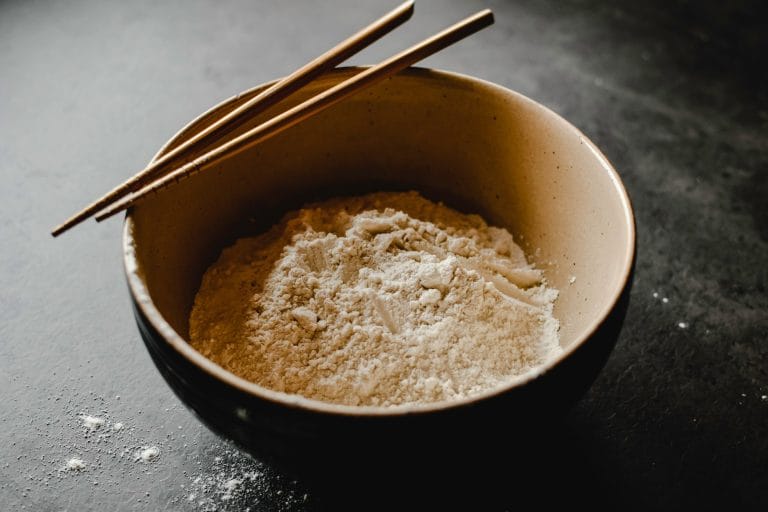
A golden, nutty flour from durum wheat that pulls more nutritional weight than plain white flour.
If you have ever eaten couscous, a firm plate of pasta, or a warm bowl of upma, you have already met semolina. This coarse, sunny-colored flour comes from durum wheat, one of the hardest wheat varieties grown, and it carries a mild, earthy, faintly nutty flavor. Beyond the taste, it brings a useful mix of protein, fiber, and minerals to the table.
Swapping refined white flour for semolina, especially the whole-grain kind, is a small change that can quietly help your heart, your digestion, and your waistline. Here is what the ingredient offers, and where it falls short.
Key Takeaways
– Semolina is a coarse flour milled from the starchy endosperm of durum wheat kernels.
– It carries no cholesterol, stays relatively low in calories, and packs about 13 g of protein per 100 g.
– Its fiber and protein may aid weight loss, support heart health, and help steady blood sugar.
– Enriched semolina adds extra iron, folate, and magnesium, three nutrients tied to cardiovascular health.
– Anyone with celiac disease, gluten sensitivity, or a wheat allergy should avoid it entirely.
What Semolina Actually Is
 Save
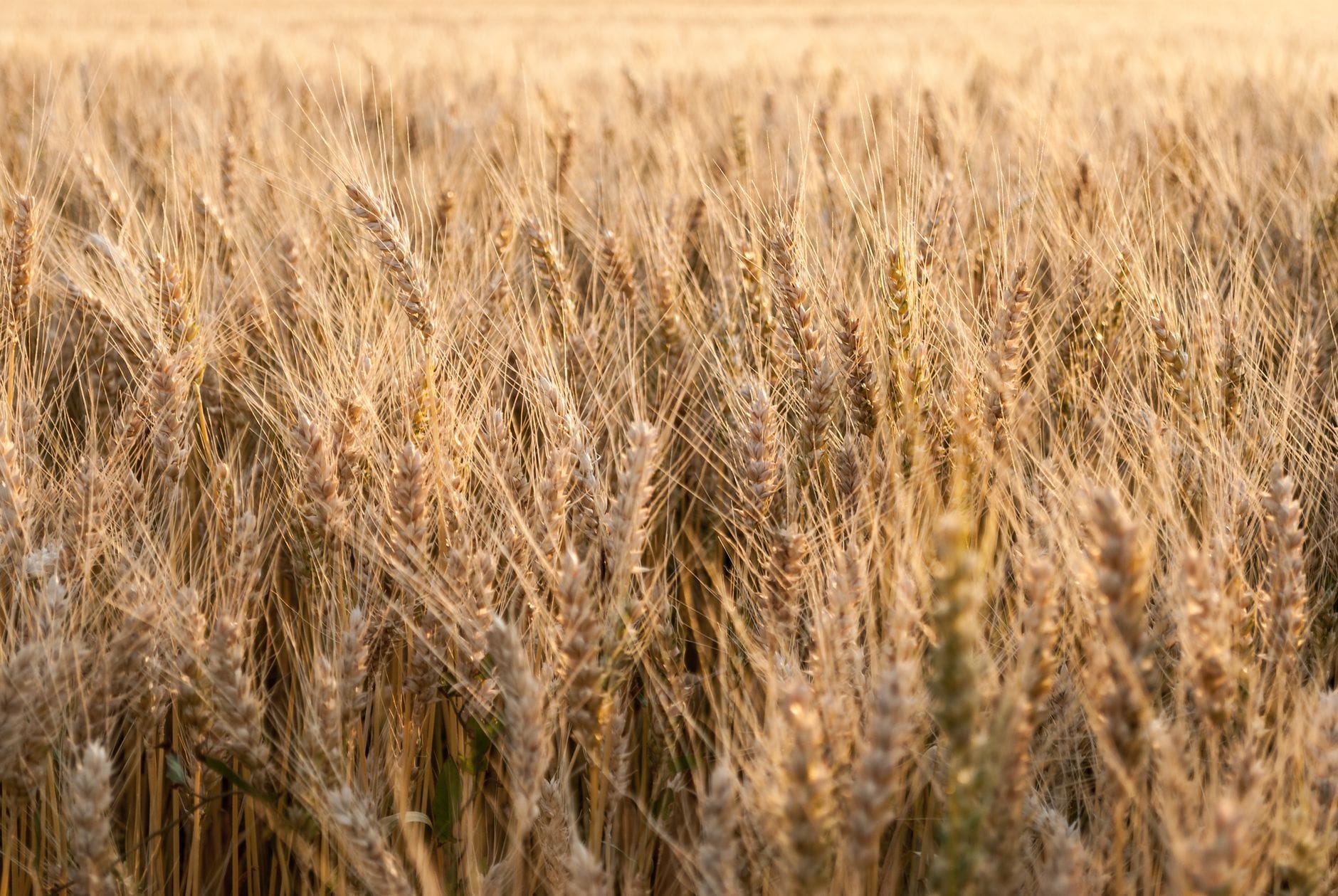
Every durum wheat kernel has three parts: the nutrient-dense germ at the center, the fibrous bran on the outside, and the starchy endosperm in the middle. Semolina is milled mostly from that middle layer, which is what gives the flour its coarse texture and pale gold color.
Durum wheat grows across North and East Africa, West Asia, the North American plains, and the Mediterranean stretch of Europe. It is prized for being tough and high in protein, which is exactly why it holds up so well in pasta and bread. Standard semolina is technically a refined flour, since the bran and germ are stripped away, but whole-durum versions keep those parts intact. That distinction matters, and I will come back to it.
What’s Inside a Serving
According to USDA figures, 100 g of uncooked semolina delivers roughly 13 g of protein and about 4 g of fiber in its unenriched form, with no cholesterol. Manufacturers often sell an enriched version too, and while the core numbers stay similar, enriched semolina is topped up with meaningful amounts of iron, folate, and other B vitamins. If you are choosing between the two, the enriched bag gives you more mineral value per spoonful.
The Health Benefits Worth Knowing
 Save
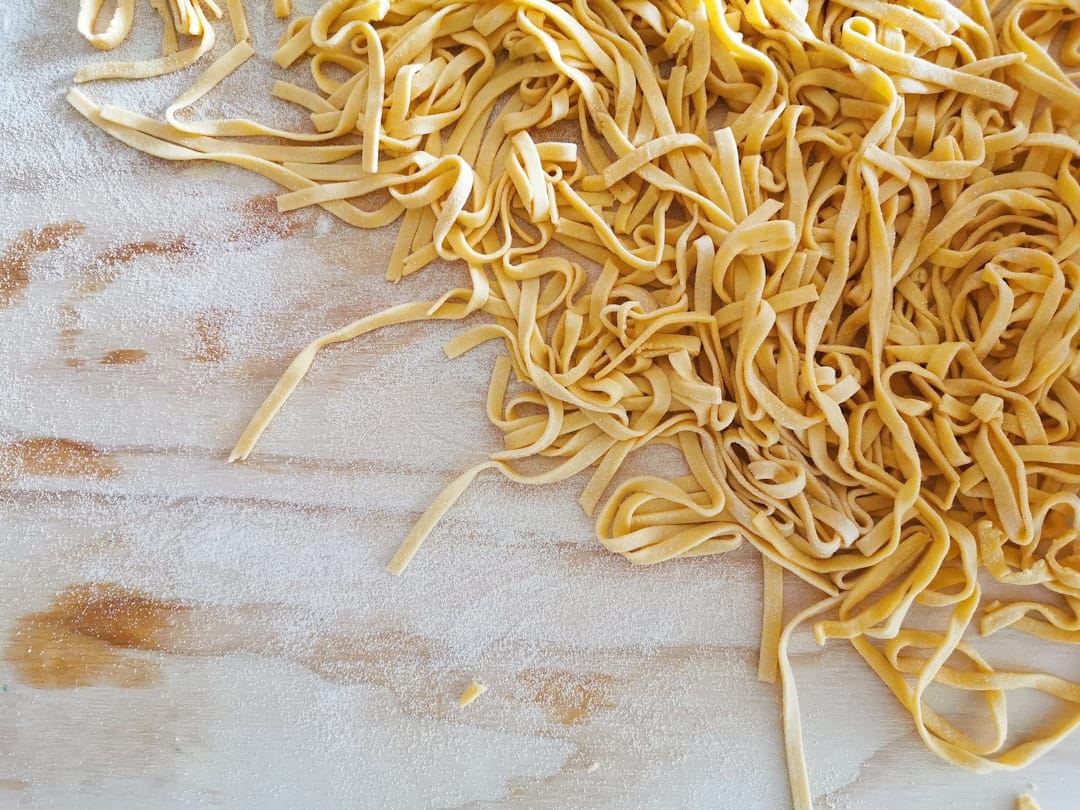
Semolina’s perks trace back to a few simple things: it is high in protein, decent in fiber (more so when whole grain), and, when enriched, a genuine source of hard-to-get minerals.
It can help with weight management
Protein and fiber are the two nutrients most consistently linked to feeling full, and semolina offers a fair share of both. They slow digestion, which stretches out the gap between meals and cuts the urge to snack. Research on fiber-rich eating backs this up: in one long study, women who added just 1 g of extra daily fiber lost around 0.25 kg over 20 months.
The protein angle is worth flagging separately. At about 13 g per 100 g, semolina fits neatly into a higher-protein diet, and higher-protein diets tend to outperform standard ones for weight loss while helping preserve muscle as the scale drops. For the fiber payoff, reach for whole-wheat semolina rather than the refined version.
It supports heart health
 Save
Whole-wheat semolina’s fiber is good news for your cardiovascular system. A review pulling together 31 studies found that people eating the most fiber had up to a 24% lower risk of heart disease. Fiber appears to help by nudging down LDL cholesterol, blood pressure, and inflammation.
Enriched semolina adds another layer here through its minerals. Iron keeps the cardiovascular system running smoothly, a 100 mg bump in dietary magnesium has been tied to a meaningfully lower risk of heart failure and stroke, and a high folate intake was linked to a 38% drop in heart disease risk in the research.
It may steady blood sugar
The fiber in semolina slows how quickly carbohydrates break down and enter your bloodstream, which softens the blood sugar spike that usually follows a meal. Combined with its magnesium, this may improve overall blood sugar control and, in people who already have diabetes, help lower fasting glucose. That said, this benefit really depends on choosing whole-grain semolina, not the refined kind.
It keeps digestion moving
 Save
Dietary fiber feeds the friendly bacteria in your gut, and a well-fed microbiome tends to mean smoother digestion, stronger immunity, and better metabolism. Fiber also adds bulk to waste and encourages regular bowel movements. In a two-week study, people who ate an extra 5 g of whole-grain fiber daily reported less constipation and less bloating.
It fights oxidative stress
Semolina contains ferulic acid, an antioxidant that helps shield your cells from free-radical damage and shows anti-inflammatory activity. Working it into meals, pasta being the obvious one, gives your body a small assist against everyday oxidative wear.
Where Semolina Falls Short
For all its upsides, semolina is not right for everyone, and one honest caveat applies to almost every serving.
The biggest asterisk is that standard semolina is refined. Once the bran and germ are removed, you are left with a high-carbohydrate flour that has lost much of the whole grain’s protective value. For anyone at risk of type 2 diabetes or heart trouble, plain refined semolina is not the smartest staple. Whole-grain durum semolina is the fix, since whole grains are consistently linked to lower rates of both conditions. Check the package for the words “whole durum wheat.”
Gluten is the other dealbreaker. Semolina is rich in gluten, which is exactly what makes it so good for bread and pasta, but that rules it out if you have celiac disease or gluten sensitivity. Buckwheat, amaranth, rice flour, and chickpea (garbanzo) flour all stand in nicely and bring their own benefits. And because semolina is a wheat product, anyone with a wheat allergy should steer clear, as reactions can range from a runny nose and hives to cramps, nausea, and asthma.
Frequently Asked Questions
Is semolina healthier than white flour?
In its whole-grain form, generally yes. It brings more protein and fiber, has no cholesterol, and can come enriched with iron and folate. Refined semolina is closer to white flour nutritionally, so read the label.
Can I eat semolina every day?
For most people without gluten or wheat issues, daily semolina is fine in moderation. Balance it with vegetables, other whole grains, and protein rather than making it the centerpiece of every meal.
Is semolina gluten-free?
No. It is made from durum wheat and is high in gluten. If you have celiac disease or gluten sensitivity, choose gluten-free flours like buckwheat, amaranth, rice, or chickpea instead.
The Bottom Line
Semolina earns its place as a nutritious upgrade over plain white flour, particularly when you choose the whole-grain version. Its protein and fiber can help you feel full, support a healthier heart, and keep blood sugar and digestion on a more even keel, while enriched varieties add valuable iron and folate. The catch is real, though: it is a wheat product loaded with gluten, and refined semolina loses much of the grain’s benefit. Pick whole durum wheat where you can, keep portions sensible, and skip it entirely if gluten or wheat doesn’t agree with you.
This article is for informational purposes only and is not a substitute for professional medical advice. Talk with your doctor or a registered dietitian before making significant changes to your diet, especially if you have a health condition or a food allergy.