
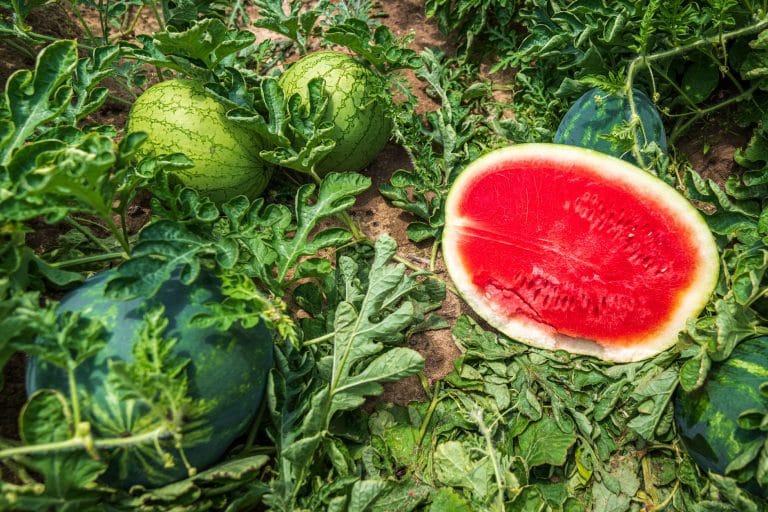
A honey-tinged summer fruit that hides a golden surprise under an ordinary green rind.
Slice open a watermelon expecting rosy pink, and a wedge of gold can catch you off guard. That is the charm of yellow watermelon, an heirloom cousin of the familiar red fruit that tastes a touch sweeter and carries faint notes of honey. You would never guess it from the outside, since both types wear the same striped green skin.
Here is a fact that surprises most people: red watermelon is the newcomer. The flesh was yellow long before selective breeding coaxed it toward pink and red. Yellow watermelon skipped that transformation, which makes it one of the oldest, most natural versions of a fruit we now treat as a summer staple.
Key Takeaways
– Yellow watermelon is an heirloom variety, smaller than red types, with a sweet honey-like flavor and no genetic modification behind its color.
– Its golden flesh comes down to one missing pigment: lycopene, the antioxidant that turns red watermelon and tomatoes red.
– Common varieties include yellow crimson, yellow doll, desert king, buttercup, and yellow petite.
– The fruit may support heart health, help manage chronic disease risk, and keep digestion moving thanks to its water and fiber.
– Anyone can enjoy it in moderation, unless they have a watermelon allergy.
What Exactly Is a Yellow Watermelon?
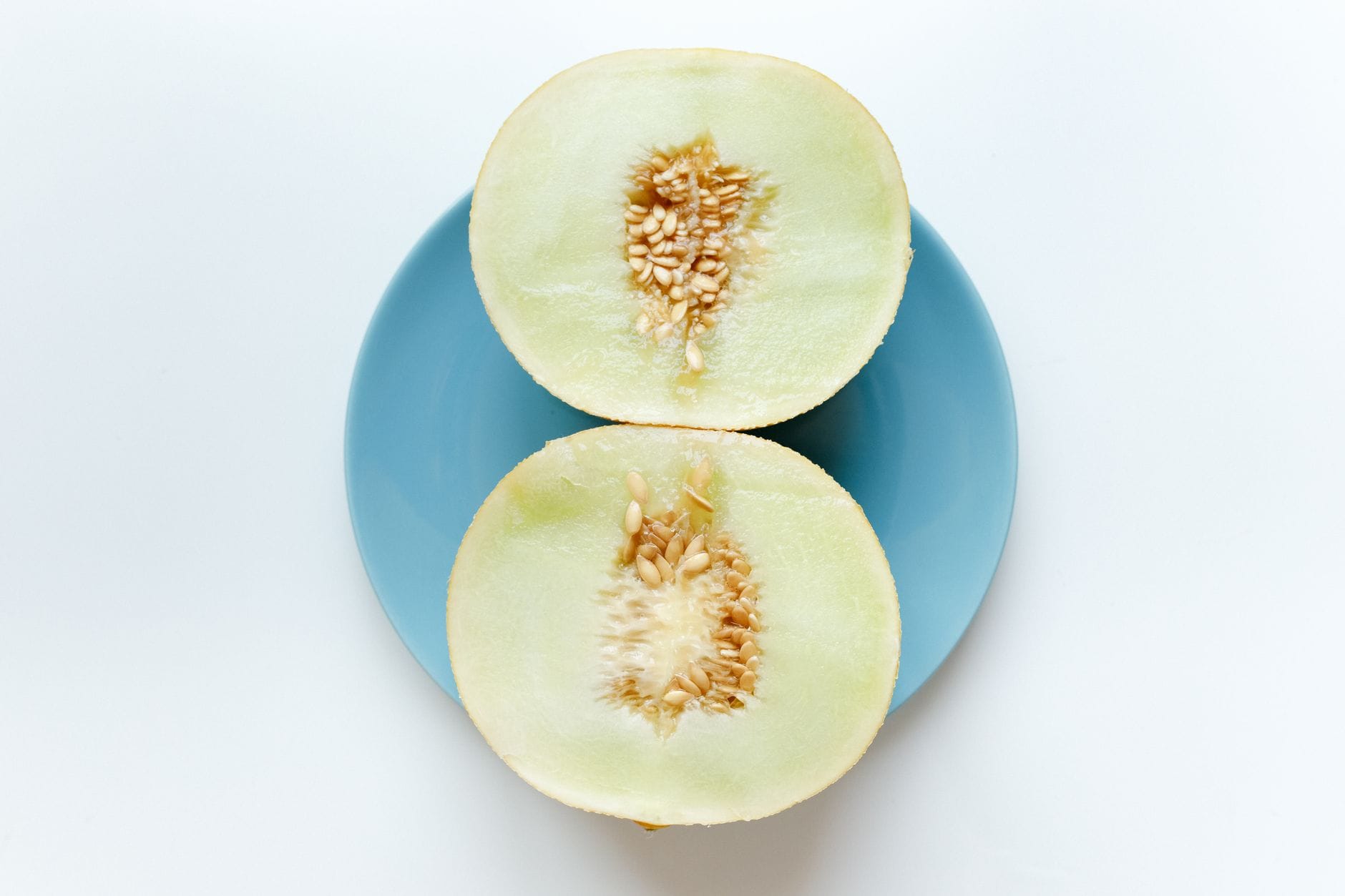
Botanically it belongs to the Cucurbitaceae family, the same clan as cucumbers and squash, and it is believed to trace back to Africa. The fruits tend to be smaller than red watermelons, oblong to oval in shape, with a rind that feels thicker and harder. Inside, the flesh ranges from pale butter-yellow to deep gold, studded with large brown or black seeds. Some cultivars are bred seedless. The flavor leans sweet, and many people pick up that gentle whisper of honey that sets it apart from its red relative.
Five Varieties Worth Knowing
 Save
If you spot yellow flesh at the grocery store, odds are you are looking at a yellow crimson. But the family is bigger than that, and each type has its own personality.
Yellow crimson — the one you will find most often. It looks like an ordinary crimson sweet on the outside, then reveals bright yellow flesh that is noticeably sweeter than the pink version.
Yellow doll — a compact melon of about five to seven pounds that matures fast, in roughly 68 days, and can even be trained to grow vertically in a container. Very sweet.
Desert king — easy to mistake for a cantaloupe, but with the crisp bite of watermelon. It is high in beta-carotene and carries a honey-apricot flavor.
Buttercup yellow melon — a seedless hybrid prized for its very high sugar content.
Yellow petite — a small, aromatic, perfectly round melon of four to seven pounds that tucks neatly into a fridge shelf.
What Yellow Watermelon Does for Your Body
The appeal goes beyond taste. This fruit is packed with water, a scattering of vitamins, and plant compounds that researchers keep linking to real benefits.
A Friend to Your Heart
 Save
Registered nutritionist Jay Cowin notes that yellow watermelon has been connected to better cardiovascular health, with signs it can lower LDL cholesterol and triglycerides, nudge HDL cholesterol upward, and ease inflammation in people at risk. He also points to its vitamins A and C, which support the immune system while calming inflammation. Add potassium and a mix of antioxidants and phytochemicals, and you have a fruit that may help keep blood pressure in a healthier range.
Support Against Chronic Disease
Studies on watermelon more broadly suggest it may lower the risk of conditions like cardiovascular disease, diabetes, some cancers, and obesity, along with certain age-related concerns. Much of that credit goes to compounds such as lycopene (in red types), citrulline, and other polyphenols. Watermelon intake has also shown promise for weight management, and L-citrulline, a non-essential amino acid, may improve exercise performance and recovery.
One caution is worth flagging, and this part is less settled than a simple health claim. One study found that beta-carotene supplements, a nutrient yellow watermelon supplies, raised lung cancer risk in smokers. Whole fruit is not the same as a high-dose supplement, but if you smoke, it is a conversation to have with your doctor.
Gentle on Your Gut
The peel, of all things, showed the strongest probiotic activity in one study, feeding beneficial bacteria like Lactobacillus rhamnosus and Bifidobacterium bifidum. Registered dietitian Trista Best explains that the water and fiber in yellow watermelon both matter for digestion, helping to ward off constipation, ulcers, and general gastrointestinal discomfort. And because the fruit is mostly water, it doubles as an easy way to stay hydrated through a hot afternoon.
Why the Flesh Turns Gold Instead of Red
The color story comes down to a single pigment. Red watermelon owes its hue to lycopene, the same antioxidant that makes tomatoes red. Yellow watermelon simply does not carry it. Generations of selective cross-breeding shaped these melons for texture, sweetness, and that golden color, leaving the lycopene out of the picture entirely.
Yellow vs. Red, Side by Side
Nutrition expert Matthew Scarfo puts it plainly: the two are nearly identical in flavor and nutrition, with yellow running slightly sweeter and more honeyed, and the lycopene being the main thing it lacks. Both come in seeded and seedless forms, both born from natural cross-breeding. In the kitchen they are interchangeable, sliding easily into fruit salads, smoothies, lemonades, and desserts. Choose based on the flavor and the pop of color you want on the plate.
Where to Find It and How to Keep It
 Save
Yellow watermelon shows up at farmers’ markets, specialty grocers, and well-stocked supermarkets during peak summer season. Organic and health food stores that focus on organic produce are another good bet, as are roadside fruit stands, direct-from-the-farm markets, and online produce vendors.
Storage is forgiving. A whole, uncut melon can keep for up to two weeks at room temperature, and rotating its base position now and then can stretch that further. Refrigerated, an uncut fruit holds for two to three weeks. Once you cut it, move the pieces into a sealed glass container in the fridge. When you shop, look for a creamy yellowish spot on the rind and choose a melon that feels heavy for its size, both signs it ripened well.
Easy Ways to Enjoy It
 Save
You do not need a recipe to love this fruit, though a few simple ideas make it shine. Cube it cold and toss it into a fruit salad where the gold plays against darker berries. Blend it into a smoothie with a squeeze of lime, or muddle it into homemade lemonade for a sunset-colored drink. It also freezes beautifully into pops for the kids. Keep the treatment light so the natural sweetness stays front and center.
Frequently Asked Questions
Is yellow watermelon genetically modified?
No. It is actually one of the oldest, most natural forms of watermelon, predating the red flesh we think of as standard. The red color came later through selective breeding.
Does yellow watermelon have less nutrition than red?
They are very close. The main difference is that yellow lacks lycopene, the antioxidant in red watermelon. Otherwise their flavor and nutritional value are largely the same, and yellow tends to taste a bit sweeter.
Can I eat yellow watermelon every day?
For most people, yes, in moderate amounts as part of a varied diet. The exception is anyone allergic to watermelon. If you notice any adverse reaction, cut back and check with a medical professional.
The Bottom Line
Yellow watermelon is a small, sweet, honey-scented reminder that the familiar can still surprise you. It hydrates, feeds your gut, and brings antioxidants, potassium, and vitamins A and C to the table, with early research tying it to better heart health and lower chronic disease risk. Swap it in anywhere you would use red watermelon, lean on ripe, heavy fruit with a creamy ground spot, and enjoy it while summer lasts.
This article is for informational purposes only and is not a substitute for professional medical advice. Talk with a qualified healthcare provider before making changes to your diet, especially if you have a health condition or a known food allergy.