
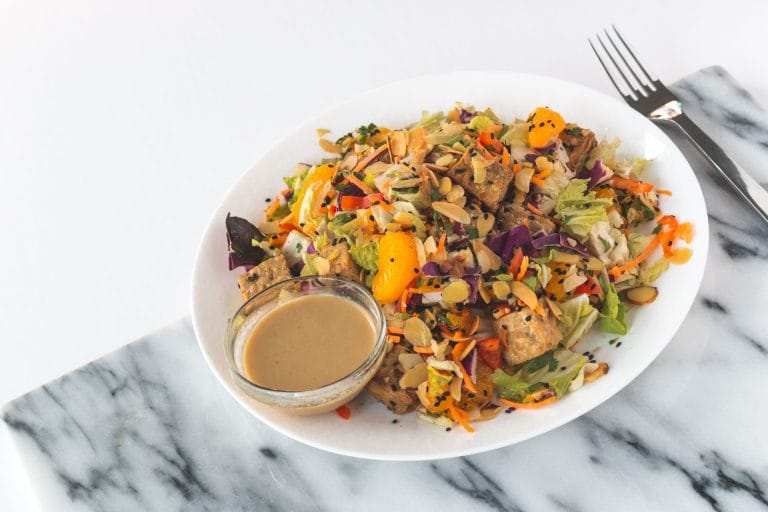
A fermented soy staple from Java that packs more protein than tofu and a few surprises for your health.
Tempeh has quietly moved from Indonesian kitchens to Western dinner plates, and plant-based eaters have taken notice. It starts with soybeans, adds a friendly fungus, and ends up as a firm, nutty cake you can slice, fry, or crumble. What makes it interesting is not just the protein count. Fermentation changes the beans in ways that seem to ripple out to your gut, your bones, and your heart.
If you have walked past tempeh in the store and wondered whether it earns its shelf space, here is a grounded look at what it is, what it offers, and how to actually use it.
Key Takeaways
– Tempeh is fermented soybeans bound together by a fungus called Rhizopus oligosporus, native to Java and dating back to the early 1800s.
– One 100-gram serving delivers roughly 19 grams of complete plant protein, more than double what the same amount of tofu provides.
– Its isoflavones act as antioxidants that may lower oxidative stress, LDL cholesterol, and certain cancer risks.
– Fermentation gives tempeh both probiotic and prebiotic qualities, feeding beneficial gut bacteria.
– It suits most people, but those with soy allergies or thyroid concerns should check with a doctor first.
What Tempeh Actually Is
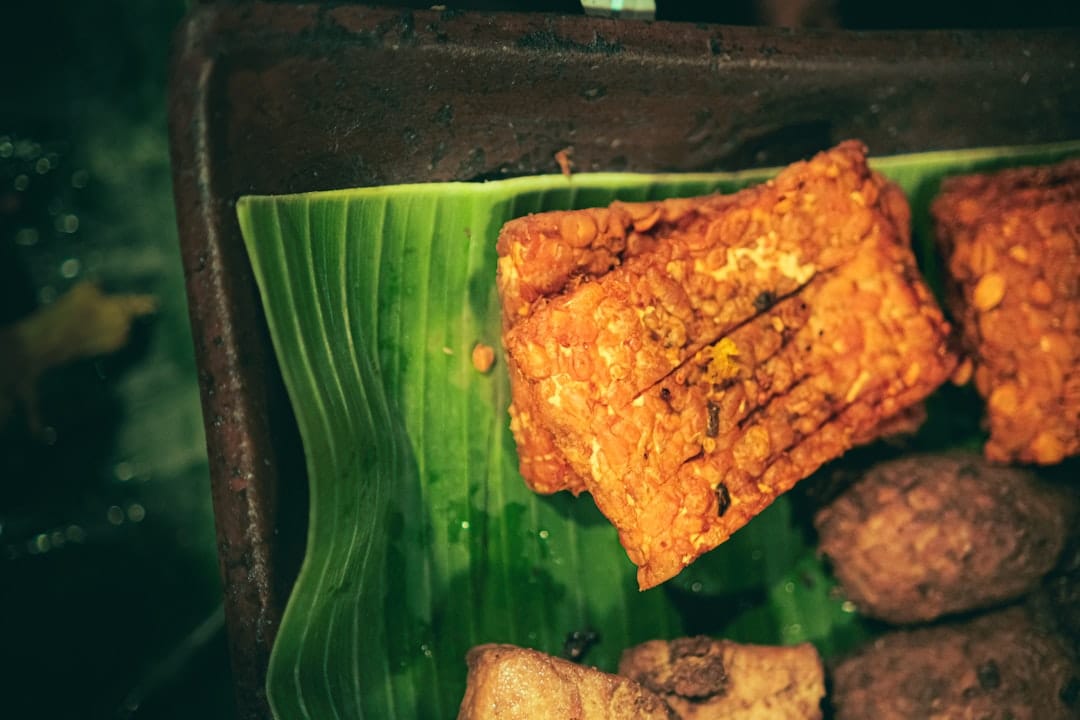
Tempeh is a traditional fermented food from Indonesia, made by binding soybeans together with a fragrant fungus, Rhizopus oligosporus. The old method is simple and low-tech: the fungus is introduced to cooked soybeans, the mixture gets wrapped in banana leaves, and the packages sit at around 30 to 31°C for roughly 24 hours until the beans knit into a solid cake.
Because that process is natural rather than industrial, tempeh isn’t classified as a processed food. Pure, original tempeh tastes nutty and dry with an earthy edge. From there, makers riff on it. Flax seeds, oatmeal, cassava fibers, and peanut dregs are the usual add-ins, while grated pumpkin and coconut dregs are more adventurous. A quick warning on the latter: coconut dregs can pick up unwanted microbes and have been linked to food poisoning, so they’re worth avoiding.
One historical footnote that surprises people: tempeh is one of the rare traditional soy foods that came from neither Japan nor China. It took root in Central and East Java as early as the early 1800s.
Nutrition Profile
 Save
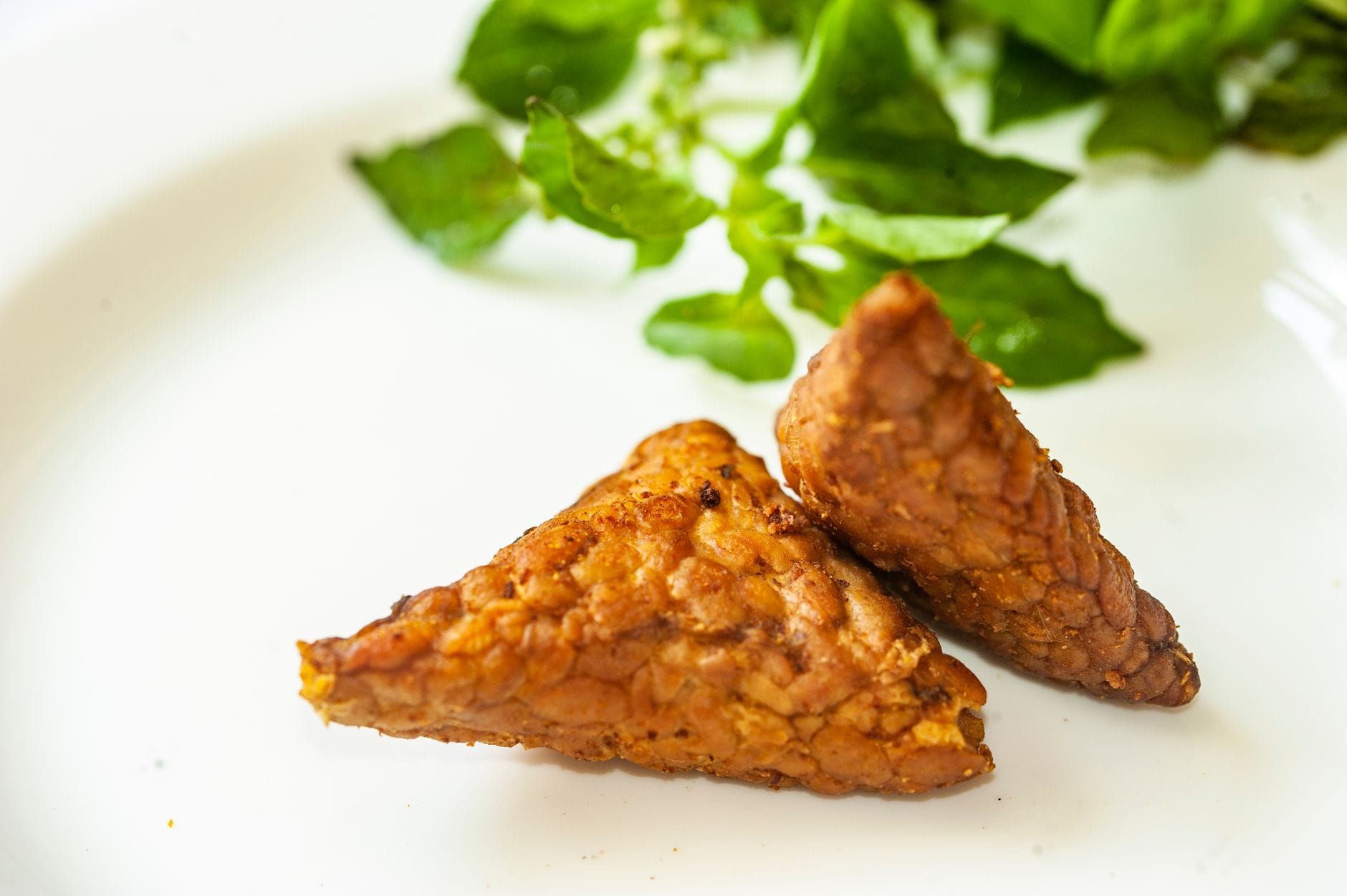
The headline nutrient is protein. A 100-gram serving of tempeh carries about 19 grams, and it’s a complete protein, meaning it supplies all the essential amino acids your body can’t make on its own. That’s a genuine advantage for vegans and vegetarians trying to hit their protein targets without animal foods.
Registered dietitian Rachel Dyckman puts it plainly: tempeh “is an excellent source of complete plant-based protein and can help those who are vegan or vegetarian to meet their protein requirements.”
Beyond protein, tempeh brings several B vitamins into the mix, including folate, riboflavin, thiamin, and pantothenic acid. It also carries trace minerals such as iron, manganese, copper, and zinc, plus a meaningful dose of calcium.
Six Ways Tempeh May Support Your Health
Kristin Gillespie, MS, RD, LD, suggests a practical framing: one serving is about 3 ounces, and one to two servings a day fits comfortably into a normal diet. Here’s where those servings may pay off.
Feeding your gut
 Save
Fermentation breaks down phytic acid, an antinutrient that otherwise blocks your body from absorbing minerals. Clearing it out helps digestion and supports gut flora. Tempeh has been described as both a probiotic and a prebiotic, meaning it can introduce helpful bacteria and also feed the good ones already living in you, encouraging strains like Bifidobacterium and Lactobacillus to flourish. A healthier microbial balance is linked to lower risk of gut-related problems.
Looking after your bones
Calcium is one of those elements your body can’t manufacture, so you have to eat it. A 100-gram portion of tempeh covers at least 10% of the recommended daily intake. That matters because low calcium, combined with oxidative stress, sets the stage for osteoporosis, the thinning and weakening of bone. Children need it too, for building a healthy skeleton. In one study of 1,793 Italian adults with osteoporosis, 30.3% of those with low bone density and major fragility fractures were also not getting enough dietary calcium.
Calming oxidative stress
Soybeans are rich in isoflavones, and tempeh inherits them. These antioxidants curb free radical damage and ease oxidative stress on cells. The effect appears especially relevant for postmenopausal women, who face higher cardiovascular and cancer risk; in one study, a soy-rich diet significantly reduced oxidative stress in that group. Animal research even points to isoflavones lowering liver damage. As Gillespie notes, less oxidative stress may help protect vital organs, including the eyes and skin.
Supporting your heart
 Save
Isoflavones also go to work on cholesterol. Studies have found they lower LDL (“bad”) and total cholesterol, with the biggest drop seen in people who started with high levels. Pair that cholesterol effect with their antioxidant activity, and you get a plausible reason tempeh may reduce the risk of cardiovascular disease and arterial blockages. Mouse studies suggest tempeh itself lowers cholesterol while protecting the liver.
Helping with weight
Protein takes a while to digest, which keeps you fuller for longer and can quietly curb the urge to overeat. This is where tempeh pulls ahead of tofu: 100 grams of tofu offers about 8 grams of protein, while the same amount of tempeh gives you 19. Tofu still has its charms, from versatility to how well it soaks up flavor, so it isn’t a loser here. But for satiety and sheer protein density, tempeh wins. Research also hints that swapping some carbohydrates for protein may boost thermogenesis and reduce body fat, though longer studies are still needed.
Lowering cancer risk
The isoflavones in tempeh are phytoestrogens, and two of them, genistein and daidzein, have drawn research attention. Genistein appears to interfere with the processes that let cancer form, and both compounds may help guard against breast and prostate cancers by triggering apoptosis, the programmed self-destruction of cancer cells.
Who Should Be Careful
For most people across most age groups, tempeh is safe and worth eating. The clear exception is anyone with a soy allergy. There’s also a subtler caution: people with compromised thyroid function or low iodine intake may be at higher risk of hypothyroidism from soy foods, so a conversation with a doctor before adding tempeh regularly is the sensible move.
How to Cook With Tempeh
 Save
One rule matters above all: tempeh must be cooked. Season it, break it down, then boil, steam, fry, or sauté it. Raw or underdone tempeh doesn’t offer active nutrients and can actually be harmful. The good news is that it’s fast, usually 10 to 20 minutes whatever method you pick. Frying or sautéing gives you the best of both textures, a browned, crunchy exterior with a soft, chewy middle. From there it slots into stir-fries, sandwiches, grain bowls, or anywhere you’d want a hearty, savory bite.
Frequently Asked Questions
Is tempeh healthier than tofu?
They’re different tools. Tempeh offers more than twice the protein per 100 grams and the extra benefits of fermentation, while tofu is prized for its versatility and its knack for absorbing flavors. Neither is strictly better; it depends on what you’re cooking and what you need nutritionally.
Can I eat tempeh raw?
No. It needs to be cooked by boiling, frying, or steaming. Uncooked tempeh lacks active nutrients and may be harmful, so always give it that 10 to 20 minutes of heat.
Does tempeh count as a processed food?
Not really. It’s made through a natural fermentation process rather than industrial refining, which is one reason it retains its whole-food reputation.
The Bottom Line
Tempeh earns its growing fanbase honestly. It’s a complete plant protein with real staying power, and fermentation layers on gut-friendly, heart-friendly, and antioxidant perks that plain soybeans don’t offer. Bones, cholesterol, satiety, and cellular health all show up in the research as areas where it may help. Cook it properly, keep an eye out if you have a soy allergy or thyroid trouble, and let one or two servings a day do quiet work in the background of an already balanced diet.
This article is for informational purposes only and is not a substitute for professional medical advice. Consult a qualified healthcare provider before making significant changes to your diet, especially if you have a soy allergy, thyroid condition, or other health concern.