
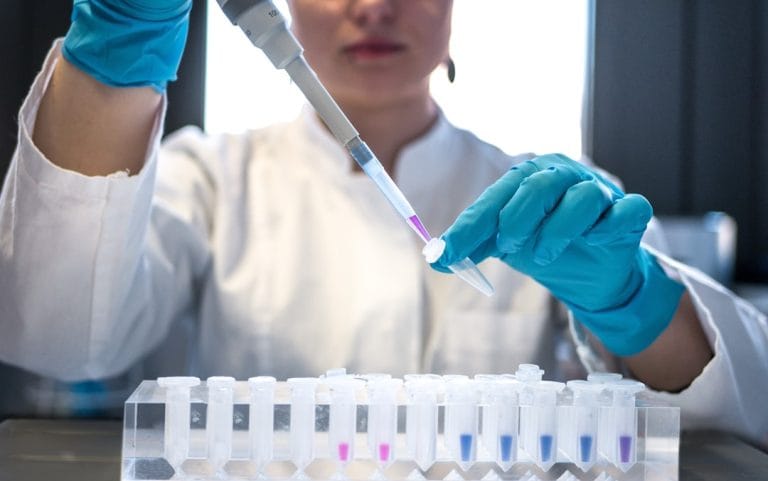
A coconut-derived compound with a long history in food, cosmetics, and the supplement aisle.
Monolaurin first showed up as a nutritional formulation back in the 1960s, and today you can find it sold as a dietary supplement almost anywhere. It also quietly earns its keep in cosmetics and food manufacturing. What draws most people to it, though, is the growing pile of laboratory research hinting that it may have antimicrobial properties worth paying attention to.
Here’s the honest framing before we go further: most of what we know comes from test-tube and animal studies, not large human trials. That doesn’t make the findings meaningless, but it does mean monolaurin is better understood as a promising food-grade compound than a proven treatment for anything.
Key Takeaways
– Monolaurin is a compound made from lauric acid, the same saturated fat found in coconut oil, palm oil, and human breast milk.
– Lab studies suggest it may act against certain bacteria, viruses, and fungi, and may support immune and digestive health.
– It is classified by the FDA as Generally Recognized as Safe for food use, but it is not approved to treat any medical condition.
– People with coconut allergies should avoid it, and anyone pregnant, nursing, or managing a serious illness should check with a doctor first.
– Coconut oil, raw coconut cream, and shredded coconut are all natural dietary sources.
Where Monolaurin Comes From
Also called glycerol monolaurate, monolaurin is derived from lauric acid, a saturated fat that shows up abundantly in coconut and palm oil. Curiously, it’s also present in mother’s breast milk, and in smaller amounts in foods like cocoa butter. Manufacturers pull it out through a sequence of hydrolysis, centrifugation, and distillation.
Because it emulsifies well, the finished compound has broad industrial uses. You’ll find it, or things made with it, across the pharmaceutical, food, and cosmetics worlds. Ice cream, margarine, and pasta can contain it, and so can deodorants, detergents, and even some insecticides. The supplement version is really just the same molecule, purified and packaged for people who want a concentrated dose.
How It Might Work Against Microbes
 Save
The interesting part of monolaurin’s story is mechanical. In vitro research suggests it can break down the outer lipid membrane that surrounds certain viruses, which causes the particle to fall apart. A similar disruption seems to affect some bacteria and fungi. That single mode of action explains why researchers keep testing it against such a wide range of organisms.
I want to be clear that “in vitro” matters here. A compound that dissolves a viral envelope in a dish doesn’t automatically do the same thing once it’s swallowed and processed by your body. Still, the consistency of these lab results is what keeps scientists curious.
What the Lab Says About Bacteria
 Save
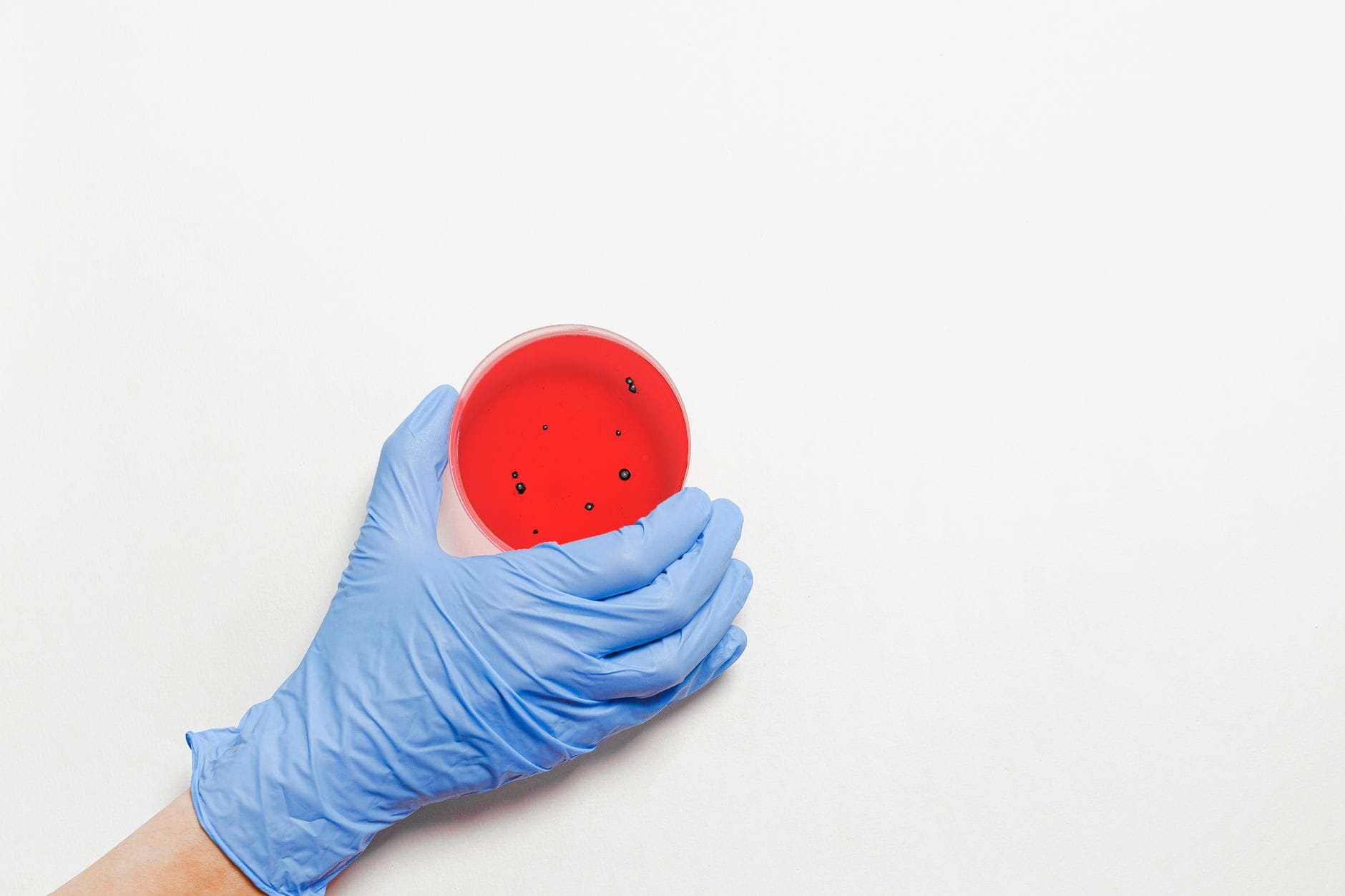
Several studies point to antibacterial activity. A 2013 study found that monolaurin may work against antibiotic-resistant Staphylococcus aureus, a common culprit behind skin infections. Other research reports effects on strains like E. coli and B. subtilis, organisms tied to problems such as diarrhea and pneumonia.
There’s also a digestive angle. When researchers compared different monoglycerides against H. pylori, the stomach bacterium linked to ulcers, monolaurin showed the strongest antibacterial activity of the group.
Viruses and Fungi
On the viral side, monolaurin has been studied against SARS-CoV-2, and a 2015 study found that a daily monolaurin gel reduced primates’ risk of contracting simian immunodeficiency virus. Older lab work lists a long roster of viruses it appeared to inactivate, including HIV, measles, herpes simplex-1, cytomegalovirus, and others.
Fungi are in the picture too. Monolaurin has been reported to slow the growth of Candida albicans, a yeast that lives in the human body and can turn dangerous under the right conditions. Coconut oil often gets mentioned alongside it for the same reason, since the two share a source and a similar behavior.
A Boost for Immunity and Digestion
 Save
Beyond attacking microbes directly, monolaurin may nudge the immune system itself. Studies have reported that it can influence the production of T-lymphocytes and the growth of immune cells, the white blood cells your body relies on to mount a defense. Support the machinery, the thinking goes, and the machinery works better.
The digestive benefit ties back to that H. pylori finding. By inactivating bacteria that set up shop in the stomach, monolaurin may help create a less hospitable environment for infection. It’s a modest, mechanism-level observation rather than a clinical promise, but it fits the overall pattern.
Lyme Disease and Skin Infections
Two more areas have drawn attention. A 2015 in-vitro study tested monolaurin against Borrelia garinii, one of the bacteria behind Lyme disease, and found it especially effective when paired with baicalein, a plant polyphenol.
Skin is the other. Laboratory work comparing monolaurin with conventional antibiotics against microbes taken from skin infections, including bacteria involved in atopic dermatitis, found the compound performed strongly. That’s part of why monolaurin turns up in some topical skincare products, not just supplements.
Is Monolaurin Safe to Take?
For food purposes, monolaurin is generally considered safe, and the FDA lists it as Generally Recognized as Safe. What it is not is an approved treatment for any illness. That distinction is easy to blur when you read a list of benefits, so it’s worth holding onto.
The clearest known risk is coconut allergy. If you react to coconut, steer clear of monolaurin made from coconut products. And if you’re pregnant, breastfeeding, or living with a serious health condition, talk to your doctor before adding it, since there simply isn’t enough human data to say how it behaves in those situations.
Getting More Monolaurin From Food
 Save
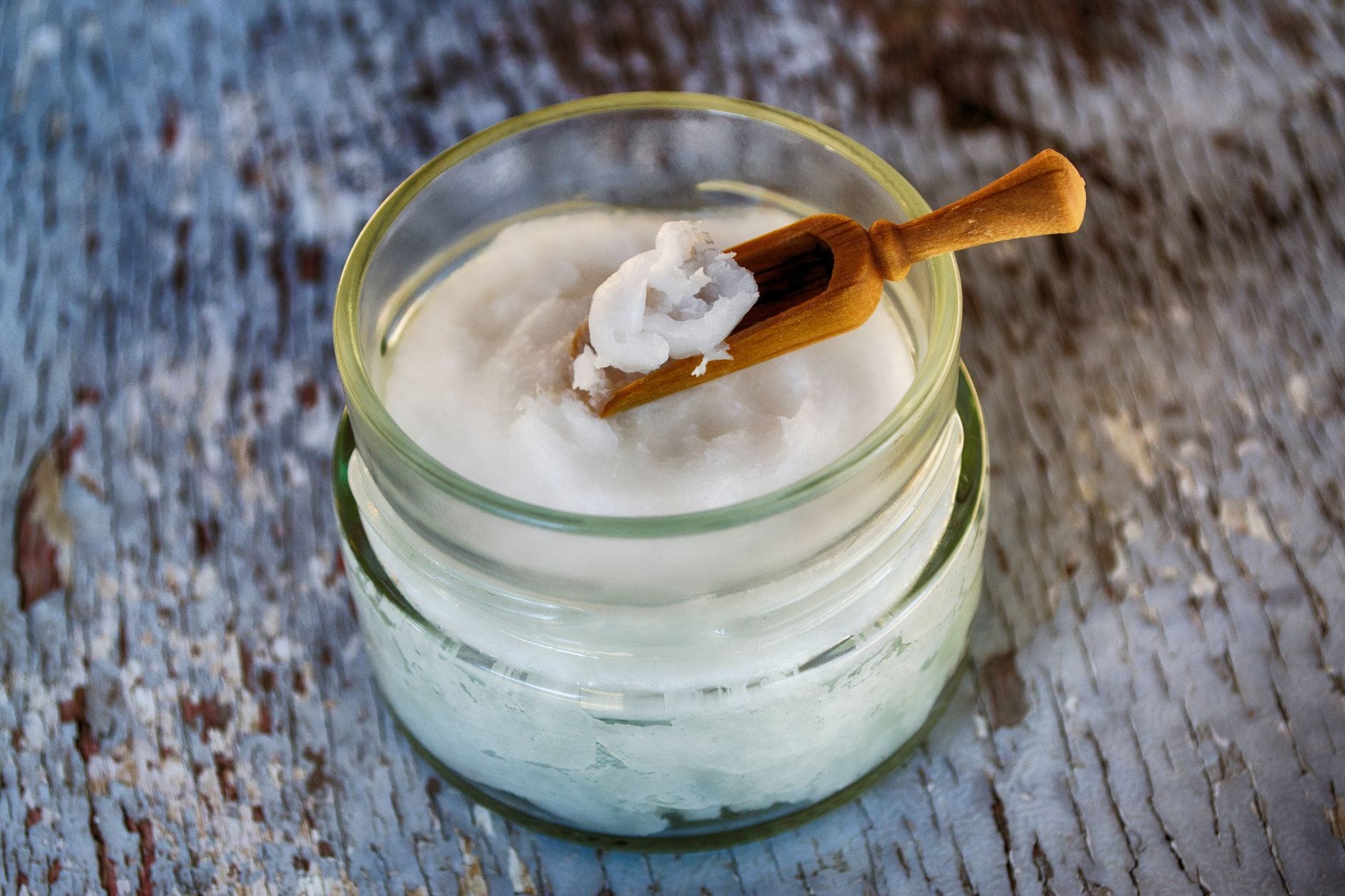
You don’t have to buy a bottle to get some monolaurin. Your body can convert lauric acid into it, and coconut oil is the richest dietary source of that acid. A few whole-food options to consider:
Coconut oil and raw coconut cream
Fresh shredded coconut, coconut meat, and coconut milk
Canned coconut cream and coconut pudding
Goat and cow milk
If you’d rather take a supplement, monolaurin comes as capsules or powder and is sold in groceries, pharmacies, and online. First-timers should follow the label, since a reasonable dose can depend on age and health status. When in doubt, or if you take medication, run it by your doctor before starting.
Frequently Asked Questions
Is monolaurin the same thing as coconut oil?
No. Coconut oil is a natural fat rich in lauric acid, while monolaurin is a single compound refined from that lauric acid. Eating coconut oil gives your body raw material it can partly convert; a monolaurin supplement delivers the finished molecule directly.
Can I take monolaurin every day?
It may be taken daily in moderation, and many people use it that way. Because appropriate amounts vary with age and medical history, follow the product label and check with a healthcare provider if you have ongoing conditions or take other medications.
Does the research prove monolaurin cures infections?
Not yet. Most evidence comes from test-tube and animal studies showing antimicrobial activity. Those results are promising, but well-designed human trials are still needed before anyone can call monolaurin a treatment.
The Bottom Line
Monolaurin is a coconut-derived compound with a genuinely interesting research profile. Lab and animal studies suggest it may disrupt certain bacteria, viruses, and fungi, support immune cells, and discourage stomach infections, and it already has a safe track record in food. What’s missing is the clinical proof that would turn “may help” into “does help.” Treat it as a reasonable, low-risk addition for most people, lean on whole coconut foods if you’d rather skip supplements, and let your doctor weigh in if your health situation is at all complicated.
This article is for informational purposes only and is not a substitute for professional medical advice. Always consult a qualified healthcare provider before starting any supplement, especially if you are pregnant, nursing, managing a medical condition, or taking medication.