
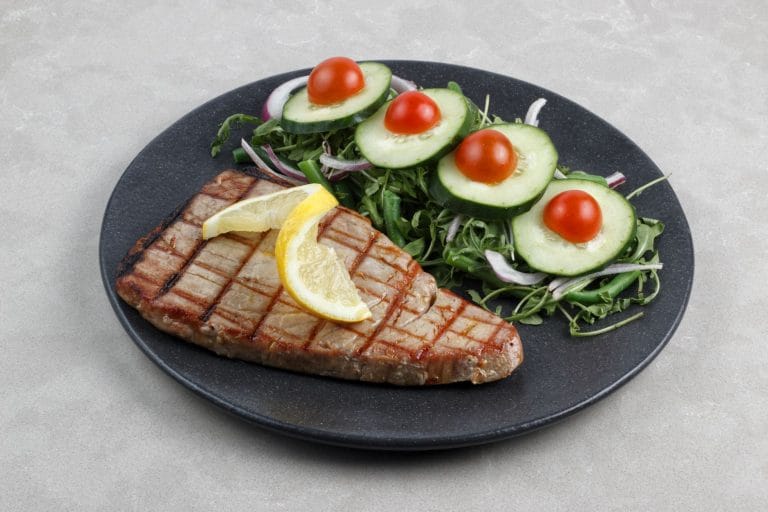
A closer look at what makes this everyday fish so nutrient-dense, and where you should be cautious.
Tuna shows up on plates all over the world, and not only because it tastes good. This saltwater fish, part of the same family as mackerel, is dense with the kind of nutrients that dietitians tend to get excited about: high-quality protein, omega-3 fatty acids, selenium, potassium, vitamin D, and a solid dose of B vitamins. That combination is why tuna keeps turning up in conversations about heart health, better vision, and steadier weight.
It isn’t a miracle food, and the mercury question is real. But eaten sensibly, tuna earns its reputation. Here’s what the evidence actually supports, and how to fit it into your week without overdoing it.
Key Takeaways
– Tuna delivers omega-3 fatty acids, protein, selenium, potassium, and vitamin D in one lean package.
– Its fats are linked to better heart health, sharper vision, and improved mood.
– The protein helps with fullness, which can make weight management a little easier.
– Selenium and vitamin D support your immune system and your bones, respectively.
– Mercury builds up in larger, older fish, so how often you eat tuna matters more than most people think.
A Quick Look at What’s Inside
Most of tuna’s benefits trace back to a few standout nutrients. It’s a lean protein source, so you get muscle-supporting amino acids without much saturated fat. The omega-3s, mainly EPA and DHA, are the same fats celebrated in oily fish across the board. Then there’s selenium, a trace mineral that punches well above its weight as an antioxidant, plus potassium for blood pressure, vitamin D for calcium absorption, and niacin and other B vitamins that keep your metabolism ticking.
None of these work in isolation. The heart benefits, for instance, come from the omega-3s, the potassium, and the B vitamins pulling in the same direction.
How Tuna Supports Your Heart
 Save
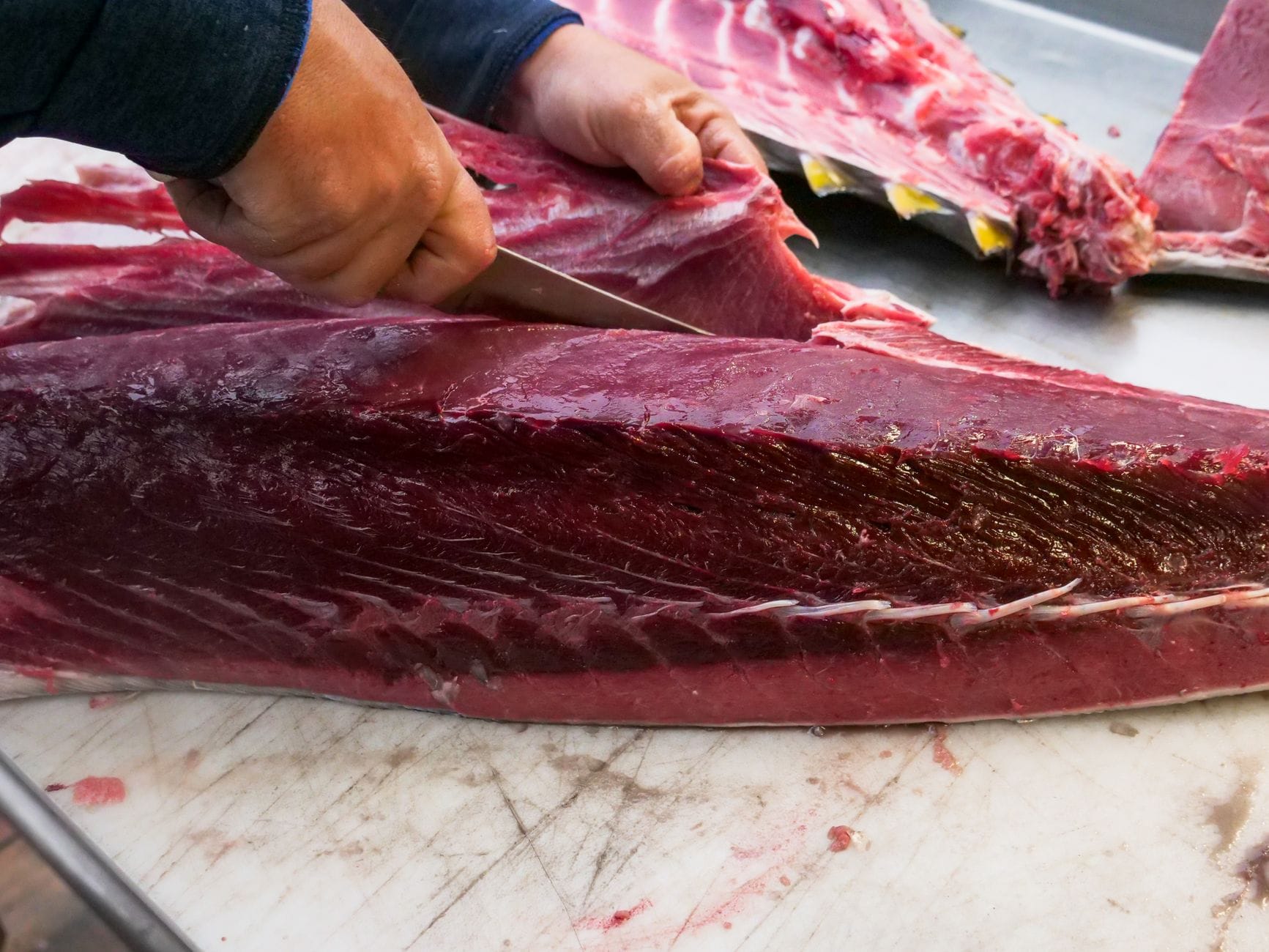
Eating fish regularly is one of the more consistent findings in nutrition research when it comes to cardiovascular risk. Tuna’s omega-3 fatty acids appear to help arteries relax and widen, and they may slow the buildup of plaque along artery walls. A higher intake of these fats has also been tied to lower triglyceride levels and modestly reduced blood pressure.
The supporting cast helps too. Niacin and the wider B-complex have roles in heart health, and tuna’s potassium content directly counters some of the damage a salty diet does.
One practical note from physician Anthony Puopolo: make sure your tuna is fully cooked or properly cured before eating it.
Your Eyes Might Thank You
 Save
The omega-3s in tuna, especially DHA, are the fats researchers keep circling back to for eye health. Studies suggest these fats may slow the vision loss tied to age-related macular degeneration and can ease the gritty discomfort of dry eye syndrome. Animal research has gone further, hinting that DHA may protect the retina from pressure-related and blood-flow-related damage.
This part is less settled than the heart findings, and the strongest human evidence is still coming together. Still, the direction of the research is encouraging.
Can Tuna Help With Weight Loss?
There’s a reason the short-term “tuna diet” keeps resurfacing. Protein is the most filling of the three macronutrients, and tuna is nearly all protein. A meal built around it tends to keep hunger quiet for longer, which naturally curbs snacking.
The omega-3 angle is interesting here too. EPA has been shown to nudge up leptin, a hormone that signals fullness, though this effect mostly showed up in people who were already carrying excess weight. Higher leptin may make it easier to avoid regaining pounds after cutting calories. If the fat-burning side of omega-3s is what draws you in, it’s worth understanding how these fats may help your body burn fat before you build a whole plan around it.
Bones, Skin, and Immunity
 Save
Tuna quietly checks several boxes here.
Bones. It’s a good natural source of vitamin D, the nutrient your body needs to actually absorb the calcium you eat. Low vitamin D is linked to bone loss, fractures, and muscle weakness, and supplementing it has been shown to improve bone mineral density. Tuna’s magnesium and phosphorus reinforce that skeletal support, a bit like another seed prized for bone-friendly minerals.
Immunity and skin. Selenium is the star for both. As an antioxidant, it helps immune cells function and keeps oxidative stress in check, and some research suggests it can even calm an overactive inflammatory response. That same antioxidant activity, paired with tuna’s unsaturated fats, may help skin stay supple and slow visible signs of aging. Tuna heart extract has been found to boost collagen production in lab studies.
A Steadier Mood
Omega-3s and mental health is an active area of research, and the results so far are promising. These fats support the brain’s production of mood-regulating neurotransmitters, and higher intake has been associated with milder symptoms of depression and anxiety. Tuna won’t replace treatment for anyone who needs it, but as part of a varied diet, it’s a reasonable contributor to brain health.
How Much Tuna Is Safe
This is the catch. Tuna accumulates mercury, and bigger, older fish carry more of it. The FDA guidance is to eat two to three servings of light tuna a week at most. Albacore, the “white” tuna, holds more mercury, so keep that to one or two servings a week, and skip other fish during a week you eat it. Pregnant people and young children should be especially careful and check current advice for their situation.
Easy Ways to Eat More Tuna
 Save
Tuna leans savory, which makes it endlessly flexible. A few ideas:
Toss canned tuna into a Mediterranean salad with olives, tomatoes, and greens.
Spread it over crackers or bread with a little cheese and olive oil.
Swap it in for beef to make lighter burgers.
If you want it as the centerpiece of a meal rather than a topping, it folds neatly into a lineup of simple homemade meals built for weight management.
Frequently Asked Questions
Is canned tuna as healthy as fresh?
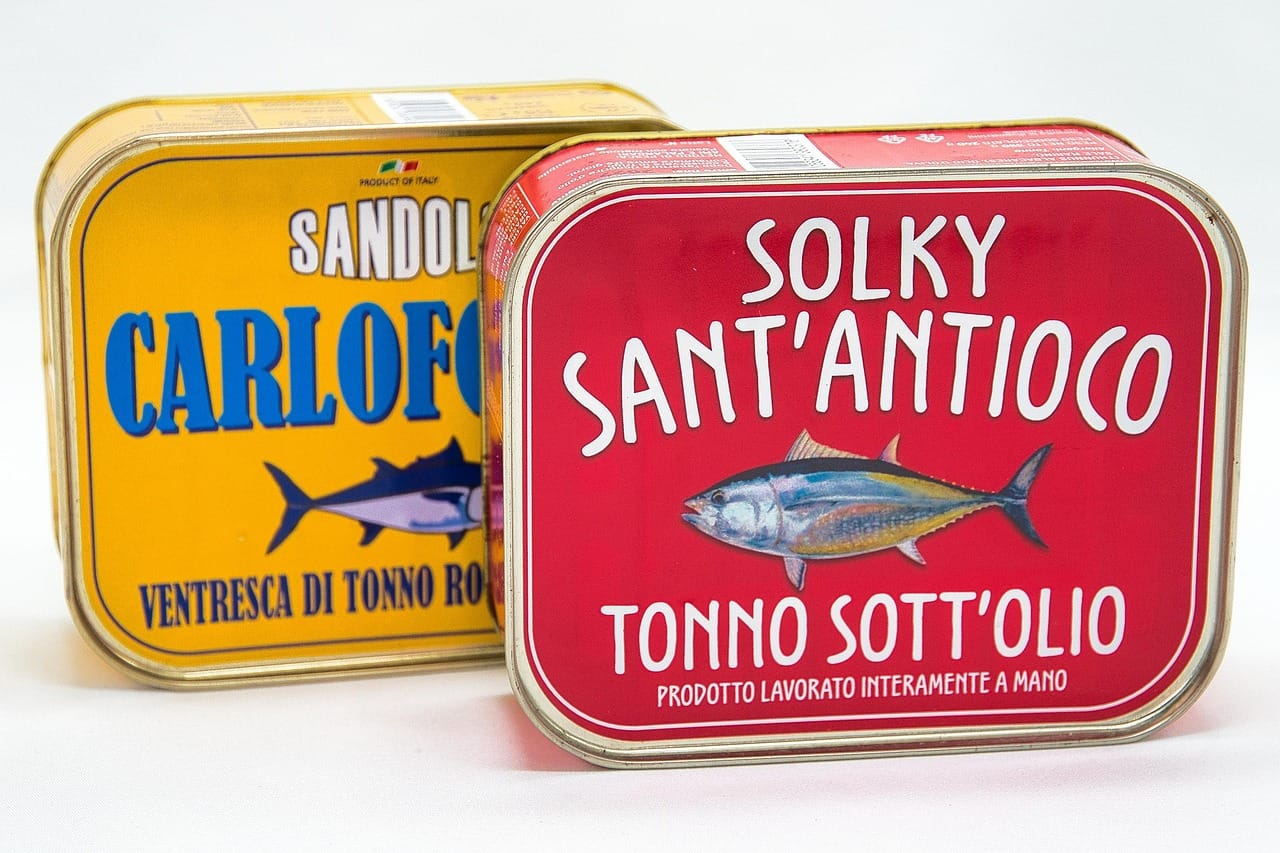
Largely, yes. Canned tuna keeps its protein and omega-3s. Choose light tuna packed in water for the least mercury and the leanest profile, and rinse it if you’re watching sodium.
How often can I safely eat tuna?
Stick to two or three servings of light tuna a week. Limit albacore or “white” tuna to one or two servings weekly, since it carries more mercury.
Do I have to cook tuna fully?
For most people, yes. Cook or cure it properly to reduce risk. Raw preparations like sushi should come from sources you trust.
The Bottom Line
Tuna packs a lot into a lean, affordable fish: heart-friendly omega-3s, filling protein, immune-supporting selenium, and bone-building vitamin D. The evidence is strongest for its cardiovascular and satiety benefits, and encouraging for vision and mood. The one rule that matters is moderation, because mercury is a genuine trade-off. Keep to the recommended servings, favor light tuna, and it can be one of the more nutrient-dense choices in your weekly rotation.