
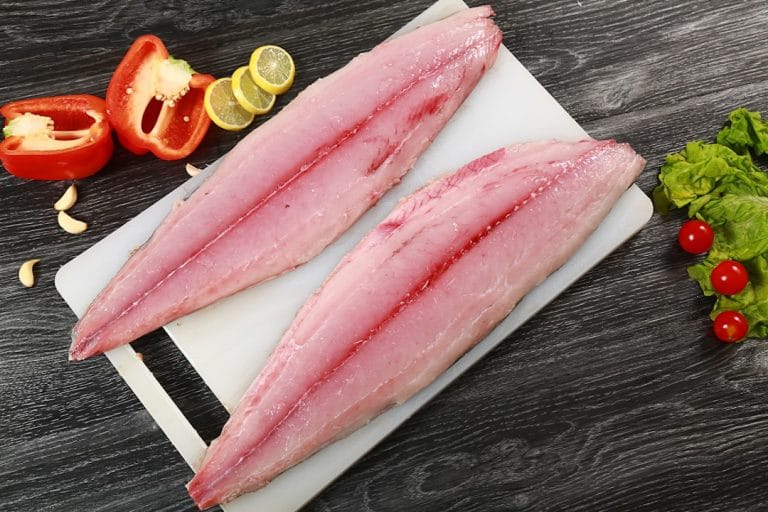
A cheap, mild freezer-aisle fish with real upsides and a few genuine catches.
Swai turns up in freezer aisles and restaurant fish tacos more often than most people realize, usually because it is cheap, mild, and easy to cook. It comes from Southeast Asia, where it has fed communities along the Mekong for generations. The snag is that a low price tag and a murky farming history make a lot of shoppers pause before tossing a fillet in the cart.
So is it a smart pick or one to leave behind? The honest answer sits somewhere in the middle. Swai brings real nutritional upsides, and it carries a few legitimate concerns worth knowing before you decide.
Key Takeaways
– Swai is a lean, low-mercury white fish with a decent hit of protein plus omega-3 fats (EPA and DHA).
– Those omega-3s are the main reason it may support your heart, brain, and eyes.
– It also delivers selenium, niacin, and vitamin B12.
– Most farmed swai comes from crowded ponds, where sustainability, antibiotics, and possible heavy-metal or chemical contamination are ongoing questions.
– Skip it if you have a fish allergy; pregnant people and young children should be cautious.
What Swai Fish Actually Is
Swai (Pangasius hypophthalmus) is a freshwater fish native to the Mekong basin and Thailand’s Chao Phraya river. You’ll see it under a pile of other names: basa, tra, striped catfish, sutchi catfish, river cobbler, and even iridescent shark-catfish, a nod to its shimmery skin. Its white, flaky meat has a gentle, slightly sweet flavor that soaks up whatever seasoning you throw at it.
Farmers like it because it spawns prolifically, which keeps it cheap and abundant. That cheapness caused a scandal in the US, where swai was sometimes swapped in for pricier American catfish without diners knowing. The FDA eventually stepped in, ruling that only fish in the Ictaluridae family can legally be sold as “catfish.” Swai and American catfish look alike but belong to different families and are raised very differently.
What You Get in a Serving
Nutritionally, swai is modest but not empty. A 100-gram fillet is low in calories, low in fat, and gives you a solid dose of protein. It carries the same broad fatty-acid pattern as other freshwater fish, including linoleic acid and the two omega-3s that get the most attention, EPA and DHA.
Beyond the fats, swai is a useful source of selenium, niacin, and vitamin B12. Selenium acts as an antioxidant and supports thyroid and immune function. Niacin and B12 help your body turn food into energy, keep the nervous system running, and build red blood cells. It’s also naturally low in mercury, which sets it apart from bigger predatory fish.
Where the Real Benefits Come From
 Save
Research specifically on swai is thin, so most of what we can say leans on what its omega-3 content does in general. Still, a few benefits are reasonable to expect.
Heart
EPA and DHA are the omega-3s cardiologists talk about. Clinical trials link a daily intake of roughly 0.5 to 1.8 grams of combined EPA and DHA to a lower risk of dying from heart problems. If you’re leaning on fish for cardiovascular reasons, you may also want to read how omega-3 fats factor into fat loss, since the two goals often overlap.
Brain
DHA is a structural building block of the brain. Getting it regularly is tied to sharper cognition and better neurological function, which tends to show up as feeling a little more with-it through the day.
Eyes
The same two fats help calm inflammation in the eyes. That matters for conditions like dry eye disease and age-related macular degeneration, where chronic inflammation plays a role.
None of this makes swai a superfood. Think of it as a low-cost, low-mercury way to work more lean protein and a bit of omega-3 into a week of otherwise balanced meals, the kind of steady swap that fits into the broader habits of eating well.
Cooking Swai at Home
 Save
Its neutral flavor is the whole selling point. Swai grills, bakes, pan-fries, and steams without fuss, and it plays nicely with almost any sauce or spice blend.
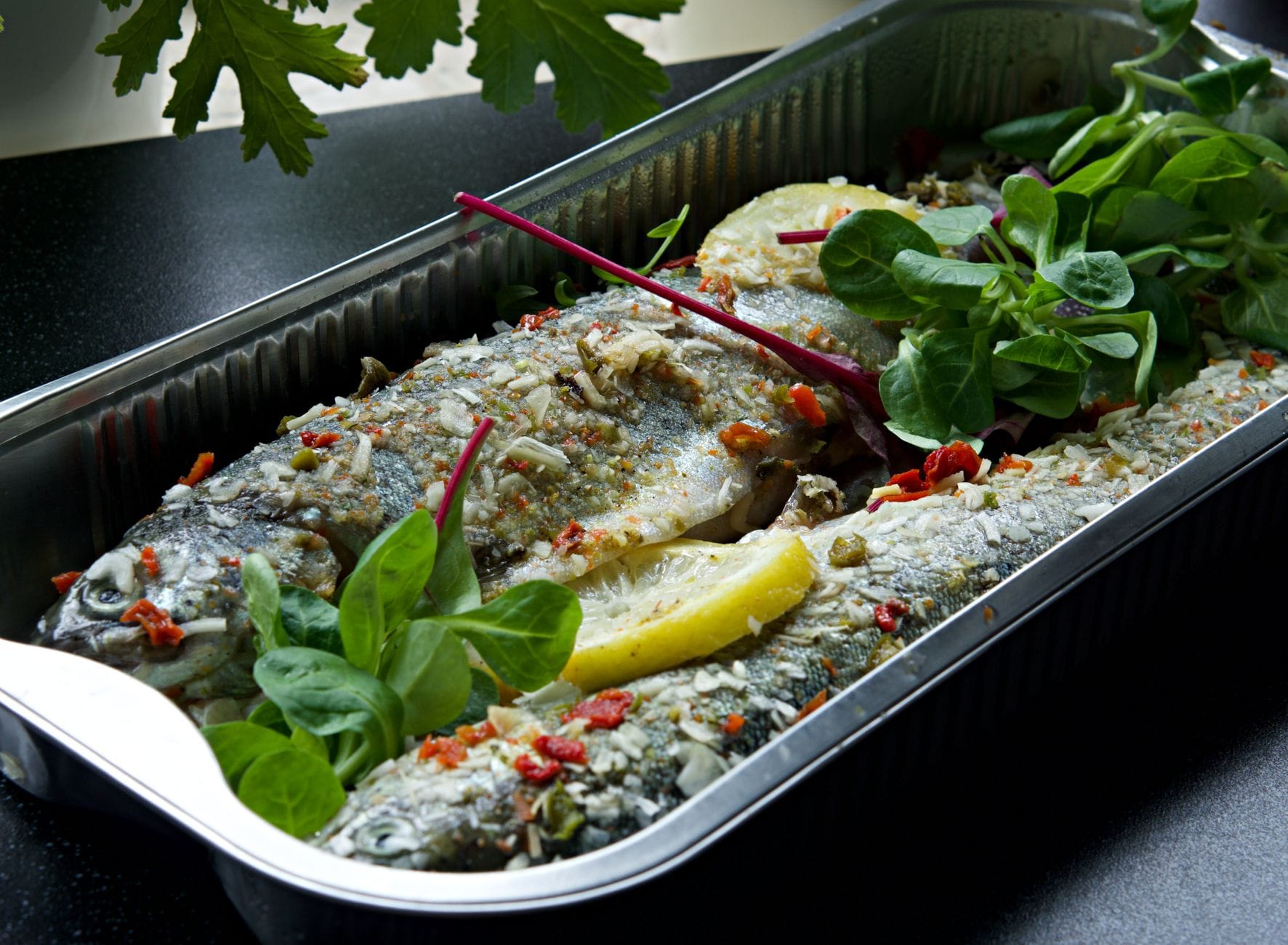
Pan-frying gives you a crisp exterior and a tender middle: dust the fillets in seasoned flour or breadcrumbs and cook three to four minutes a side in a little oil over medium heat. Baking is the hands-off route. Rub the fish with garlic, lemon, and herbs and give it 10 to 15 minutes at 375°F until it flakes with a fork. For something smokier, marinate first and grill three to four minutes per side. Steaming is the gentlest option and keeps the flesh moist.
A quick version many home cooks swear by: brush fillets with olive oil, lemon juice, minced garlic, and dried parsley and oregano, top with lemon slices, and bake at 400°F for 10 to 12 minutes. Serve over rice or with roasted vegetables.
The Farming Question
 Save
Here’s where the enthusiasm cools. Most swai is pond-raised, and the way it’s farmed raises a handful of legitimate flags.
Sustainability is one. Producers often reuse the same broodstock and their offspring year after year instead of running a proper breeding program. That inbreeding can lead to stunted growth, weaker fertility, and lower disease resistance over time.
Contamination is the bigger worry. Crowded ponds can mean antibiotic use, and testing has flagged concerns about microbial, heavy-metal, and chemical residues in some Pangasius fillets, depending on where and how they were raised. Standards vary a lot by producer and country, so quality is inconsistent. Because your kidneys and other organs handle whatever contaminants slip through, it’s worth being choosy about sourcing and rounding out your diet with foods that help your kidneys stay healthy.
Who Should Be Careful
 Save
Swai is safe for most people in normal amounts, up to about 12 ounces (two servings) a week. Anyone with a fish allergy should avoid it, since it contains parvalbumin and other proteins that trigger reactions. Pregnant people, young children, and anyone advised to watch their mercury or seafood intake should check with a clinician first. Eating spoiled or undercooked fish can bring on the usual food-poisoning symptoms: stomach pain, nausea, vomiting, and diarrhea.
Frequently Asked Questions
Is swai the same thing as basa or tilapia?
Swai and basa are close relatives, both Pangasius species from Southeast Asia, and the names are often used loosely for the same fish. Tilapia is a different fish entirely, though the two share a similar mild flavor and lean, white flesh, which is why they get compared so often.
How often can I eat swai fish?
For most healthy adults, up to about 12 ounces (roughly two servings) a week is a reasonable ceiling. Buying from a source with clear farming and safety standards matters more than the exact count.
Does swai taste fishy?
Not really. Its flavor is mild and slightly sweet, which is part of why it’s so popular. That neutrality also means it takes on marinades, spices, and sauces easily, so most of the taste comes from how you season it.
The Bottom Line
Swai is a budget-friendly, low-mercury source of lean protein with a modest amount of heart-, brain-, and eye-friendly omega-3s. On nutrition alone, it earns a spot on the plate. The asterisk is its farming: sustainability gaps and uneven contamination standards mean sourcing is everything. Buy from a supplier you trust, cook it thoroughly, keep portions sensible, and it can be a perfectly reasonable part of a varied diet rather than an everyday staple.
This article is for informational purposes only and is not a substitute for professional medical advice. Talk to a qualified healthcare provider before making changes to your diet, especially if you are pregnant, nursing, feeding young children, or managing an allergy or health condition.