

A humble cold-weather root that punches well above its price tag.
If your winter vegetable rotation has settled into potatoes and sweet potatoes, the rutabaga is worth a look. Often described as a cross between a cabbage and a turnip, this brassica has quietly fed Northern Europe for centuries. It’s cheap, it stores for months, and it carries a nutrient load that most people overlook.
Below is what a rutabaga actually offers, backed by the research, plus a few honest notes on where the evidence is still thin.
Key Takeaways
– Rutabaga (Brassica napus) is a cruciferous root vegetable, milder than turnip and slightly sweet once cooked.
– It’s low in calories but high in fiber, vitamin C, and potassium, a combination linked to better digestion, weight control, and heart health.
– Compounds in cruciferous vegetables have shown anticancer activity in early studies, though most of that work is preliminary.
– It’s generally safe, but it can trigger allergic reactions in some people.
– Store it in the fridge away from raw meat, and it keeps well for weeks.
What Exactly Is a Rutabaga?
Rutabaga goes by a few names, including Swedish turnip and swede. On the outside it’s brownish-yellow or purple; slice it open and the flesh is yellow to cream. Raw, it smells earthy and tastes fairly mild. Roast or mash it and it turns sweet and almost buttery, closer to a sweet potato than the sharp bite you’d expect from a turnip. The roots, tops, and leaves are all edible.
The Main Varieties
Growers recognize several common types. American Purple Top is the one you’ll most often find at the market, with a purple crown, pale bottom, and firm sweet flesh that deepens to orange when cooked. Joan is round and disease-resistant, sweet when young and bolder as it matures. Laurentian, a Canadian variety, is elongated, cream-colored, and cold-hardy. Sweet Russian shrugs off hard frost, and the large Marian can reach eight inches across and keep in a root cellar for months. Heirlooms like the German-bred Wilhelmsburg round out the family.
What’s Inside a Rutabaga
According to the U.S. Department of Agriculture, a single medium raw rutabaga (about 386 grams) delivers a meaningful dose of dietary fiber, vitamin C, and potassium, along with smaller amounts of calcium and magnesium. It also contains antioxidants, amino acids, and fatty acids. None of that comes with many calories, which is a big part of why nutritionists like it.
Six Reasons to Eat More Rutabaga
Easier Digestion
 Save
SaveFiber is the headline here. Rutabaga is rich in it, and diets high in fiber are tied to a lower risk of hemorrhoids and diverticular disease, the little pouches that can form on the colon wall. Insoluble fiber in particular pulls in water, softens stool, and keeps things moving, which helps prevent constipation and improves bowel regularity in people who struggle with it. There’s also evidence that rutabaga’s fiber supports overall intestinal function.
A Friend to Weight Loss
 Save
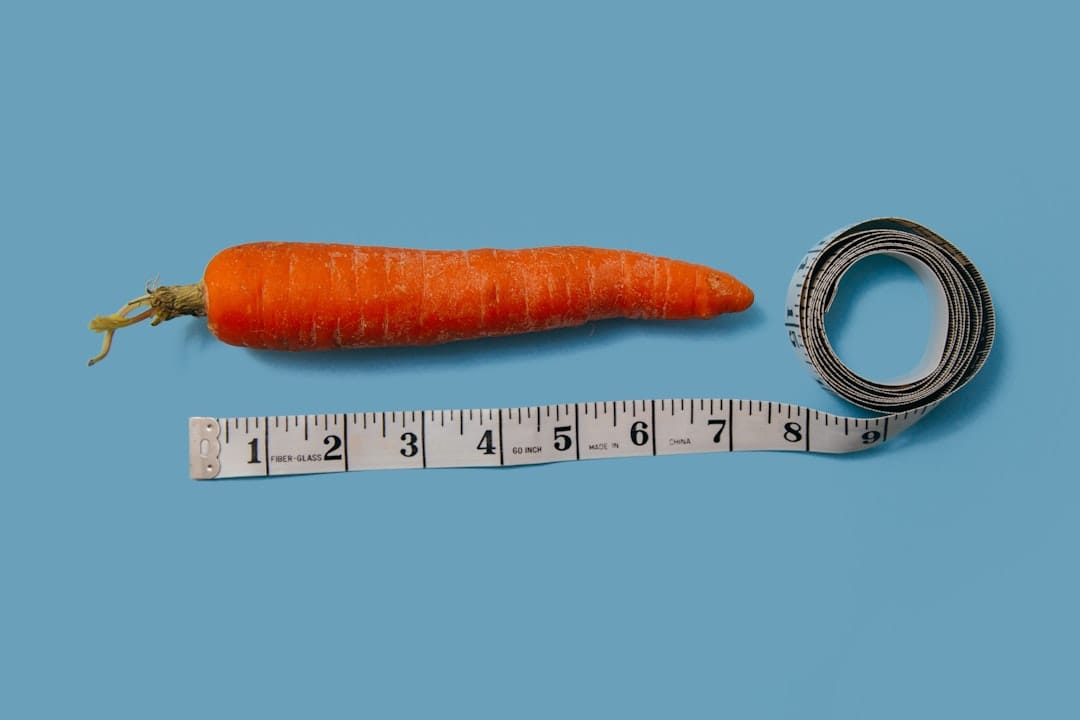
SaveRegistered dietitian Felicia Newell points out that rutabagas are low in calories yet loaded with vitamins, minerals, fiber, and antioxidants, exactly the profile that supports weight loss. The World Health Organization and the USDA classify it as a “zero-point” food, meaning it’s considered low-risk for overeating and doesn’t need weighing or tracking.
The fiber does real work too. Higher fiber intake reduces how much energy your body absorbs, and soluble fiber ferments in the large intestine to release gut hormones that help you feel full. If you’re building meals around this idea, rutabaga slots in alongside other high-fiber picks like apples and other fruit that keep you satisfied, leafy greens, and eggs. It also plays well in simple homemade meals you can batch-cook for the week.
Possible Cancer-Fighting Compounds
Cruciferous vegetables carry glucosinolates, sulfur compounds that have been studied for their potential to protect against lung and digestive-tract cancers. One study found that rutabaga extracts from the seeds, roots, and sprouts could trigger apoptosis, the programmed death of cancer cells. Research from Oregon State University also flagged sulforaphane and indole-3-carbinol, both found in this vegetable family, as compounds that may help guard against prostate cancer. This part is less settled, and most of the evidence comes from lab work rather than long-term human trials, so treat it as promising rather than proven.
Immune Support
Rutabaga is a solid source of vitamin C, the nutrient many of us reach for at the first sign of a cold. Beyond that reputation, vitamin C has been shown to ease the severity of allergic reactions, help the body fight respiratory infections, and support recovery from illnesses ranging from pneumonia to diarrhea. It may also help fend off infections that affect the whole body rather than one spot.
Heart Health
 Save
SaveThe potassium in rutabaga matters for anyone watching their blood pressure. Higher potassium intake helps counter hypertension and has been linked to a lower risk of heart failure, abnormal heart rhythms, and a roughly 24% reduction in stroke risk. The reverse is telling: very low blood potassium is associated with dangerous arrhythmias in people with cardiovascular disease and, in some cases, a sharply higher risk of death. Getting potassium from whole foods like this one is an easy way to stay on the right side of that line.
Stronger Bones
Cruciferous vegetables contain bioactive compounds that appear to benefit bone metabolism, the constant process of replacing old bone tissue with new. Rutabaga also supplies calcium and magnesium. Research from University College in Ireland found that adequate calcium can slow the loss of bone mineral density in postmenopausal women and older men, while magnesium-rich foods have been tied to a lower risk of osteoporosis. Given that osteoporosis affects an estimated 200 million people worldwide and causes around 9 million fractures a year, small dietary habits add up.
Rutabaga vs. Potato
They look like cousins and cook in similar ways, but they aren’t the same. Potatoes are starchy tubers; rutabagas are cruciferous roots, closer in family to cabbage and broccoli. That means rutabaga brings glucosinolates and more vitamin C to the table, usually with fewer carbohydrates. If you’re trimming starch, swapping half your mash for rutabaga is an easy trade. It sits comfortably alongside cabbage and other cruciferous staples in a lighter meal plan.
Storing and Cooking Rutabaga
 Save
SaveKeep whole rutabagas in the crisper drawer, and store them away from raw meat to avoid cross-contamination. Firm, unwaxed roots last for weeks; waxed ones can go even longer. To use them, peel off the tough skin, then roast cubes until the edges caramelize, simmer them into stews, or mash them with a little butter and pepper. The leaves and tops can be sautéed like any hearty green.
Frequently Asked Questions
Can you eat rutabaga raw?
Yes. Raw rutabaga is milder than raw turnip and works grated into slaws or sliced thin for salads. Cooking brings out its natural sweetness, so both are fair game depending on the dish.
Does rutabaga have side effects?
For most people it’s very safe. Some individuals may experience an allergic reaction, and anyone with a known sensitivity to cruciferous vegetables should be cautious and introduce it slowly.
Is rutabaga good for a low-carb diet?
It’s lower in carbohydrates than potatoes while still feeling starchy and filling, which makes it a popular potato substitute for people cutting back on carbs.
The Bottom Line
Rutabaga is one of those unglamorous vegetables that quietly earns its keep. For very little money and no fuss in storage, you get fiber for digestion, potassium for your heart, vitamin C for immunity, and minerals that support your bones, all in a low-calorie package that fits almost any eating plan. The cancer research is still early, so don’t lean on it, but the everyday nutrition case is strong. Next time you reach for a potato, consider swapping in a swede and seeing how you like it.
This article is for informational purposes only and is not a substitute for professional medical advice. Talk with a qualified healthcare provider before making significant changes to your diet, especially if you have a health condition or a known food allergy.