
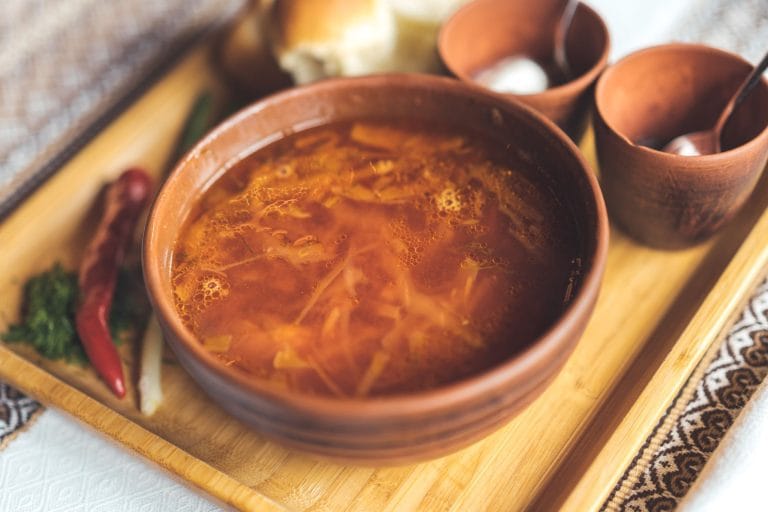
Can a humble pot of soup really melt away pounds in a week? Here’s the honest, evidence-minded answer.
Few diets have stuck around quite like the cabbage soup diet. Born as an 80s weight-loss craze, it promises dramatic results — some followers report dropping close to 10 pounds in just seven days. The idea is simple: build your week around a big pot of low-calorie cabbage soup, add in a rotating cast of fruits, vegetables, and lean proteins, and let the calorie deficit do the rest.
It sounds tempting, and for a quick reset before an event it can work. But “fast” and “healthy for the long haul” aren’t the same thing. Here’s how the plan actually works, what you’ll be eating, and where it can trip you up.
Key Takeaways
– The cabbage soup diet is a low-calorie, high-fiber, short-term plan designed for rapid weight loss over about seven days.
– Cabbage soup is the anchor of every day, joined by fruits, vegetables, and eventually some lean protein.
– Most early weight loss comes from cutting calories and shedding water — not primarily from burning body fat.
– It’s not meant for long-term use; living on cabbage soup alone can leave you low on key nutrients.
– Anyone with a health condition should check with a doctor before starting.
What Is the Cabbage Soup Diet?
The cabbage soup diet is a short-term eating plan that centers almost entirely on — you guessed it — cabbage soup. As certified health coach Kathrine Kofoed describes it, the original 80s version had people eating cabbage soup and fruit (no bananas) for a week, gradually folding in a few extras like skim milk as the days went on.
It belongs to a broader family sometimes called the “souping” trend, where soup becomes your main source of calories. The appeal is straightforward: it’s cheap, filling, and structured. Pair it with about half an hour of daily movement and, its fans argue, you’ll see faster results than you might from months on a gentler routine.
How Does It Work?
The magic isn’t really magic — it’s math. The diet keeps calories very low while filling you up with fiber and fluid, which pushes your body into a calorie deficit. When you take in less energy than you burn, your body starts tapping stored fat for fuel.
Cabbage is a smart star for this: it’s high in fiber, very low in calories, and low in sodium. That combination is exactly why fiber-rich, low-calorie soups are sometimes recommended to people managing obesity. The low sodium also means less water retention, which is a big part of why the scale can drop so quickly in the first few days.
The 7-Day Plan at a Glance
 Save
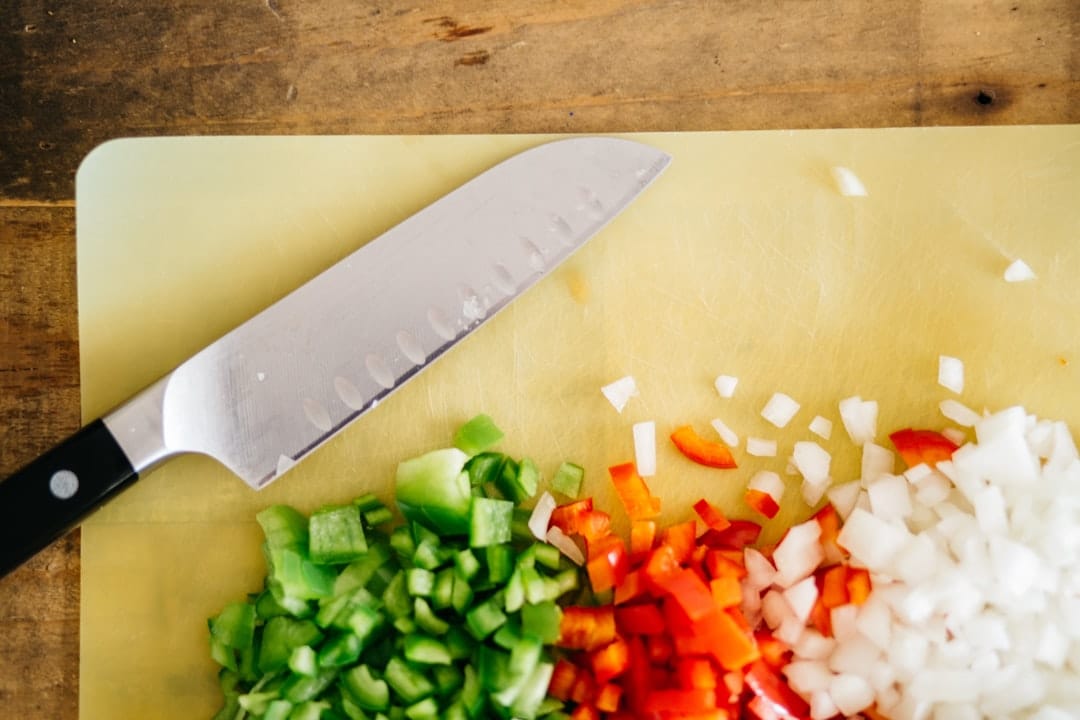
SaveSeveral versions of the plan exist, but they share the same skeleton: cabbage soup daily, plus a specific category of foods each day to round out your nutrients.
Day 1 is fruit-focused. Start with warm water and a squeeze of lime to wake up your system, then eat plenty of low-glycemic fruits — apple, peach, plum, guava, orange, melon, watermelon, kiwi — alongside unlimited soup. Bananas are skipped here because they’re higher in calories.
Day 2 shifts to vegetables. Begin with green tea, black tea (with a dash of lime), or black coffee, lean on leafy greens and other veggies, and snack on cucumber or carrots when hunger hits.
From there, later days typically reintroduce a mix of vegetables, fruits, and eventually lean protein to keep you nourished. Fruits are a reliable source of vitamins and minerals, and vegetables add their own range of nutrients, so this rotation is meant to prevent the plan from becoming purely empty calories.
A few practical notes: don’t overload on fruit in one sitting, since the natural sugar can nudge blood sugar up — something worth watching if you’re diabetic. Wash produce well, drink water steadily throughout the day, and don’t panic if you feel a little weak early on. That’s a normal response to suddenly eating fewer carbs and less sugar.
A Word on Exercise
 Save
SaveThe classic plan pairs the soup with daily movement — a warm-up, a run or brisk walk, some bodyweight work like push-ups and sit-ups, and stretching to finish. Keep it reasonable, and if you have a heart condition or any issue that limits activity, talk to your doctor or a trainer before diving in.
The Science Behind the Rapid Results
 Save
SaveHere’s the part worth being clear-eyed about. The quick weight loss is real, but much of it in the early days is water, not fat. Slashing carbohydrates depletes glycogen, and glycogen holds onto water — so when it goes, the water goes with it. Cutting sodium amplifies that effect.
That doesn’t mean nothing is happening. A genuine calorie deficit does mobilize fat over time. But the eye-popping “10 pounds in a week” numbers are a blend of water loss, reduced food volume in your system, and some fat — which is exactly why the weight can come back quickly once you eat normally again.
Benefits Worth Knowing
 Save
SaveUsed briefly and sensibly, the plan has some upsides:
It’s genuinely low-calorie and high-fiber, which keeps you full while you eat less.
It’s plant-forward, making it an easy fit for vegans or anyone wanting more vegetables in their week.
It’s simple and affordable — no special products, just soup and whole foods.
Many people feel lighter and more energetic, thanks in part to the fruit and veggie nutrients.
Where the Diet Falls Short
The same restriction that drives fast results is its biggest weakness. Cabbage soup alone can’t cover your full nutritional needs, and staying on it too long can leave you short on protein, healthy fats, and a range of vitamins — which may gradually wear down your immune system. Some people also feel weak, lightheaded, or irritable on such a low-calorie plan.
Most importantly, it isn’t built for lasting change. Once the week ends and old habits return, so does much of the weight.
Making It Work Safely
If you try it, treat it as a short kickstart — not a lifestyle. Stick to the seven days, drink plenty of water, don’t skip the fruit and vegetable variety that keeps you nourished, and use it as a springboard into more balanced, sustainable eating afterward.
Frequently Asked Questions
How much weight can I actually lose on the cabbage soup diet?
Many people report up to about 10 pounds in a week, but a large share of that is water rather than fat — and much of it tends to return once you resume normal eating.
Is the cabbage soup diet safe to do long-term?
No. It’s designed for roughly seven days. Relying on cabbage soup for extended periods can leave you low on essential nutrients and may weaken your immune system.
Can I eat anything besides cabbage soup?
Yes. The plan includes fruits, vegetables, and eventually lean protein on a day-by-day schedule, so soup is the anchor but not your only food.
The Bottom Line
The cabbage soup diet can deliver quick, satisfying results on the scale, which is a big part of its decades-long popularity. Just keep your expectations grounded: it’s a short-term reset driven mostly by a steep calorie cut and water loss, not a lasting solution. If you want the best of it, use the week as motivation, then transition into a balanced, varied way of eating you can actually keep up. And always loop in your doctor first if you have any underlying health concerns.
This article is for informational purposes only and is not a substitute for professional medical advice. Consult a qualified healthcare provider before beginning any diet or weight-loss program, especially if you have an existing health condition.