
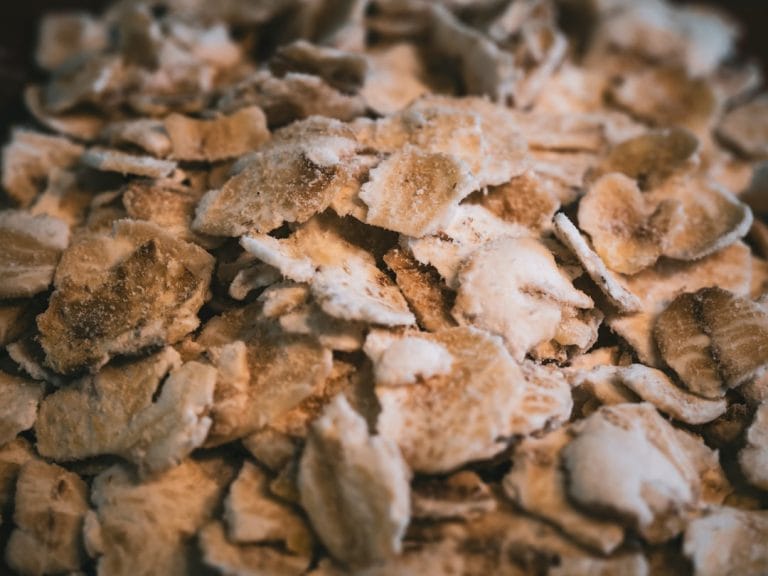
A tiny, overlooked part of the wheat kernel that quietly carries most of the grain’s nutrition.
Most of us have never bought wheat germ on purpose, and that is a bit of a shame. It is the small, breadcrumb-textured core of the wheat kernel, the part that would sprout into a new plant if you let it. During milling it usually gets stripped away, mostly because the healthy fats inside it spoil quickly. What is left behind is one of the more nutrient-dense things you can stir into a smoothie or a bowl of oats.
A single spoonful brings fiber, plant protein, minerals, and a strong dose of vitamin E. Below is what the research actually supports, plus honest notes on where the evidence is still thin.
Key Takeaways
– Wheat germ is loaded with fiber, protein, healthy fats, B vitamins, and vitamin E in a very small serving.
– Its phytosterols and omega-3s are linked to better heart health, and its fiber may help steady blood sugar.
– Early lab work on fermented wheat germ extract points to anti-cancer activity, though human evidence is limited.
– Vitamin E and ferulate give it antioxidant, muscle-supporting, and anti-aging appeal.
– About one tablespoon a day is plenty; too much can add up in calories, and it is off-limits if you avoid gluten.
A Quick Look at the Nutrition
Per 100 grams, crude wheat germ delivers roughly 13 grams of fiber along with meaningful amounts of protein and unsaturated fat. You also get folic acid, zinc, sodium in small amounts, several B vitamins, and a generous supply of antioxidants. Because you eat it by the spoonful rather than the cupful, think of it as a concentrated topper rather than a main event.
What Wheat Germ Does for Your Heart
 Save
SaveThis is where the evidence is strongest. Wheat germ is rich in phytosterols, plant compounds shaped a lot like cholesterol that carry antioxidant and anti-inflammatory effects. Our bodies cannot make them, so diet is the only source, and they have been tied to a lower risk of cardiovascular disease.
Whole grains that keep their bran and germ have long been associated with fewer cases of coronary heart disease. Wheat germ also contains octacosanol, a plant chemical studied for its ability to nudge LDL (“bad”) cholesterol downward, plus omega-3 fatty acids linked to a reduced risk of sudden cardiac death. If you already lean on plant-forward eating, wheat germ slots in easily alongside a vegan approach built for steady weight loss.
Blood Sugar and Diabetes Risk
 Save
SaveFiber-rich foods tend to smooth out the rise in blood sugar after meals, and wheat germ qualifies. Research from Lund University in Sweden found that dietary fiber can lower both LDL cholesterol and fasting blood glucose. On top of that, the alpha-linolenic acid in wheat germ, an omega-3 fat, has been reported to ease insulin resistance. Together those effects may lower the odds of developing type 2 diabetes, which is one reason people managing blood sugar sometimes reach for it.
The Cancer Research So Far
Here the story is genuinely interesting but far from settled. A fermented wheat germ extract known as Avemar has shown anti-cancer activity in studies. It appears to stimulate natural killer cell activity and encourage apoptosis, the programmed death of tumor cells. One review in Nutrients described how the extract may starve cancer cells of the sugar they rely on and strip away their cover so the immune system can find them, and it showed anti-proliferative effects in colon cancer patients. Promising, yes. Proven for everyday prevention, not yet. Treat this as a reason for curiosity, not a health claim.
Muscle, Skin, and Slowing the Clock
Wheat germ is one of the better plant proteins around, and paired with its B vitamins and vitamin E it supports building and repairing muscle. Diets rich in vitamin E have also been linked to better muscle mass and fewer age-related problems, though more work is needed on older adults facing muscle loss.
The skin benefits come from the same antioxidant crew. Ferulate, a phenolic compound in wheat germ, may quiet aging-related gene activity and push back against oxidative stress, while vitamin E helps shield skin from free radical and sun damage. That is partly why the cold-pressed oil turns up in skincare, where moisturizers can contain up to half wheat germ oil for its humectant, water-attracting quality. If plant oils for skin interest you, the case for peanut oil on skin and hair runs along similar lines.
Easier Periods and Menopausal Symptoms
 Save
SaveThe anti-inflammatory side of wheat germ may take the edge off painful periods. In one study, three 400 mg capsules of wheat germ extract daily, taken from around day 16 of the cycle through day five of the next for two months, brought relief from primary dysmenorrhea. Related research suggests the extract can also ease the general, physical, and psychological symptoms of PMS.
Can It Help With Weight Loss?
With nearly 13 grams of fiber per 100 grams, wheat germ helps you feel full, which is useful when calories are limited. Studies show that bumping up fiber inside a calorie-controlled plan supports weight loss for people who are overweight or obese, and one animal study found wheat germ reduced food intake, body weight, and fat mass (more so when combined with antibiotics, which does not translate neatly to humans). A spoonful stirred into oatmeal or a salad adds crunch and staying power without much bulk, which fits neatly into something like a structured low-calorie eating plan.
A Few Cautions
Wheat germ is generally safe, but it is not for everyone. It contains gluten, so anyone with celiac disease or gluten intolerance should skip it entirely. It is also fairly calorie-dense, and eating far more than a spoonful or two a day can quietly contribute to weight gain. Those on strict low-carb diets may want to leave it out as well.
How to Add It to Your Meals
 Save
SaveThe easiest wins are the obvious ones. Stir a tablespoon into yogurt, oatmeal, or overnight oats. Blend it into smoothies and protein shakes. Fold it into muffin, pancake, or bread batter, or scatter it over a salad for texture. Start with a teaspoon if you are new to it, and keep the amount modest so the extra fiber sits well.
Frequently Asked Questions
How much wheat germ should I eat in a day?
About one tablespoon a day is a sensible amount for most people. It gives you the fiber and nutrients without piling on extra calories.
How do I store wheat germ so it does not go bad?
Because its natural oils spoil quickly, keep an opened package sealed in the refrigerator or freezer. Cool, airtight storage keeps it fresh far longer than a pantry shelf.
Can people with diabetes eat wheat germ?
Often, yes. Its fiber may help regulate blood sugar, which is why some people use it as a better-for-you addition. Still, check with your own doctor before making it a regular habit.
The Bottom Line
Wheat germ is a small ingredient that punches well above its weight. Between its fiber, plant protein, vitamin E, and heart-friendly plant compounds, a daily spoonful is an easy upgrade to meals you already eat. The heart and blood sugar benefits rest on the firmest ground, while the cancer and anti-aging findings are early and worth watching rather than banking on. Keep the portion small, store it cold, and skip it if gluten is a problem for you.
This article is for informational purposes only and is not a substitute for professional medical advice. Talk with a qualified healthcare provider before making changes to your diet, especially if you have a health condition or take medication.