

A very low-calorie approach that promises fast results — but only makes sense with a doctor watching over your shoulder.
If you have been tracking your calories and wondering whether cutting them dramatically could jump-start weight loss, you have probably come across the 500-calorie diet. It is one of the most restrictive eating plans out there, capping daily intake at just 500 calories — often through shakes, bars, and meal replacements rather than regular food.
This plan is not a casual choice. Doctors typically reserve it for people living with obesity (a BMI over 30) whose weight is putting their health at serious risk. Below, we break down what the diet actually involves, what it might do for you, and the risks you should weigh before ever attempting it.
Key Takeaways
– The 500-calorie diet is an extreme very low-calorie diet (VLCD) meant for short-term, rapid weight loss under medical supervision.
– It often follows a 5:2 pattern — heavy restriction on two non-consecutive days, normal eating on the other five.
– Meals lean on protein with a modest balance of carbs and healthy fats to protect nutrition within the tight calorie budget.
– Real risks include nutritional deficiencies, muscle loss, gallstones, and a strained relationship with food.
– Pregnant and breastfeeding women should never follow this diet.
What the 500-Calorie Diet Actually Is
The 500-calorie diet sits at the far end of the very low-calorie spectrum. Instead of your usual meals, it substitutes liquid supplements, meal-replacement shakes, and bars for a set period. The logic is simple: when you feed your body far less energy than it burns, it turns to stored fat for fuel, and the pounds start to drop.
Meal replacements and supplements are more common than you might think. According to the National Health and Nutrition Examination Survey, more than a third of adolescents and nearly three in five adults in the U.S. use dietary supplements of some kind.
Many people follow the plan as a version of 5:2 intermittent fasting. On this schedule, you severely restrict energy on two non-consecutive days each week — meeting only about 20–25% of your energy needs — and eat around 2,000 calories on the remaining five days. Early research suggests this kind of hypocaloric intermittent fasting may help people who are overweight or obese lose weight, though findings so far are inconclusive and more study is needed.
One important caveat before you read further: this is not a do-it-yourself diet. Always talk to a healthcare professional first, and only follow a VLCD with the guidance of a doctor or registered dietitian.
A Sample 500-Calorie Meal Plan
 Save
SavePlanning matters here more than with almost any other diet. With so few calories to work with, every bite needs to earn its place by delivering protein, fiber, or micronutrients. On the two restricted days of a 5:2 plan, a low-carb approach helps you stay full and steady.
Breakfast, Lunch, and Dinner Framework
 Save
SaveRather than rigid recipes, think in building blocks you can mix and match:
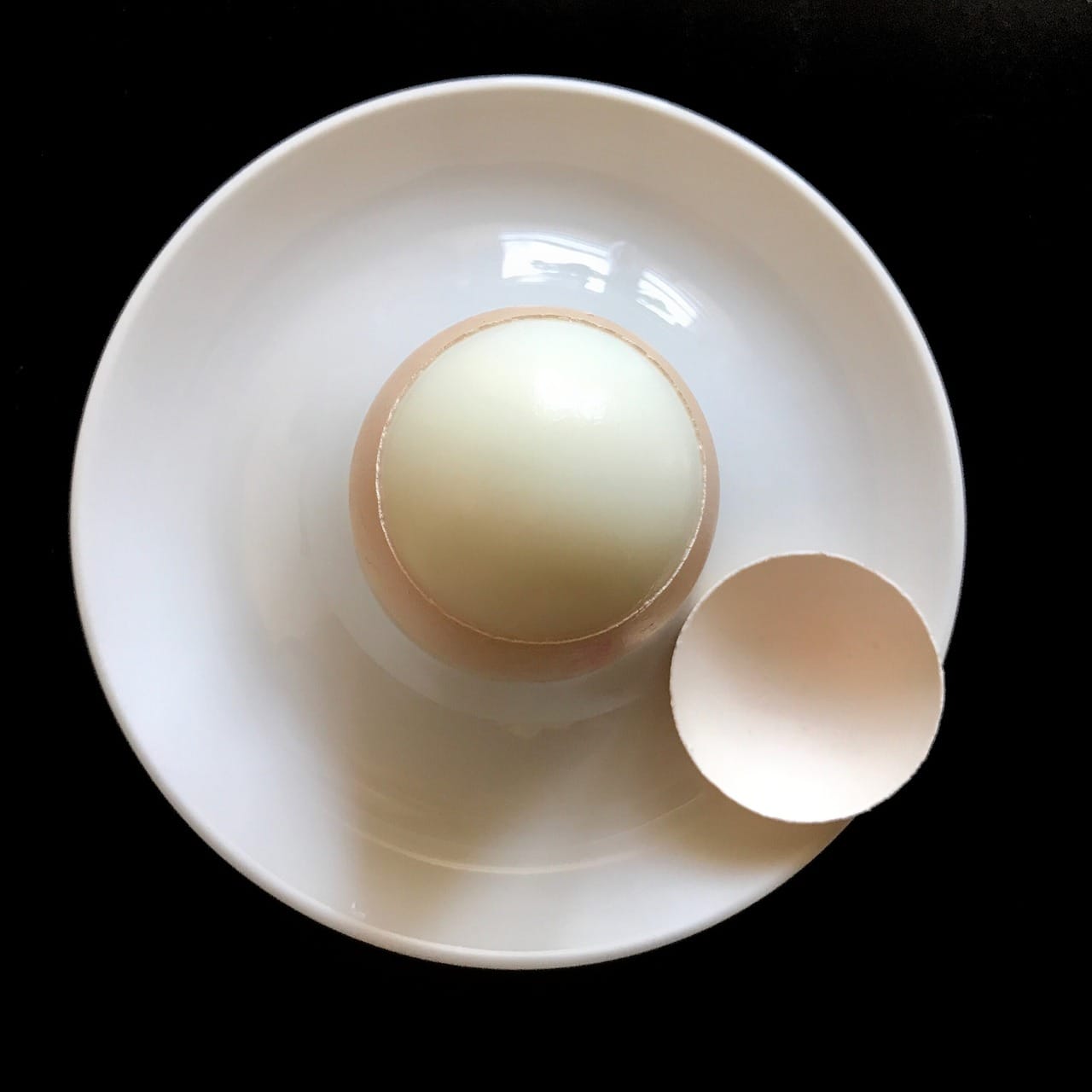
Breakfast: a small serving of lean protein with a little fiber — such as eggs with sautéed greens. If hunger strikes before lunch, an unsweetened cup of green tea can tide you over.
Lunch: a light protein-and-vegetable plate like grilled chicken over salad. Drinking a glass of lukewarm water about 20 minutes beforehand can curb the urge to overeat.
Dinner: a broth-based soup or steamed vegetables with a modest protein source. Sip water through the evening, and reach for coconut water or unstrained vegetable juice if hunger returns.
Adapting for Dietary Needs
The plan bends to most eating styles. Vegetarians and vegans can swap meat for lentils, beans, or tofu, while anyone avoiding gluten can build around quinoa or brown rice. Whatever version you choose, run it past your doctor and dietitian first.
A quick reality check on results: how much you lose depends on your starting weight and activity level, but a month on this diet may shed anywhere from 10 to 15 pounds. That sounds dramatic, and it is — which is exactly why it should be short-lived. Lasting, sustainable weight loss comes from healthy habits and regular movement, not prolonged starvation.
The Benefits
The headline benefit is speed. For someone whose weight poses a genuine health threat, rapid loss under supervision can be genuinely useful, and a VLCD may also shift the way the body handles fuel.
Research in The American Journal of Clinical Nutrition looked at alternate-day fasting in non-obese adults over 22 days. Participants lost an average of 2.5% of their body weight and 4% of their fat mass, and fasting insulin dropped sharply — by 57%. Fat oxidation rose, especially on the longer fasting days. The catch? People reported persistent hunger, which made sticking with it difficult. The researchers even suggested adding a small meal on fasting days to make the approach more livable over time.
Is 500 Calories a Day Healthy?
 Save
SaveHonestly, no — not without medical oversight, and not for long. You may drop weight quickly at first, but the loss rarely sticks once you return to normal eating. Just as importantly, such extreme restriction can take a toll on your mind as much as your body.
A study in Eating Behaviors analyzing 1,357 adults found that 71% had used a calorie-tracking app, and prior users showed higher levels of disordered eating tied to thinness and muscularity. Those tracking calories specifically for weight or body-shape reasons were more likely to report food preoccupation, all-or-nothing thinking, anxiety, and purging — even as they rated the apps as more helpful. In other words, the tools that promise control can quietly fuel an unhealthy relationship with food.
Health Risks Worth Knowing
 Save
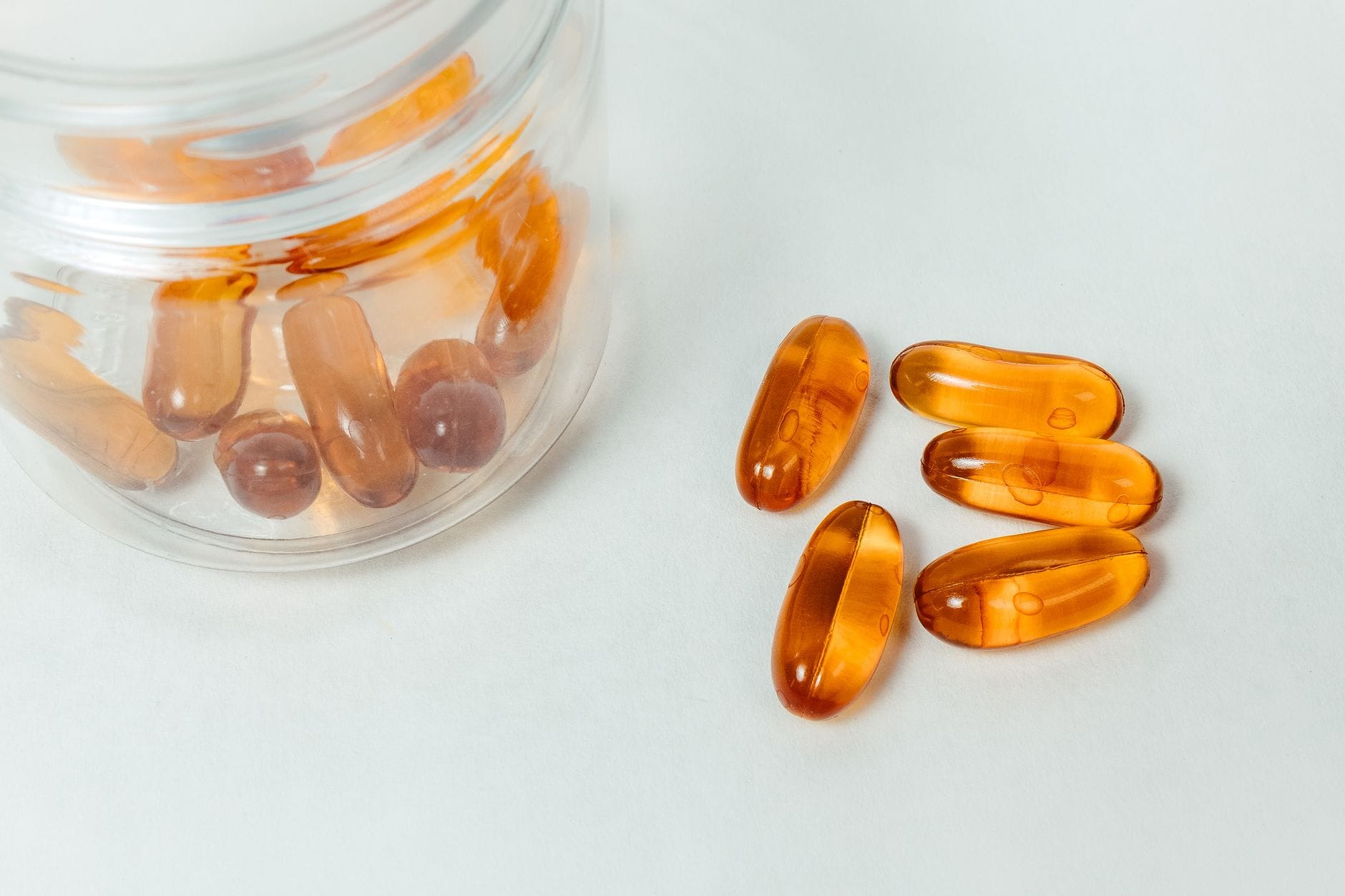
SaveBeyond the psychological strain, VLCDs carry real physical risks. Cutting calories this hard for an extended stretch can leave you short on essential nutrients, causing deficiencies your body cannot easily correct. Prolonged restriction is also linked to muscle loss and to gallstone formation. These are precisely the reasons the diet belongs under professional supervision — and only for a short window.
Frequently Asked Questions
Can pregnant or breastfeeding women follow the 500-calorie diet?
No. Pregnancy and lactation dramatically increase nutritional needs, and this diet cannot meet them. It is off-limits for both groups.
How long can I safely stay on a 500-calorie diet?
Only briefly, and only with a doctor’s guidance. It is designed as a short-term intervention, not a lifestyle. Extended use invites deficiencies and other complications.
Will I regain the weight afterward?
Often, yes. Without new, sustainable eating and exercise habits, the weight tends to return once you resume regular meals. The diet is best seen as a jump-start, not a finish line.
The Bottom Line
The 500-calorie diet can produce fast, striking weight loss — but it is a medical tool, not a wellness trend. It suits a narrow group of people whose health is endangered by excess weight, and even then only under close supervision and for a limited time. For nearly everyone else, the risks of nutritional gaps, muscle loss, gallstones, and disordered eating outweigh the appeal of quick results. If lasting change is your goal, steady habits and regular exercise will always serve you better than semi-starvation.
This article is for informational purposes only and is not a substitute for professional medical advice. Always consult a qualified healthcare provider or registered dietitian before starting any very low-calorie diet or making significant changes to your eating habits.