

A simple, sustainable way to eat that fuels your body, lifts your mood, and lowers your risk of disease.
What you put on your plate does far more than satisfy hunger. It shapes your energy, your mood, your focus, and your long-term health. A balanced diet gives your body the full range of nutrients it needs to grow, repair, and run smoothly day after day.
The good news is that eating well isn’t about strict rules or expensive superfoods. It’s about variety, moderation, and leaning on real, minimally processed foods. Below, you’ll find what a balanced diet actually looks like, why it matters, and how to build one you can stick with for life.
Key Takeaways
– A balanced diet draws from five core food groups: vegetables, fruits, grains, dairy, and proteins.
– Eating this way supplies steady nutrition and helps lower the risk of chronic conditions like heart disease and type 2 diabetes.
– Filling up on whole foods while cutting back on added sugar, salt, and processed items supports a healthy weight.
– The USDA suggests keeping added sugars and saturated fats each under 10% of daily calories, and sodium under 2,300 mg.
– Balance and consistency matter more than perfection or any single “magic” food.
What A Balanced Diet Really Means
A balanced diet is one that pulls foods from every food group in the right proportions, so your body gets enough calories, protein, vitamins, minerals, and other nutrients to function well. The aim is simple: enough energy to power your day without overdoing any single thing.
Eaten consistently, this pattern supports both physical and mental health. Research links well-rounded nutrition to better mood and sharper cognitive performance. According to USDA dietary guidance, a healthy eating pattern includes vegetables from every subgroup, whole fruits, grains (with at least half being whole grains), fat-free or low-fat dairy, protein-rich foods, and healthy oils.
Just as important is what you scale back. The guidelines recommend limiting saturated and trans fats, added sugars, and sodium. As a practical rule: keep added sugars and saturated fats each below 10% of your daily calories, hold sodium under 2,300 mg per day, and if you drink alcohol, keep it moderate.
Why A Balanced Diet Matters
Eating across all food groups does more than prevent nutrient gaps, it actively guards your health. A varied diet helps fend off fatigue, infections, and disease, and it plays a meaningful role in protecting your heart.
Fruits, vegetables, and whole grains are packed with bioactive compounds that help lower the risk of stroke and coronary heart disease. They also deliver dietary fiber, which keeps you feeling full, supports digestion, helps manage cholesterol, and improves blood sugar control. Together these effects reduce the risk of type 2 diabetes, certain cancers, and obesity.
The stakes are real. Heart disease remains the leading cause of death in the US, followed by cancer, stroke, and diabetes. Many of these conditions are, to a meaningful degree, preventable, and a balanced diet is one of the most powerful everyday tools you have.
The Five Food Groups
 Save
SaveA truly balanced plate rotates through all five groups. Here’s what each one offers and roughly how much to aim for.
1. Vegetables
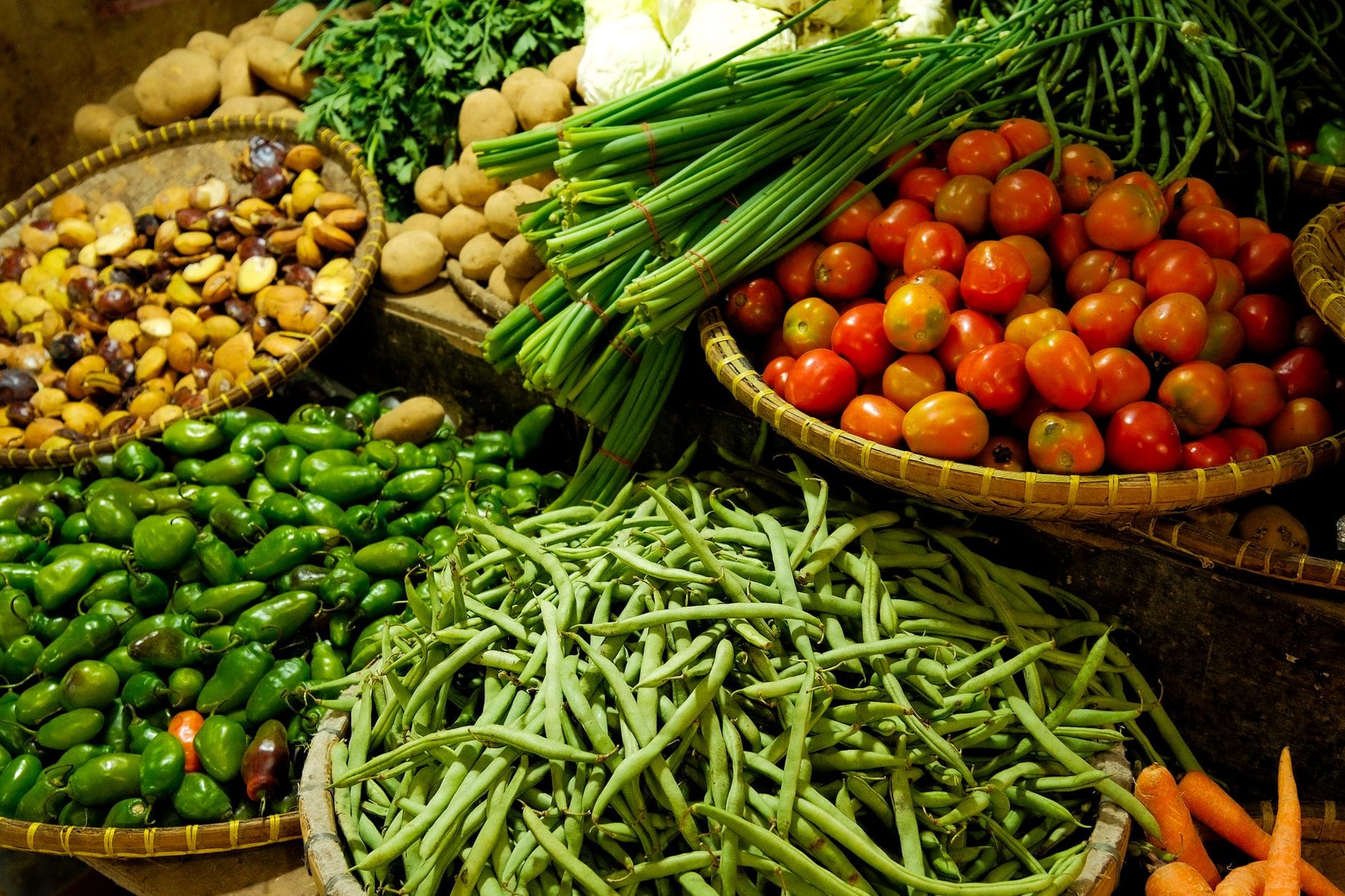
Include choices from every subgroup: dark leafy greens, red and orange vegetables, legumes, and starchy vegetables. They deliver fiber, potassium, folate, and vitamins A, C, E, and K.
Aim for: about 2½ cups per day.
2. Fruits
Choose whole fruits and 100% fruit juice rather than sugary packaged drinks. Fruits supply fiber, potassium, and vitamin C.
Aim for: roughly 2 cups per day. A cup of 100% juice or a half cup of dried fruit counts as one cup.
3. Grains
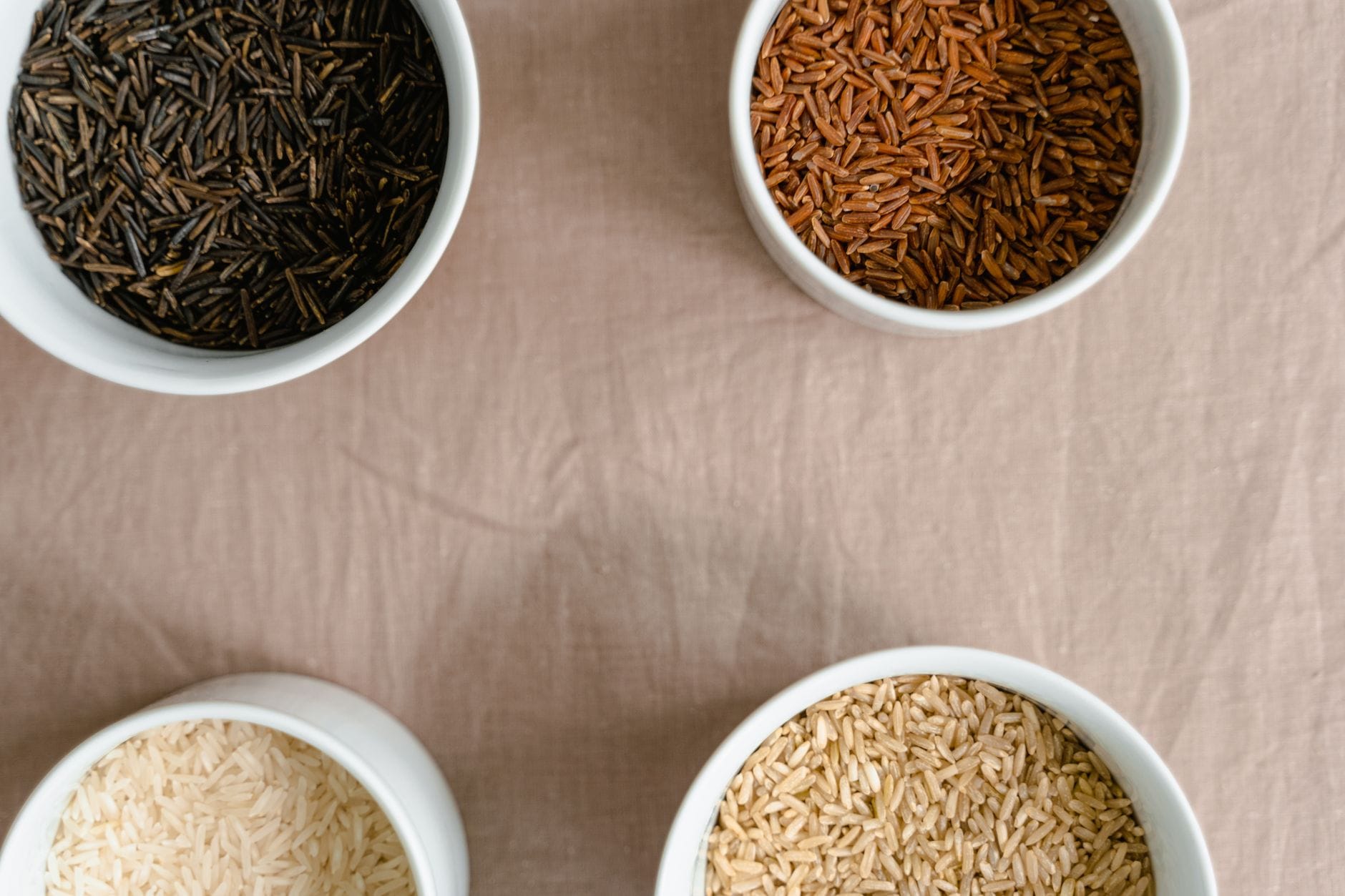
Favor whole grains like brown rice, quinoa, oats, and popcorn over refined options. They provide fiber, B vitamins, iron, magnesium, and zinc.
Aim for: about 6 ounce-equivalents daily (one slice of bread equals roughly 1 ounce).
4. Dairy
 Save
SaveReach for fat-free or low-fat milk, yogurt, and cheese, or fortified soy alternatives. Dairy is a key source of calcium, protein, potassium, and vitamins A, B12, and D.
Aim for: about 3 cups per day for most teens and adults.
5. Proteins
 Save
SaveGood sources span seafood, lean meats, poultry, eggs, nuts, seeds, soy, and legumes. They supply protein, B vitamins, zinc, and selenium.
Aim for: around 5½ ounce-equivalents daily.
Oils deserve a mention too. Though not an official food group, oils like olive, canola, and sunflower provide essential fatty acids and vitamin E. About 5 teaspoons a day suits a 2,000-calorie diet.
Foods Worth Filling Your Plate With
 Save
SaveMost whole, unprocessed foods fit neatly into the groups above. Load your cart with vegetables like broccoli, spinach, kale, tomatoes, and peppers; beans and legumes such as chickpeas, black beans, and kidney beans; starchy staples like potatoes, corn, and peas; and fresh fruits like oranges, apples, and bananas.
At the same time, ease off on ultra-processed items, sugary drinks, fried foods, and anything heavy in added sugar, refined grains, or salt. These add calories without much nourishment and can crowd out the foods that serve you best.
Building A Balanced Diet You Can Keep
Balance is a long-term habit, not a short sprint, so make it livable. A few practical tips:
Fill half your plate with vegetables and fruit at each meal.
Swap refined grains for whole-grain versions when you can.
Plan a few meals ahead so healthy choices are the easy ones.
Cook at home more often to control salt, sugar, and oil.
Stay hydrated and treat sweets as occasional, not daily.
Frequently Asked Questions
Is a balanced diet right for everyone?
It suits most people who want a healthy eating pattern. However, anyone following a restrictive, doctor-prescribed diet should check with their healthcare provider first.
Can a balanced diet help with weight loss?
Yes. Emphasizing whole foods and limiting sugary, processed items helps you manage calories and stay full, which supports a healthy weight and lowers obesity risk.
Do I have to give up all treats?
No. Balance allows for moderation. Occasional treats are fine as long as the bulk of your diet comes from nutritious whole foods.
The Bottom Line
A balanced diet isn’t a rigid plan, it’s a flexible, lifelong approach built on variety and moderation. By drawing steadily from all five food groups and trimming added sugars, excess sodium, and processed foods, you give your body the nutrients it needs to feel energized and stay resilient against chronic disease. Start with small, consistent swaps, and let those habits compound into lasting well-being.
This article is for informational purposes only and is not a substitute for professional medical advice. Consult a qualified healthcare provider or registered dietitian before making significant changes to your diet, especially if you have an existing health condition.