
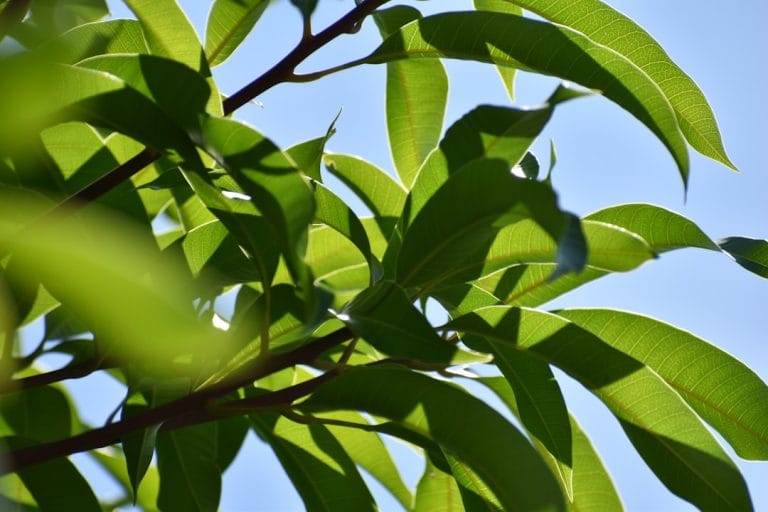
The fruit gets all the glory, but the humble mango leaf is a quiet workhorse of traditional wellness.
Most of us reach for a ripe mango without a second thought for the glossy green leaves attached to the branch. Yet across generations of traditional medicine, those leaves have been dried, brewed, and burned to ease everything from a stubborn cough to a spike in blood sugar. Rich in vitamins and plant compounds, mango leaves are far more than garden decoration.
If you happen to gather fresh mangoes with the stems still attached, hang on to the leaves too. Below, we walk through what makes them worth keeping, ten of their most talked-about uses, and simple ways to fold them into your kitchen and routine.
Key Takeaways
– Mango leaves are packed with vitamins A, B, and C plus antioxidant flavonoids and polyphenols.
– They have long been used to help steady blood sugar and support healthy blood pressure.
– Mangiferin, a compound in the leaves, is linked to calming, anti-anxiety effects.
– Burned leaf ash and warmed leaf juice appear in folk remedies for burns and earaches.
– One to two cups of mango leaf tea a day is the usual traditional serving.
What Makes Mango Leaves Special
Young mango leaves start out reddish or purplish and mature into a deep green with a paler underside. They carry a mild, vegetal taste and, more importantly, a generous nutrient load.
Research points to a leaf rich in vitamins A, B, and C, along with flavonoids and polyphenols that give it real antioxidant and anti-inflammatory muscle. Those same phenolic compounds are the reason a single leaf can be tied to so many different traditional uses.
Ten Traditional Uses of Mango Leaves
Steadying Blood Sugar
 Save
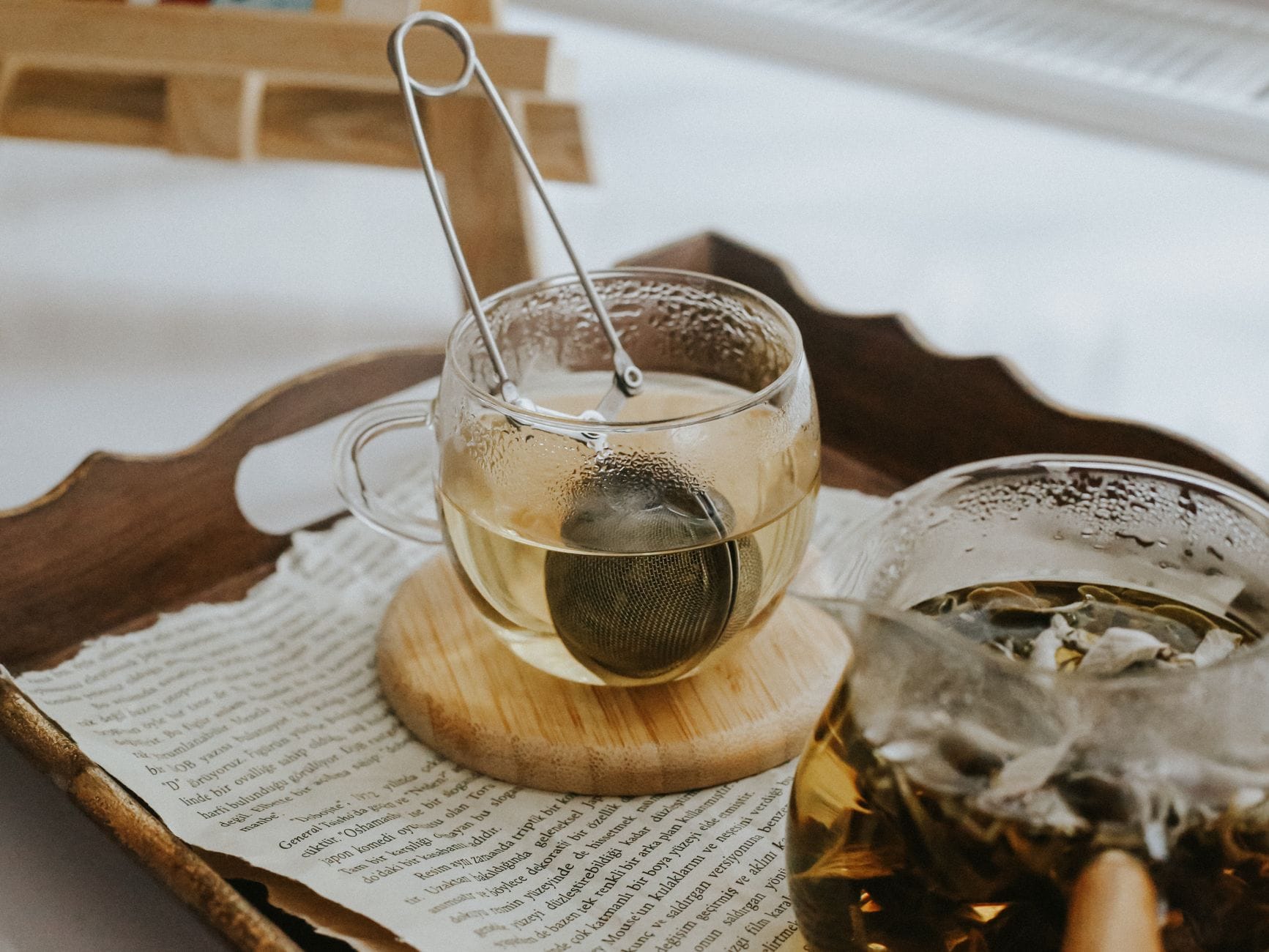
SaveThis is perhaps the best-known application. Animal studies suggest the tender leaves hold phytochemicals that may support blood sugar control, and they’ve traditionally been dried, powdered, or steeped as an infusion for people managing diabetes. Compounds such as 3β-taraxerol are thought to work alongside insulin to encourage glucose uptake and glycogen synthesis. The leaves have also been explored for diabetic complications affecting the blood vessels and eyes.
A common home method: soak a few leaves in a cup of water overnight, strain in the morning, and drink the liquid.
Supporting Healthy Blood Pressure
 Save
SaveMango leaves have been studied for anti-hypertensive properties. Beyond helping to keep blood pressure in a healthy range, they’re traditionally credited with strengthening blood vessels and easing the discomfort of varicose veins.
Easing Restlessness
Mangiferin, a standout phytochemical in the leaves, has shown anti-anxiety activity in research. In folk practice, two or three cups of mango leaf tea added to bath water are used to unwind a restless body and refresh the mind.
Helping Flush Stones
Some traditions turn to mango leaves for kidney stones and gallstones. The approach: grind shade-dried leaves into a fine powder, stir a small amount into water left overnight, and drink it daily, with the aim of breaking down and flushing out stones over time.
Soothing the Respiratory System
For colds, bronchitis, and asthma, mango leaves have a long history of use. A simple decoction—leaves simmered in water with a touch of honey—is a classic remedy for calming a cough, and it’s even reached for when the voice has gone hoarse.
Calming Dysentery
Shade-dried, powdered mango leaves taken with water two to three times a day appear in traditional remedies for bleeding dysentery.
Relieving Earaches
An earache is hard to ignore. One folk remedy involves extracting juice from mango leaves, warming it gently, and using a teaspoon of it as ear drops for relief.
Treating Burns
For minor burns and scalds, a handful of mango leaves is burned to ash and the cooled ash is dabbed onto the affected skin—a remedy passed down for its soothing effect.
Quieting Hiccups and Throat Trouble
Stubborn hiccups or throat irritation have their own leaf-based fix: burn a few mango leaves and breathe in the smoke, a traditional trick for settling both.
Serving as a Stomach Tonic
Steep some leaves in warm water, cover the container, and leave it overnight. Strain and sip on an empty stomach the next morning. Taken regularly, this infusion is used as a gentle stomach tonic. Anecdotally, mango leaves are also linked to weight management and healthier skin, hair, and heart—though these claims rest more on tradition than firm evidence.
The Nutrition Behind the Benefits
 Save
SaveMango leaves earn their reputation honestly. They deliver protein and a spread of minerals—nitrogen, potassium, calcium, phosphorus, zinc, sodium, copper, iron, and manganese—alongside vitamins A, B, and C.
They also supply phenolic plant compounds like tannins, terpenoids, and flavonoids. These are the antioxidants researchers connect to lower risk of chronic disease, and they help explain why one modest leaf shows up in so many remedies.
Cooking With Mango Leaves
 Save
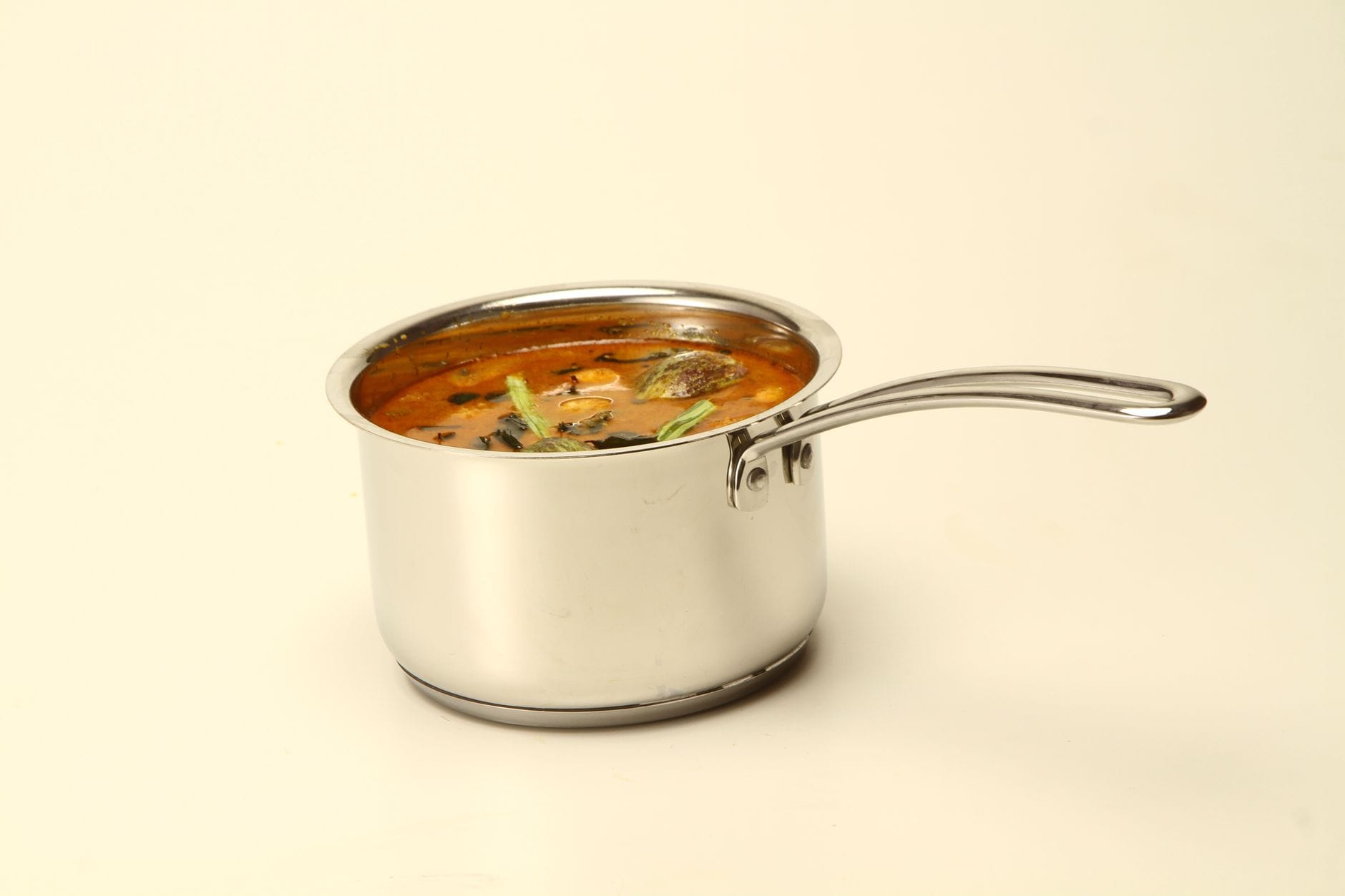
SaveYou don’t have to limit mango leaves to teas and tonics. In the kitchen, they’re a versatile, subtly flavored ingredient:
Infusions: Simmer the leaves in water for a fragrant tea you can enjoy hot or iced.
Flavoring: Drop a few leaves into curries, soups, or stews while they cook, then fish them out before serving.
Garnish: Use fresh leaves to add a crisp green accent to salads and platters.
Wraps: In many cuisines, food is wrapped in mango leaves before cooking to lend a faint sweetness and aroma.
Pickling: The leaves can round out the flavor of pickled vegetables and fruit.
Always rinse the leaves well before use, and treat them as an invitation to experiment.
Frequently Asked Questions
How much mango leaf tea can I drink in a day?
Traditionally, one to two cups a day is the standard amount. Start small to see how your body responds.
Who benefits most from mango leaves?
They’re generally suitable for most people, and they’ve been especially valued in traditional care for those managing asthma or diabetes.
Do I use fresh or dried leaves?
Both have their place. Fresh leaves work well for teas and cooking, while shade-dried, powdered leaves are the traditional choice for many remedies.
The Bottom Line
Mango leaves prove that the most useful part of a plant isn’t always the part we eat. From steadying blood sugar and blood pressure to calming coughs and quieting a restless mind, they’ve earned a lasting place in traditional wellness—backed increasingly by research into their antioxidant, anti-inflammatory plant compounds. Brew them into a simple tea or tuck a few into your next curry, and you’ll be putting a time-honored ingredient to work.
This article is for informational purposes only and is not a substitute for professional medical advice. Talk with a qualified healthcare provider before using mango leaves to treat any condition, especially if you are pregnant, managing diabetes, taking medication, or have an ongoing health concern.