

A closer look at how everyday food and exercise choices can soften the pain and swelling of lipedema.
Lipedema is one of those conditions that hides in plain sight. It gets brushed off as ordinary weight gain, yet it behaves nothing like typical fat. It settles stubbornly in the hips, thighs, and lower legs, it hurts to the touch, and no amount of standard dieting seems to shift it. Roughly, it affects women far more than men, and its symptoms can creep worse during hormonal shifts like your period or menopause.
There’s no cure yet, but that doesn’t mean you’re stuck. The way you eat and move can genuinely change how much pain, swelling, and heaviness you carry day to day. Here’s what tends to help.
Key Takeaways
– Lipedema is a progressive buildup of inflamed fat, mostly in the lower body, and it spares the hands and feet.
– Painful fat, easy bruising, cold skin, and small hard nodules under the skin are among its telltale signs.
– Cutting back on simple sugars, refined flour, pasteurized dairy, and highly processed foods may ease symptoms.
– Anti-inflammatory eating patterns, including low-carb, Mediterranean, and vegetarian styles, are commonly used to manage it.
– Regular low-impact movement supports weight management and can quiet pain and fluid retention.
What Lipedema Actually Is
Lipedema (sometimes spelled lipoedema) is a disorder of inflamed fat cells that pile up unevenly, mainly across the pelvis, hips, and legs. What makes it distinctive is where it stops: the feet and hands stay unaffected, so the lower body can look noticeably larger than the upper body. Early on it’s easy to mistake for obesity, but left alone it can progress to severe pain and even trouble walking.
Doctors group it into five types based on where the fat sits, from the buttocks and hips alone, down through the knees and ankles, and in some cases up into the upper arms. There’s no single blood test or scan that confirms it. Diagnosis usually comes from your medical and family history plus a physical exam.
One quirk worth mentioning: because the fat lands on the limbs rather than around the internal organs, women with lipedema tend to have lower rates of high blood pressure, type 2 diabetes, and metabolic syndrome. The trade-off is a higher chance of migraines, hypothyroidism, and depression.
How to Spot the Symptoms
 Save
Not everyone experiences every sign, but a cluster of them together points toward lipedema rather than plain weight gain. Common ones include:
Painful, tender fat that aches under pressure or even light touch.
Easy bruising, sometimes tied to tiny spider veins near the skin’s surface.
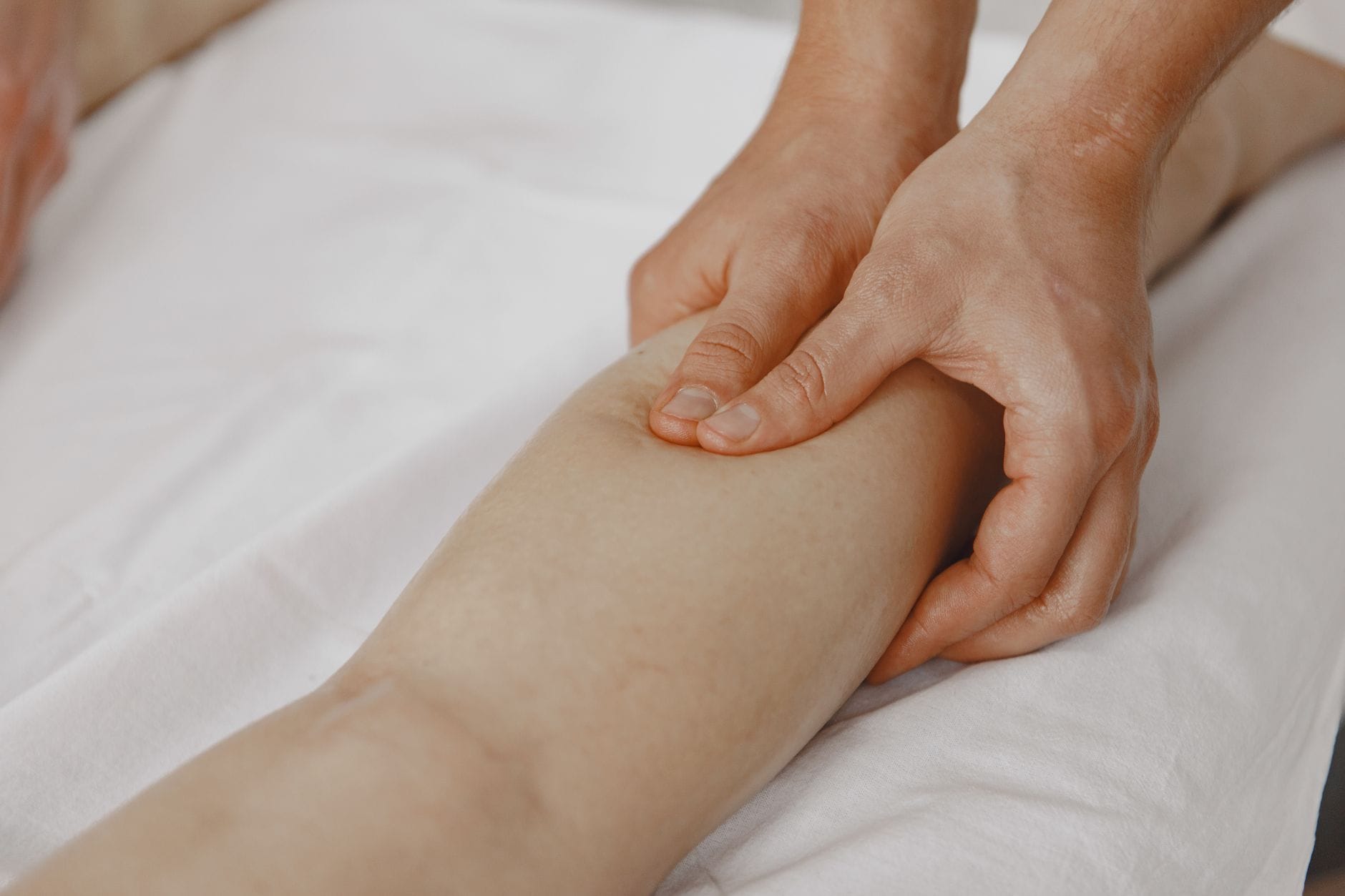
Hard, pea-sized nodules you can feel under the skin when you massage the area.
Cold skin over the affected hips and legs compared with the rest of the body.
Cuffing at the wrists or ankles, where the swollen limb stops abruptly at the untouched hand or foot.
Reduced mobility as the legs grow heavier and the joints take the strain.
As the condition advances, chronic inflammation can lead to fibrosis, scar-like tissue that stiffens the fat and slows lymph flow. In later stages, lymphedema (swelling from blocked lymph fluid) may set in as well. About a third of women also carry extra fat in the upper arms.
Building a Diet That Works for Lipedema
No meal plan erases lipedema, and changes take patience. Still, certain foods appear to feed the inflammation, and easing off them is a reasonable first move.
Foods to Ease Off
 Save
Try to cut back on:
Pasteurized dairy such as milk, cheese, and yogurt
High-fat animal meats like bacon, sausage, and red meat
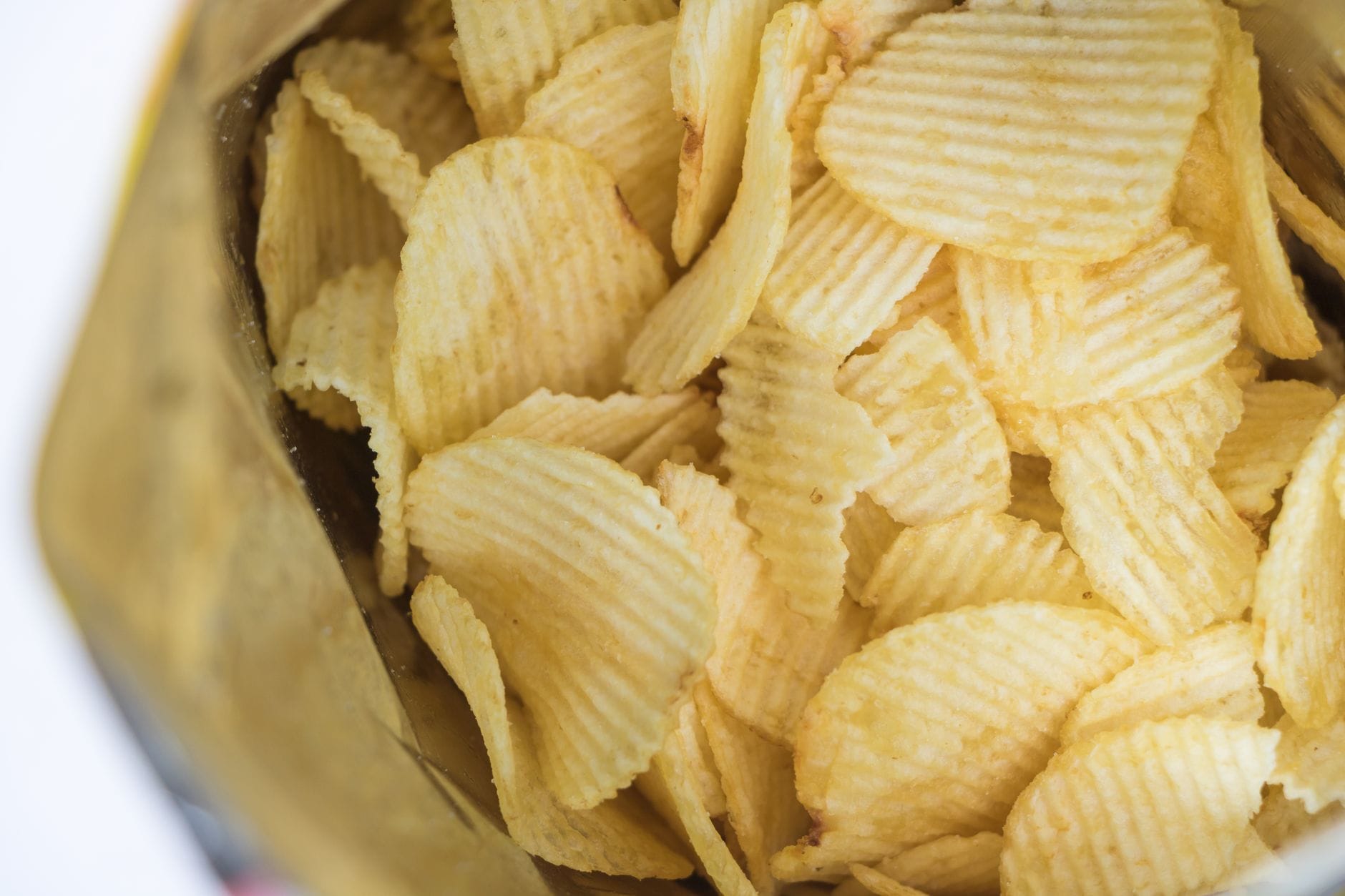
Simple sugars and starches, including white rice, pasta, potatoes, honey, and most cereals
Highly processed, salty items like beef jerky, smoked meat, and canned meat
Refined flour products such as white bread and tortillas
The Anti-Inflammatory Angle
Because inflammation drives so much of the discomfort, many women build their meals around an anti-inflammatory pattern. Low-carb, Mediterranean, and vegetarian styles all get used here, with plenty of vegetables, whole foods, and healthy fats standing in for sugar and refined carbs. The research is still thin, so think of these as informed starting points rather than guaranteed fixes.
Why the Ketogenic Approach Gets Attention
 Save
The ketogenic diet comes up often in lipedema circles, and a handful of small studies and clinical trials back the interest. Keto sharply limits carbohydrates, which nudges the body into ketosis, a state where it burns fat for fuel instead of glucose.
For someone with lipedema, that shift may do a few useful things at once. Metabolizing fat can help chip away at accumulated deposits, cutting carbs tends to reduce fluid retention, and lower inflammation may translate into less pain. People eating this way also tend to feel fuller on protein and fat, so they often eat less without forcing it.
A word of caution, though. Keto is best treated as a short-term tool, and it isn’t for everyone. Pregnant or breastfeeding women, anyone under 18, and people with certain chronic conditions should steer clear or talk to a doctor first. In the early days it can leave you feeling dizzy, weak, or foggy, with cold feet at night and swings in mood. Those effects usually ease, but they’re worth watching.
Low-Impact Exercise That Helps More Than It Hurts
 Save
Movement matters as much as food, and the goal is gentle and steady, not punishing. High-impact workouts can aggravate sore, swollen legs, so the sweet spot is exercise that keeps you moving while sparing your joints.
Water is a favorite here. Swimming and pool walking let you move against resistance while the water supports your weight and encourages lymph flow. Walking, cycling, and stretching also work well. Regular sessions help with weight management, ease stiffness, and can dial down both pain and inflammation over time. Consistency beats intensity, so pick something you’ll actually keep doing.
Frequently Asked Questions
Is lipedema the same as being overweight?
No. Ordinary fat responds to diet and exercise, while lipedema fat is inflamed, painful, and resists standard weight loss. It also spares the hands and feet, which plain obesity does not.
Can changing my diet cure lipedema?
Not on its own. Diet can reduce inflammation, pain, and fluid retention and support weight management, but there’s currently no dietary cure. It works best alongside movement, self-care, and medical guidance.
Do I have to try keto to manage lipedema?
Not necessarily. Keto has the most anecdotal support, but Mediterranean and vegetarian anti-inflammatory patterns are used too. Since keto isn’t safe for everyone, check with your doctor before starting.
The Bottom Line
Lipedema can feel discouraging, especially after years of being told it’s “just weight.” The condition is real, it’s progressive, and it deserves a real plan. Trimming sugar, refined flour, and heavily processed foods, leaning into anti-inflammatory eating, and building in gentle low-impact movement won’t reverse it, but together they can meaningfully soften the pain, swelling, and heaviness. Work with a clinician who understands the condition, go slow, and give any change enough time to show results.
This article is for general informational purposes only and is not a substitute for professional medical advice, diagnosis, or treatment. Always consult a qualified healthcare provider before making changes to your diet, exercise, or treatment plan.