
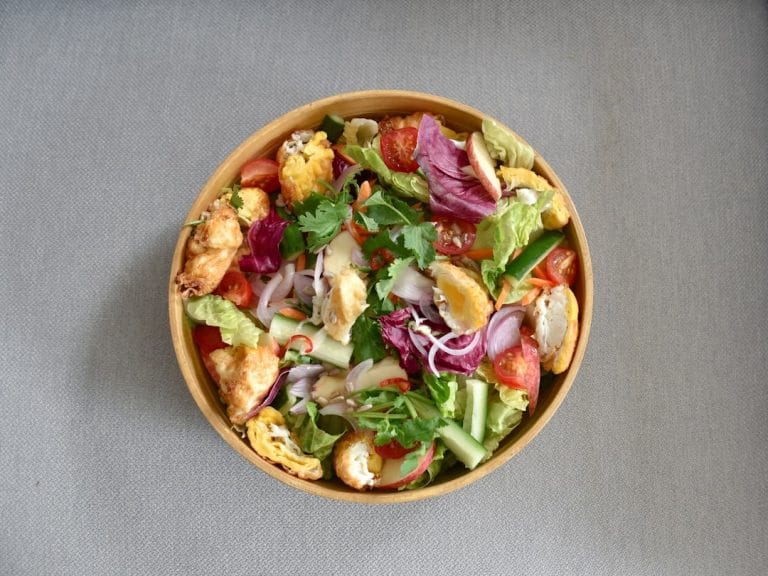
Why the food on your plate shapes far more than your waistline.
Most of us already know that a bag of chips or a drive-thru burger isn’t doing us any favors. And yet the pull is real, because junk food is engineered to taste good and to keep you coming back. The tricky part isn’t recognizing that fried and sugary foods are unhealthy. It’s understanding why they cost you so much, and what the healthier option actually gives back.
The gap between wholesome food and junk food comes down to a handful of things you can learn to spot: the fats, the nutrients, the level of processing, and how a food behaves once it’s inside you. Once those click into place, better choices stop feeling like willpower and start feeling obvious.
Key Takeaways
– Junk food is highly processed, calorie-dense, and usually sold in packages, while healthy food delivers the fats, fiber, and nutrients your body actually runs on.
– Sugar, salt, and unhealthy fats in junk food raise the risk of obesity, blood sugar spikes, and metabolic syndrome.
– Soft drinks, pizza, fries, pastries, burgers, and processed meats sit firmly on the “eat rarely” list.
– Fiber, antioxidants, and lean protein are the quiet workhorses behind feeling full, sharp, and steady.
– Small swaps, like nuts instead of chips, add up faster than any crash diet.
What Counts as Junk Food
Junk food is a catch-all for foods that have been heavily processed and stripped of much of their nutritional worth, then loaded back up with sugar, salt, and cheap fats. Think fast-food pizzas and burgers, cans of cola, and handfuls of candy. They deliver plenty of calories and very little that your body can put to work.
Eat them now and then and you’ll be fine. Lean on them day after day and the picture changes. A diet built on empty calories tends to leave gaps in essential nutrients, nudges the scale upward, sends blood sugar on a rollercoaster, and has even been tied to mood and mental health problems. A balanced plate, mostly fruits, vegetables, whole grains, and lean protein, is what keeps you running well over the long haul. If you want the fuller case for eating this way, the positive effects of healthy eating reach into energy, mood, and disease risk alike.
The Oil in Your Pan Tells You a Lot
 Save
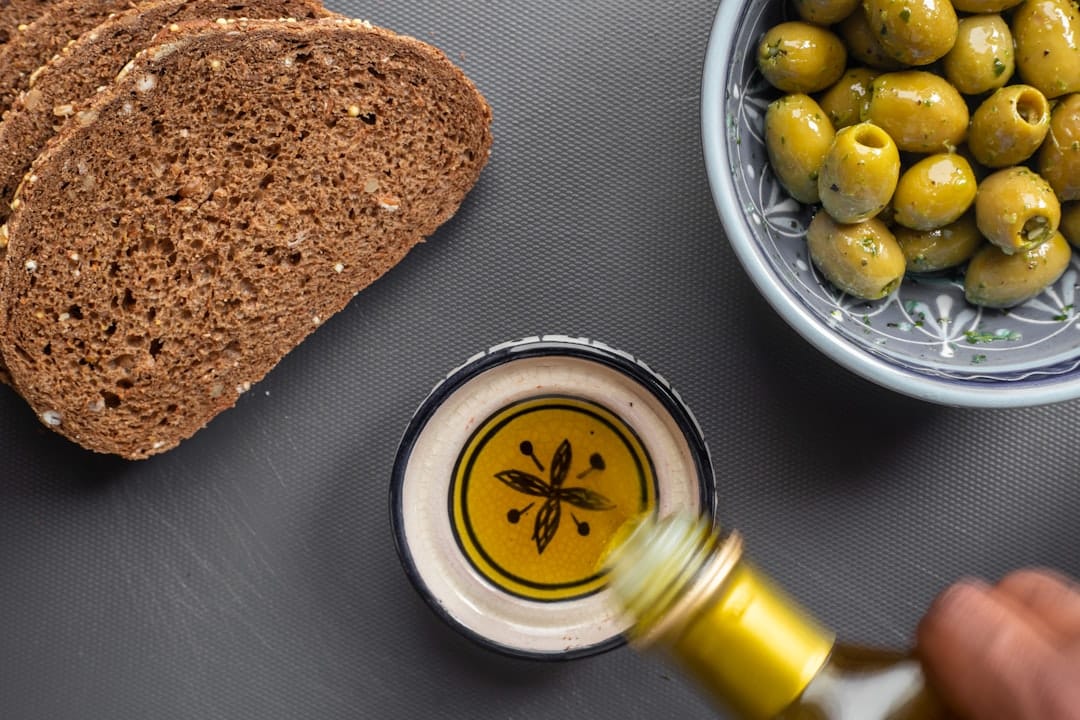
Cooking oil is one of the clearest dividing lines between a healthy dish and an unhealthy one. What matters is the balance of saturated versus unsaturated fat. Oils high in unsaturated fat, like olive oil and sunflower oil, are the friendlier pick. Those heavy in saturated fat, such as palm oil, lard, and butter, are the ones to use with a lighter hand.
Refining muddies things further. When oils are processed, they lose enzymes, vitamins, and fiber along the way, and partial hydrogenation, used to stretch shelf life, turns them into trans fats that do real long-term damage. Wherever you can, reach for unrefined, minimally processed ingredients. If you’re weighing everyday cooking fats, the trade-offs between ghee and butter are a useful case study in how the same food can look healthy or not depending on how it’s made and how much you use.
Nutrients Are the Real Difference
 Save
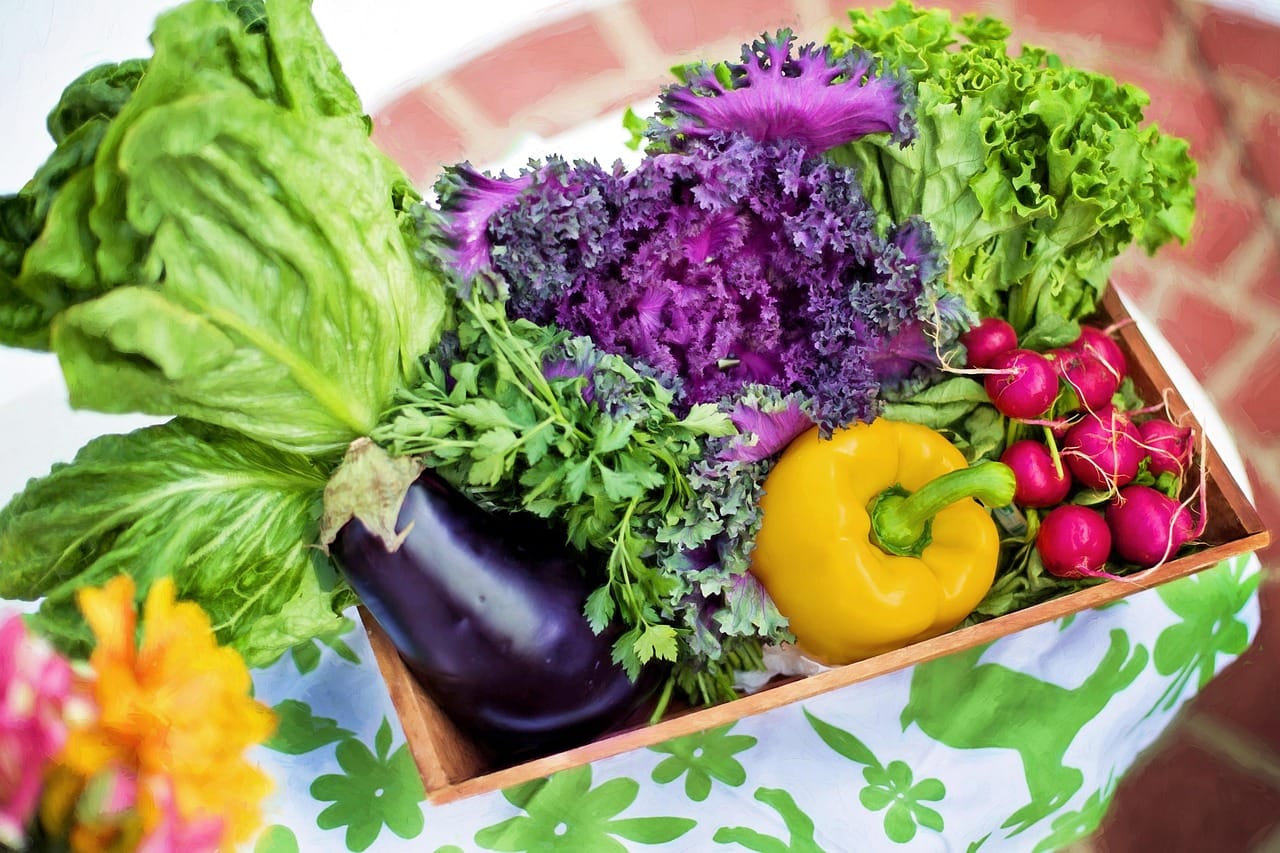
Here’s the thing junk food can’t fake: nutrient density. Leafy greens, dairy, nuts, fruit, eggs, fish, whole grains, and legumes carry calcium, potassium, fiber, and vitamin D, the raw materials your body needs to build, repair, and defend itself. Junk food brings calories to the table and almost none of that. Rely on it, and deficiencies creep in.
This isn’t a small or rare problem. The World Health Organization estimates more than two billion people worldwide fall short on key vitamins and minerals. Filling your plate with nutrient-rich food does double duty, feeding you well and lowering your risk of disease. Fast food pushes in the opposite direction, raising triglycerides, spiking blood sugar and blood pressure, and stacking the odds toward metabolic syndrome, type 2 diabetes, and heart trouble.
The Antioxidant Angle
Vegetables, fruits, and beans are also rich in antioxidants, the compounds that neutralize free radicals linked to cancer and cellular damage. Junk food offers little on this front. It’s one more reason a colorful plate beats a beige one.
Snacking Without the Regret
 Save
Snacks are where a lot of good intentions quietly fall apart. The fix is less about eating less and more about swapping smarter. Crunchy carrots or celery with a low-fat dip scratch the same itch as chips, minus the grease. A handful of nuts or some air-popped popcorn beats a processed alternative on nearly every measure.
A few easy trades:
Nuts or roasted chickpeas in place of potato chips
Fresh fruit instead of pastries or candy
Air-popped popcorn over buttered or packaged versions
Plain yogurt with berries rather than a sugary dessert cup
If you want ideas that go beyond snacking, these nourishing and light recipes show how everyday meals can stay satisfying without the heaviness.
What Junk Food Does Over Time
 Save
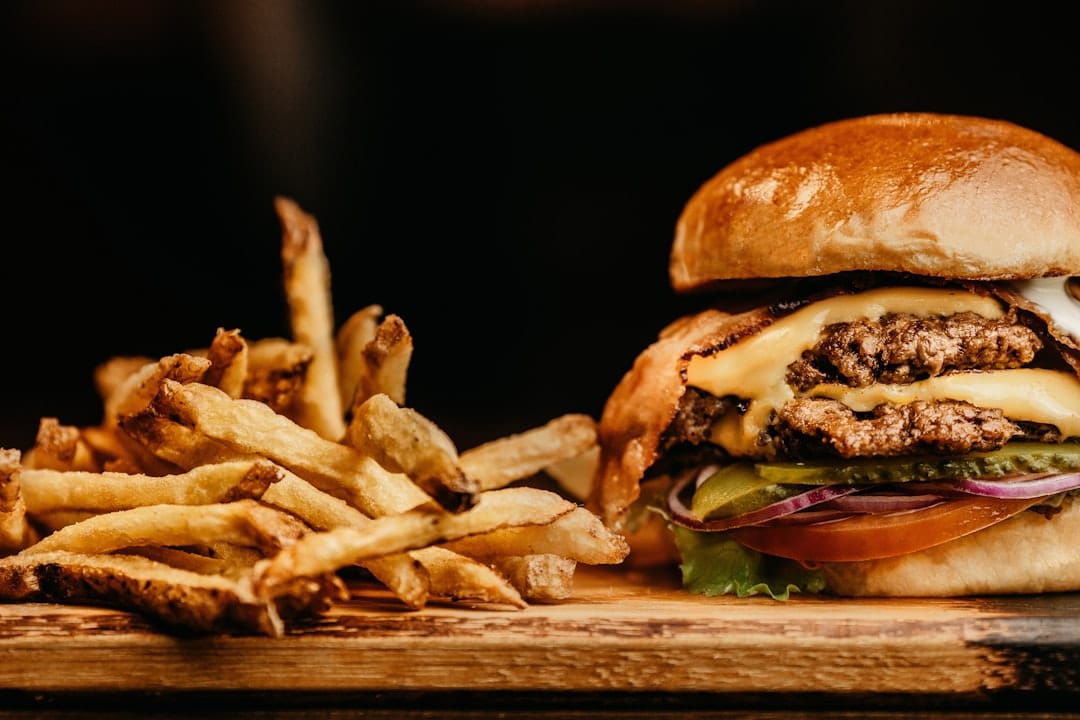
The combination of sugar and fat in junk food is genuinely hard to resist, and there’s a reason for that. That blend is tied to addictive-style eating, including a loss of control around food, and the more you eat, the stronger the cravings grow. Added sugars, high fats, and simple carbs quietly raise the risk of obesity and the chronic conditions that ride along with it.
Habits do shift, though. In one survey of more than 2,500 adults, roughly half described themselves as health-oriented eaters, and that group reined in their intake of artificial sweeteners, added sugar, and preservatives far more than the rest. The point is that “eating well” is a pattern you build, not a personality you’re born with.
Where healthy food earns its keep is in the payoff. Fiber releases energy slowly and keeps you full, which curbs overeating while supporting your gut, cholesterol, and blood sugar. Protein from lean meat and nuts supports brain function, and the antioxidants in produce, along with omega-3 fats, influence the hormones tied to mood and mental well-being. Because whole foods aren’t stripped and fried, they keep those nutrients intact.
Frequently Asked Questions
Is it okay to eat junk food occasionally?
Yes. An occasional treat won’t undo an otherwise balanced diet. Problems show up when processed, calorie-dense foods become the everyday default rather than the exception.
What makes a snack “healthy”?
A healthy snack gives you nutrients along with its calories, fiber, protein, or good fats, without a heavy load of added sugar, salt, or refined oil. Nuts, fresh vegetables, fruit, and air-popped popcorn all qualify.
Why is junk food so easy to overeat?
The engineered mix of sugar, fat, and salt triggers reward pathways in the brain and can blunt your sense of fullness, which drives cravings and makes it easy to keep reaching for more.
The Bottom Line
Healthy food and junk food aren’t separated by taste alone. They differ in the fats they carry, the nutrients they deliver, how heavily they’ve been processed, and what they do to your body over months and years. Whole foods give you fiber, antioxidants, protein, and vitamins that steady your energy and protect your health. Junk food mostly gives you calories and cravings. You don’t need a perfect diet, just a plate that leans, most of the time, toward the food that’s actually feeding you.
This article is for informational purposes only and is not a substitute for professional medical advice. Consult a qualified healthcare provider before making significant changes to your diet, especially if you have an existing health condition.