
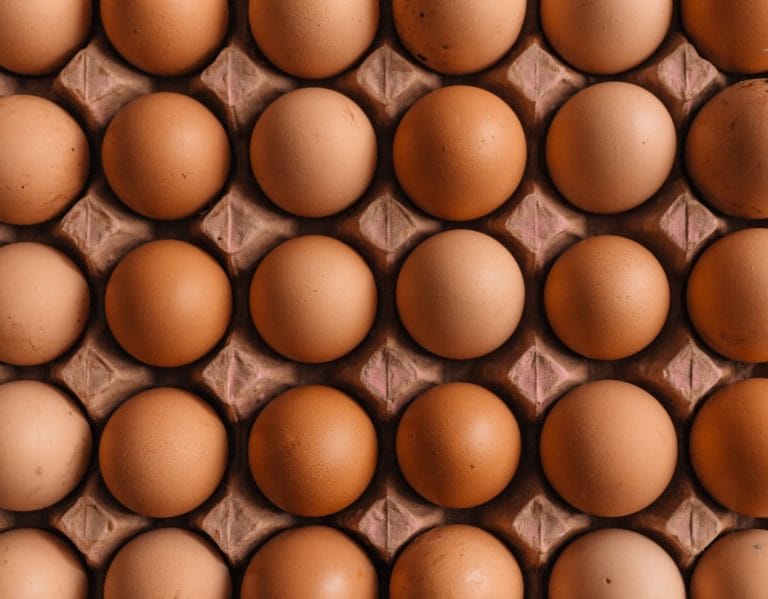
A bigger, richer egg with a creamy orange yolk, plus the honest fine print on cholesterol and safety.
Duck eggs have quietly moved from Southeast Asian kitchens onto restaurant menus and grocery shelves around the world, and it’s easy to see why. They’re larger than the average chicken egg, the yolk is deeper in color and far creamier, and a single one carries a generous dose of protein along with a handful of vitamins and minerals. If you’ve been curious about swapping in something new at breakfast, this is a good place to start.
Below you’ll find what’s actually inside a duck egg, the benefits research has looked at so far, how they stack up against the chicken eggs you already know, and the reasons some people should hold back.
Key Takeaways
– One duck egg has about 156 calories and a richer yolk than a chicken egg.
– Duck eggs supply more calcium, phosphorus, potassium, and sodium than chicken eggs.
– Early research points to antibacterial, bone-supporting, and antioxidant activity.
– Their larger yolk means more fat and cholesterol, so portions matter.
– Possible downsides include egg allergy, salmonella, and metal contamination, so cook them thoroughly.
What’s Packed Into a Single Duck Egg
A duck egg is a compact bundle of energy. One egg runs about 156 calories and delivers a solid amount of protein, along with omega-3 fats, several vitamins, and minerals. Because the yolk is proportionally bigger than a chicken egg’s, you get more of the fat-soluble nutrients that live in the yolk.
That density is part of the appeal. If you want a breakfast that keeps you going without a huge plate, a couple of duck eggs alongside some light, energizing meals you can rotate through the week can carry you comfortably to lunch.
The Health Perks Worth Knowing
Most of the research here is early, done in labs or in animals rather than large human trials, so read these as promising leads rather than settled promises.
Fighting off bacteria
Scientists isolated ovomucin, a protein found in duck egg whites, and tested it in the lab. It showed meaningful antibacterial activity against four types of bacteria. That’s an encouraging signal, though it will take more work to know what it means for people eating eggs at the table.
A possible edge against cancer cells
In one study, mice received an extract from the red yolk of duck eggs for 34 days. The extract appeared to slow the growth and spread of human cancer cells. It’s a narrow finding in animals, but it’s the kind of result that earns duck eggs a second look from researchers.
Support for stronger bones
 Save
SaveCalcium is one of the building blocks of healthy bone, and duck eggs carry more of it than chicken eggs do. When Wistar rats were given desalted duck egg whites for three weeks, they absorbed calcium at a higher rate. That hints at a role in bone health, at least in animals so far.
Antioxidant activity
 Save
SaveDuck eggs contain amino acids and carotenoids that contribute to antioxidant capacity. Curiously, one study found that salting the eggs increased their antioxidant activity significantly. If you already lean on other antioxidant-rich foods in your routine, duck eggs can sit comfortably in that camp.
A note on eye health
You’ll see claims that the higher lutein and zeaxanthin in duck eggs protect the eyes and lower the risk of age-related macular degeneration. This part is less settled. The idea is plausible given those compounds, but the direct research on duck eggs specifically is thin.
Duck Eggs vs Chicken Eggs
 Save
SaveNutritionally, duck eggs come out ahead on several minerals, according to USDA figures. Beyond the numbers, a few practical differences stand out:
Yolk — duck yolks are bigger, creamier, and more orange, while chicken yolks are paler.
Shell — duck eggshells are noticeably thicker, so crack them with a little more intent.
Shelf life — that thick shell also helps them keep longer than chicken eggs.
Price — their size and lower supply usually make them pricier than everyday chicken eggs.
Duck eggs also tend to be larger and cheaper than quail eggs, which are widely produced in smaller numbers. Quail eggs have their own nutritional strengths, so none of these is strictly “the best.” It depends on what you’re cooking and what your body tolerates.
Cooking With Duck Eggs
 Save
SavePoached, fried, or scrambled are the obvious routes, but duck eggs stretch much further than that. Across Cambodia, Thailand, and China, they’re often salted or pickled, which gives them a punchy, savory character worth trying if you like bold flavor.
Bakers love them for a reason. The creamy texture, higher fat, and lower water content make cakes and pies more moist and tender. For something lighter, fold a chopped duck egg into a salad or pile it onto a sandwich when you don’t feel like standing over the stove. The bigger yolk means richer results almost anywhere you’d normally use an egg.
Who Should Be Careful
Eggs of all kinds are among the most common food allergens, especially for infants and young children. Duck eggs are no exception. If you notice vomiting or diarrhea after eating them, that can signal an allergic reaction, and it’s worth seeing a doctor rather than pushing through.
Two safety issues deserve real attention. Duck eggs have been tied to salmonella, a bacterial infection that causes diarrhea and fever. England and Ireland traced a large 2010 outbreak directly to duck egg consumption, which is exactly why thorough cleaning and full cooking matter so much here. Separately, a study of two hundred duck eggs from farms in Thailand found high levels of copper and lead in the yolks, so sourcing from a reputable farm is a sensible habit. As with most foods, more isn’t automatically better, and duck eggs prove the point.
There’s also the cholesterol question. A larger egg means a larger yolk, and that translates to more fat and cholesterol than a chicken egg. For most healthy adults, two duck eggs a day is reasonable. People living with diabetes or cardiovascular disease should be more conservative and cap intake at around three duck eggs per week.
Frequently Asked Questions
Are duck eggs safe to eat every day?
For most healthy people, yes, in moderation. Two a day is a common guideline. If you have diabetes or heart disease, limit yourself to roughly three per week because of the higher fat and cholesterol.
Do duck eggs taste very different from chicken eggs?
They’re richer and creamier thanks to the larger, higher-fat yolk. Many people find them slightly more savory, which is part of why they shine in baking.
Can someone with an egg allergy eat duck eggs?
Generally no. Egg is a common allergen, and reacting to one type of egg often means you may react to others. If you have a known egg allergy, avoid them unless your doctor advises otherwise.
The Bottom Line
Duck eggs are a nutrient-dense, satisfying alternative to chicken eggs, with more of several key minerals and a yolk that makes both breakfasts and baked goods better. The early research on their antibacterial, bone, and antioxidant effects is genuinely interesting, even if it isn’t the final word. Balance that against the real cautions: cook them fully to avoid salmonella, buy from a trustworthy source, and keep portions modest if you’re managing diabetes or heart disease. Treated with a little respect, they’re a worthwhile addition to the rotation.
This article is for informational purposes only and is not a substitute for professional medical advice. Talk to a qualified healthcare provider before making significant changes to your diet, especially if you have an existing health condition or food allergy.