
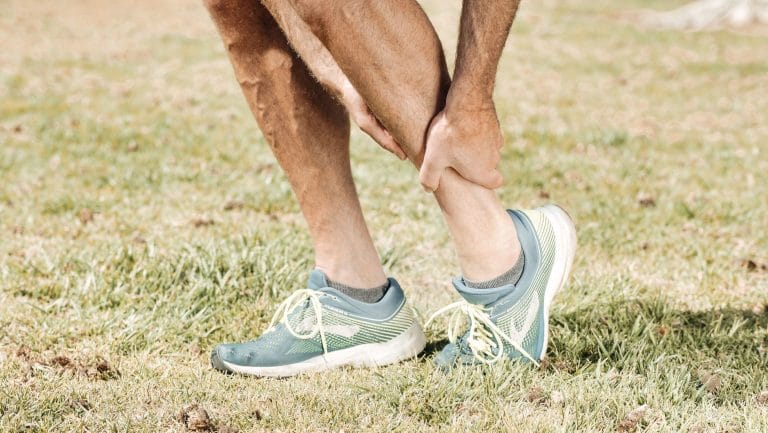
Simple, kitchen-friendly remedies to ease painful calf and leg cramps fast.
There are few things more jarring than waking up to a calf that has seized into a hard, painful knot. That sudden, involuntary muscle spasm has a curious nickname: the charley horse. Nobody knows exactly where the term came from, though one popular story credits a baseball pitcher named Charley Radbourne, nicknamed “Old Hoss,” who reportedly cramped up during a game.
Whatever you call it, a charley horse is simply a painful muscle contraction that most often strikes the legs and calves, frequently at night. The good news is that many gentle, natural approaches can help you find relief and lower the odds of the next one. Below, we walk through what causes these cramps and the home remedies worth trying.
Key Takeaways
– A charley horse is a sudden, painful spasm that commonly hits the calf muscles, especially at night.
– Triggers include mineral deficiencies, dehydration, poor circulation, muscle overuse, and injury.
– Stretching, massaging, and applying heat or cold can bring quick relief in the moment.
– Remedies like pickle juice, an Epsom salt soak, and foot massage may ease and shorten cramps.
– Staying hydrated and stretching before bed are simple, effective prevention habits.
What Is a Charley Horse?
A charley horse is another name for a muscle spasm marked by an uncomfortable, uncontrolled contraction. It usually settles in the legs, and most often it’s the calf muscles that seize up, particularly during sleep. When the spasm lingers for many seconds, it can produce sharp, intense pain. In most people, these episodes are brief and infrequent, but when they happen often, they can point to something worth investigating.
Signs and Symptoms
The most common symptoms include a muscle that tightens, hurts, and contracts on its own. These spasms are usually short-lived, but they can occasionally stretch on for several minutes, and prolonged cramping tends to be quite painful. If cramps become frequent or severe, a doctor can help. Diagnosis typically starts with a discussion of your symptoms and medical history, followed by a physical exam, and sometimes blood tests or an MRI if an underlying condition is suspected.
What Causes a Charley Horse?
Several factors can set off a cramp, including:
Poor blood flow to the muscles
Muscle injuries or overuse of specific muscles
Exercising in extreme heat or cold, or skipping a warm-up
Stress, especially in the neck muscles
A compressed nerve in the spine
Diuretic use, which can lower potassium levels
Low blood levels of minerals such as sodium, potassium, and calcium
Altered blood pH and dehydration
Certain conditions, including diabetes, multiple sclerosis, and cirrhosis, can also trigger leg cramps. Nighttime episodes, known as nocturnal leg cramps, are especially common in people over 60. Their exact cause isn’t always clear, but prolonged standing, physically demanding days, electrolyte imbalances, neurological or hormonal issues, and even conditions like heart failure, sleep apnea, and depression may play a role.
Risk Factors
You may be more prone to a charley horse if you play sports, are very young or older, carry excess weight, take medications like diuretics or statins, or smoke tobacco.
What to Do the Moment a Cramp Hits
When a leg cramp strikes, a few quick actions can ease it:
Gently stretch and massage the cramped muscle; foam rolling can help too.
For a calf cramp, put your weight on the affected leg and bend your knee slightly.
If standing isn’t possible, sit down and stretch the leg out.
Follow up with a heat or cold compress on the tender muscle.
These steps offer relief but aren’t lasting fixes. For that, try one or more of the natural remedies below.
Home Remedies to Stop a Charley Horse
Foot Massage and Stretching
 Save
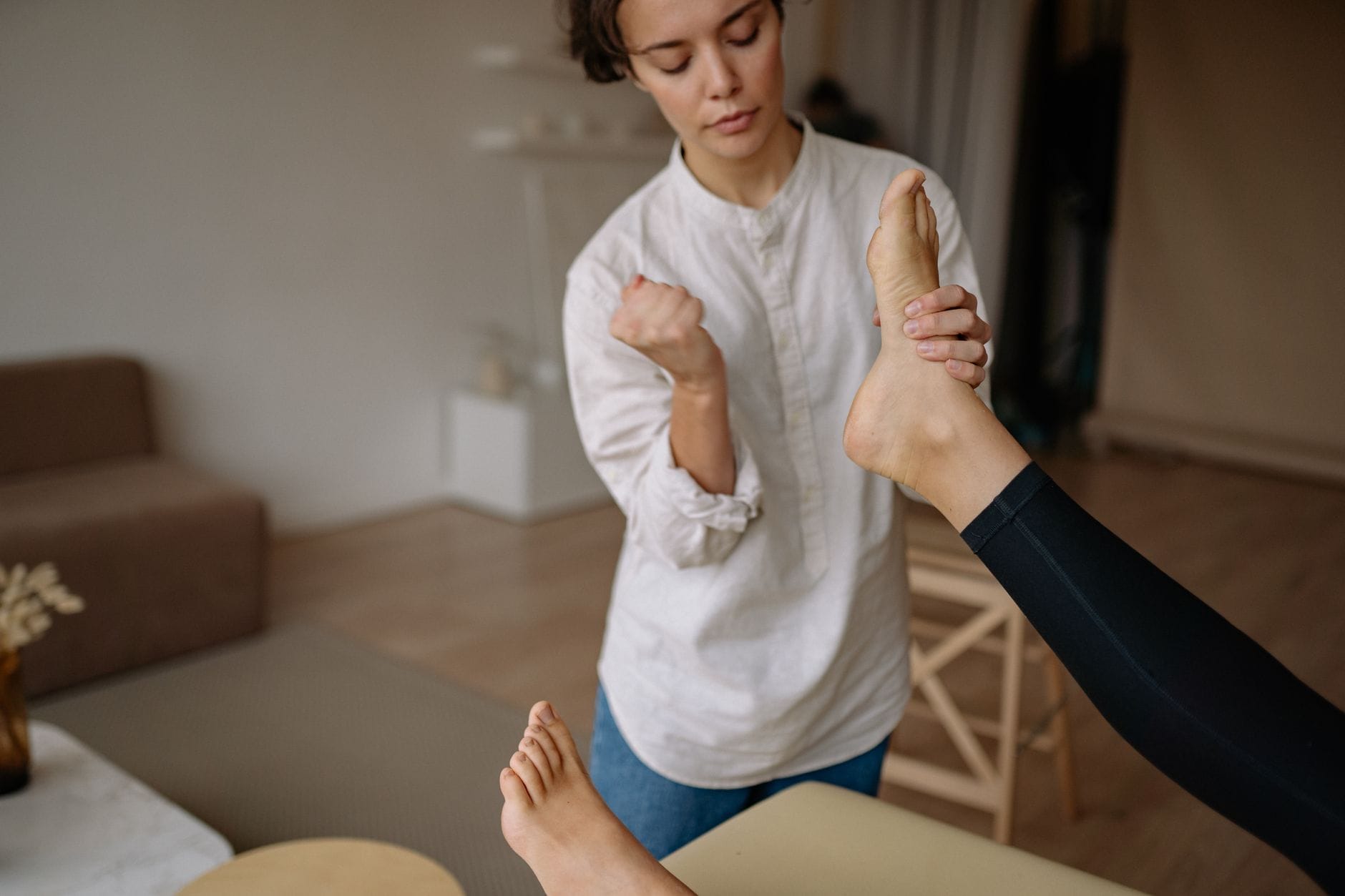
SaveStretch the affected leg as far as is comfortable and flex your foot toward your knee. You can also gently pull your toes toward your knee. Massage the muscle, with or without a little coconut or olive oil, then take a warm bath. Stretching and massaging relaxes the muscle and boosts blood flow to the area for fast relief.
Pickle Juice and Electrolytes
 Save
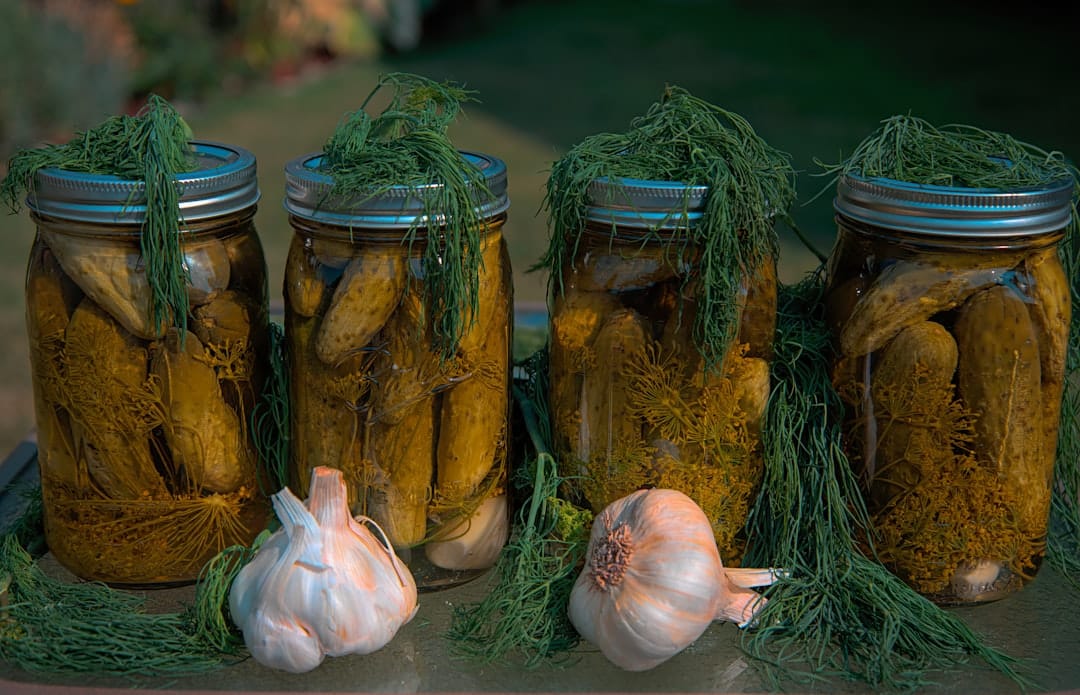
SaveSipping 2 to 3 ounces of pickle juice is a well-known cramp remedy. Pickle juice supplies minerals like potassium, sodium, magnesium, and calcium, and low levels of these electrolytes can drive cramping. Interestingly, research in Medicine & Science in Sports & Exercise found that pickle juice shortened electrically induced cramps in dehydrated men by roughly 49 seconds compared with water, likely through a reflex triggered in the mouth and throat rather than by rehydrating. The study was small, so more research is needed.
Epsom Salt Bath
 Save
SaveBecause magnesium deficiency can contribute to recurring cramps, an Epsom salt soak may help. Add a cup of Epsom salt to a tub of warm water and soak for 15 to 20 minutes, once daily or every other day. The magnesium may help ease inflammation and relax the muscle.
Heat, Ice, and Other Kitchen Helpers
A warm compress relaxes a tight muscle, while ice can dull the pain of an acute cramp. Many people also reach for pantry staples such as apple cider vinegar, turmeric blended with coconut oil, cinnamon, honey, and a pinch of baking soda, or use vitamins and essential oils like lavender in a soothing massage. Some even tuck a bar of soap under the sheets, a folk remedy passed around for nighttime cramps.
When to Seek Medical Help
Occasional cramps are usually harmless, but see a doctor if cramps are frequent, severe, don’t improve with self-care, or come with swelling, redness, or muscle weakness. These may signal an underlying issue that needs treatment.
Prevention Tips for Leg Cramps
 Save
SaveSmall daily habits go a long way. Drink plenty of water, eat foods rich in potassium, magnesium, and calcium, and gently stretch your calves before bed. Warm up before exercise, avoid overworking tired muscles, and consider a warm bath in the evening to keep your muscles loose.
Frequently Asked Questions
How long does a charley horse last?
Most cramps ease within seconds to a few minutes and rarely last longer than about 10 minutes, though the muscle may feel sore afterward.
Can dehydration cause leg cramps?
Yes. Low fluid levels and the electrolyte imbalances that come with dehydration are common cramp triggers, which is why staying well-hydrated helps.
Are nighttime leg cramps a sign of something serious?
Usually not, but frequent nocturnal cramps, especially in older adults, can be linked to conditions like electrolyte imbalances or circulation issues, so mention them to your doctor.
The Bottom Line
A charley horse is painful but rarely dangerous, and most episodes respond well to simple at-home care. Stretching, massage, heat or cold, and mineral-rich helpers like pickle juice or an Epsom salt bath can calm a cramp and shorten its stay. Pair these with good hydration, a balanced intake of key minerals, and a gentle pre-bed stretch, and you’ll give your muscles their best shot at staying relaxed. If cramps become frequent or severe, check in with a healthcare provider.
This article is for informational purposes only and is not a substitute for professional medical advice. Always consult a qualified healthcare provider about any medical condition or before starting a new remedy.