
When digestion stalls, what you eat stops being a background detail and becomes the main treatment.
Most of us never think about how long food sits in the stomach. It goes in, the muscles squeeze it along, and a few hours later it has moved on. Gastroparesis breaks that quiet rhythm. The stomach muscles weaken, food lingers far longer than it should, and the result is nausea, bloating, abdominal pain, vomiting, and the strange sensation of feeling stuffed after three bites of dinner.
It’s an uncommon condition, and a frustrating one to pin down. The symptoms look a lot like other gut problems, medication options are thin, and there is no single meal plan that works for everyone. What does help, reliably, is changing the food itself: softer, lower in fiber, lower in fat, arriving in smaller amounts. That’s the whole idea behind a gastroparesis diet.
Key Takeaways
– Gastroparesis means the stomach empties too slowly, causing nausea, bloating, early fullness, and pain.
– The diet moves through three phases: liquids only for a few days, then soft low-fiber foods, then a careful return to fiber and solids.
– Fatty, fried, spicy, and acidic foods tend to worsen symptoms; mild sweet, salty, and bitter flavors are usually better tolerated.
– Cruciferous vegetables, full-fat dairy, and tough cuts of meat are the usual foods to leave out.
– Because the diet is restrictive, working with a registered dietitian protects you from nutrient gaps and calorie shortfalls.
What Gastroparesis Actually Is
The clinical name is gastric stasis, and the mechanism is straightforward even if the cause often isn’t. The stomach’s muscular contractions lose strength, so the gastric passage doesn’t empty on schedule. Food sits. Pressure builds. You get abdominal pain, nausea, vomiting, bloating, and early satiety, which is the medical way of saying you feel full after a small amount of food and can’t finish a normal meal.
Mary Sabat, a Registered Dietitian Nutritionist, points to a wide range of triggers: “Gastroparesis can be caused by various factors, including diabetes, neurological conditions, post-surgical complications, viral infections, and certain medications. It can lead to malnutrition and make it challenging for individuals to maintain a healthy weight and lifestyle.”
Diagnosis is genuinely tricky. The symptom picture overlaps heavily with epigastric pain syndrome and irritable bowel syndrome, so people often spend a while being treated for something else first. The condition is more likely to occur in people with long-term medical conditions like diabetes, and it can also develop in people with tumors of the upper gastrointestinal tract.
One study published in the American Gastroenterology Association Journal put it at roughly 268 per 100,000 US adults. Most of those people were also living with other chronic conditions, diabetes and peripheral vascular disease among them.
Why Diet Does the Heavy Lifting
Treatment usually comes down to two levers: food and medication. The medication lever is short. The drugs that speed up stomach emptying are limited in number and some carry serious side effects, which is a real problem, because the symptoms are miserable enough that people are often willing to try newer drugs anyway.
That risk of side effects is why food ends up carrying most of the weight, and it can be adjusted in small increments as your body tells you what it can handle. The catch is that adjusting is not a one-time job. The diet has to be monitored and re-tuned rather than set and forgotten.
Research has sketched out the broad strokes. Fatty, spicy, and acidic foods tend to aggravate symptoms. Gluten-free items, tea, and white rice tend to ease them. Mild flavors, sweet, salty, and bitter, are usually tolerated better than sharp ones.
There’s a nutrition problem hiding underneath all of this. Early satiety and nausea can leave you dehydrated and malnourished. So the diet has a second job beyond symptom control: getting enough nutrients in through a very narrow door.
The Three Phases
 Save
The structure works in stages, each one giving the stomach a chance to settle before asking more of it.
Phase I, Liquids Only
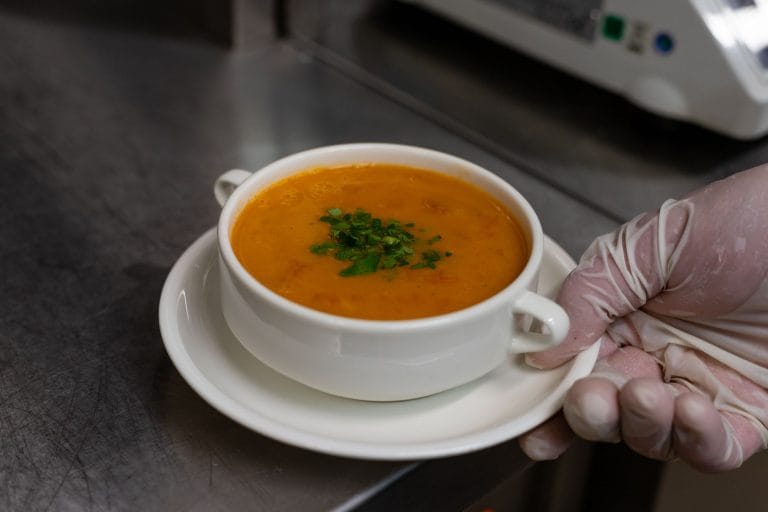
For one to three days, you drink rather than chew. Plain water, tea, low-fat soups, and thin juices. Plain white crackers are allowed if hunger gets uncomfortable. The goal is simply to take the load off a stomach that can’t handle much.
This phase often has its own internal steps:
Clear liquids — water, broth, pulp-free fruit juices, clear sodas. These move through with minimal effort and are the starting point when symptoms are severe.
Full liquids — thicker options come back in: milk, yogurt, pulp-free juices, soups, protein shakes.
Pureed foods — if you’re tolerating the liquids well, pureed or mashed foods join the list.
Phase II, Soft Foods
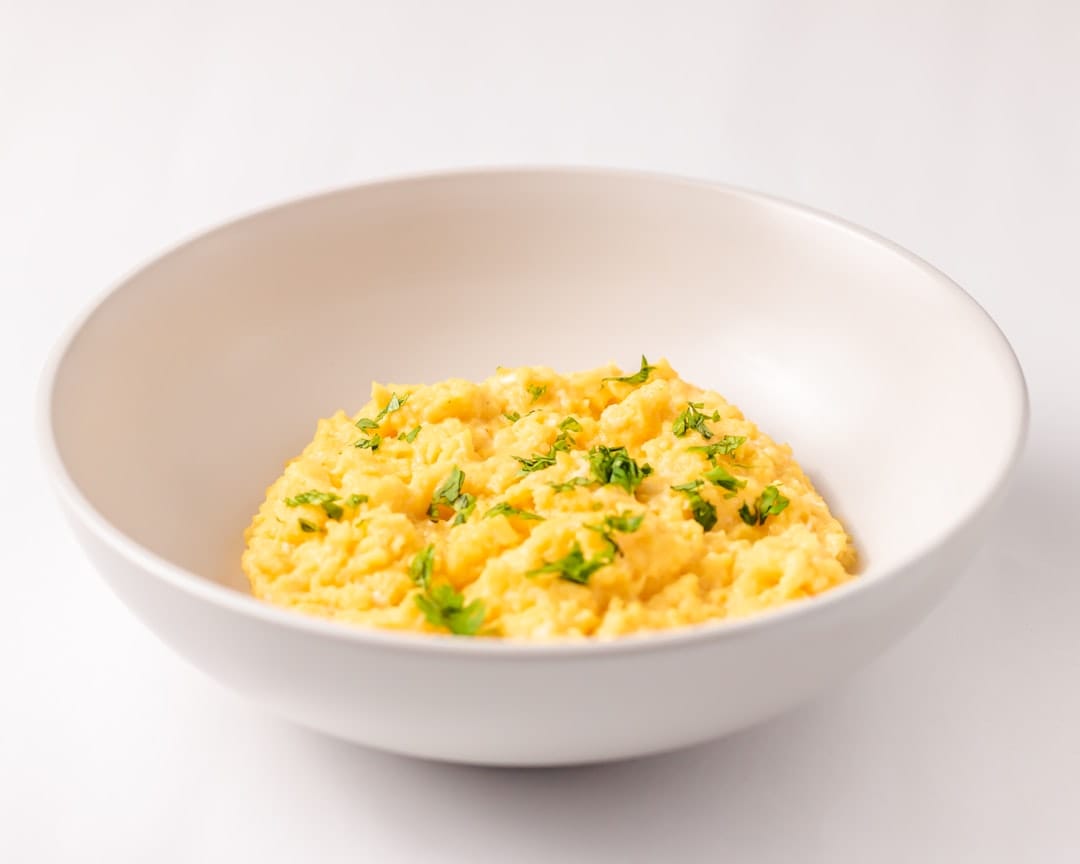
Now you chew, but gently. Well-cooked white pasta, scrambled eggs, oatmeal, cooked cereal, white bread. Canned low-fiber vegetables and fruits work, as do fresh ones that have been peeled, cooked, and pureed. Whole grains, raw vegetables, and raw fruit stay off the table, since high-fiber foods are the ones a sluggish stomach struggles with most.
Phase III, Building Tolerance
 Save
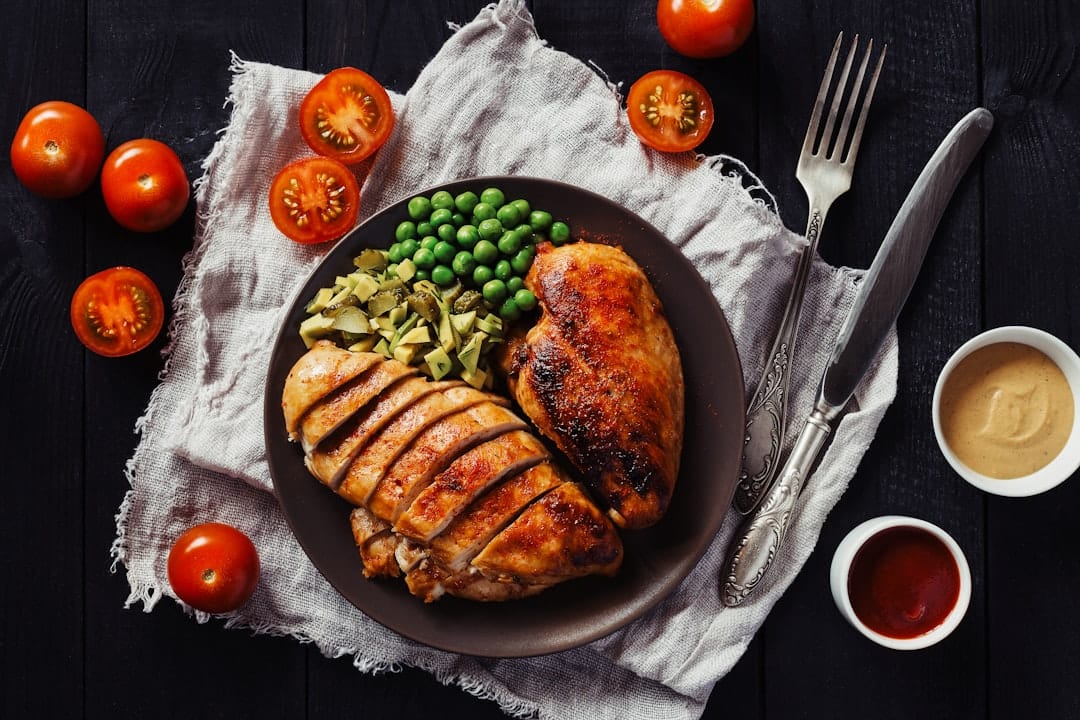
Fiber comes back slowly, and solid foods return alongside it. This phase is an experiment: add something, watch what happens, and keep it or drop it. If symptoms flare, you go back to Phase II and try again later. Depending on how severe your condition is, a dietitian may adjust the solid-food stage for long-term management of your symptoms.
Foods That Tend to Sit Well
 Save
The pattern is easy to remember once you see it. Soft, cooked, low in fiber, low in fat.
White rice and well-cooked white pasta
White bread and plain crackers
Scrambled eggs
Oatmeal and cooked cereals
Low-fat soups and broths
Thin juices without pulp
Canned or peeled, cooked, and pureed fruits and vegetables
Tea
Gluten-free items, which some people find easier
What to Leave Off the Plate
 Save
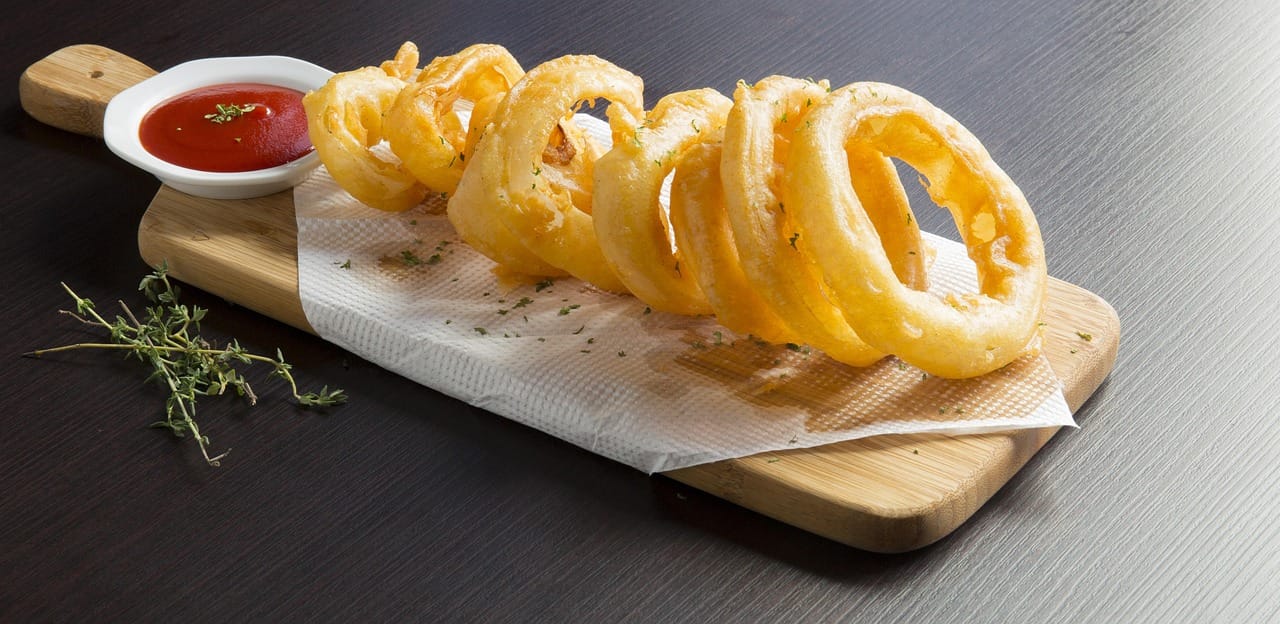
The exclusions follow the same logic in reverse. Anything that’s fibrous, fatty, or sharply flavored asks the stomach to work harder than it can.
High-fiber cruciferous vegetables are the classic offenders, along with whole grains and raw produce of most kinds. Full-fat dairy and fried foods are on the list too, since the whole plan keeps fat low. Tough cuts of meat take more breaking down than a weakened stomach manages easily, and spicy and acidic foods are among the triggers studies have linked to worse symptoms.
Tracking Your Symptoms and Getting Help
Keep a simple food and symptom log. Since there’s no universal plan, your own record becomes the plan. Note what you ate, how much, and how you felt for the next few hours.
And get professional help with this if you can. Most medical professionals recommend working with a certified dietitian, who can profile your symptoms properly and work out the nutrients you actually need. The restrictions are real, and nutrient deficiencies and calorie deficits are the known downside of this diet, not a hypothetical one.
Frequently Asked Questions
Is the gastroparesis diet meant to be permanent?
It’s described as a short-term diet, and the strict early phases are the shortest part of it: Phase I lasts only one to three days. Phase III is where most people settle, and depending on the severity of the condition, a dietitian may adjust that solid-food stage for longer-term management of symptoms.
Can a healthy person try this diet?
No, and there’s no reason to. It’s designed for people with gastroparesis, and it’s restrictive enough that healthy people risk nutrient deficiencies and calorie deficits for no benefit at all.
Why is fiber restricted when it’s usually good for digestion?
High-fiber foods are harder to digest, which is why they’re kept low while your stomach is emptying too slowly. Whole grains, raw vegetables, and cruciferous vegetables come out first, and fiber is added back only gradually in Phase III, with your symptoms as the guide.
The Bottom Line
Gastroparesis puts food at the center of treatment in a way that few conditions do. With limited medication options, what you eat and how you eat it becomes the main tool you have. The three-phase structure gives you a starting point: rest the stomach with liquids, rebuild with soft low-fiber foods, then carefully find out what your body will tolerate.
There’s no universal version of this plan, which is the frustrating part and also the honest part. Two people with the same diagnosis can end up eating quite differently. Track what happens, adjust as you go, and get a dietitian involved so the restrictions don’t quietly turn into malnutrition. With proper adherence and nutrition awareness, this condition is manageable.
This article is for informational purposes only and is not a substitute for professional medical advice, diagnosis, or treatment. Always consult your doctor or a qualified healthcare provider with any questions about a medical condition or before making changes to your diet.