
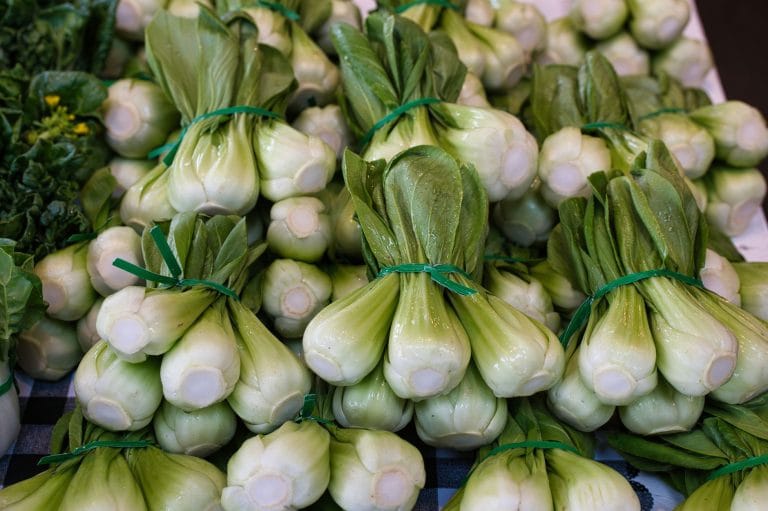
A humble Chinese cabbage that punches above its calorie count.
Bok choy (Brassica rapa), sometimes labeled pak choi at the market, is one of those vegetables that looks unassuming and delivers quietly. Its spoon-shaped stalks and dark green leaves show up in stir-fries and soups across Chinese cooking, but the reason nutritionists keep talking about it has less to do with flavor and more to do with what’s packed inside each crisp bite.
It belongs to the cruciferous family, the same group as broccoli and kale, and that lineage comes with a reputation. Regular servings have been tied to steadier bones, a calmer inflammatory response, and support for the heart and eyes. None of it is magic, and a few cautions apply, but the science behind this leafy green is worth a closer look.
Key Takeaways
– Bok choy is a cruciferous vegetable rich in vitamin K, calcium, vitamin C, folate, and carotenoids like lutein and zeaxanthin.
– Its glucosinolates and phytochemicals have been linked in research to a lower risk of several cancers.
– The vitamin K and mineral profile support bone density, while potassium may help blunt sodium’s effect on blood pressure.
– Lutein, zeaxanthin, and vitamin A back eye health and may lower age-related macular degeneration risk.
– Eaten in large amounts raw, it can interfere with iodine uptake, so people with thyroid concerns or on blood thinners should check with a doctor.
A Quick Look at What’s Inside Bok Choy
 Save
For something so low in calories, bok choy carries a surprising nutrient load. According to USDA data, it supplies vitamin K, calcium, magnesium, iron, zinc, and phosphorus, along with vitamin C, folate, and vitamin A. That combination is what drives most of its reported benefits.
Vitamin K stands out. It plays a direct role in bone mineral density, and the same mineral team (calcium, magnesium, iron, zinc) supports the structural side of bone health. The greens also hold choline, which contributes to brain development, muscle control, and memory, plus flavonoids such as quercetin that carry anti-inflammatory activity.
If you already lean on nutrient-dense staples for their mineral content, bok choy fits the same slot as something like what a daily habit of carrots does for your body, only with a stronger vitamin K showing.
How Bok Choy Supports Your Bones
 Save
This is where bok choy earns its keep. A study in postmenopausal women found that eating more cruciferous vegetables was associated with less bone turnover and reduced calcium loss through urine, both good signs for anyone worried about thinning bones.
Vitamin K does double duty here: research links adequate intake to higher bone mineral density and lower fracture rates. The recommended daily amount sits around 90 micrograms for women and 120 micrograms for men. Falling short on iron and zinc, meanwhile, has been connected to osteoporosis and collagen breakdown, and bok choy quietly covers both minerals.
Heart Health and Blood Pressure
Leafy and cruciferous vegetables have shown up repeatedly in cardiovascular research. One body of studies pointed to a roughly 16% lower incidence of heart disease among people eating plenty of them.
Part of the story is the folate and vitamin B6 in bok choy, which help keep homocysteine in check. Elevated homocysteine can irritate artery walls and feed plaque buildup, so keeping it low is a reasonable goal, though researchers are still confirming how much any single vegetable contributes.
Blood pressure is the other angle. Potassium helps the body handle sodium, and a well-known study found that around 4,700 milligrams of potassium daily lowered blood pressure in people eating high-sodium diets. Work out of the University of London also suggested potassium blunts some of the vascular damage sodium can cause. Bok choy won’t hit those numbers alone, but it adds to the tally.
The Antioxidant Angle for Eyes and Skin
 Save
Bok choy carries lutein and zeaxanthin, two fat-soluble carotenoids that concentrate in the eye and are tied to a lower risk of age-related macular degeneration. Its vitamin A rounds out the eye-health picture.
The same antioxidant story reaches the skin. Vitamin C supports collagen production and helps neutralize free radicals, which may soften the appearance of fine lines over time. The evidence here is thinner, and dermatologists note that topical vitamin C tends to outperform the eaten kind for skin specifically, so treat this as a bonus rather than a reason to eat it.
For anyone building meals around antioxidant-rich produce, bok choy sits comfortably alongside options like a glass of celery juice.
Cancer Risk, Inflammation, and Immunity
Cruciferous vegetables contain sulfur-based compounds called glucosinolates, plus a phytochemical called brassinin, both studied for their ability to slow the transformation of healthy cells into cancerous ones. High intake of this vegetable group has been associated with lower rates of colon and lung cancer, and eating them at least weekly has been linked to reduced risk of prostate, pancreatic, ovarian, liver, and stomach cancers. This is population-level evidence, not a guarantee, but it’s consistent.
The anti-inflammatory side comes from those same glucosinolates, which may switch on enzymes that dampen inflammation, plus quercetin and other antioxidants that lower oxidative stress. Vitamin C ties into immunity too, stimulating white blood cells and supporting the body’s defense against infection. If you like stacking nutrient-dense foods for their protective compounds, bok choy pairs naturally with something like the science-backed reasons to eat more walnuts.
It’s also a solid folate source, which matters during pregnancy: adequate folic acid (around 600 micrograms daily is advised) helps guard against neural tube defects such as spina bifida.
Adding It to Your Plate
 Save
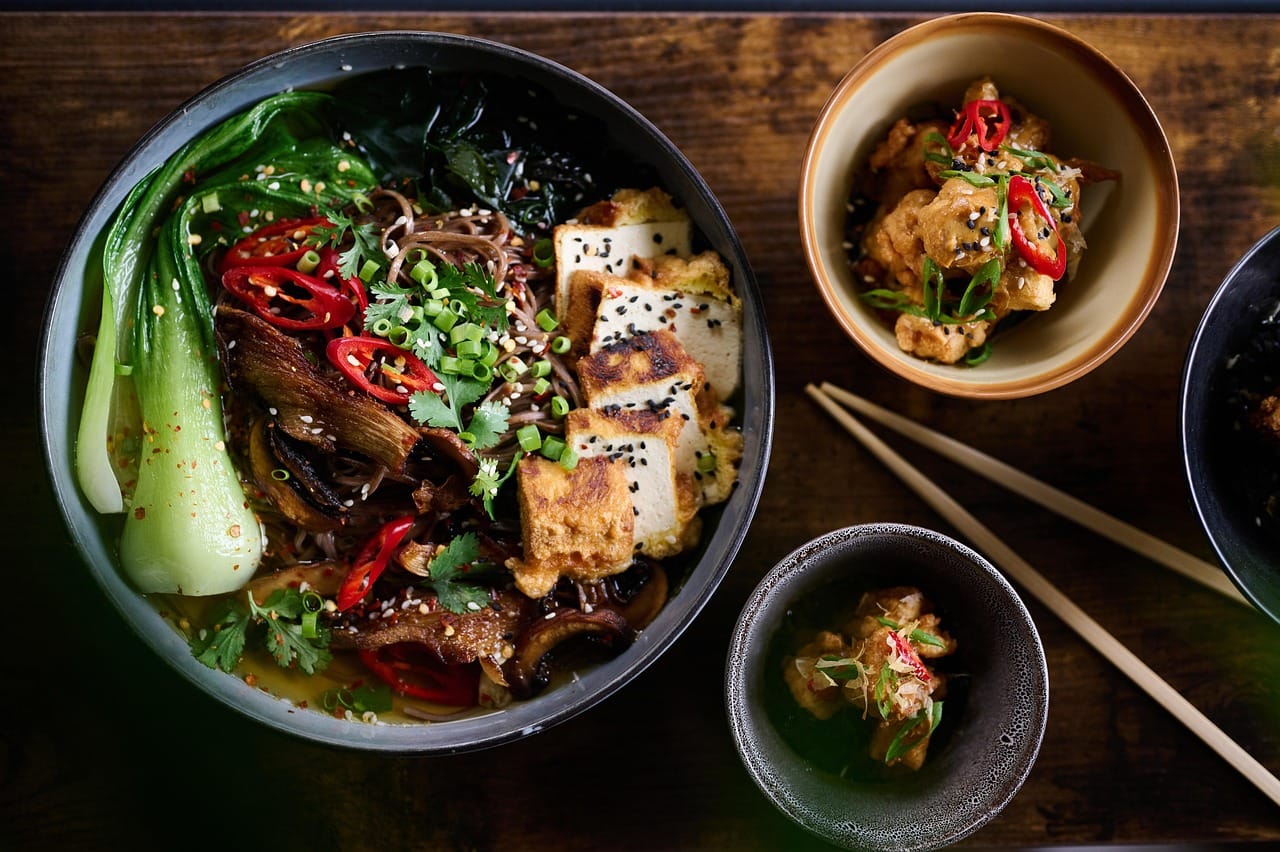
The good news is that bok choy is forgiving in the kitchen. A cup of loosely packed, chopped leaves most days is a sensible amount.
Stir-fries — toss the stalks in first, then the leaves, since the stems need a minute longer.
Soups — it holds up in broths without turning to mush.
Salads — shred it raw for crunch, ideally in modest amounts.
Smoothies — a small handful blends in without overpowering the flavor.
Cooking it lightly is the smarter default if you eat it often, for reasons that come down to the thyroid.
When to Be Careful
Two cautions are worth keeping in mind. First, like other cruciferous vegetables, raw bok choy in large quantities can interfere with iodine absorption and, over time, affect thyroid function. Selenium in the plant may nudge thyroid health in a good direction, but the amount is small, and the raw-vegetable effect can cut the other way. If you have a thyroid condition, cook it and talk to your doctor.
Second, bok choy is high in vitamin K, which affects blood clotting. Anyone taking blood-thinning medication should keep their intake steady and consistent rather than swinging between none and a lot, and should loop in their physician.
Frequently Asked Questions
Can I eat bok choy every day?
For most people, yes. About a cup of chopped bok choy daily is reasonable. If you eat it in large amounts, favor cooked over raw to limit the effect on iodine and thyroid function.
Is bok choy better raw or cooked?
Both work. Raw keeps more vitamin C and offers crunch, while light cooking reduces the compounds that can interfere with iodine uptake. Rotating between the two is a fine approach for most kitchens.
Who should avoid bok choy?
People on blood thinners need to watch their vitamin K intake and keep it consistent, and anyone with a thyroid disorder should be cautious with large raw servings. Both groups should check with a healthcare provider.
The Bottom Line
Bok choy is an easy, low-calorie way to add vitamin K, calcium, folate, and protective plant compounds to your meals. The research connects it to healthier bones, a lower risk of heart disease and certain cancers, better eye health, and a calmer inflammatory response. It isn’t a cure for anything, and a couple of real cautions apply around thyroid function and blood thinners, but as a regular vegetable on the plate it more than earns its spot. Cook it lightly, keep portions sensible, and let it do its quiet work.
This article is for informational purposes only and is not a substitute for professional medical advice. Consult your doctor or a registered dietitian before making significant changes to your diet, especially if you have a thyroid condition or take blood-thinning medication.