
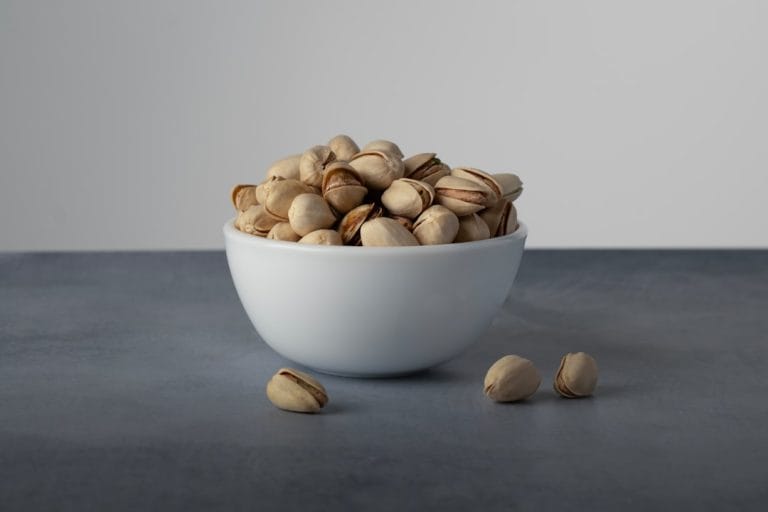
A daily handful may do more for your heart, gut, and waistline than you’d expect.
Pistachios have been snacked on for centuries, and modern research keeps adding reasons to keep them around. Inside that pale shell sits a dense little package of fiber, protein, healthy fats, and a surprising array of vitamins and minerals.
Studies have connected regular pistachio eating to easier weight management, a healthier gut, lower cholesterol, and steadier blood sugar. Here is what the evidence actually shows, plus how much to eat and when to ease off.
Key Takeaways
– Pistachios feed beneficial gut bacteria that produce butyrate, a short-chain fatty acid linked to colon health.
– In a 12-week trial, dieters who snacked on pistachios lost more weight than those who snacked on pretzels.
– Two servings a day significantly lowered total and LDL cholesterol in people with elevated levels.
– A sensible daily serving is about 1 ounce, roughly 49 kernels.
– Eating too many can cause stomach aches, diarrhea, and unwanted weight gain.
What Makes Pistachios Stand Out
A 28-gram serving delivers meaningful amounts of fiber, protein, potassium, zinc, phosphorus, vitamin B6, and manganese. That alone would make them a solid snack choice.
What sets them apart, though, is their antioxidant content. Among all nuts, pistachios contain the highest levels of these protective compounds, which help defend the body against oxidative stress. Their antioxidants have also been tied to protection against age-related macular degeneration, so your eyes may thank you later too.
A Smarter Snack for Weight Loss
 Save
A high-fat nut sounds like an odd weight-loss ally, but the research is genuinely encouraging.
The fiber in pistachios promotes fullness, which makes it easier to eat less without feeling deprived. Their protein works along the same lines: it curbs hunger, raises thermogenesis (the calorie-burning heat production in your body), and supports muscle protein synthesis. Since muscle burns more calories at rest than fat does, holding onto lean mass helps your metabolism over the long run.
The clinical evidence backs this up. In a 12-week study published in the Journal of the American College of Nutrition, people on calorie-reduced diets snacked on either pistachios or pretzels. Both groups lost weight, but the pistachio group lost more, and their triglyceride levels came out significantly lower. Longer-term research has also linked nut consumption to a slimmer waistline over time.
Two more details make pistachios friendlier than their calorie count suggests. First, the body doesn’t fully absorb their fat. Second, the shells themselves seem to slow you down. In a study of 140 students, those given in-shell pistachios ate an average of 125 calories per sitting versus 211 for those given shelled kernels, a 41% difference, yet both groups reported feeling equally satisfied. Cracking each shell apparently builds in a natural pause.
What Can Pistachios Do for Your Gut?
 Save
Fiber does double duty here. It keeps digestion moving and helps prevent constipation, and whatever your body doesn’t digest becomes food for your gut bacteria.
When those bacteria ferment pistachio fiber, they produce short-chain fatty acids such as butyrate. These compounds support overall digestive health and play a role in protecting against colon cancer. Butyrate in particular encourages the growth of more beneficial bacteria, creating a helpful cycle.
Pistachios may even outperform other nuts on this front. In an 18-day study published in the British Journal of Nutrition, volunteers ate either almonds or pistachios, and the pistachio eaters showed a stronger shift in gut microbiota, including a rise in butyrate-producing bacteria.
Good News for Your Heart
 Save
Cholesterol is where pistachios have some of their most solid evidence. In a randomized controlled trial in the American Journal of Clinical Nutrition, 28 people with high LDL cholesterol rotated through three four-week diets: no pistachios, one serving a day, or two servings a day. The two-serving diet significantly reduced total cholesterol, including the LDL type that raises cardiovascular risk.
Pistachios also lower lipoproteins, another heart disease risk factor, and diets containing them have been shown to bring down blood pressure. Part of the credit may go to arginine, an amino acid in pistachios that has its own blood-pressure-lowering effect.
Steadier Blood Sugar
For people managing diabetes, pistachios look promising. Studies have found lower glucose levels with regular pistachio consumption, and the nuts increase peptide 1, a hormone that helps regulate blood sugar in people with diabetes.
An Iranian study went further, reporting that pistachios improved glycemic control, blood pressure, inflammation, and obesity measures in people with diabetes. Fittingly, Iranians call the pistachio the Smiling Nut; in China it’s known as the Happy Nut.
A Note for Pregnancy
Pistachios supply several nutrients that matter during pregnancy, and one study in the Annals of Nutrition and Metabolism found that a Mediterranean diet enriched with extra virgin olive oil and pistachios reduced adverse outcomes, including emergency C-sections, in women with normal blood sugar. This is a single dietary pattern rather than a pistachio-only effect, so treat it as encouraging rather than definitive.
How Much Is Too Much?
 Save
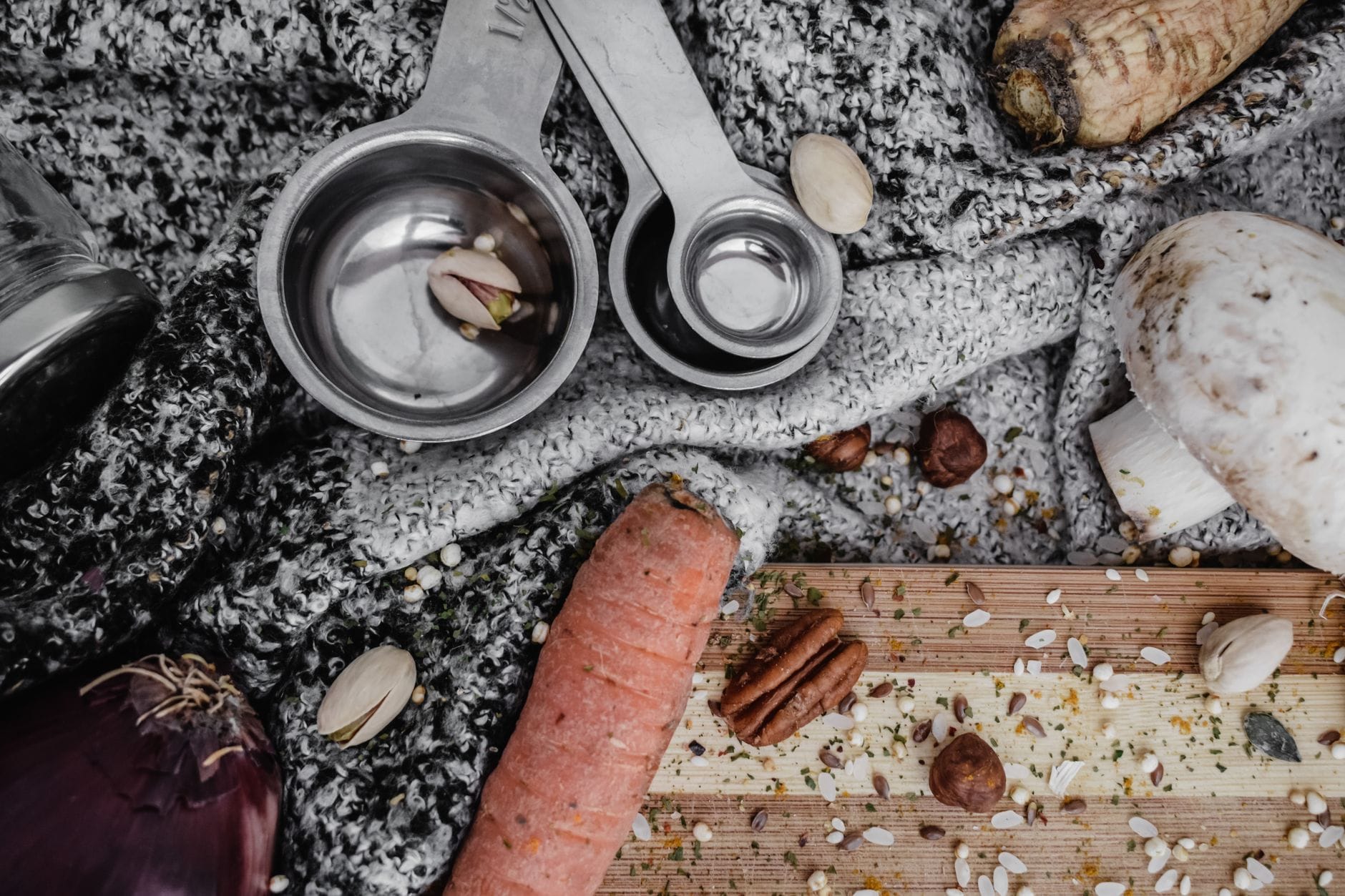
Stick to about 1 ounce a day, which works out to roughly 49 kernels. That’s enough to get the benefits without piling on calories.
Go well past that regularly and the downsides show up: stomach aches, diarrhea, and gradual weight gain. And anyone with a tree nut allergy should avoid pistachios entirely.
Frequently Asked Questions
How many pistachios should I eat per day?
About 1 ounce, or roughly 49 kernels. That serving provides fiber, protein, and key minerals without adding excessive calories to your day.
Are pistachios fattening?
Not when eaten in normal amounts. Their fat isn’t fully absorbed by the body, and in one 12-week trial, dieters snacking on pistachios actually lost more weight than those snacking on pretzels. Buying them in-shell can also naturally slow your eating.
Who should avoid pistachios?
Anyone with a tree nut allergy. Everyone else simply needs to watch portion size, since overeating them can cause digestive upset and weight gain.
The Bottom Line
Pistachios earn their place in a healthy diet. They carry more antioxidants than any other nut, feed the beneficial bacteria in your gut, and have real clinical evidence behind their effects on cholesterol, blood sugar, and weight. A daily ounce, ideally still in the shell, is an easy habit with a lot of upside. Just respect the portion and skip them if tree nuts are off the table for you.
This article is for informational purposes only and is not a substitute for professional medical advice, diagnosis, or treatment. Always consult a qualified healthcare provider before making changes to your diet, especially if you have a medical condition, allergies, or are pregnant or breastfeeding.